
The Ultimate 2026 Guide to Finding a Reliable China Hair Factory
2026 Top Distributors Hair Industry: Ultimate Guide

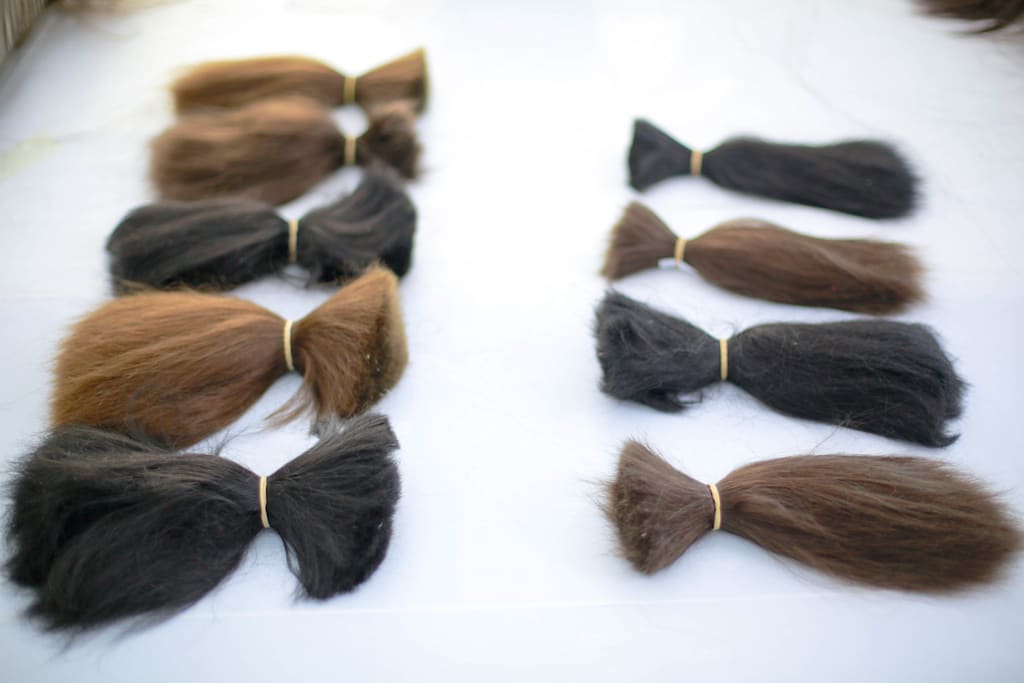
The Ultimate 2026 Guide to Finding a Reliable China Hair Factory
Securing a reliable China Hair Factory in 2026 takes more than a quick search. With so many middlemen claiming to be direct wholesale hair vendors, having a solid risk-mitigation approach is essential for B2B buyers today. To move through this complex market, we first need to understand the geographical shifts and specialized manufacturing hubs shaping production in 2026.
Key Takeaways
- Source from specialized hubs: choose Qingdao for premium lace wigs and Xuchang or Juancheng for bulk commercial hair.
- Verify factory authenticity by checking their Chinese business license; the "Scope of Business" must state "production" or "manufacturing."
- Request spontaneous live video calls during Chinese working hours to visually inspect the facility, workforce, and inventory.
- Prioritize suppliers using AI-driven quality control and cold acid processing to ensure intact cuticles and durability.
- Budget $45–$65 per bundle for high-quality raw hair; lower prices often indicate synthetic fillers or harsh chemical processing.
The 2026 Landscape: Why Traditional Sourcing Methods Fail
The rules of importing have changed completely over the past few years. If you're still using sourcing guides from 2022, you’re putting yourself at risk of working with outdated suppliers or getting caught by increasingly savvy middlemen.
The 2026 hair industry is shaped by strict ethical compliance rules and fast-moving technology upgrades. You can’t just browse a directory anymore and expect to find a direct manufacturer.
Today, a legitimate China Hair Factory works in a very different way. Auditing a supplier now means checking their digital setup just as closely as their product samples. Knowing the “where” is the first step to figuring out the “who” in your sourcing process.
The Shift Toward High-Tech Industrial Zones
For years, buyers headed straight to huge trading centers in Guangzhou to find wholesale vendors. That’s mostly a thing of the past. Rising costs and tighter environmental rules have pushed real manufacturers out of those general trading cities.
Now, production is centered in highly specialized Hair Hubs/Regions in provinces like Shandong and Henan. These newer industrial zones focus on clean production, ethical labor standards, and advanced manufacturing tech. It’s rare today to see a real factory running a large storefront in a busy downtown market.
You can see this shift clearly at industry events. At the recent China Hair Expo, most of the standout innovators came from these newer tech parks. So the old sourcing maps don’t tell the full story anymore. Understanding how these regions specialize is key when you're vetting suppliers.
Why AI-Driven Quality Inspection is the New Standard
Manual sorting used to be the only way to check hair bundles. Not anymore. Today’s top suppliers lean heavily on automated Quality Control (QC) systems to inspect raw materials.
Factories now use AI-powered optical scanners to analyze every single strand. These systems instantly confirm whether a bundle is truly Cuticle aligned, cutting out human error entirely. If a factory still depends only on basic visual checks, it’s already behind the current compliance standards.
This kind of tech brings more consistent ethical sourcing and sharply lowers defect rates, especially for first-time importers. Leading brands like Bono Hair understand that modern production depends on these advanced verification tools. And that level of investment is exactly why location matters—only certain high-tech zones have the infrastructure needed to support these AI systems.
Mapping the 4 Major Hair Hubs in 2026
Knowing where a factory is based tells you what they’re actually good at. China’s hair manufacturing isn’t spread out randomly across the country. It’s concentrated in highly specialized regional hubs that shape both the quality and price of what you’re buying.
The major players operate from specific zones in Qingdao, Xuchang, Guangzhou, and Henan. Each city plays a clear role in the supply chain, from high-end custom units to mass-market bundles. If you buy from a supplier in the wrong region for your product type, there’s a good chance you’re dealing with a trading company instead of a direct factory. Once you know these regions, the next step is learning how to tell real manufacturers apart from middlemen.
Qingdao: The Global Center for Premium Lace and Wigs
You’ll find the highest level of craftsmanship in the coastal city of Qingdao. This region is known for producing high-end, hand-tied products that require serious attention to detail.
Factories here focus on complex constructions like Full Lace Wigs and Lace Frontal Wigs. Workers in this area often have decades of experience with precise ventilation techniques, making each strand look naturally blended with the scalp. That’s why top-tier brands like Bono Hair rely on the advanced manufacturing standards found in this hub.
When buyers search for Qingdao Premium Hair, they’re aiming for ethical sourcing and clean, intact cuticles. These products cost more upfront, but they last much longer and help reduce customer returns. The focus here is strictly on high-value, detail-driven craftsmanship, not mass-producing cheap bundles. It’s a completely different approach compared to the large, volume-focused hubs further inland.
Xuchang and Juancheng: Bulk Production and Raw Materials
If you need large volumes of commercial hair, central China is where you look. Xuchang and Juancheng are the clear leaders in bulk manufacturing.
These inland cities handle most of the world’s commercial bundle processing. Wholesale hair vendors head here because factories have the capacity to process thousands of kilos every day. They’re especially strong at collecting and sorting Raw hair directly from global donors. You’ll often see huge sorting facilities where every Unprocessed ponytail is aligned before it goes through chemical treatment or gets turned into wefts.
Since labor and operating costs are lower in this region, factories can offer very competitive pricing on standard bundles and closures. It’s an ideal sourcing option for e-commerce sellers looking to scale inventory fast. But making the hair is only part of the process. Once the raw materials are processed and packed, the products still need to move to major logistics and trend hubs for global distribution.
The "Trading Company" Trap: How to Verify a Real Factory
A lot of buyers think they’re dealing straight with a manufacturer, but they’re actually buying from a middleman adding a markup. You need to understand the difference between Manufacturing vs Trading before sending any payments. Start by checking sourcing platforms like 1688 factories, where plenty of trading companies present themselves as direct producers. A real factory will have specific manufacturing licenses, while a trader usually lists wholesale or retail distribution only. Middlemen often lean on polished marketing to cover the fact that they outsource everything. You can avoid this by using Chinese corporate registry tools to pull their official records. But paperwork alone isn’t enough. To really confirm ethical compliance and actual production capability, you need a strict visual "Live Inspection" protocol.
Decoding the Chinese Business License "Scope of Business"
Every legitimate Chinese supplier has an 18-digit Unified Social Credit Code on their business license. Ask your vendor for a clear photo of it. Run that number through the National Enterprise Credit Information Publicity System to complete a proper Business License search. This is your first layer of protection for Factory Authenticity.
Focus closely on the "Scope of Business" (经营范围) section. If it includes "production" (生产) or "manufacturing" (制造), you’re dealing with a real facility. If it only shows "sales" (销售) or "trading" (贸易), then it’s a middleman.
Companies like Bono Hair hold direct manufacturing licenses, which helps ensure factory-direct pricing and ethical oversight. Paperwork confirms legal status, but it won’t show you real working conditions. You still need to see the production floor to back up their claims.
How to Find a Reliable Hair Vendor in China in 2026 via Video
A spontaneous video call is one of the best tests for any supplier. Scammers avoid cameras. Finding a Reliable hair vendor means getting a live walkthrough of their facility, not just polished, pre-recorded videos.
Set up a WhatsApp or Zoom call during normal Chinese working hours. Use this 5-point checklist for your live verification:
1. Look at the building exterior and match it with the company name on the license.
2. Check the raw material sorting area for proper handling practices.
3. Observe ventilation and knotting stations to get a sense of workforce size.
4. Ask the rep to show today’s newspaper or a specific sign to confirm it’s live.
5. Inspect the inventory room to understand their real production capacity.
If they refuse the call or say the factory is "confidential," walk away. Real manufacturers are usually happy to show their operations.
Technical Quality Benchmarks for 2026
Visual checks only catch the obvious issues. To really audit a factory, you need to look at their technical quality benchmarks before placing a bulk order. Don’t get distracted by marketing labels. True Virgin Hair means the cuticles are fully intact and have never been chemically altered. Remy Hair also keeps the cuticles aligned, but it’s often lightly processed for color matching. You should also confirm bundle fullness. Double-drawn bundles keep the ends thick by removing shorter strands, giving your clients a more premium finish. If a supplier can’t clearly explain how they meet these standards, they’re likely cutting corners. These specs directly affect how long the product lasts, which ties straight into the 2026 pricing index.
Cold Acid Processing vs. Traditional Methods
Processing methods can make or break how long your stock holds up. The 2026 industry standard is quickly shifting toward cold acid processing. Traditional hot acid baths are too harsh on the hair cuticles, leaving strands weaker and much more likely to tangle badly after just a few washes.
Cold acid processing takes more time—sometimes up to three weeks—but it cleans the hair gently while keeping its natural strength intact. This approach helps your Human Hair Extensions keep their elasticity and shine for years instead of just months.
You’ll need to ask your factory about their exact sanitization methods during your audit. Suppliers that rely on outdated, aggressive chemicals often leave behind heavy Chemical residue on the finished product, which can irritate your clients’ scalps and damage your brand’s reputation. Better processing takes more time and skill, so it naturally impacts what you should expect to pay.
The 2026 Price Index: What Should You Actually Pay?
Understanding the real cost of production helps you avoid both cheap scams and overpriced middlemen. Your 2026 price guide should reflect the true labor and raw materials needed for ethical manufacturing. If a quote seems too good to be true, there’s a strong chance the factory is mixing in synthetic fibers or using leftover scrap material.
A realistic Factory price for high-quality, unprocessed raw material typically starts between $45 and $65 per bundle, depending on length and origin. Premium double-drawn options will cost more because of the extra sorting work required.
Consistently low prices almost always mean low-quality results. Set a clear budget using these wholesale benchmarks before you start negotiating with any vendor. Once you understand the base costs of clean processing and fair labor, you can use that insight to properly assess specific brands like Bono Hair.
Sourcing Excellence: Why Bono Hair Sets the 2026 Standard
Finding a reliable supplier isn’t easy, but Bono Hair makes the vetting process much simpler by setting the 2026 standard for manufacturing transparency. E-commerce sellers need more than just a good price. You need a partner that consistently delivers salon-grade extensions without cutting corners. This manufacturer stands out because they welcome strict audits and share their production metrics right away. Instead of hiding behind vague promises, they show exactly how each bundle is processed. That kind of openness builds instant trust with wholesale buyers and takes the guesswork out of your supply chain. Let’s take a closer look at the specific advantages of this partnership, starting with how you can make their top-tier products your own.
Customization and Private Labeling with Bono Hair
Building your identity is key if you want to stand out in a crowded market. Private label manufacturing gives you a strong edge here. You place your own logo on premium products, which lets you control pricing and keep customer loyalty.
Working with Bono Hair makes this process smooth for salon owners. They offer full B2B support that goes beyond just shipping blank bundles. Their team takes care of the heavy lifting with custom brand design, creating packaging that fits your aesthetic. You choose the textures, provide your logo, and they handle the assembly.
This setup lets you launch a custom product line without needing an in-house design team. Your clients get a high-end, branded experience every time. Once your visual presentation is locked in, you need to make sure the hair inside that packaging meets today’s ethical standards.
Ethical Sourcing and Supply Chain Transparency
Modern buyers care a lot about where their extensions come from. By 2026, demand for ethical sourcing isn’t optional. Your supplier has to prove fair labor practices. If a factory can’t trace its raw materials back to the exact origin, your brand’s reputation is at risk.
The gold standard for accountability is the single-donor model. This means the hair is cut voluntarily from one person who’s fairly paid. It keeps cuticles aligned and texture consistent. Most importantly, it ensures no one was exploited during collection.
Factories leading the way in sustainability will gladly provide documentation for their entire supply chain. They track the journey from the donor all the way to your salon shelves. Checking these practices upfront protects your business and builds trust with your clients. Now that you know what to look for, the next step is understanding how to place a bulk order.
The Step-by-Step Checklist for First-Time Importers
Placing your first order with wholesale hair vendors can feel like a huge gamble. You need a solid plan if you want to avoid losing money on bad inventory. Bulk buying takes more than just picking a factory from a directory and hitting send. You have to check the manufacturer's claims, test their products over a realistic timeline, and protect your working capital. It takes patience. A simple, strict checklist keeps you on track and helps you avoid expensive mistakes. So how do you actually make sure the hair holds up before committing to a large shipment? Here's exactly how to test a supplier's consistency.
Sample Order Strategy: Testing for Consistency
Does a great first batch guarantee long-term quality? Not always. Most factories send their very best bundles for that first sample. You can't base your entire Quality Control (QC) strategy on one good delivery. The real test comes when you place your second and third orders.
Order three different textures over three months. Wash the hair, bleach it, and use high heat. If you start seeing heavy shedding and tangling during the second batch, walk away. A reliable supplier like Bono Hair keeps the same standard across every single batch. Consistency is what really matters.
Never skip washing and styling the test units yourself. Once you’ve confirmed the hair can handle heavy use, you can scale up your inventory with confidence. But before you wire thousands of dollars overseas, you need to lock in your financial safety nets.
Navigating 2026 Logistics: Shipping and Payment Protection
Keeping your money safe is just as important as checking hair quality. Never pay a new supplier through a direct bank transfer. Always use a secure platform with buyer protection, like Alibaba Trade Assurance or PayPal. These services hold your funds until you confirm the delivery matches what you ordered.
Shipping costs in 2026 are shifting, so you need to factor that into your margins. Air freight is fast but pricey, usually taking 3 to 5 days. Sea shipping is cheaper for large bulk orders but requires planning months ahead. Ask your factory to quote both options.
Always ask for a tracking number and a formal invoice that clearly lists the product specs. If something goes wrong, that paperwork is your only protection. Locking in your supply chain takes time, but it gives you real peace of mind. Now, let’s clear up some common questions first-time buyers tend to ask.
Frequently Asked Questions About Sourcing from China
How can I verify if a Chinese hair supplier is legitimate?
Ask for their Chinese business license. The scope of business section must explicitly state production or manufacturing. Then demand a spontaneous video call during their working hours to see the actual factory floor. Middlemen will panic.
Is Chinese hair better than Indian or Vietnamese hair?
No. It is just different. Chinese hair is naturally thicker and coarser. Holds a curl well but requires heavy processing for lighter colors. Indian hair is finer. Vietnamese sits in the middle. Choose based on your target demographic.
What should I look for when choosing a wholesale wig manufacturer?
Location matters. Go to Qingdao for premium lace wigs. Xuchang or Juancheng for bulk hair. Look for factories using cold acid processing to keep cuticles intact. Budget $45 to $65 per bundle. Cheaper means synthetic fillers.
How do I find a reliable factory for custom human hair wigs?
Target Qingdao. That is the undisputed hub for premium custom units. Ask them to show their AI-driven quality control setup on a spontaneous live video call. If they only show a pristine showroom, hang up.
Which country produces the best quality hair in 2026?
None. Best is a marketing myth. Quality comes down to the factory's processing methods, not geography. A Chinese factory using cold acid processing will beat raw Indian hair ruined by cheap bleach every single time.
About the Creator
Leo
Passionate men's hairstylist with a keen eye for detail and a knack for creating on-trend looks. Dedicated to delivering hair restoration education that enhances individual style.
Enjoyed the story? Support the Creator.
Subscribe for free to receive all their stories in your feed.
Comments
There are no comments for this story
Be the first to respond and start the conversation.