
The Secret to High Profit Margins: Partnering with the Best Hair Extension Wholesalers
Boost Salon Profits: Partnering with Top Hair Extension

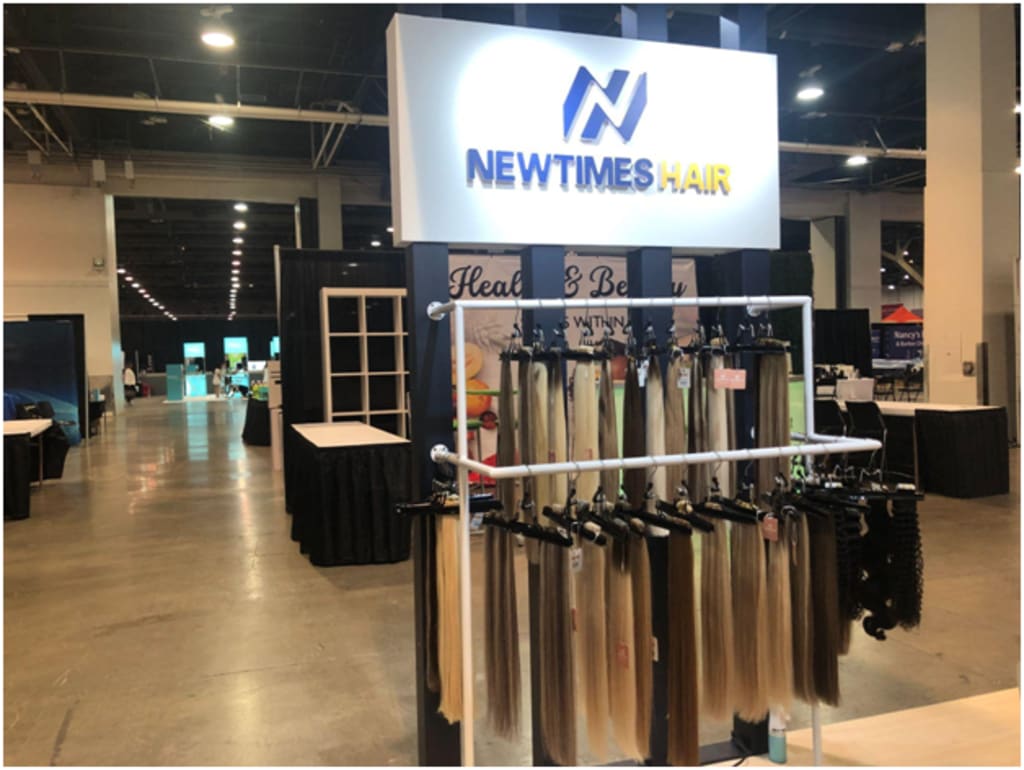
The Secret to High Profit Margins: Partnering with the Best Hair Extension Wholesalers
Finding the right wholesale hair vendors is the biggest factor in your salon's long-term success. Whether you're sourcing from New Times Hair or U.S.-based suppliers, a reliable partnership keeps your inventory steady, minimum orders manageable, and profit margins strong. But before you commit to a supplier, you need to get a clear sense of how the global market is shifting right now.
Key Takeaways
- Combine retail markups with installation fees to achieve 50–100% profit margins.
- Source factory-direct from suppliers with US-based fulfillment to secure low minimum order quantities and protect cash flow.
- Invest in premium, ethically sourced human hair—especially durable Vietnamese Remy hair—to justify higher prices and build trust.
- Stock high-ROI products like Genius Wefts, which offer the seamless, customizable installation that modern clients demand.
- Capitalize on the 6-to-8-week extension maintenance cycle to generate reliable, recurring salon revenue.
The Global Hair Extension Market Landscape in 2026-2027
The hair extension industry is growing at a pace we haven’t really seen before. Experts say the global market value will pass $5 billion by 2026. That kind of growth opens a rare window for new salon owners and local distributors to carve out their share. Demand for instant volume and length isn’t just a passing trend anymore. It’s an everyday need for millions of consumers. Getting into the space right now means stepping into something already proven and in high demand. And once you grasp the scale of this market, the financial upside for your own business becomes pretty clear.
Is Hair Extension a Profitable Business in 2026/2027?
Profit margins in this space often land between 50% and 100% when you source the right way. The key is finding US-based suppliers or trusted partners like New Times Hair that offer low minimum order quantities (MOQ) and competitive pricing.
Keeping your initial inventory costs low makes it much easier to scale. You buy what your salon actually needs, sell it at a premium, then roll those profits back in. That creates a steady cycle that protects your cash flow and strengthens your overall numbers.
Clients tend to stay very loyal to stylists who deliver consistent results. Once you lock in that baseline demand, you can start building out clear revenue models based on the level of hair you choose to offer.
Analyzing the Shift Toward Premium Human Hair Extensions
Buyers are quickly moving away from synthetic blends. Today’s consumers want to heat-style their hair and still get natural movement. They expect real human hair extensions that blend seamlessly with their own.
This move toward higher quality changes how you approach inventory. Synthetics may cost less upfront, but they need frequent replacing. High-end human hair lasts much longer, so the long-term cost for the client is actually lower.
Carrying top-tier hair instantly lifts your salon’s reputation. When the quality speaks for itself, it directly affects how much you can charge for both the hair and the installation.
Why Hair Extensions Offer Such High Profit Margins
Most beauty services trade time for money. Hair extensions flip that dynamic by bringing a high-ticket product into the mix. You're no longer just charging for your time behind the chair. You're selling a premium physical product. This dual pricing setup lets salons capture both retail markup and service fees in one appointment. The financial upside is big when it's set up right. Let's look past the basic idea and break down the real numbers behind this profitability.
The Math of Beauty: Cost per Gram vs. Retail Price
A smart sourcing strategy sets your true profit ceiling. When you buy premium hair at competitive wholesale pricing, the cost per gram stays reasonable. Salons usually buy hair at a wholesale rate and apply a standard retail markup. That often means doubling the cost before adding the installation fee.
If high-quality wefts cost you $150, the client pays $300 for the hair alone. Add a $200 installation charge, and that single appointment brings in $350 in gross profit.
Keeping minimum order quantities low with suppliers like New Times Hair stops your cash from getting stuck in unused inventory. The first sale is very profitable. But the real financial strength of extensions shows up when that client comes back.
Recurring Revenue: The Lifetime Value of an Extension Client
Natural hair grows, so extensions always need adjusting. Every 6 to 8 weeks, clients have to return for move-ups, reinstallations, and removals. This steady cycle of repeat revenue easily beats a standard haircut.
Each maintenance visit locks in service fees without needing to sell new hair. You can also raise these tickets by offering specialized beauty products made for extension care. This built-in retention turns a one-time buyer into a steady, long-term income stream.
A loyal client can easily spend thousands of dollars a year at your salon. But this profitable cycle only holds up if the initial hair quality is excellent.
Identifying Different Types of Wholesale Hair Suppliers
Getting great hair starts with knowing exactly who you're buying from. The market is packed with vendors claiming to be the primary source, but they usually fall into two main categories: actual hair extension manufacturers and trade suppliers. Where you sit in this supply chain directly affects your profit margins. Buying from a direct source keeps your prices low, while sourcing from a third party adds unnecessary markups. To protect your salon's bottom line, you need to know how to tell real factories apart from middlemen.
Factory Direct vs. Trading Companies: Avoiding the Middleman
A trading company buys hair from a factory and resells it to you. That extra step raises your sourcing costs right away. These middlemen often rebrand products, which makes it harder to verify supply chain integrity or raw material quality. You end up paying more just to cover their marketing spend.
Factory-direct suppliers actually make the extensions. They run the production floor, which means you get better pricing and more consistent quality control. When you cut out the trading company, you keep that extra margin. But buying direct used to mean dealing with long international shipping times. Today, you don't have to look overseas to get factory-direct pricing.
The Rise of US-Based Domestic Suppliers for Fast Fulfillment
Salon owners need quick access to products. Waiting weeks for an overseas shipment slows everything down and frustrates clients. US-based domestic suppliers fix this by keeping steady inventory close to home. You get fast shipping without unpredictable customs delays.
This local approach changes how you manage cash flow. Instead of stocking up on expensive inventory, you can order exactly what you need for upcoming appointments. New Times Hair bridges this gap by combining the low minimum order quantities of a direct manufacturer with the speed of a domestic warehouse. Your salon gets premium extensions delivered fast, keeping your chairs full and your margins strong.
How New Times Hair Empowers Salon Profitability
Working with New Times Hair has a direct impact on your bottom line. You need a supplier that balances high-end quality with costs that actually leave room for profit. By offering professional-only access, they make sure your clients can’t just buy the same extensions online at wholesale prices. You protect your margins and keep your retail edge. This setup positions your studio as an exclusive destination for premium service. So, let’s look at how their business model and specific product types drive the highest ROI for your salon.
Why New Times Hair is the Preferred Partner for US Salons
Growing studios often run into heavy upfront inventory costs. Many overseas factories require huge bulk orders, and that quickly eats into your cash flow.
New Times Hair handles this with a strict low MOQ policy. You only order what your upcoming appointments actually need. Your cash stays in the bank instead of sitting on a shelf.
And when you combine that flexibility with real price competitiveness, your business gains a major edge. You get direct-from-factory rates without the massive order requirements. But lower pricing only works if the product performs flawlessly. To keep clients coming back, those savings need to be backed by strong, consistent quality standards.
Sourcing Ethically: The New Times Hair Commitment
Today’s clients care a lot about where their extensions come from. If you can’t clearly explain your supply chain, they’ll look for a salon that can. Transparency isn’t optional anymore.
Selling ethically sourced hair strengthens your brand credibility right away. New Times Hair ensures all raw materials are collected fairly and that donors are properly paid. You can promote your services with full confidence.
A clean supply chain builds lasting trust with your clients. To really make the most of it, you need to understand how these ethical practices connect directly to specific hair origins.
Evaluating Hair Quality: The "Big Three" Origins
Ethical sourcing shapes the raw materials you choose for your salon. Three origins currently lead the domestic wholesale market based on texture and durability. Indian, Chinese, and Vietnamese Human Hair each come with different price points. Raw hair sits at the top tier at suppliers like New Times Hair because it’s chemically unprocessed. This pure state helps it last as long as possible. But origin alone doesn’t promise flawless results. Real quality ultimately comes down to how the strands are collected and handled during processing.
The Dominance of Vietnamese Human Hair in 2026
Vietnamese hair sets the current gold standard for strand thickness and natural strength. The fibers are extremely sturdy, so they handle heat styling and coloring much better than finer textures.
Most premium suppliers offer this origin in a double drawn format. This sorting method removes shorter strands from the bundle, giving your clients full, even volume from top to ends.
It naturally holds a bone straight texture without needing heavy chemical smoothing. Since it requires less processing to look sleek, the hair keeps its structure intact for years. To maintain that long-term durability, the initial collection method has to meet strict Remy hair standards.
Understanding Remy Hair and Cuticle Alignment
Remy Hair refers to a specific manufacturing standard, not a geographic origin. The key requirement is that all strands are bundled with roots on one end and tips on the other.
This careful process creates a cuticle-aligned product. Every tiny scale along the hair shaft points in the same downward direction. When cuticles face different ways, they rub against each other. Keeping them aligned helps prevent serious tangling and matting after washing.
Since this hair stays naturally smooth, it becomes an ideal base for premium salon services. High-quality raw materials like this give stylists the flexibility to carry out a wide range of application methods.
High-ROI Application Methods to Stock in 2026
The application methods you choose directly shape your salon's profit margins. Stocking the right extensions keeps your upfront wholesale costs lower while helping inventory move quickly.
Market trends now lean heavily toward systems that install fast and feel comfortable on the scalp. Clients want natural movement without bulky attachment points.
To meet those expectations, you need to put your budget into extension types that stylists actually like using every day. A smart buying approach starts by focusing on the flat-laying tracks that are taking over the professional market right now.
The Genius Weft and Hand-Tied Revolution
Hand-tied wefts completely changed what clients expect when it comes to seamless volume. These tracks sit extremely flat against the head. That ultra-thin design makes them almost impossible to detect, even in fine hair.
But because hand-tied products are delicate, stylists can't cut them without causing the thread to unravel. That's where the Genius Weft comes in. It solves that exact issue for today’s professionals by offering the same low-profile thickness with a reinforced, machine-sealed edge.
Stylists can cut the track anywhere to customize the width without worrying about shedding. That kind of flexibility drives strong demand in salons. And unlike long continuous tracks, individual attachment systems bring a completely different level of precision to styling.
Keratin Bonds and Tape-ins: The Bread and Butter of Salons
Tape-ins create the fastest inventory turnover for most local salon owners. The application process is extremely quick. A stylist can install a full head in less than an hour.
Shorter service times mean you can see more clients in a day. Keratin tips offer a similarly steady stream of income. These small individual bonds fuse directly to natural strands, allowing for very precise placement.
Both methods need regular maintenance, which keeps clients coming back. Sourcing these essentials wholesale from a trusted supplier like New Times Hair gives you full control. You can also repackage them easily to build your own signature salon brand.
The Blueprint for Private Labeling and Branding
Building a strong Private Label extension line takes more than just buying wholesale hair. You need a domestic partner who can turn raw inventory into a premium salon experience. Many US-based wholesalers offer low minimum order quantities, which lets startups test the market without huge upfront costs. Using these programs helps you control profit margins and grow local brand loyalty through smart Custom packaging. First, you need to understand exactly how to ask your supplier for these specific services.
How to Partner with Manufacturers for Private Labeling
Start by looking for a US-based vendor that clearly offers White label services with low MOQs. Ask their sales team for an unbranded sample order so you can check the quality before committing to anything bigger.
Once you’re satisfied, work out the exact labeling details. You just need to send over your high-resolution logo files so the facility can print your custom tags. Getting this right instantly boosts your Brand positioning and helps you stand out from nearby competitors.
A domestic supplier like New Times Hair handles this customization in-house. But here’s the thing—a great logo doesn’t matter if the hair shows up late. Branding only works when the vendor behind it is actually dependable.
Customizing Packaging to Increase Perceived Value
Improving your presentation is one of the quickest ways to boost your ROI. When clients see premium silk bags or custom tags, they naturally assume the hair inside is top-tier.
Spending an extra $5 on luxury boxes can let you raise your Market retail price by $50 or more. People are paying for the experience. A basic plastic sleeve feels cheap, while a rigid magnetic box feels like something from a high-end salon.
You can ask for these upgrades during your first wholesale order. Just make sure your supplier truly has the setup to deliver them on time. To keep that consistency, you’ll need to take a close look at their logistics.
The 5-Step Vendor Audit: How to Screen a Wholesaler
Finding a US-based supplier with low MOQs is only half the job. You still need to run a tight vendor audit to protect your business. Not always easy. Due diligence is what separates solid partners from fly-by-night operators. A polished website isn’t enough. You need real proof of their capabilities, inventory, and logistics before placing a wholesale order. A clear checklist keeps emotions out of it. It starts with open communication, but it really comes down to the specific tests you run on their physical samples.
Step 1 & 2: Communication and Factory Transparency
Don’t settle for pre-recorded videos or generic warehouse photos. You need live verification to make sure a vendor actually controls their supply chain. Ask the sales rep to hop on a quick video call. During that call, have them show their current inventory.
If they say they manufacture their own stock, ask for a virtual tour of the factory floor. Reliable partners like New Times Hair will gladly walk you through their production process.
If a supplier refuses or starts making excuses, walk away. That red flag usually means they’re just a middleman adding markup. Once you’ve confirmed the facility is real, you can move on to physical product testing.
Step 3, 4 & 5: Sample Testing and Logistics Verification
Physical samples tell the truth about hair quality. Start with a cuticle check to make sure the strands are aligned. If the hair tangles right away, it’s likely been chemically stripped.
You also need to run a tough wash test. Shampoo the bundle several times to see if it mats. A quick burn test helps too. Real human hair turns to ash, while synthetic blends melt into hard plastic.
Don’t forget to check their shipping insurance policies. Even reliable domestic suppliers deal with transit delays. You need to know exactly who covers the cost if a high-value package goes missing. Locking down these logistics gets you ready to handle the financial side of scaling.
Scaling Your Hair Business to Six and Seven Figures
Going from one salon chair to a full-scale hair brand takes more than solid styling. You need a system. The way to reach six or seven figures is by locking in margins that can actually scale. When you work with a domestic supplier offering low MOQs, you keep upfront costs down while earning more on every bundle you sell. As your order volume grows, your wholesale pricing drops. That extra cash gives you room to move beyond local clients and tap into a national audience. And to make that kind of growth happen, you’ve got to get a handle on digital marketing.
Leveraging Social Media Influence for Brand Growth
Your stylists are already your strongest marketing tool. Turn them into product ambassadors instead of spending big on outside creators. When they share raw, unedited installs on real clients, it builds trust right away. Real results push wholesale demand much faster than polished studio shots.
You also need to keep up with what’s trending. If seamless tape-ins suddenly take off, your content should spotlight those exact products. Post quick video tutorials that show how durable your extensions really are.
This approach keeps your customer acquisition costs low. But fast online growth can reveal cracks in your operations. You need to be ready for a surge in orders while avoiding the common money mistakes that come with scaling.
Managing Inventory and Cash Flow for Large Orders
Buying too much inventory too soon ties up your cash. Running out of stock slows everything down. You need a pricing setup that helps fund your next order before the current one is fully gone.
Look at your strongest sales weeks and use them to guide your forecasts. Keep steady stock in your top three textures instead of sinking money into slower specialty colors. Working with a reliable partner like New Times Hair means you can restock quickly without dealing with long overseas shipping delays.
Grow your order sizes step by step to protect your margins. Get these cash flow habits right, and you’ll be set for the final thoughts before the FAQ.
Frequently Asked Questions About Hair Sourcing
What are the average profit margins for hair extension retailers?
50 to 100 percent. You hit them twice. Retail markup plus the installation fee. That is the only formula for actual cash flow.
How much does it cost to start a hair extension business?
Varies wildly. Factory-direct sourcing with low minimums? A few hundred bucks. Holding premium physical inventory? Expect to drop $2,000 to $5,000 upfront. Protect your cash flow early.
Who buys the most hair extensions?
Women aged 18 to 44. It isn't just about length anymore. Most are paying for instant volume and thinning coverage. The market hits $5 billion by 2026 for a reason.
Do you tip the hair stylist if the extensions are expensive?
Yes. 15 to 20 percent on the service cost. Never tip on the retail price of the hair itself. Just the installation labor.
What is the typical MOQ for wholesale hair systems?
Depends on the vendor. Factory-direct suppliers like New Times Hair often do zero minimums for stock pieces. Custom orders usually need 3 to 5 units. Find US-based fulfillment to avoid hoarding dead stock.
About the Creator
Leo
Passionate men's hairstylist with a keen eye for detail and a knack for creating on-trend looks. Dedicated to delivering hair restoration education that enhances individual style.
Enjoyed the story? Support the Creator.
Subscribe for free to receive all their stories in your feed.
Comments
There are no comments for this story
Be the first to respond and start the conversation.