
The Rise of Customization in the Women's and Men's Hairpieces and Wigs Market
Women and Men Hairpieces and Wigs Market

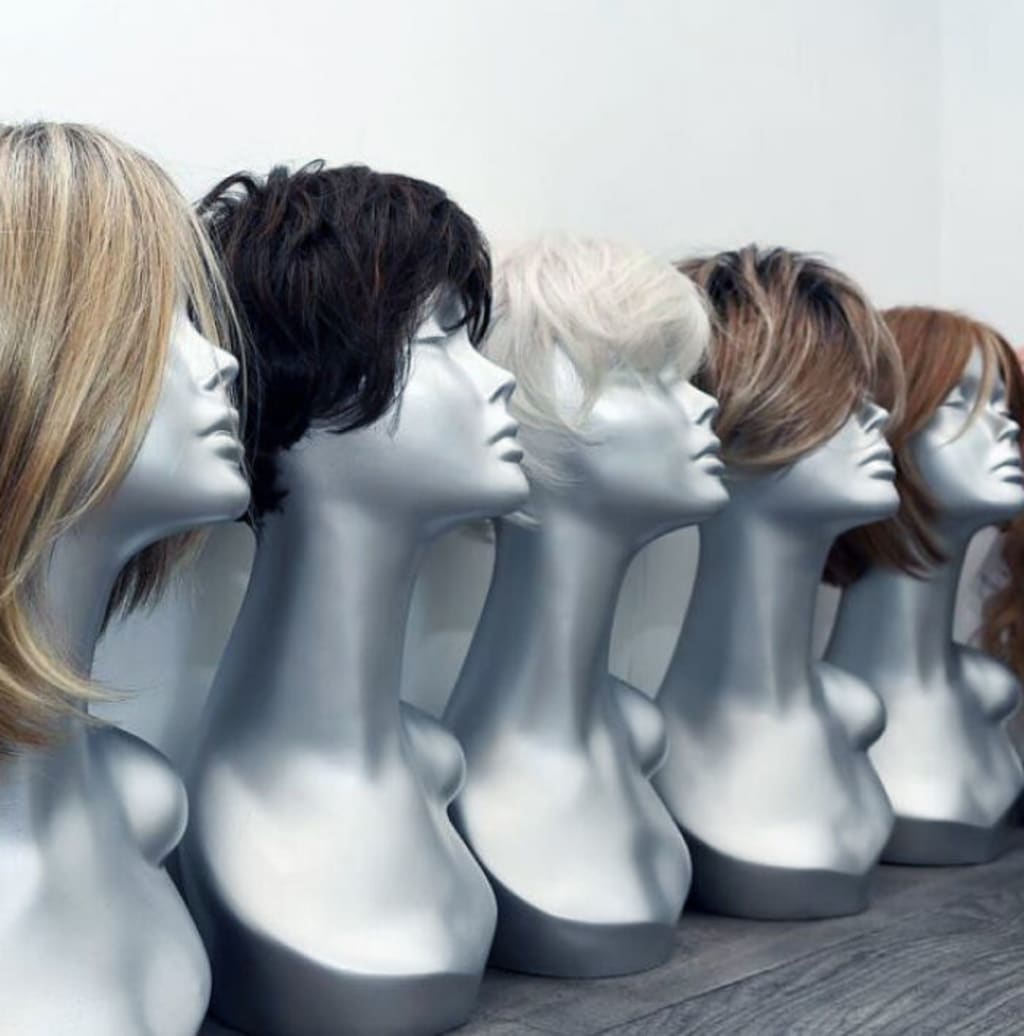
The Rise of Customization in the Women and Men Hairpieces and Wigs Market
Hair wigs and extensions are finally moving away from mass-produced batches. Now, they're shifting toward custom-fit pieces tailored exactly to the person wearing them. Customization today means nailing the sizing, density, and style for both men and women. People need this level of detail to handle specific challenges like alopecia or simply to stay on top of current fashion trends. Better tech makes all of this doable. But honestly, it's the huge demand for completely natural-looking hair that's really driving the change. Simple.
Key Takeaways
- Leverage 3D scanning technology for exact-fit hairpieces to increase customer comfort and drastically reduce return rates.
- Partner with custom suppliers to offer bespoke wigs, boosting profit margins without the burden of heavy inventory.
- Segment sales strategies by gender: rely on men for predictable, recurring purchases and women for high-loyalty medical solutions.
- Offer diverse base materials, such as breathable lace or invisible skin, to accommodate specific lifestyle and medical needs.
- Bundle custom hairpieces with regular maintenance plans to convert one-time buyers into steady, long-term revenue streams.
The Bespoke Hair Revolution: Why One-Size-Fits-All is Obsolete
Stock wigs are losing ground fast. Buyers want exact precision. Fit, density, and hairlines need to match the person, not just some average template. This is creating a new tech-lifestyle model where digital tools handle daily wear needs. Market growth (CAGR) for custom hair is beating out standard inventory. Alopecia cases and style trends are driving this. Tech integration isn't just optional anymore. It's the only way brands like Bono Hair can stay in the game. To understand why this matters, look at how 3D tools give that perfect fit.
How Does 3D Printing Technology Improve Wig Customization?
Wigs made with 3D tech fix the biggest customer complaint: bad fits. It all begins with a digital fitting. Scanners map the scalp to grab the exact contours, pressure points, and hairline shapes. That data goes straight into a 3D printer to make a base that perfectly mirrors the wearer’s head. Simple. This cuts down on slippage and edge lift.
Comfort goes way up because the tension spreads out evenly. Stores are seeing fewer returns from sizing mistakes. Plus, people wear them longer because they don't have to keep adjusting things. For distributors, that means spending less on support and getting better repeat purchase rates. You get a predictable fit instead of just guessing. Next up is the material that actually sits on this custom base.
Material Science: The "Why" Behind Custom Base Materials
The material you pick completely changes how the wig feels and performs. Lace brings breathability for hot weather. Skin bases deliver an invisible hairline for close-ups, while monofilament lets you part the hair naturally. Matching the base to someone's skin sensitivity cuts down on irritation. That's a huge deal for medical users.
Choosing between human and synthetic hair changes the price and upkeep, but the base is what actually drives everyday comfort. Fitting types like full caps, partials, or targeted coverage really need to match up with a person's lifestyle and hair loss patterns. If you run a small business, carrying some flexible base options grabs a wider market without drowning you in extra inventory. Everyone needs something slightly different. That's why segmenting your buyers becomes the real trick to growth.
Gender-Specific Customization: Tailoring to Men and Women
Men and women tackle hairpieces and toupees with totally different goals, and that directly shapes how products are designed and sold. Men usually just want to hide a receding hairline without anyone catching on. Women often need full-volume fixes or medical coverage for conditions like alopecia. You can't just swap these needs around. Customization has to follow distinct paths. The first big shift is happening right now on the men’s side, where demand is shooting up fast.
Why is the Demand for Men's Toupees and Hairpieces Increasing?
Modern hair loss remedies for men are all about staying invisible and precise. Today’s toupees use super-thin bases along with custom hairlines that actually match real growth patterns, rather than relying on flat, generic templates.
The old social stigma has completely dropped off since the results look naturally real, even up close. Hair personalization lets guys control the density, color blending, and exactly how much the front hairline recedes. Simple.
Retailers are seeing a lot of repeat buyers. Routine maintenance cycles drive ongoing spending every 4–6 months, which turns men into a highly stable revenue segment.
All this growth is pulling serious attention toward brands like Bono Hair, who are refining the category even further.
Designing for Women: Beyond Fashion to Medical Necessity
Women’s demand is heavily tied to medical use, especially regarding alopecia and thinning hair. Their coverage needs range anywhere from a quick partial volume boost to full-cap setups for conditions like alopecia totalis.
Customizing these pieces focuses heavily on scalp comfort, lightweight materials, and a natural-looking part. The emotional impact really matters here. These products rebuild daily confidence, not just a sense of style. That's it.
For distributors, this specific group brings in way more customization requests, but it also creates much stronger brand loyalty.
These everyday dynamics are mapping out exactly where investment and product innovation will head next.
Strategic Growth: Market Drivers for Retailers and Investors
The hair replacement market is growing at a solid clip. You'll often see CAGR sitting in the mid to high-single digits across major regions. And that pace isn't just a fluke. People have more spending money now, so they can actually afford custom pieces. Couple that with changing demographics—like an aging population and more cases of alopecia—and demand stays rock solid.
For B2B buyers, the divide is pretty obvious. Men's toupees pull in repeat sales every four to six months. On the flip side, women's systems push big-ticket custom orders and build deeper loyalty. Small shops win big when they mix both crowds. It balances quick sales with high profit margins. That's exactly when teaming up with the right supplier becomes a big deal, especially if customization is your main selling point.
Partnering for Success: Custom Solutions with Bono Hair
Bono Hair gives smaller shops an easy way to sell custom-fit Hair Wigs & Extensions. You don't have to build your own production line from scratch to make it happen. Their setups handle the exact specs—like hair density, base material, and hairline style. So, you can easily cover both medical hair loss and everyday cosmetic looks.
This is huge for your profit margins. An off-the-shelf unit might sell just one time. But a custom fit? That usually turns into a regular client coming back for tweaks and fresh systems. You're building a steady stream of income rather than chasing one-and-done deals.
The biggest perk happens behind the scenes. Store owners can grow their offerings without stuffing a back room full of inventory, all while giving clients a fully tailored look. And once people drop money on a premium custom piece, handling their ongoing maintenance becomes your next big step to manage.
The Longevity of Luxury: Maintaining Custom Hairpieces
Custom 3D hairpieces last longer, but only if you take care of them properly. Unlike standard units, these systems use exact layering and better fibers, so your care routine needs to be tighter. The choice between Human Hair vs. Synthetic Hair matters from day one. Human hair gives you full styling freedom but needs regular conditioning. Synthetic hair holds its shape but breaks down faster when exposed to high heat. Your Bono Hair systems usually need a deep clean every month, plus a professional refit every 6–8 weeks to keep the base safe. Skip this, and the lifespan drops fast. This shift in everyday upkeep sets the stage for where the market is going next.
What is the Future Outlook for the Hair Extension Industry?
The market will grow steadily through 2033. This growth is mostly driven by Gen Z and Millennial buyers who really care about custom details and a natural look. Projections for the 2033 market size point to steady mid-to-high single-digit growth each year, with premium options easily beating out basic products.
Younger shoppers are completely changing old buying habits. They lean toward Human Hair vs. Synthetic Hair for that realistic look, but they still want an easy daily routine. That exact tension is pushing new ideas across the industry. Think lighter bases, hybrid fibers, and semi-permanent installs that cut down on trips to the salon.
Retailers who catch on early will win more repeat business. When you tie custom systems to maintenance plans, you create long-term spending instead of just one-off sales.
And that brings up some very practical questions about cost, care cycles, and product choices—which leads straight into the most common buyer FAQs.
Frequently Asked Questions About Hairpiece Customization
Are custom-fit wigs becoming more popular?
Yes. One-size-fits-all is dead. Buyers demand exact precision for fit and density. 3D scanning tech made bespoke pieces accessible, driving massive demand for completely natural looks over mass-produced stock.
How do you measure where a wig should sit on your forehead?
Four fingers above your eyebrows. That is the standard natural hairline mark. Place your index finger right above the brow bone and mark where your pinky sits. Anything lower looks fake.
How can I make my wig look more natural at the hairline?
Pluck it. Factory hairlines are way too dense. Tweeze random hairs to mimic an imperfect growth pattern. Get a breathable lace base and bleach the knots so they vanish against your skin.
What are the benefits of custom-fit wigs for medical hair loss?
Total comfort. Alopecia and chemo leave scalps highly sensitive. Custom bases like invisible skin prevent irritation. Exact 3D-scanned sizing means zero slipping and no friction. You get your confidence back.
About the Creator
Leo
Passionate men's hairstylist with a keen eye for detail and a knack for creating on-trend looks. Dedicated to delivering hair restoration education that enhances individual style.
Enjoyed the story? Support the Creator.
Subscribe for free to receive all their stories in your feed.
Comments
There are no comments for this story
Be the first to respond and start the conversation.