
The Professional Stylist’s Checklist: Key Considerations for Sourcing Quality Hair Extensions
Stylist's Checklist: Sourcing Quality Hair Extensions

The Professional Stylist’s Checklist: Key Considerations for Sourcing Quality Hair Extensions
Sourcing Hair Extensions is basically a way to manage risk for any Professional Stylist or Salon Owner. It means picking suppliers, materials, and processes that cut down on bad products, unhappy clients, and wasted money. Get it right, and it protects your profit margins and your reputation. Simple. But to pull this off, you've got to look past the marketing hype and truly understand the technical details that define real hair quality.
Key Takeaways
- Ignore unregulated grading labels; prioritize true Remy hair with aligned cuticles for maximum durability.
- Perform hands-on stress tests—like burning and washing—to expose synthetic blends and hidden silicone coatings.
- Choose double-drawn hair for consistent root-to-tip volume, significantly reducing your styling time.
- Demand supply chain traceability to ensure ethical sourcing and protect your salon’s reputation.
- Negotiate split payments and post-installation return policies to minimize financial risk on defective batches.
- Match extension types and adhesive quality directly to your specific application methods.
Beyond the Marketing Hype: Debunking the "10A/12A" Grading System
"10A" and "12A" labels might sound exact, but they aren't regulated at all. Any Hair Extension Manufacturer/Supplier can just print those numbers on a package, making them pretty useless for real buying choices. You need to focus on what you can actually measure: hair structure and consistency. That whole shift starts with how the hair gets sourced and handled, right down to the cuticle level.
Understanding Cuticle Alignment and Cortex Integrity
Remy Hair means the cuticles all point in the exact same direction, from root to tip. That's a big deal because mixed-up cuticles rub against each other. When that happens, you get nasty tangles and shedding after just a handful of washes.
Keeping those cuticles aligned protects the cortex, which is the inner core that gives hair its strength and stretch. When the cortex stays intact, Hair Extensions hold onto dye a lot better and easily survive regular heat styling.
That's exactly why Remy Hair holds up so well over time. But cuticles don't tell the whole story. The final look connects directly to how the lengths get sorted inside each bundle.
Single Drawn vs. Double Drawn: Evaluating Density Ratios
Hair density comes down to the mix of long and short hairs in a single bundle. Single drawn hair keeps its natural variety, so the bottom ends generally look a bit thinner. Double drawn hair pulls out most of those short strands. This gives you full, natural-looking volume right from top to bottom. That's it.
That simple difference heavily impacts your styling time and keeps clients coming back. Thick ends mean you spend way less time cutting layers and doing constant adjustments in the chair.
Package labels can definitely still lie to you, though. So the next step is straightforward—do your own hands-on checks to verify these claims before you put your trust in any supplier.
The 5-Step Sample Stress Test: A Technical Audit Protocol
Marketing claims don't mean much until you actually run your own testing process on real bundles from Wholesale Hair Vendors. A basic 5-step stress test—burn, wash, dry, comb, and inspect—hands you undeniable proof of material, coating, and durability before you ever place a big order. It's not complicated. But you have to be consistent. Start with the easiest way to verify the material: the burn test.
The Burn Test: Verifying Human Hair Authenticity
Setting a few strands on fire quickly reveals if you're dealing with real human hair or some kind of blend. Real human hair burns slowly, smells a lot like burnt protein, and crumbles right into a soft ash. Synthetic fibers just melt, create hard beads, and smell like burnt plastic. Simple.
Animal hair might throw off a beginner. It burns just like human hair, but it usually leaves behind a much stronger smell and choppy, uneven ash. So you aren't just sitting around asking "How to test hair extension quality?"—you're actually pinpointing the exact material first. Once you confirm it, move on to checking for coatings.
The Wash and Dry Test: Detecting Hidden Silicone Coatings
A silicone coating makes cheap, low-quality hair feel smooth right out of the package, but it's really just hiding damage. Wash your sample three times with plain shampoo. No conditioner. Let it air dry completely after every single wash.
After that third round, look closely at the texture, tangling, and shine. If the bundle suddenly feels dry, rough, or gets tough to comb, that smooth out-of-the-box softness was totally fake. This takes a direct toll on the lifespan and real hair extension quality you're dealing with. It also brings up some deeper questions about sourcing practices, which we'll look at next.
Ethical Sourcing: Protecting Your Salon’s Reputation
Ethical Sourcing isn’t just a nice bonus—it shapes exactly how clients view your salon. A clear supply chain shows where the hair comes from, how it gets processed, and if it meets fair, sustainable standards. But without that clear picture, even top-tier Remy Hair can raise some red flags. Start by checking traceability. That's where the real proof begins.
Verifying Traceability and Fair Compensation
Ask your vendors for traceability reports tracking the hair from collection straight to the factory. Solid sources will show you paperwork confirming willing donors got fair pay at every single step.
And if a vendor dodges clear answers or mixes up Remy and non-Remy claims, take it as a warning sign. Real ethical sourcing is specific. It's never vague.
Sure, strong traceability sets the bar. But these brands also need to prove they can pull off that exact level of transparency week in and week out.
How Newtimes Hair Ensures Factory-to-Salon Transparency
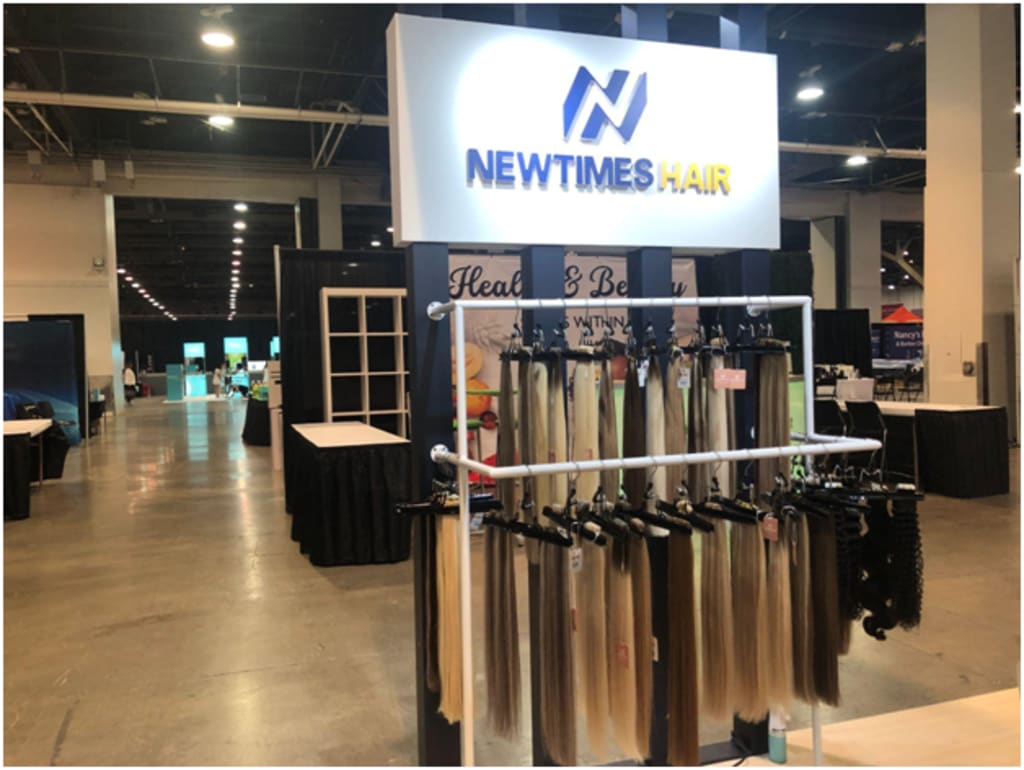
Newtimes Hair keeps direct control over its entire supply chain. That cuts down on the gaps where important sourcing details somehow get lost. Their ethical sourcing statement clearly spells out exactly how the hair gets collected, sorted, and processed.
This factory-to-salon setup makes it way easier to check their facts, rather than just trusting empty third-party promises.
So once the ethics check out, your next move is figuring out how these sourcing choices actually impact your daily business operations.
The Business of Sourcing: Negotiating Professional Terms
Wholesale pricing looks simple on paper, but real logistics get messy fast. Payment terms, shipping delays, and inconsistent batches will quickly eat into your profits if you don't lock down the details early. A clear rule works well here: always link your payments to delivery checkpoints instead of empty promises. Split payments—like 30% upfront and 70% after inspection—cut your risk. Pricing alone won't protect you, though. Your real safety net is exactly how you handle faulty orders.
Negotiating Professional Return Agreements for Defective Batches
Solid return agreements cover your back when a wholesale hair supplier delivers product that sheds, tangles, or completely fails after the install.
Push for written terms that let you file claims 7–14 days post-installation, not just before you use the hair. Include photo proof, client feedback, and batch tracking to back everything up. This matters a lot when you're looking at Remy Hair versus non-Remy differences, since quality issues usually pop up late.
Once your returns are fully covered, you can shift gears to turning those reliable products into your own brand.
Custom Branding and Packaging with Newtimes Hair
Custom branding takes you from a basic buyer to a true brand owner. You aren't just a reseller anymore.
Newtimes Hair offers private labeling, so you can package extensions right under your salon's name. That builds instant trust. Plus, it lets you set your own prices instead of fighting over standard wholesale rates alone.
As your brand expands, you'll naturally need to match products to specific install methods and what your clients actually want.
Application-Specific Sourcing: Tape-ins vs. Sew-in Wefts
Different install methods need different hair quality—there's no magic bundle for everything. Tape-in extensions need super-flat, clean wefts with even thickness so they lay flush against the scalp. Sew-in wefts? They need to handle the pulling from braiding and stitching. Because of that, being tough matters way more than being thin. **Remy Hair** is the safe bet for both, mostly because the aligned cuticles stop tangling when people wear them. Pick based on how the hair gets used, not just how good it looks in a bulk order. And that brings us right to how bonding materials actually hold up in the real world.
Evaluating Adhesive Strength and Keratin Bond Integrity
Tape-in extensions need a tough glue that survives washing, heat styling, and everyday life. Medical-grade tape should lock in for weeks, but still peel off clean without leaving a sticky mess. Weak glue makes the tapes slip straight out. But tape that's too strong can actually ruin natural hair.
Keratin bonds in fusion setups play by different rules. Top-tier keratin melts evenly, then hardens again without cracking. This keeps the strands locked in without feeling overly stiff. Cheap keratin gets brittle fast and leads to shedding. When you buy stock, always test out the stickiness and the flex. This is exactly where a lot of suppliers drop the ball. That's why having a quick vetting checklist is an absolute must.
The Professional Vendor Interview Scorecard
A solid hair vendor checklist stops you from guessing—and from making expensive stock mistakes. When you talk to Wholesale Hair Vendors, you're not just buying bundles. You're actually testing their reliability, honesty, and long-term fit. Keep this quick scorecard handy during your calls so you judge every supplier the exact same way, starting with hair quality.
- **Hair Type Clarity:** Just ask them straight up—is it Remy Hair or non-Remy? True Remy needs to have aligned cuticles with barely any tangling after a wash. If they try to dodge the question, run. That's a huge red flag.
- **Processing Details:** Find out about bleaching, dyeing, or silicone coatings. Heavy chemical work usually cuts the lifespan short.
- **Weft & Bond Quality:** Always check the stitching strength or how solid the keratin feels. Weak builds just lead straight to shedding.
- **Consistency Across Batches:** Ask for proof that bigger orders will actually match your sample. Buying one great bundle means nothing if your next box drops in quality.
- **Return & Support Policy:** Crystal clear terms matter. Vague answers almost always mean a massive headache later on.
- **Brand Reputation:** Stick to established names. Suppliers like Newtimes Hair tend to give you much better consistency with their grading and backing.
Rate each of these areas from 1 to 5, then stack the vendors side by side. The clear winners show up fast. Plus, it points you right toward understanding the true ROI of sourcing top-tier hair.
Conclusion: The Long-Term ROI of Quality Sourcing
Strict vetting pays off with steady client retention and better salon margins. When a Professional Stylist picks true Remy over non-Remy, the results just last longer. Shedding goes down, and rebooking rates go up. Clients spot the difference fast, and they come right back.
Quality sourcing also makes Salon menu integration a whole lot easier. Fewer complaints mean fewer redo services, which protects your time and your bottom line. A reliable partner like Newtimes Hair delivers consistent batches, so your installs match up perfectly every single time.
It's simple math. Paying a slightly higher price upfront cuts down your long-term spend on replacements and quick fixes. Better results build trust. And trust is exactly what keeps your chairs full.
Frequently Asked Questions About Hair Sourcing
What is the difference between ethically sourced and raw hair?
Raw means zero chemical processing. Ethically sourced means the donor was actually paid and consented. You can buy raw hair that was exploited, and ethical hair that's dyed. Don't mix them up.
How can you verify if hair extensions are ethically sourced?
Demand paper trails. Real traceability shows exactly where the hair originated and proof of donor compensation. If a supplier dodges questions about their supply chain, it is just marketing hype. Walk away.
What are the signs of low-quality synthetic hair blends?
Burn a strand. Human hair ashes and smells like burnt feathers. Synthetics melt into hard plastic beads. Wash the bundle with clarifying shampoo too. If it instantly mats up, they hid cheap blends under a silicone coating.
How much do you tip for $1000 hair extensions?
15 to 20 percent. That is 150 to 200 bucks. If the salon owner does the install, tipping isn't strictly mandatory. But for an hours-long custom job, dropping a solid 100 is standard courtesy.
About the Creator
Leo
Passionate men's hairstylist with a keen eye for detail and a knack for creating on-trend looks. Dedicated to delivering hair restoration education that enhances individual style.
Enjoyed the story? Support the Creator.
Subscribe for free to receive all their stories in your feed.
Comments
There are no comments for this story
Be the first to respond and start the conversation.