
The New Salon Color Edit: Four Hair Extension Color Directions Shaping 2026
2026 Salon Hair Extension Color Trends: Platinum, Brunette & Balayage | Newtimes Hair

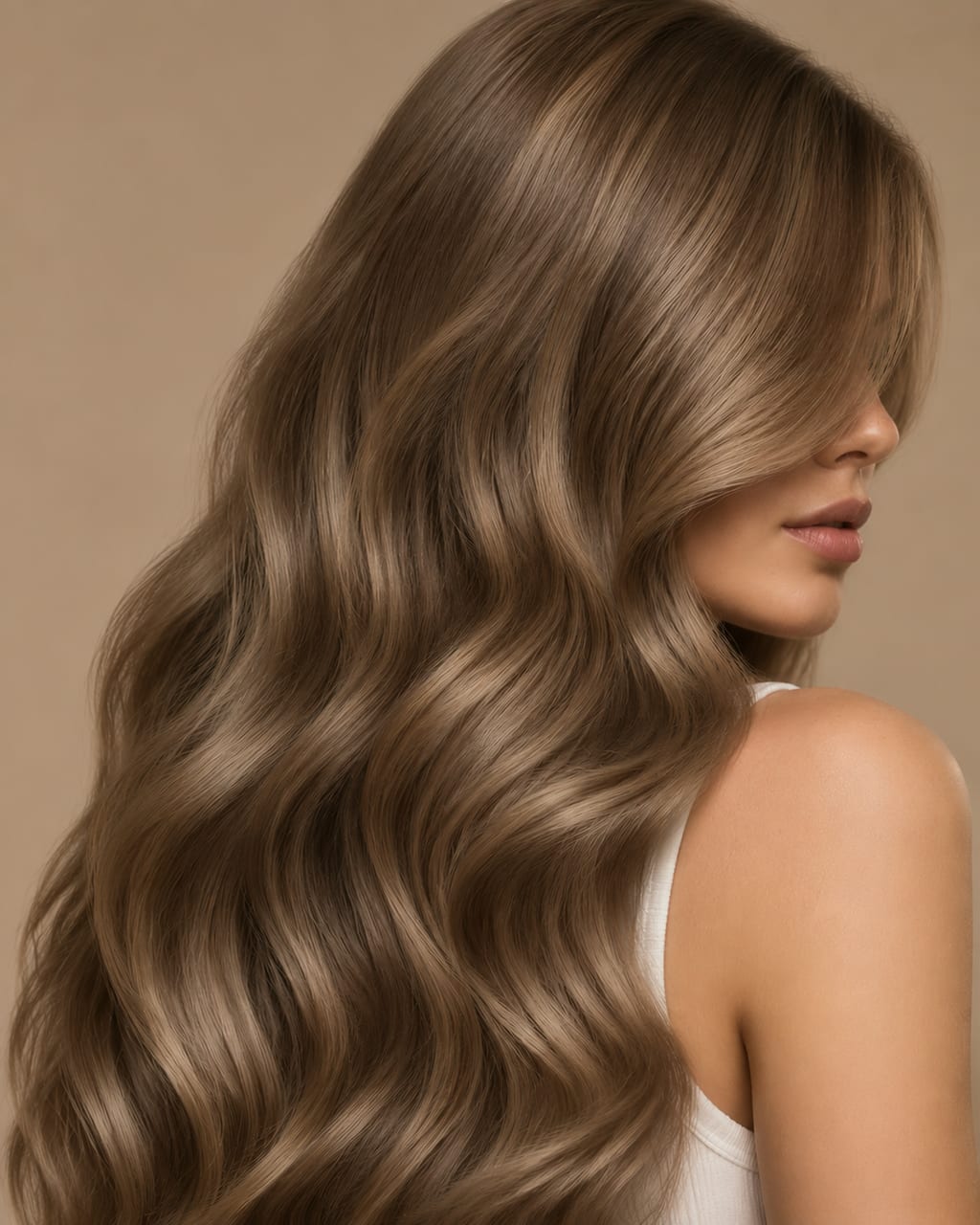
Hair color conversations in 2026 are less about one dominant shade and more about how color is built: the balance of warm and cool undertones, the way light moves across highlights and lowlights, and the finish that makes a look feel polished yet personal. For professional hair extension services, that shift makes color selection more nuanced than simply matching a base shade.
Recent industry coverage reflects this broader palette. Hairdressers Journal's September 2026 salon color feature explores creamy blondes, elevated natural color, dimensional work and color melting through interviews with salon professionals. Vogue's 2026 hair color forecast highlights Ice Beige Blonde, while Allure's 2026 hair trends report identifies Metallic Platinum as a statement direction. These are editorial forecasts and professional observations, not a ranking of global hair-color sales, but they offer a useful snapshot of the shades and techniques being discussed in salons.
Key Takeaways
The 2026 salon color conversation is diverse: it includes muted brunettes, cool metallic platinum, softer beige blondes and multi-tonal color.
Smoked brunette references show how ash and warmth can work together to create depth without a flat, single-tone finish.
Metallic Platinum represents a distinctly cool, reflective blonde direction, while Ice Beige Blonde balances champagne coolness with buttery warmth.
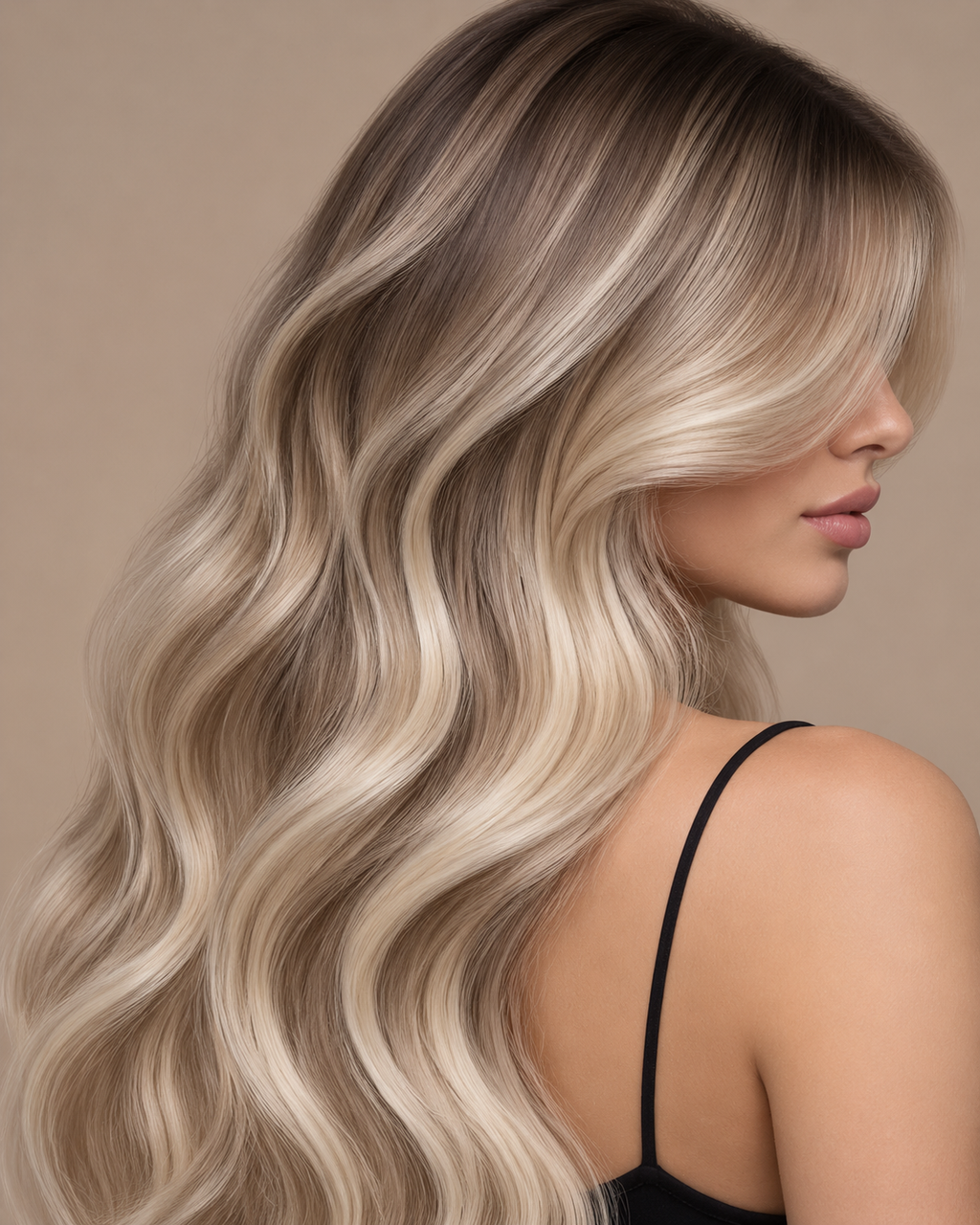
Highlights, lowlights, soft balayage and color melting help create the depth and blended transitions associated with dimensional blonde looks.
For professional hair extensions, shade selection should consider the client's base color, undertone, highlights, lowlights and the area where the extensions will blend.
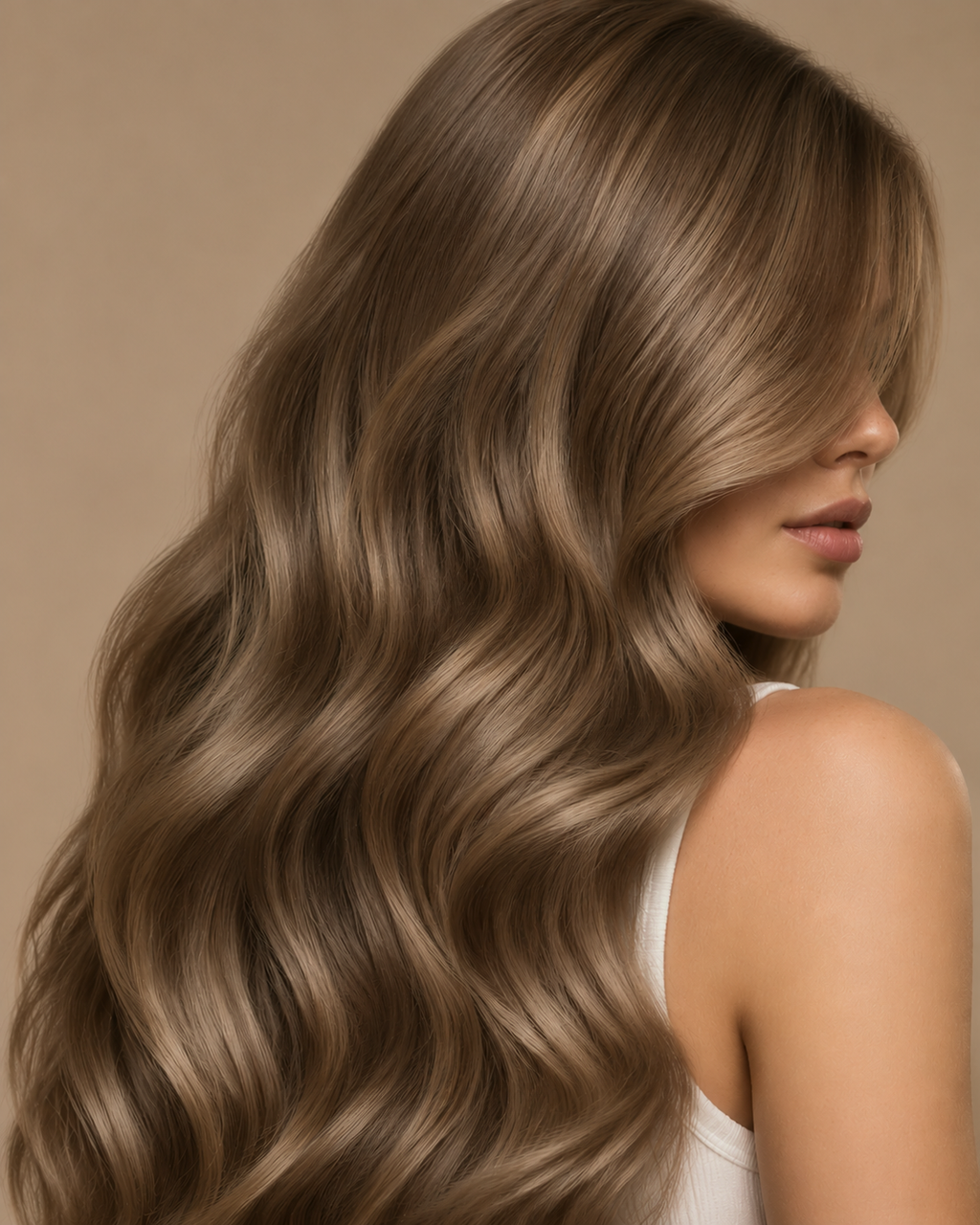
1. Muted Brunette: Tawny Warmth with a Smoky Edge
Brunette color is not limited to one flat depth. Some of the most interesting brunette references combine a rich brown base with softer tonal variation.
In its August 2026 feature on Smoked Suede Brunette, Glamour describes a deep brown with cool lowlights and blended movement. Colorist Jacob Schwartz discusses the effect of subtle ashiness layered into warmth, creating a soft, smoky and dimensional result. The shade itself is deeper than a tawny brown, but the balance of warm depth and muted ash is relevant to the wider brunette direction.
A related warm reference appears in Allure's coverage of Teak, which describes a golden-brown base with honey-amber reflection. Together, these looks illustrate two complementary ways to add character to brunette: cool, smoky dimension or sun-warmed tawny depth.
For extension specialists, this direction highlights the importance of balancing warmth and coolness rather than relying on a uniform brown. One example is #6N Sunset Brown, which uses a tawny warm brown base but subtly incorporates ash-beige undertones to neutralize traditional red or brassy tones. This balance makes it brighter and more approachable than a deep smoked brunette, while avoiding the flat, heavy look of pure warm shades—making it ideal for creating muted dimension.
2. Metallic Platinum: A Cool, Reflective Blonde
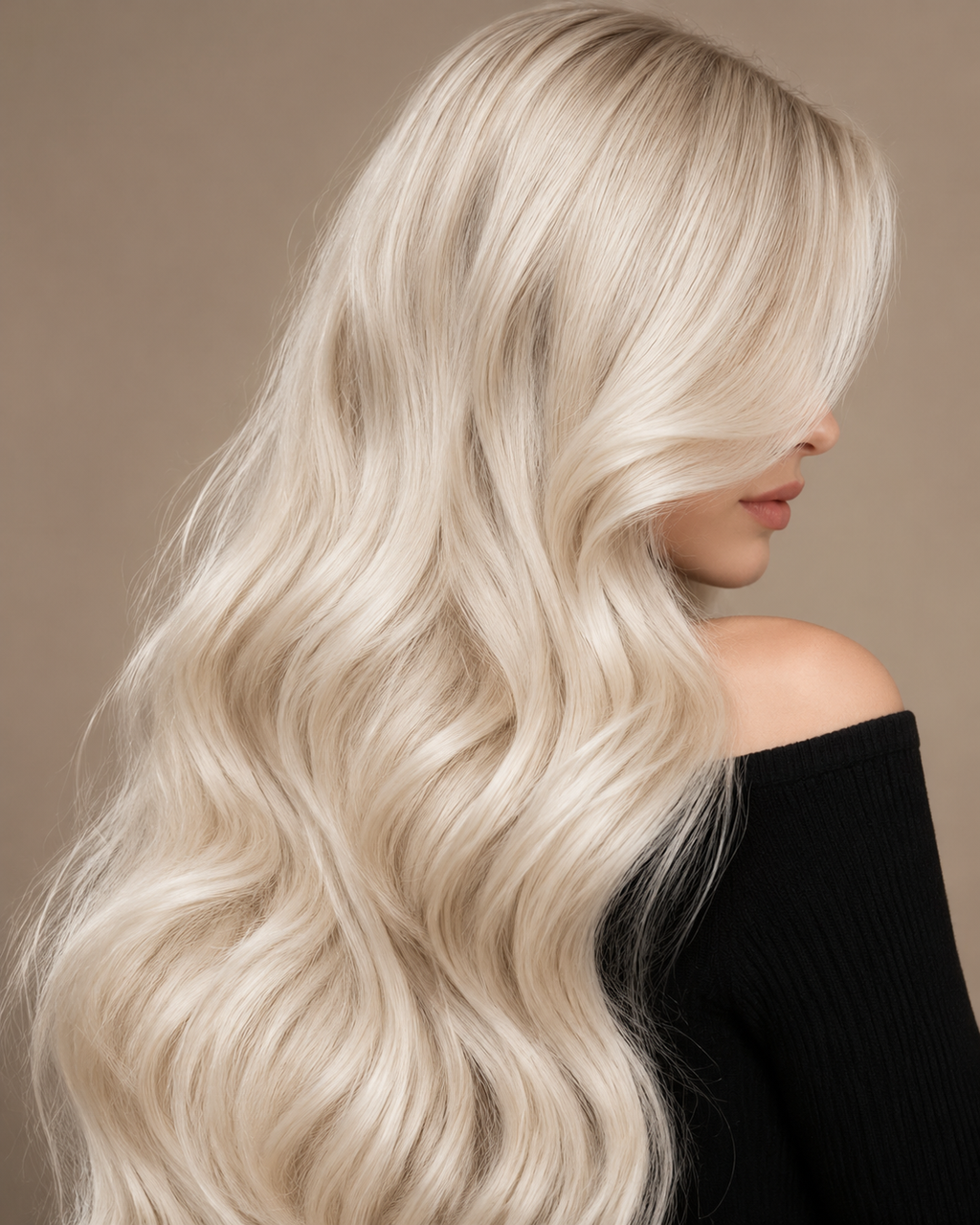
At the cooler end of the blonde spectrum, metallic platinum offers a more striking alternative to creamy or beige blondes.
Allure's 2026 hair trend forecast describes Metallic Platinum as a frosty, very cool blonde with an ultra-reflective, futuristic finish. The article includes insight from hairstylist Deisy Alfaro, who connects the look with a reflective silver effect.
For salons working with cool-toned blonde extensions, the distinction between silver-platinum and warmer beige blondes matters during color matching. #1002 Stardust Silver offers an example of the cooler direction, with a silver-platinum tone and a distinctly cool finish. It can serve as a reference when comparing bright blonde shades with different underlying tones.
3. Softened Platinum & Ice Beige: The Cool-Warm Balance
Not every blonde direction is icy.
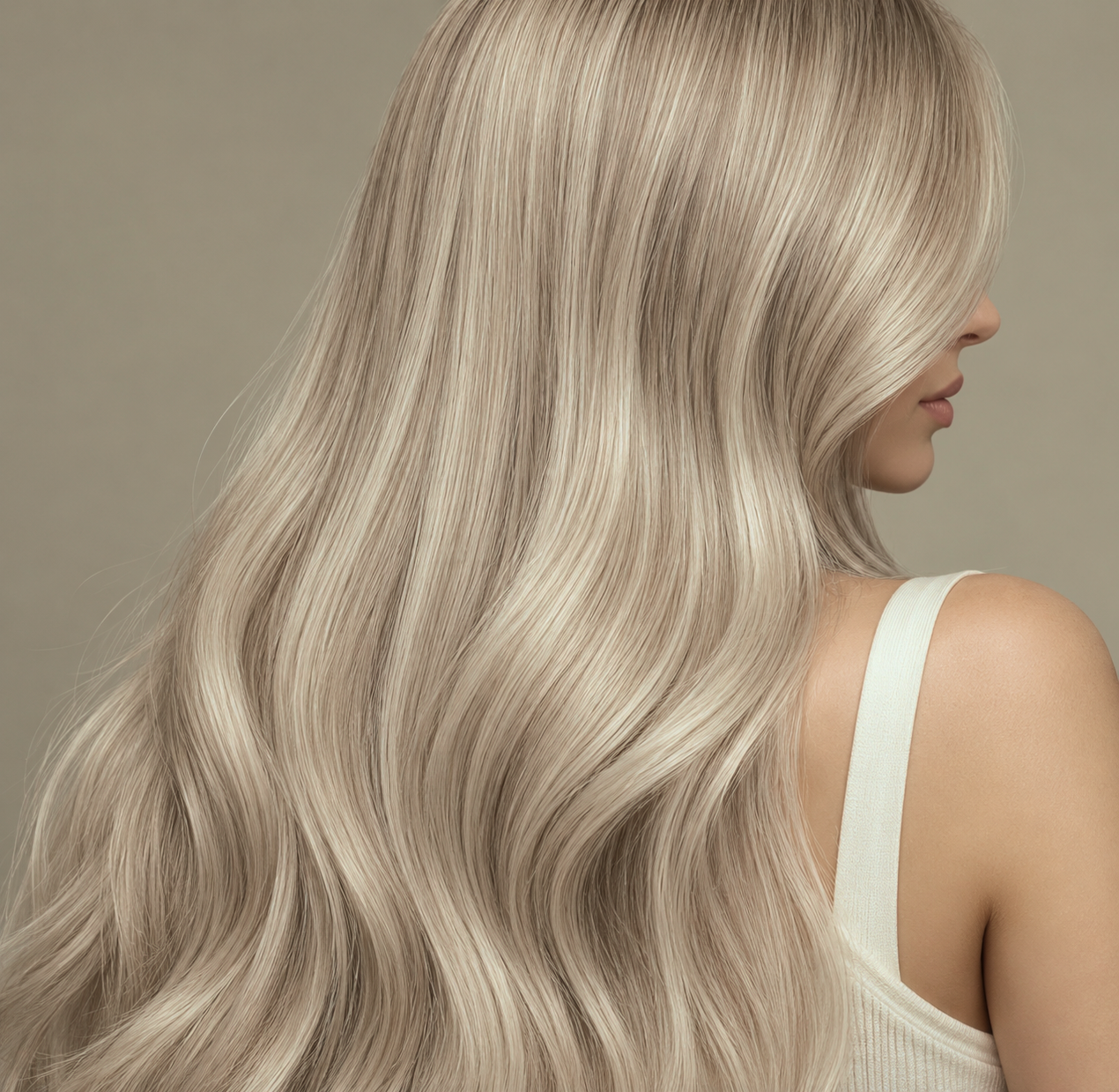
In its forecast for 2026, Vogue identifies Ice Beige Blonde as a shade that balances buttery warmth with a cool champagne undertone. Celebrity colorist Cass Kaeding describes it as a blend of warm and cool tones, with warmth that avoids a brassy appearance. The emphasis is on a brighter-looking blonde with a softer tonal balance.
The salon observations in Hairdressers Journal's Big Salon Census point in a similar direction: stylists discuss creamy, buttery and champagne blondes, as well as finishes that look healthy and polished rather than over-processed. These references make beige and champagne tones useful context for a softer platinum blend.
This balance of warm and cool tones is also relevant to extension shade selection. For clients wanting to explore platinum without the starkness of a pure silver tone, #P18A/1001 Moonlight Platinum offers a perfect compromise. It combines a cool platinum base with soft, warm beige undertones. The contrast between these two platinum directions shows why undertone matters as much as overall lightness when selecting extensions.
4. Dimensional Blonde: Highlights, Lowlights and Seamless Blending
A blonde result can look very different when it combines more than one tone.
In the September 2026 Hairdressers Journal salon color feature, OSMO Ambassador Jake Nugent discusses combining highlights with lowlights to make blonde color stand out. JOICO EMEA Color Ambassador Dan Spiller describes color melting as a way to blend shades and avoid hard lines or abrupt transitions. The same feature also highlights soft balayage and lived-in color as techniques that continue to evolve in salons.
As Vogue correctly predicted in its earlier coverage of color melting, this seamless technique has evolved from a seasonal trend into a core foundation of modern salon color services for 2026. It describes the gradual transition between shades, with depth at the root, a softer shift through the mid-lengths and a lighter finish toward the ends. Color melting and balayage are not identical techniques, but both can contribute to a blended, multi-tonal result.
For extension services, dimensional color introduces another consideration: the placement and balance of lighter and darker tones. #B13/50 Twilight Blonde illustrates this approach through an ash-beige balayage blend with soft platinum highlights and deeper lowlights. Beyond the overall shade, stylists can consider how these tonal variations align with a client's existing highlights and mid-lengths.
What These Color Directions Mean for Professional Hair Extensions
For extension specialists, trend awareness is most useful when it informs a careful color consultation. A successful match involves more than choosing the closest base shade. Stylists also need to consider the client's undertone, the distribution of highlights and lowlights, the mid-lengths and ends, and the area where the extensions will blend with the natural hair. A physical color ring and assessment in suitable lighting can help confirm the final choice.
Pre-blended extension shades can give salons a ready-made starting point for creating brunette, platinum, beige-blonde and balayage-inspired looks. They do not replace individual color matching, but they can expand the options available during consultation and service planning.
From Color Trends to Practical Extension Solutions
Understanding 2026’s color directions is only the first step; efficiently replicating these complex shades in the salon is key to elevating service value. To provide actionable solutions for these four core color trends, Newtimes Hair has engineered these four new shades into its professional human hair extension collection. They are available in seamless Genius Weft extensions in 18-inch and 22-inch lengths.
Beyond the weft formats, salons can customize application methods to suit different hair types and lifestyle needs, with Flat-Tip, U-Tip, Tape-In, Injection Tape-In, I-Tip, Nano Ring, Machine Weft and Hand-Tied Weft available on request. This ensures that both the dimensional color blend and the structural application are perfectly tailored.
The wider professional collection lists 32 shades, and updated color rings incorporating the four additions are available from October 20, 2026. Because screen images may not fully represent a shade's undertones, checking a physical color sample in suitable lighting can help salons make more informed decisions.
Further shade references and extension-method information are available in the Newtimes Hair professional human hair extensions collection, where salons can explore options before confirming a match.
Frequently Asked Questions
What are the key hair color trends for professional extensions in 2026?
Industry forecasts and salon features point to several directions rather than one universal trend: muted and dimensional brunettes, metallic platinum, softer beige and champagne blondes, and multi-tonal blonde work using highlights, lowlights and blended transitions.
Is blonde still a popular hair color direction in 2026?
Blonde remains part of the 2026 salon conversation, but the palette is varied. Allure highlights cool Metallic Platinum, Vogue discusses Ice Beige Blonde, and Hairdressers Journal reports salon interest in creamy, buttery and champagne blondes. These are trend observations, not proof that one blonde shade leads sales in every market.
What is the difference between Metallic Platinum and Ice Beige Blonde?
Metallic Platinum is a distinctly cool, frosty blonde with a reflective silver finish. Ice Beige Blonde balances cool champagne with buttery warmth, creating a softer blonde direction rather than an icy silver effect.
What makes a blonde hair extension shade look dimensional?
Dimension comes from tonal variation, such as a combination of lighter highlights and deeper lowlights. Balayage-inspired blends and color-melting effects can create a gradual transition between shades, rather than a single, uniform blonde.
How do undertones affect hair extension color matching?
Two shades can appear similar in depth yet blend differently if one is cooler and the other warmer. Stylists can compare undertones through the client's mid-lengths and ends in suitable lighting, ideally using a physical color sample rather than relying on screen images alone.
Why compare highlights and lowlights before choosing extensions?
On dimensional hair, highlights and lowlights affect how an extension blends with the natural color. Comparing their placement, contrast and transitions where the extensions will sit is more useful than matching only the lightest or darkest visible strand.
About the Creator
Leo
Passionate men's hairstylist with a keen eye for detail and a knack for creating on-trend looks. Dedicated to delivering hair restoration education that enhances individual style.
Enjoyed the story? Support the Creator.
Subscribe for free to receive all their stories in your feed.
Comments
There are no comments for this story
Be the first to respond and start the conversation.