
The Hair System Revolution of 2026: How One Salon Owner Built a Thriving Business in the New Era of Hair Replacement
Why Hair Systems Are Becoming the Fastest-Growing Opportunity in the Beauty Industry

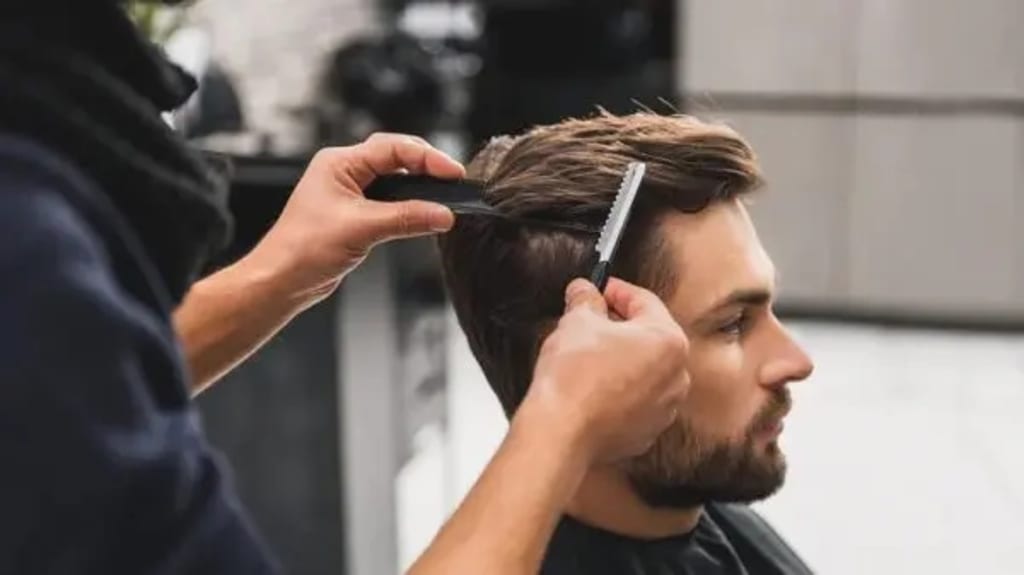
In 2026, one of the most significant transformations in the beauty and grooming industry isn't happening on fashion runways or social media trends—it's happening inside barbershops, salons, and hair replacement studios around the world.
As hair loss affects millions of men and women globally, demand for non-surgical hair replacement solutions continues to grow. What was once considered a niche service has evolved into a multi-billion-dollar industry driven by innovation, customization, and changing consumer attitudes toward appearance and confidence.
For salon owners and beauty entrepreneurs, hair systems have become more than a service—they've become a business opportunity.
This is the story of how one salon owner embraced the hair system industry and transformed his business.
From Declining Revenue to a New Business Model
When Michael opened his men's grooming salon in 2018, business was steady. Traditional haircuts, beard trims, and styling services generated consistent revenue.
But by 2024, competition had intensified.
New barbershops were opening every month. Online booking platforms increased price transparency. Customers became more selective about where they spent their money.
"We were working harder than ever, but profits weren't growing," Michael recalls.
Then something unexpected happened.
A longtime client in his early 40s asked whether the salon offered hair replacement solutions.
The client had been struggling with hair loss for years and wasn't interested in medication or surgery. He wanted a solution that looked natural and provided immediate results.
At the time, Michael knew very little about modern hair systems.
That question changed everything.
Discovering the Modern Hair System Industry
Like many people, Michael's understanding of hairpieces was outdated.
He imagined thick, unnatural-looking toupees from decades ago.
What he discovered instead surprised him.
Modern hair systems feature ultra-thin skin bases, breathable lace materials, customized densities, realistic hairlines, and human hair that closely matches a client's natural appearance.
The industry had evolved dramatically.
More importantly, clients were willing to pay premium prices for professional consultation, customization, installation, and maintenance services.
Michael realized that hair systems offered something traditional haircuts could not:
Long-term recurring revenue.
Unlike a haircut that might generate revenue every few weeks, a hair system client often requires:
Initial consultation
Custom system ordering
Professional installation
Monthly maintenance
Replacement systems throughout the year
The business potential was substantial.
Finding the Right Manufacturing Partner
As Michael researched suppliers, he quickly learned that product quality determines customer satisfaction.
A poor-quality system could damage a salon's reputation.
A high-quality system could create loyal clients for years.
After evaluating multiple manufacturers, he began working with Bono Hair, a professional hair system manufacturer known for supplying salons, distributors, and hair replacement businesses worldwide.
Several factors stood out:
Consistent Product Quality
Clients expected natural results.
Bono Hair offered a wide range of lace, skin, and hybrid hair systems designed to meet different client needs and budgets.
Customization Options
Every client's hair loss pattern is different.
Custom color matching, density selection, base sizes, and hairline designs allowed Michael to provide highly personalized solutions.
Business Support
Beyond manufacturing, reliable communication and production consistency helped streamline the salon's ordering process.
For a growing hair replacement business, dependable suppliers became as important as attracting new customers.
The Transformation
Within six months of introducing hair system services, Michael noticed dramatic changes.
The average customer value increased significantly.
Clients who previously visited once every few weeks now returned regularly for maintenance appointments.
Word-of-mouth referrals accelerated growth.
Perhaps most importantly, client satisfaction reached new levels.
Many customers described the emotional impact of restoring their appearance and confidence.
One client had avoided social events for years because of severe hair loss.
After receiving a customized hair system, he began dating again and eventually got married.
Another client received a promotion after feeling more confident during interviews and business meetings
Hair systems weren't simply changing hairstyles.
They were changing lives.
The Business Trends Defining Hair Systems in 2026
The industry's growth is being driven by several major trends.
1. Natural Appearance Is Everything
Today's clients demand undetectable results.
Advancements in lace technology, skin bases, and ventilation techniques have raised expectations across the market.
2. Customization Is Becoming Standard
Clients no longer want one-size-fits-all solutions.
Customized hair systems are increasingly becoming the preferred option for salons and hair replacement professionals.
3. Social Media Is Reducing Stigma
Platforms such as YouTube, TikTok, and Instagram have normalized discussions around hair loss.
Consumers are more informed and more willing to explore non-surgical solutions.
4. Subscription-Based Maintenance Models
Many successful studios are introducing membership programs that combine maintenance services with replacement schedules.
This creates predictable recurring revenue while improving customer retention.
5. Global Manufacturing Partnerships
Professional suppliers like Bono Hair are helping salons scale their businesses by providing reliable production, custom solutions, and international shipping capabilities.
Why More Salon Owners Are Entering the Hair System Market
The beauty industry continues to evolve.
Successful businesses are no longer relying solely on traditional haircut services.
Hair systems offer a unique combination of:
High customer satisfaction
Recurring revenue
Premium service pricing
Strong referral potential
Growing market demand
For salon owners looking to diversify their offerings, the hair replacement industry represents one of the most promising opportunities available today.
Final Thoughts
The hair system industry of 2026 reflects a broader shift happening throughout the beauty world.
Consumers increasingly value personalization, confidence enhancement, and immediate results.
For entrepreneurs, salon owners, and distributors, this creates a remarkable opportunity.
Michael's story is not unique.
Across North America, Europe, Australia, and Asia, thousands of professionals are building thriving businesses around modern hair replacement solutions.
The future of hair systems isn't simply about replacing hair.
It's about restoring confidence, creating sustainable businesses, and helping people look and feel like the best version of themselves.
And for many growing salons, that future has already begun.
About the Creator
Leo
Passionate men's hairstylist with a keen eye for detail and a knack for creating on-trend looks. Dedicated to delivering hair restoration education that enhances individual style.
Enjoyed the story? Support the Creator.
Subscribe for free to receive all their stories in your feed.
Comments
There are no comments for this story
Be the first to respond and start the conversation.