
The Best Hair Extension Wholesalers That Support Private Labeling and Branding
Top Private Label Hair Extension Wholesalers & Suppliers

The Best Hair Extension Wholesalers That Support Private Labeling and Branding
Pairing wholesale hair vendors and suppliers with private labeling lets you buy high-quality hair, then sell it under your own brand name. This setup turns salon owners and stylists from basic resellers into true brand owners. You're suddenly in full control of your pricing, identity, and growth. Knowing the real difference between a regular vendor and a private label partner is step one in your branding journey.
Key Takeaways
- Source directly from manufacturers, not resellers, to maximize profit margins and maintain strict quality control over your hair extensions.
- Leverage private labeling to prevent online price-shopping, build customer loyalty, and justify premium pricing.
- Finalize vector logo files and exact color codes before contacting suppliers to ensure flawless packaging design.
- Budget for hidden setup fees and anticipate that packaging minimum order quantities (500+) far exceed hair MOQs.
- Always order sample packs to rigorously test hair durability and washability before committing to bulk inventory.
Understanding the Difference Between a Hair Vendor and a Hair Manufacturer
Hair Manufacturers, China Suppliers, and Vietnamese Hair Factories sit at completely different spots in the supply chain. That directly impacts your prices and control. Manufacturers make the hair right in-house. A vendor or reseller just buys from them and slaps on a markup. This gap eats into your margins and limits how much you can really customize. Knowing exactly who you're dealing with shapes your brand decisions, starting with why going direct makes absolute sense.
Why Sourcing Directly from Manufacturers Matters for Branding
Going direct usually gets you cheaper wholesale rates and much clearer quality control. When you place bulk orders straight with a manufacturer, you completely dodge the extra middleman fees. You get right to the actual source of the hair.
You also get to call the shots on details like Remy or Virgin grading, bundle consistency, and packaging. That's a big deal if you want your brand to feel incredibly consistent. And this leads right into how private labeling hands you even more power over your product.
The Risks of Using Third-Party Resellers for Private Labeling
Resellers might seem extremely convenient, but they bring up a lot of red flags. Quality can swing wildly from batch to batch, and you probably won't know the true origin of the hair. That makes it incredibly hard to promise your clients consistent results.
Packaging is another massive weak spot. Many reliable wholesale hair vendors won't let you fully control the labels since they aren't the real source. That roadblock is exactly why doing private labeling with a direct partner is the smartest move you can make.
The Strategic Benefits of Selling Private Label Hair Extensions
Private labeling gives hair pros total control over how they price, sell, and show off their products. It turns basic bundles into a branded vibe clients can’t just Google and replace. For stylists and salon owners, this means better client retention and a clearer brand story. It's a smart business move that protects your hard work and reputation. The biggest perk starts with how people view and come back to your business.
Building Brand Equity and Customer Loyalty
Private labeling kills “showrooming” before it even starts. When you sell unbranded human hair extensions, clients might hop online to find that exact same texture for a lower price. Suddenly, your skills get cut off from the product you're selling.
Custom branding ties the whole experience back to you. Clients match that premium quality with your salon, not some random online shop. That builds real trust and keeps them walking through your door.
Over time, your brand's story becomes the main reason they buy—not just the hair. And once you lock that foundation in, you can start making the numbers work for you.
Higher Profit Margins Through Exclusive Branding
Exclusive branding bumps up the perceived value fast. The exact same bundles feel so much more high-end and professional when dressed up in clean branding and packaging.
This shift lets you ditch basic wholesale prices. Instead of racing to the bottom on cost, you get to price based on experience and trust. Simple as that.
Profit margins go up because clients are buying into your brand, not nitpicking raw hair listings. Once you have that pricing power locked down, you can focus fully on building and running that brand from the ground up.
How to Start a Hair Business with Private Labeling: The Step-by-Step Playbook
Kicking off a hair brand with private labeling really boils down to two things: tight branding and solid product quality. Salon owners who act fast on both usually see results within the first few client cycles. You're not just buying hair. You're building an identity people actually want to buy. The whole process starts with your visual brand, then moves into grabbing real inventory through Sample Packs.
Step 1: Defining Your Brand Identity and Logo Files
You need actual, usable design files before you even think about hitting up a supplier. Ask your designer to send over vector files (AI or EPS) and some PNGs for packaging mockups. You'll also want those exact hex color codes and font names. This keeps your Branding & Packaging perfectly consistent across boxes, tags, and labels. Simple.
Custom branding only hits the mark when everything matches up. Logo placement, color tone, and even text spacing matter. If your files are missing pieces, production drags out or just looks wrong. But once your design kit is locked in, you can start sourcing the physical product.
Step 2: Vetting Wholesalers for Ethical Sourcing and Quality
Base your first filter on hair quality, not the price tag. Remy Hair keeps the cuticles perfectly aligned. Virgin Hair hasn't been chemically processed at all. Both are great options, but only if the supplier ethically sources and handles them right.
Ask them direct questions. Where do they collect the hair? Is it single-donor or mixed? Then, back up their answers by testing Sample Packs. Wash, install, and restyle the hair yourself. Real quality shows up after two or three washes—not straight out of the bag. That's it.
Top-Rated Wholesale Hair Extension Manufacturers for Private Labeling
Good Wholesale Hair Vendors/Suppliers share two main things: clear sourcing (Remy or Virgin) and steady stock. They're often backed by USA Warehouses to get orders out faster. If you're a beginner, this cuts down on bad quality surprises. If you're a pro, it means consistent installs and keeping your clients happy. Look for suppliers who share real sourcing info and don't hide their samples. Then, narrow your list based on who handles custom orders best. Let's look at one major standout first.
Newtimes Hair: Leading the Way in Custom Branding and Men’s Systems
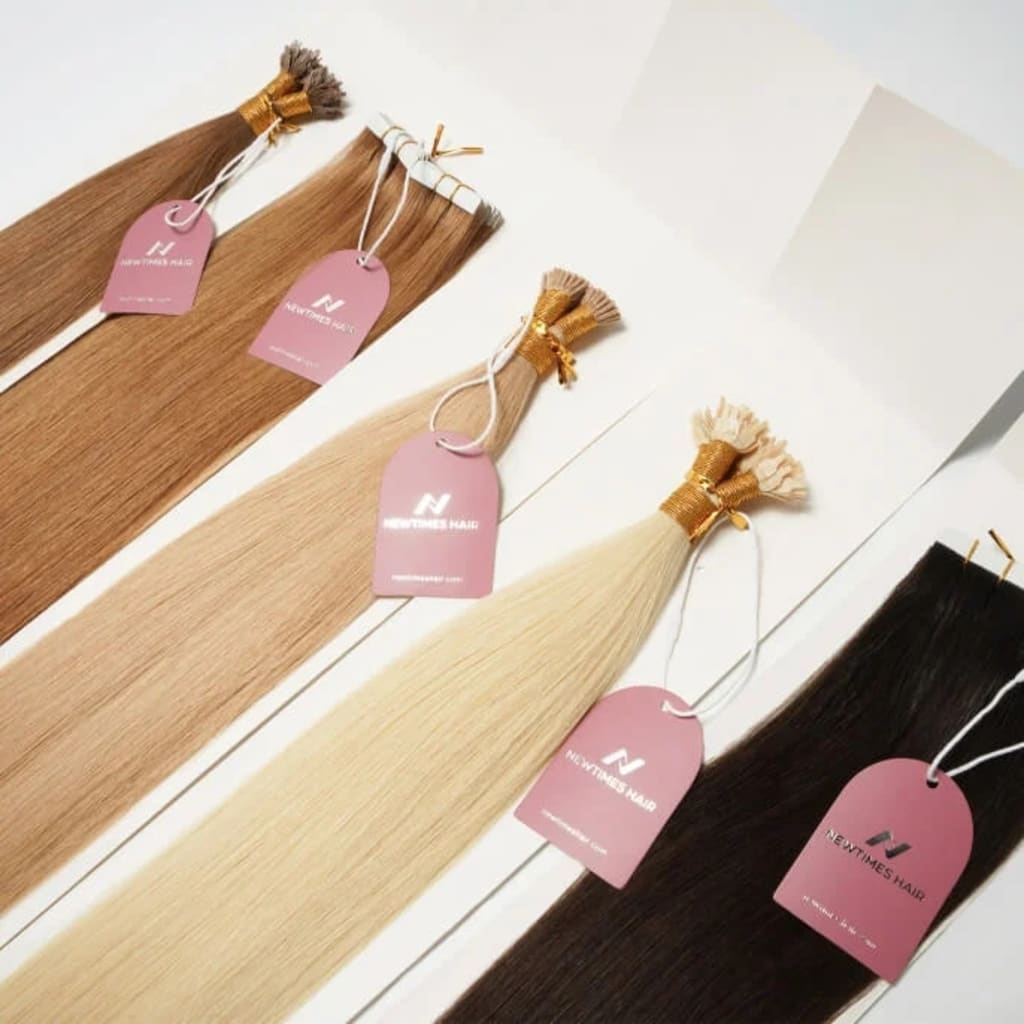
When it comes to full-range private labeling at Wholesale Prices, Newtimes Hair really shines. They carry Men’s Hair Systems, Hair Toppers, and extensions, all backed by clear sourcing details. Stylists can grab sample packs to test the waters and scale up later without jumping to a new vendor. Their biggest strength is custom work. Think personalized labels, branded packaging, and reliable quality in every single batch. It's a solid choice before you start comparing different regional factories.
Comparing Chinese vs. Vietnamese Hair Factories for Private Labeling
China Suppliers give you serious scale, quicker turnaround times, and way more custom options. But Vietnamese Hair Factories put all their focus on raw quality. You'll often find Double Drawn hair with much thicker ends here. If you want to grow a brand with tons of variety, China is your best bet. Vietnam works better for premium lines sticking to just a few SKUs. Your pick directly impacts your lead times and product consistency. Next up, we'll look at how shipping from these different hubs changes your schedule.
Essential Branding and Packaging Options for Hair Extensions
Branding and packaging completely shape how your hair looks before a client ever lays a finger on it. For Lace Frontals and 5x5 Closures, the right packaging also keeps that delicate lace safe right through transit. A lot of new salon owners only care about hair quality and completely ignore these physical details. Big mistake. Your packaging directly changes perception, storage, and shipping weight. So, start by picking out the outer look. That single choice drives absolutely everything else.
From Silk Bags to Magnetic Boxes: Choosing Your Aesthetic
Silk bags keep Hair Wefts light and flexible. This drops shipping costs by up to 20% compared to rigid boxes. They're super easy to stash away, but they definitely don't give you much structure for stacking or retail display.
Magnetic boxes just feel premium. Plus, they hold shape way better, especially for bundles and closures. But they pack on extra bulk and drive up shipping fees for every single order. Custom branding—think foil stamping or embossing—also needs thicker material. That piles on even more weight and cost, leading right into how your actual logo gets applied.
The Technical Side: Hang Tags, Satin Wraps, and Care Cards
Small add-ons signal professionalism instantly. Hang tags loaded with batch info, satin wraps to fight frizz, and care cards for Tape-in Extensions or Clip-ins. They all matter. They cut down on returns and actually help clients take care of the hair the right way.
Your printing methods—heat transfer, stitched labels, or sticky tags—will jumpstart changes in both durability and price. A stitched label holds up longer, but it's going to cost you more per unit than a basic tag. These details might feel really minor right now. Still, they quietly eat into your total spend over time.
Transparency: The Hidden Costs of Private Labeling You Must Budget For
Private labeling seems simple at first glance. But packaging adds real costs fast. Die-cut molds, printing plates, and Minimum Order Quantity (MOQ) rules can push your starting budget way higher than you might expect. Lead times also stretch out once you go custom. You'll often wait an extra 2–4 weeks before production even starts. Fail to plan for this early, and your launch stalls. The biggest trap most beginners fall into? Not realizing how packaging MOQs differ from actual hair orders.
Understanding Packaging MOQs vs. Hair MOQs
Packaging MOQs are usually much higher than the ones you get for hair. Most Wholesale Hair Vendors let you start with just 10–20 bundles. But packaging suppliers? They often demand 500–1,000 units per design.
So you're essentially committing to bulk orders of boxes or bags way before you even know if the product sells. Suddenly, storage and cash flow become huge issues. This hits new salon owners especially hard.
This mismatch forces a tough choice. You either stick with standard packaging for now, or you invest early in custom branding. Which brings us directly to how you should test everything before going all in.
Plate Charges and Design Fees: What to Expect
Custom branding and logo packaging always carry setup fees. You pay these before a single box even gets printed. Plate charges for things like foil stamping or embossing usually run about $50–$150 per design. You pay this once per mold.
Your design files might need some tweaking, too. That adds another $30–$100 depending on how complex the art is. These are fixed costs, sure. But they absolutely bump up your real starting budget.
Once those are cleared, your per-unit price drops. But that only happens if you order enough volume. So the real question is how to cut down your risk before trying to scale up.
How to Test Hair Quality and Branding Durability Before a Bulk Order
A bulk order locks up your money, so testing it first is an absolute must. Get sample packs and treat them like a real trial run instead of just a box to check. You're figuring out how to test hair quality and checking if the supplier can actually deliver consistent results every single time. Try this quick checklist: check the packaging, test a few strands, wash the hair once, and double-check the labels. Taking small steps right now stops massive headaches later on. First things first, stress-test the branding before you even lay a finger on the hair.
The "Branding Stress Test": Ensuring Your Logo Stays Put
If the packaging fails, it's a huge bad sign for poor Branding & Packaging control. Take a dry cloth and rub the logo on the bags for about 30 seconds. Does it fade or smear? If it does, it won't even survive the whole shipping process. Try lightly scratching the labels—that ink shouldn't peel off.
Now, mimic real-life use. Throw the package into a bag, put a little pressure on it, and see if the edges lift up or the glue starts giving out. Premium Quality packaging holds up perfectly fine against normal friction and heat.
Let's move past looks and test the thing that actually matters most—the hair itself.
Testing for 100% Human Hair Integrity (The Burn Test & Beyond)
Kick things off with a simple burn test on a few stray strands. Real 100% human hair burns pretty slowly and smells just like burnt protein. Synthetic blends just melt down and form these hard little beads. That's your first filter.
Next, give it a wash and let it air dry. Remy Hair should stay smooth without much tangling at all. Virgin Hair needs to keep its natural pattern entirely without any weird added shine or heavy coating. Simple.
Run your fingers through both the wet and dry strands. If you notice a lot of shedding or a stiff feeling, that's a major warning sign.
And once both the packaging and the hair actually pass the test, you're officially ready to narrow down your supplier options.
Navigating Logistics: Shipping, Customs, and Lead Times
Fast delivery usually comes down to where your vendor keeps their inventory. Suppliers with USA Warehouses can ship in 2–5 business days, while overseas orders often take 7–14 days—and that's before customs delays even kick in. That time gap directly impacts client wait times and your booking schedule. If you're looking for reliable vendors with strong Shipping Speed, start by checking where their stock actually sits. Local storage changes the game. Here's why domestic fulfillment is catching on.
Why Local USA Warehouses are Winning for Salon Owners
Reliable wholesale hair vendors in the USA shrink your turnaround window to under a week. That means faster installs, fewer reschedules, and happier repeat clients. It also drops your risk. No customs holds, fewer lost packages, and much easier returns if quality issues pop up.
Plus, there's a branding edge. Faster Lead Times let you restock popular textures before they sell out, keeping your service menu consistent. Suppliers like Newtimes Hair with U.S.-based inventory make scaling a lot smoother. But speed isn't everything. Custom branding will definitely change your timeline.
Managing International Lead Times for Custom Packaging
Private Labeling usually tacks on an extra 2–3 weeks on top of standard shipping. Hair Manufacturers just need time to print logos, source packaging, and prep bulk orders before they send them out.
So plan ahead. If you want branded bundles, put your order in at least a month before peak seasons like the holidays or prom. You need to balance speed with identity. Plain stock ships faster, but custom builds your brand. Now, let's clear up the most common questions salon owners ask before picking a supplier.
Frequently Asked Questions About Private Label Hair Extensions
Is private label hair good quality?
Yes. It is literally the exact same hair the big brands sell. Quality entirely depends on whether you source from a direct manufacturer or a cheap reseller. Always order sample packs to test washability first.
What is the most popular hair extension company currently?
Bellami dominates the retail space right now. For wholesale B2B, Newtimes Hair is a massive player. Popularity shifts fast. Focus on finding a direct manufacturer instead of just chasing the biggest name.
How can you tell if a hair brand is white labeled?
Look at the packaging and photos. If they use generic stock images or standard satin bags with a stamped logo, it is white labeled. Real custom manufacturing requires massive minimum order quantities of 500 units or more.
What are the red flags when choosing a wholesale hair supplier?
Refusing sample orders. If they will not let you test durability before a bulk buy, run. Hidden setup fees and acting like a middleman instead of a direct factory are instant dealbreakers.
About the Creator
Leo
Passionate men's hairstylist with a keen eye for detail and a knack for creating on-trend looks. Dedicated to delivering hair restoration education that enhances individual style.
Enjoyed the story? Support the Creator.
Subscribe for free to receive all their stories in your feed.
Comments
There are no comments for this story
Be the first to respond and start the conversation.