
The 9 Biggest Skincare Trends From AAD, Straight From Dermatologists
American Academy of Dermatology (AAD)

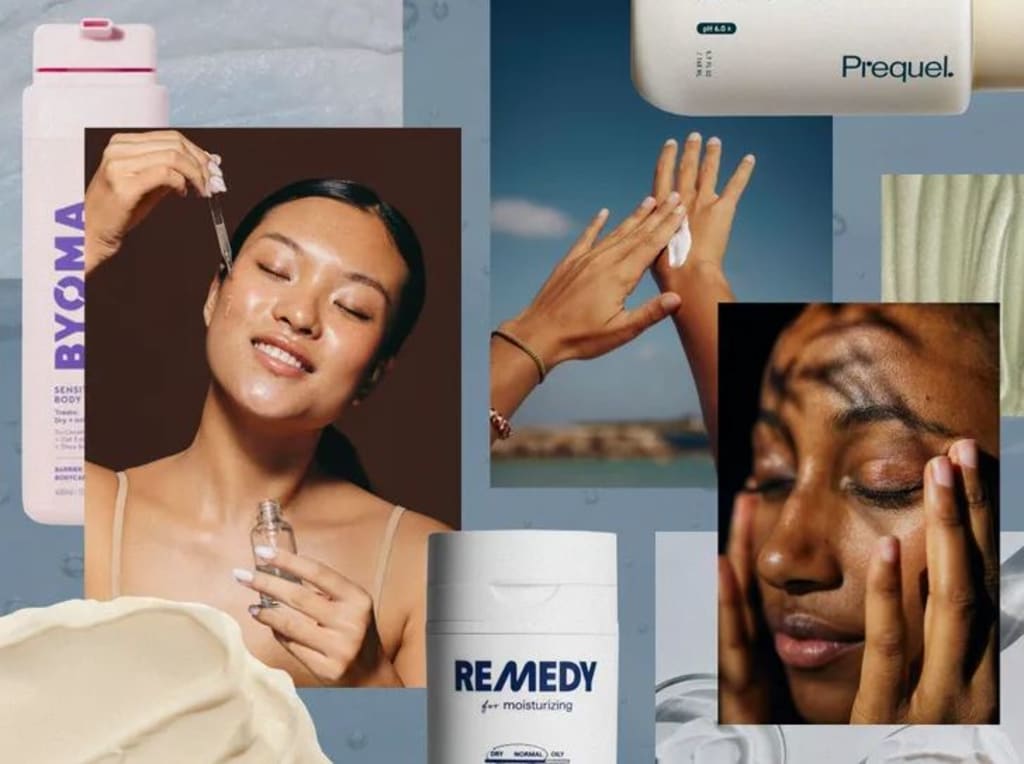
Every March, the American Academy of Dermatology (AAD) Annual Meeting brings together more than 20,000 dermatologists, researchers, and beauty industry leaders from around the world. It serves as both a major professional gathering and a launchpad for new science, products, and technologies. This year, established names like Clinique and Lancôme shared the floor with modern favorites such as Topicals and Glow Recipe, offering a clear preview of what will shape skincare in the coming years.
To separate meaningful advancements from marketing noise, we spoke with five board-certified dermatologists who attended the conference. Here are the nine biggest trends they identified as worth watching.
1. Sophisticated Scalp Care
The idea of treating the scalp like the skin on your face often called “skinification” is no longer just a buzzword. According to the experts, we are now entering a far more advanced era of scalp health.
“We’re moving beyond basic cleansing and anti-dandruff shampoos,” explains Dr. Joyce Park. “Today’s products focus on strengthening the scalp barrier, balancing its natural microbiome, and delivering ingredients that reduce shedding and support thicker, fuller-looking hair.”
Drugstore lines are also stepping up their game. Dr. Marisa Garshick notes that options like the Dove Dermacare Scalp Dandruff Relief Collection use gentle salicylic acid to clear buildup without irritation, while Neutrogena Hair Restore Advanced Serum works to improve both hair density and the overall health of the scalp environment.
2. Longevity-Focused Formulas
There has been a clear shift in philosophy: instead of just “anti-aging,” which focuses on fixing existing signs of aging, the industry is moving toward skin longevity. This approach targets the root of aging at the cellular level to preserve skin health and function over time.
“Longevity is about proactive care rather than correction,” says Dr. Adeline Kikam. “Brands are now looking at how to support mitochondria — the ‘powerhouses’ of skin cells and boost natural regeneration. One standout example is Lancôme Absolue Longevity MD, which uses Mitopure, a compound shown to support cellular energy. This is where biotechnology meets beauty, and it’s a major direction for the future.”
3. Cosmetically Elegant Sunscreens
For years, many people avoided daily sunscreen because of thick textures, greasiness, or that dreaded white cast. This year’s AAD confirmed that this is changing fast.
“The biggest breakthrough in sun care is how much better the formulas feel and look on skin,” says Dr. Garshick. “New chemical filters and improved mineral technologies have created products that are lightweight, blend seamlessly, and work for every skin tone.”
Top examples include No7 Future Renew Damage Protection Defense Shield and EltaMD UV Clear, which balance protection with skincare benefits. Even mineral sunscreens have improved dramatically: CeraVe Invisible Mineral Sunscreen and Bubble Sunrise Mineral Stick offer sheer, easy-to-reapply options suitable for all skin types.
4. Dermatologist-Founded Brands
As the market becomes flooded with products that promise results but lack scientific backing, consumers are turning toward brands built by the experts themselves. Dermatologist-founded lines are designed around clinical knowledge, not just trends.
“Brands like Prequel and Remedy stand out because they are developed with both safety and efficacy in mind,” says Dr. Garshick. “They simplify routines, use well-researched ingredients, and are formulated to minimize irritation, something that makes them trustworthy for even sensitive or problematic skin.”
5. Advanced Acne Care
Acne treatment is no longer just about drying out pimples. Modern formulas are multi-targeted, addressing breakouts, inflammation, post-acne marks, and the skin barrier all at once.
“Adults want solutions that work without leaving their skin red, tight, or damaged,” says Dr. Mona Gohara. “The Neutrogena Evenly Clear Collection is a great example; it prevents new breakouts, clears existing ones, and fades dark spots in one streamlined routine.”
Experts also highlight improvements in existing ingredients. Dr. Kikam points to La Roche-Posay Effaclar BPO Multi-Target Treatment, which uses micronized benzoyl peroxide to deliver stronger results with less irritation than older versions. “Innovation isn’t always about discovering new ingredients; it’s often about making the best use of the ones we already have,” she adds.
6. The Continued K-Beauty Boom
Korean beauty continues to lead the way in texture, innovation, and approachability. Brands like Glow Recipe, Peach Slices, and Anua drew huge crowds at the conference, proving that their influence extends far beyond retail shelves and into clinical discussions.
“K-beauty excels at making skincare enjoyable and accessible while using effective ingredients,” says Dr. Garshick. “They’ve popularized routines that are gentle yet thorough, and they’ve mastered textures that feel luxurious without being complicated.”
Dr. Kikam adds that this trend also represents a global shift: “We’re seeing a beautiful blending of Eastern traditions and Western science, creating products that work for people all over the world.”
7. Age-Appropriate Tween Skincare
With Gen Alpha growing up in the age of social media, interest in skincare is starting younger than ever. This has led to a new category of simple, gentle products designed specifically for children and pre-teens.
“Brands like Byoma and Bubble are leading this space,” says Dr. Kikam. “The focus here is on protecting and supporting the skin barrier, not treating complex issues. It’s important because it teaches good habits early, but it also means we need clear guidance to ensure young users aren’t overusing activities or following trends that aren’t right for their age.”
8. Next-Generation Ingredients
New active ingredients are emerging that promise deeper, more effective results. Three stood out to the dermatologists:
✅ PDRN (Polydeoxyribonucleotide): Often called “skin DNA,” it supports tissue repair, improves elasticity, and boosts radiance by stimulating regeneration at the cellular level.
✅ Exosomes: Tiny messengers that help cells communicate and repair damage. They are being used both in professional treatments and in advanced serums to speed healing and improve results, with less downtime than traditional procedures.
✅ Advanced Peptides: Peptides are now being formulated in more targeted ways, combined with other ingredients, and optimized for better absorption. “They are the backbone of many longevity-focused products because they are effective but rarely irritating,” notes Dr. Toral Vaidya.
9. Noninvasive Skin Tightening
For those looking for visible improvements without surgery or long recovery times, in-office treatments are evolving toward gentler, low-downtime options.
“Radiofrequency technology is leading the way,” says Dr. Garshick. “Devices like Everesse and Density by Jeisys deliver controlled heat deep into the skin to stimulate collagen production. Over a series of sessions, they can improve firmness, reduce fine lines, and smooth texture all without cutting or anesthesia.”
Key Takeaway
Across every trend, one theme remains consistent: science is leading the way. Whether it’s a drugstore cleanser, a high-tech serum, or a professional treatment, the focus is shifting from short-term results to long-term skin health.
About the Creator
Mark Lim
Hi I am mark an automotive student and a car, tech and food enthusiast ! Im gonna try and post daily & hope you enjoy what I write and do share my page with people you know. I would gladly appreciate it! Cheers
Enjoyed the story? Support the Creator.
Subscribe for free to receive all their stories in your feed.
Comments
There are no comments for this story
Be the first to respond and start the conversation.