hair
From luscious locks to the hippest of hairdos, tips and tricks from haircare experts to keep your hair looking shampoo-commercial good.
👻 Sonic Hauntings: Ambient Music as Ghost Story
There’s a reason ambient music often feels haunted. It isn’t just the drones, or the reverb, or the darkness. It’s that some music doesn’t speak—it lingers. It loiters. It inhabits your space like something unresolved.
By Yokai Circleabout a year ago in Blush
Hair Fall and Its Treatment: A Comprehensive Guide
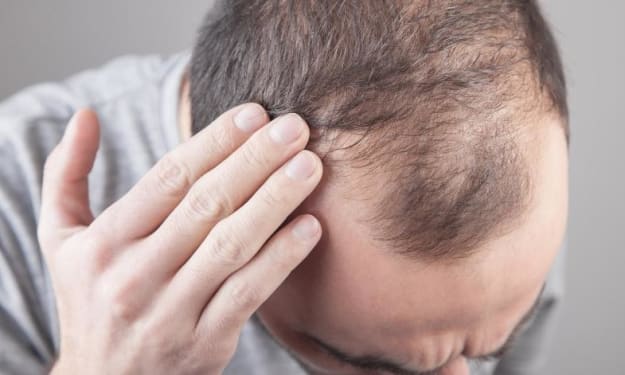
Hair fall is a common concern affecting millions of people worldwide, regardless of age or gender. While shedding 50 to 100 hairs per day is considered normal, excessive hair loss can be distressing and may indicate an underlying problem. Understanding the causes, recognizing the symptoms early, and exploring available treatments can help manage and often reverse hair loss.
By JAWAD HUSSAINabout a year ago in Blush
🌿✨ The Secret to Beautiful Hair: Onion Juice for Hair Growth and Shine! ✨🌿. AI-Generated.
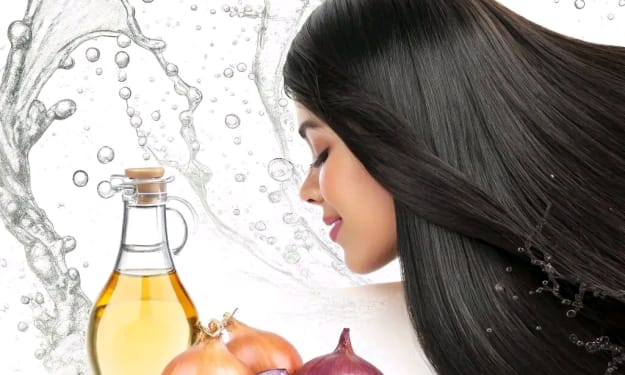
🌿✨ The Secret to Beautiful Hair: Onion Juice for Hair Growth and Shine! ✨🌿 Hair loss is a common problem that affects millions of people around the world — and it's not just a cosmetic issue. It can deeply impact your confidence, self-esteem, and how you feel about yourself every day. Many people struggle silently, trying countless expensive shampoos, treatments, and medications, often with disappointing results. Instead of turning to costly chemical treatments, why not look in your own kitchen for a natural and powerful solution? The answer: Onion Juice 🧅 Yes, this humble ingredient, often overlooked, can do wonders for your scalp and hair health. Let’s dive deeper into its benefits and how you can easily use it at home. --- ✅ Why Onion Juice? Onions are rich in sulfur, an essential nutrient that plays a crucial role in promoting healthy hair growth. Sulfur improves blood circulation in the scalp, which in turn stimulates hair follicles, encouraging them to grow stronger and thicker hair strands. When applied to the scalp, onion juice nourishes the roots and helps reduce hair thinning and breakage. Scientific studies have even shown promising results where onion juice has helped regrow hair in people with certain types of hair loss, like alopecia areata — an autoimmune condition that causes patchy hair loss. Moreover, onion juice contains powerful antioxidants that protect the scalp from free radicals and inflammation, which are common causes of hair damage. --- 🧴 Basic Onion Juice Recipe: Ingredients: 1 medium-sized onion Steps: 1. Peel and chop the onion into small pieces. 2. Blend it into a smooth paste using a food processor or blender. 3. Strain the paste using a clean cloth or sieve to collect the juice. 4. Apply the juice directly to your scalp after washing your hair. 5. Gently massage your scalp for 5–10 minutes to boost absorption. 6. Leave it on for 1 hour, then wash with a mild shampoo. You may need to shampoo twice to fully remove the smell. You can apply this treatment twice a week for best results. --- 🌸 Add a Herbal Boost If the strong smell of onion juice concerns you, don’t worry! You can add a few drops of rosemary essential oil, which not only masks the odor but also improves blood circulation and hair growth. Another great option is peppermint oil, which gives a cooling, refreshing feeling to the scalp and helps stimulate follicles. --- 🧪 Advanced Fermentation Method For those who want to take it a step further, fermenting onion juice can enhance its benefits. Here’s how to ferment your onion juice: 1. Mix fresh onion juice with: 1 cup of filtered water 1 tablespoon of salt 1 tablespoon of natural honey 2. Store the mixture in a clean glass jar and seal it tightly. 3. Keep it in a dark place for 72 hours to ferment. 4. After fermentation, strain and pour into a spray bottle. Use this spray after your shower by spraying it on your scalp and letting it air dry — no rinsing needed. Fermentation reduces the harshness of raw onion, making the treatment gentler, while boosting antioxidant activity. --- 📅 When Will You See Results? Patience is key with natural remedies. Here’s a rough timeline: Less hair fall can be noticed after about 2 weeks of regular use. New baby hairs may begin to grow within 4–6 weeks. By the third month, you should see thicker, shinier, and healthier hair. Remember, everyone’s hair responds differently, so stay consistent and give your hair time to heal and grow. --- 🚫 Precautions Always perform a patch test first to check for skin sensitivity or allergies. Avoid using onion juice on irritated, broken, or infected scalp areas. Store leftover juice in the refrigerator and use it within 3–4 days to maintain freshness. --- 💬 Final Thoughts Onion juice might smell strong, but its benefits are even stronger. Instead of spending a fortune on chemical-laden hair products that might harm your scalp over time, embrace the power of nature with this simple, affordable remedy. Have you ever tried onion juice or other natural hair treatments? Share your experience in the comments below — and don’t forget to share this story with your friends and followers! 🌟 Beautiful hair doesn’t have to be expensive. Sometimes, all it takes is one onion.
By Omer Mohammedabout a year ago in Blush
Why Is Your Hair Falling Out? And How to Regrow It Naturally
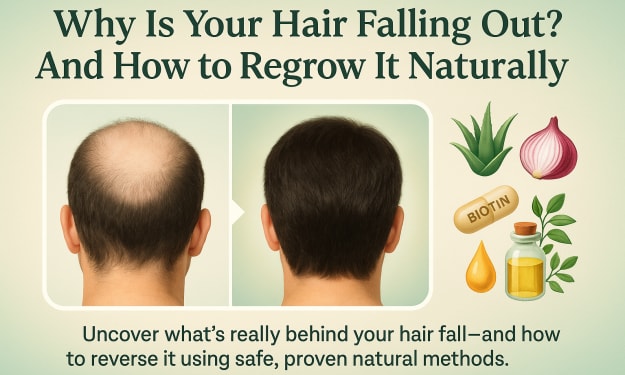
Hair fall is one of the most common beauty and wellness concerns faced by people of all ages today. Whether it’s the clump of hair in your brush or strands clogging your shower drain, noticing hair fall can be both alarming and frustrating. But before you panic, understand this: hair fall is often reversible—and you don’t always need expensive treatments to restore your crowning glory.
By Engr. Mansoor Ahmadabout a year ago in Blush
🌀 The Echo of the Future: Why Music Keeps Sounding Like the Past . AI-Generated.
From synthwave soundtracks to lo-fi drum kits, from vintage tape hiss to grainy vocal filters—modern music is obsessed with the past. Even as technology rockets forward, the sounds that move us most often feel like they’re pulled from a forgotten decade. We scroll through TikToks with cassette textures, stream hyper-modern albums that sound like 1985, and vibe to playlists that feel like memory more than music.
By The Yume Collectiveabout a year ago in Blush
“The Science of Hair Fall: Causes, Myths, and Real Solutions”
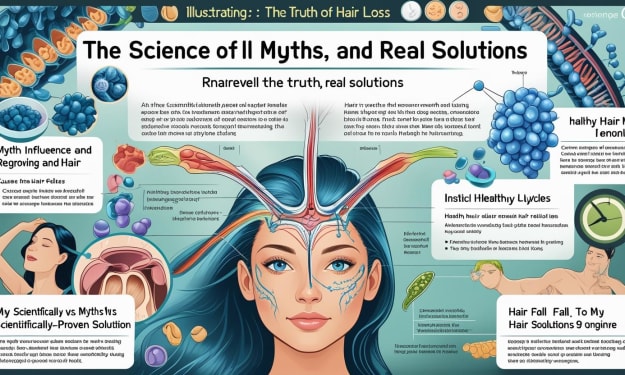
Introduction: When Strands Begin to Scatter Hair is more than just a symbol of beauty—it's tied to our identity, confidence, and even culture. So when it begins to thin, shed, or vanish altogether, the emotional toll can be just as significant as the physical one. Hair fall, or hair loss, affects millions worldwide—men and women alike. Yet, despite how common it is, it remains wrapped in myths, misinformation, and miracle-cure marketing. This article dives deep into the science of hair fall—explaining the biology, exposing the myths, and exploring the real solutions available today. Whether you’re seeing strands in your brush or just want healthier hair, this guide will empower you with facts, not fluff. --- Section 1: Understanding the Hair Growth Cycle To understand hair fall, you first need to understand how hair grows. Each strand of hair on your scalp follows a cycle made of three main phases: 1. Anagen (Growth Phase) – Lasts 2–7 years. Hair actively grows from the root. 2. Catagen (Transition Phase) – Lasts 2–3 weeks. Growth stops, and the follicle shrinks. 3. Telogen (Resting Phase) – Lasts 3–4 months. Hair rests before falling out and new hair begins to grow. At any time, 85–90% of your hair is in the growth phase. It’s normal to lose 50 to 100 hairs a day. However, if more hairs than usual enter the telogen phase or follicles shut down entirely, you begin to notice hair fall. --- Section 2: The Root Causes of Hair Fall There’s no one-size-fits-all cause of hair loss. It can result from internal imbalances, lifestyle choices, or even your environment. Here are the most common culprits: 1. Hormonal Imbalance Androgenic Alopecia: Also known as male/female pattern baldness. Triggered by DHT (dihydrotestosterone), which shrinks follicles. Thyroid Disorders: Both hypothyroidism and hyperthyroidism affect hair growth. Polycystic Ovary Syndrome (PCOS): Common in women, PCOS leads to elevated androgens and hair thinning. 2. Nutritional Deficiencies Hair needs protein, iron, zinc, biotin, and vitamin D. Crash diets and poor nutrition can deprive follicles of nutrients. 3. Stress Chronic stress elevates cortisol, pushing hair into the resting phase (telogen effluvium). Emotional or physical trauma can trigger sudden, diffuse hair fall. 4. Medical Conditions & Medications Alopecia Areata: Autoimmune disorder that causes patchy baldness. Chemotherapy and Radiation: Target fast-growing cells, including hair follicles. Blood pressure meds, antidepressants, and birth control can have hair fall as a side effect. 5. Hair Practices & Styling Tight hairstyles (ponytails, braids) can lead to traction alopecia. Overuse of heat, bleach, or chemical straighteners damages hair shafts and follicles. --- Section 3: Busted Myths About Hair Fall Let’s separate fact from fiction. Myth 1: Wearing hats causes baldness. False. Hats don’t affect follicles unless they’re extremely tight and worn excessively. Myth 2: Shampooing every day causes hair fall. False. Hair seen in the drain is already in the shedding phase. What matters more is the type of shampoo and how gently you use it. Myth 3: Cutting your hair will make it grow faster. False. Hair grows from follicles under your scalp—not from the ends. Trimming can help it look healthier but doesn’t speed up growth. Myth 4: Hair loss only affects older people. False. Teens and people in their 20s can experience hair fall due to stress, diet, or hormonal changes. Myth 5: Hair oils can cure baldness. Partly false. Oils nourish the scalp and reduce breakage, but they don’t regrow lost hair unless used with other effective treatments. --- Section 4: Diagnosing the Problem If your hair fall is persistent, here’s how to approach it: 1. See a Dermatologist or Trichologist: Experts can perform a scalp exam or a pull test. 2. Blood Tests: Check for iron, thyroid levels, vitamin D, ferritin, and hormones. 3. Scalp Biopsy: Sometimes necessary to rule out autoimmune or scarring types of hair loss. Early diagnosis is critical. The longer follicles remain dormant or damaged, the harder they are to revive. --- Section 5: Real Solutions That Work Let’s explore scientifically-backed treatments and lifestyle changes that actually work. 1. Topical Treatments Minoxidil (Rogaine): FDA-approved. Increases blood flow and stimulates follicles. Peptides & Growth Serums: Boost follicular activity (e.g., Redensyl, Procapil). 2. Prescription Medications Finasteride (Propecia): Blocks DHT in men, reducing hair loss. Not recommended for women without doctor supervision. Spironolactone: Used in women with hormonal hair loss due to PCOS or high androgens. 3. Supplements Biotin, Iron, Zinc, Vitamin D, and Saw Palmetto are commonly recommended. Collagen peptides can improve overall hair texture and strength. 4. Laser Therapy Low-Level Laser Therapy (LLLT) stimulates follicles and promotes regrowth. Devices like laser combs or helmets are FDA-cleared for at-home use. 5. PRP (Platelet-Rich Plasma) Therapy Your blood is drawn, concentrated, and injected into the scalp. Shown to improve hair density and thickness in many clinical studies. 6. Hair Transplant Surgery Follicular Unit Extraction (FUE) or Strip Method (FUT). Expensive but provides permanent, natural-looking results. --- Section 6: Lifestyle Habits for Stronger Hair Hair health starts from within. Here are practical habits to maintain a full, healthy head: Balanced Diet: Include leafy greens, eggs, lentils, nuts, and fish. Hydration: Dry scalps lead to brittle hair. Stress Management: Yoga, journaling, and regular sleep reduce cortisol levels. Gentle Hair Care: Use satin pillowcases, avoid excessive brushing, and minimize heat styling. Scalp Massage: Encourages blood circulation and follicle stimulation. --- Section 7: When to Worry—and When Not To Hair fall is natural. But consider medical help if: You notice clumps falling out. There's visible thinning or bald patches. Your scalp itches, burns, or appears red. There's a family history of early balding and it starts suddenly. Also, note: Postpartum hair fall, seasonal shedding, or hair loss after illness (like COVID-19) are usually temporary and self-resolving. --- Conclusion: Regrowing with Confidence Hair fall may feel like losing a part of yourself—but it doesn’t have to be permanent, shameful, or hopeless. With today’s science-backed treatments, informed habits, and early action, hair regrowth is more possible than ever. Most importantly, hair does not define your worth. Confidence comes from how you carry yourself, not just what’s on your head. But if regaining your hair helps you feel more you again, then let this guide be your first step toward healing—not just your scalp, but your self-image too. --- Bonus: Quick Hair Fall Prevention Checklist ✅ Eat enough protein daily ✅ Monitor iron and vitamin D levels ✅ Manage stress with regular exercise ✅ Be gentle with wet hair ✅ Avoid tight hairstyles ✅ Use mild shampoos free from sulfates ✅ Massage your scalp weekly ✅ Talk to a dermatologist if hair fall persists
By Hasbanullahabout a year ago in Blush
Prevent Ourself from Baldness
Hair is not just a part of our appearance; it reflects our identity, confidence, and personality. But for many, baldness is an unwelcome and often distressing reality. Understanding how to prevent ourself from baldness is not just about vanity—it's about health, self-esteem, and embracing proactive habits. Whether you're in your twenties or fifties, hair loss can strike at any age. Fortunately, with a mix of science-backed methods and natural remedies, you can combat it effectively.
By Lana Roseeabout a year ago in Blush