face
From make up and lipsticks to facial creams and more; here's to staying fresh-faced and radiant.
how to stop skin ageing
Aging is a natural biological process that everyone goes through, and while it's impossible to completely stop aging, many strategies can help slow it down and improve overall health and quality of life as you get older. This article will explore genuine, science-backed approaches to slow down aging, focusing on lifestyle changes, dietary modifications, skincare routines, and mental well-being.
By Devender Singh2 years ago in Blush
Exploring Unique Beauty Types
Beauty type is a term that encompasses the myriad ways in which individuals perceive and express their attractiveness. It highlights that beauty is not a one-size-fits-all concept; rather, it varies significantly from person to person. The way we identify with our beauty type can influence our self-esteem, fashion choices, and even the relationships we build. This article will delve deep into what beauty type means, how to explore your own beauty type, examples of different beauty types, comparisons between them, and essential advice for embracing your unique aesthetic.
By Healthy Pures | Health & Wellness 2 years ago in Blush
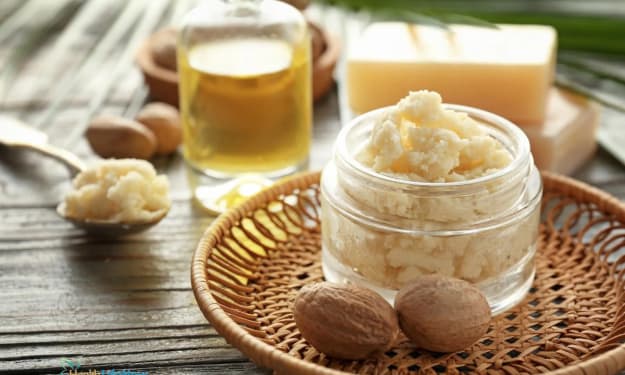
Nourish Your Skin with Homemade Face Moisturizer
Homemade face moisturizer is becoming increasingly popular as people seek natural, cost-effective solutions for skincare. This trend reflects a movement towards more sustainable living and an interest in understanding what we put on our skin. Creating your own moisturizer can be an empowering experience, allowing you to customize ingredients based on your unique skin type and concerns.
By Healthy Pures | Health & Wellness 2 years ago in Blush
Understanding Hormonal Acne: Causes, Treatments, and Solutions
Hormonal acne is a widespread skin condition that affects many individuals at different stages of life. It can be particularly frustrating due to its association with hormonal fluctuations, which can feel out of our control. This comprehensive guide aims to explore the causes, treatments, and lifestyle changes that can help manage and reduce the impact of hormonal acne.
By SKIN Clinics2 years ago in Blush
Understanding Melasma: A Comprehensive Guide
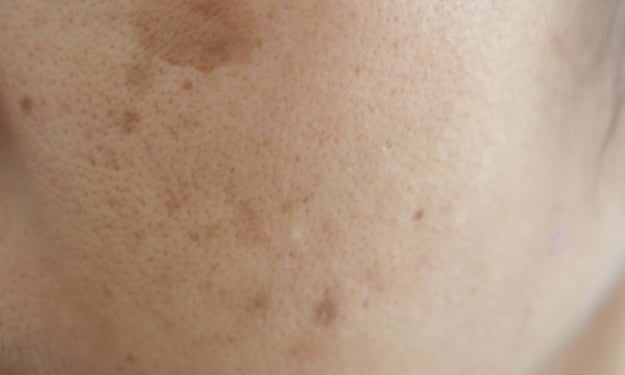
Melasma is a prevalent skin condition that affects many individuals, particularly women. Characterized by dark, irregular patches on the face, melasma can be both a cosmetic concern and a source of emotional distress. This blog post delves into the causes, symptoms, treatment options, and prevention strategies for melasma, offering a thorough understanding of this common skin disorder.
By SKIN Clinics2 years ago in Blush
What Are the Signs that Your Face Is Starting to Age?
1. Your eyes are becoming smaller One of the first ones that you should see is that your eyes are becoming smaller. When your eyes begin to look smaller, it can make it appear as though your eyes are opening and closing. 2. A sensitive nose The next thing is, you will notice that your nose becomes more sensitive. A sensitive nose will be one of the first signs that something is changing. For example, if your nose becomes more wrinkly and you have trouble breathing through it, this can indicate that a change has occurred in the cartilage. You might also begin to notice that their voice tends to get deeper when you talk to somebody. So, again, this is another early indication that your nasal cavity is becoming compromised. 3. Drier skin The third sign that you should be noticing is your skin becoming dry. If your skin starts to become drier than it usually is, you may have a problem with dry skin. If you find that your skin is starting to crack and peel, you should consider making an appointment with your doctor. Dry skin will not only make your eyes look older, but it will also cause fine lines and wrinkles to become more noticeable. That’s why it is so important to take good care of your skin! 4. Your skin is starting to become thinner You should start to notice is that your skin is starting to become thinner. In fact, you might even start to notice that your skin is starting to “glow.” This is due to the increase of melanin in your skin as it becomes more mature. Melanin will make your skin appear to glow and become less susceptible to damage. The thinning of the skin will cause fine lines to start appearing around your mouth and nose. 5. Your face will sag As you age, the skin on your face will also sag. This is because your skin will produce less collagen and elastin. This means that you will start to see wrinkles and sagging. The elasticity of the skin is the primary reason why your skin looks and feels loose. Your skin will lose its elasticity as you age. The skin on your face is especially prone to this loss of flexibility. There is also a decrease in collagen and hyaluronic acid in your skin as well. Collagen and hyaluronic acid are the primary materials in your skin that keep it elastic and pliant. When they are lost, the skin starts to sag and droop. You will start to notice that your skin loses its softness and elasticity. 6. Facial muscles become weaker In addition, facial muscles will begin to show signs of weakening as well. The facial muscles are basically the ones responsible for moving your mouth forward when you smile or even raise your eyebrow. This muscle group becomes more susceptible to wrinkling and relaxing into a more relaxed and aged position as you age. 7. Your hair will also start to gray as you age The hair on your head will also thicken and lose its natural shine. In addition, the scalp will become dry, and your follicles will become prone to dryness and inflammation. Many people do not associate these symptoms with the aging process, but they are signs of aging nonetheless. 8. You’ll start noticing the lines on your face Your face is starting to age the appearance of fine facial lines. Fine lines usually appear as you age in your facial area. The fine lines will start to become more prominent. This is due to the skin becoming thinner over time. In addition, the facial muscles will also become weaker and start to relax into an older position as the body ages. 9. Crow’s feet Crow’s feet occur when the skin on the surface of your eyes starts to thicken. Now, when you start noticing these signs, your face is starting to age faster, you can start making some plans to reverse the effects.
By Devender Singh2 years ago in Blush
The Power of Vitamins: How to Supercharge Your Feminine Care Routine
Maintaining feminine health is essential for overall well-being, and vitamins play a crucial role in supporting this. Proper nutrition and the right vitamins can help regulate hormones, improve reproductive health, boost immunity, and keep skin and hair looking vibrant. Incorporating the correct vitamins into your feminine care routine can lead to a healthier, more balanced lifestyle. 1. Vitamin A: The Skin and Reproductive System Protector Vitamin A is essential for maintaining healthy skin and mucous membranes, including the vaginal lining. It helps produce collagen, which keeps skin firm, smooth, and free from dryness. This is particularly important for women because vitamin A also supports reproductive health by assisting in cell growth and development. Adequate levels of vitamin A can help prevent conditions like vaginal dryness, which can be more common during menopause. Additionally, it boosts immunity by promoting the production of white blood cells, which help fight off infections. Deficiency in vitamin A may lead to issues such as abnormal menstrual cycles or skin problems. Good sources of vitamin A include: Carrots Sweet potatoes Spinach Broccoli 2. Vitamin B Complex: Energy, Mood, and Hormonal Regulation The vitamin B complex, which includes B1 (thiamine), B2 (riboflavin), B6, B9 (folate), and B12, is essential for many aspects of feminine health. It supports energy production, regulates moods, and balances hormones, making it especially important during menstruation, pregnancy, and menopause. Vitamin B6: This vitamin is crucial for hormone regulation, helping to reduce symptoms of premenstrual syndrome (PMS) such as mood swings, cramps, and bloating. It also aids in serotonin production, which helps to enhance mood. Folate (Vitamin B9): Folate is vital for pregnant women as it prevents neural tube defects in the developing fetus. Additionally, folate is involved in cell division, making it essential for overall reproductive health. Vitamin B12: Important for red blood cell production, B12 helps to prevent anemia, a condition more prevalent in women due to menstruation. Good sources of vitamin B include: Whole grains Lean meats Leafy green vegetables Eggs and dairy 3. Vitamin C: Immunity and Vaginal Health Vitamin C is well-known for its immune-boosting properties, but its role in feminine care extends beyond that. It helps maintain vaginal health by balancing pH levels and preventing infections such as urinary tract infections (UTIs) and yeast infections. Its antioxidant properties protect cells from damage, which is crucial for reproductive health. Additionally, vitamin C supports the production of collagen, which maintains the elasticity and moisture of the skin, promoting a youthful appearance. It is also involved in iron absorption, an important factor for women who are at higher risk of iron deficiency due to menstruation. Good sources of vitamin C include: Oranges Strawberries Kiwi Bell peppers 4. Vitamin D: Bone Health and Mood Stabilizer Vitamin D plays an essential role in feminine care by promoting bone health and regulating mood. Women are more prone to osteoporosis, especially after menopause, due to hormonal changes that affect calcium absorption. Vitamin D helps the body absorb calcium, which is necessary for maintaining strong bones and preventing bone loss. Furthermore, vitamin D has been linked to mood stabilization. Deficiency in this vitamin can lead to mood disorders such as anxiety and depression, which often coincide with PMS or menopause. The best source of vitamin D is sunlight, but it can also be found in: Fortified dairy products Fatty fish like salmon and mackerel Egg yolks 5. Vitamin E: Skin, Hair, and Hormonal Support Vitamin E is a powerful antioxidant that can help protect the body from oxidative stress, which can damage cells and accelerate aging. For feminine health, vitamin E is known for its ability to improve skin elasticity and hydration, preventing dryness and irritation, especially in delicate areas like the vagina. It also supports hormonal balance by regulating estrogen levels, helping to ease PMS symptoms such as breast tenderness and bloating. Additionally, vitamin E promotes healthy hair by improving circulation to the scalp, preventing hair loss, and enhancing shine. Good sources of vitamin E include: Almonds Sunflower seeds Spinach Avocados 6. Vitamin K: Bone and Menstrual Health Vitamin K is often overlooked but is essential for blood clotting, which is crucial for women who experience heavy menstrual bleeding. This vitamin helps regulate blood flow, reducing the risk of heavy periods or hemorrhaging. In addition to aiding in blood clotting, vitamin K works with vitamin D to promote strong bones, which is particularly important as women age and face an increased risk of osteoporosis. Good sources of vitamin K include: Kale Spinach Broccoli Brussels sprouts 7. Omega-3 Fatty Acids (Vitamin F): Inflammation and Menstrual Pain Relief Though not technically a vitamin, omega-3 fatty acids are sometimes referred to as "Vitamin F." Omega-3s are essential for reducing inflammation in the body, which can help relieve menstrual pain and symptoms of conditions like polycystic ovary syndrome (PCOS) and endometriosis. Omega-3 fatty acids are also known for promoting heart health and reducing the risk of cardiovascular diseases, which become more prevalent in women after menopause. Additionally, omega-3s help maintain mental health by reducing symptoms of anxiety and depression, making them beneficial during hormonal changes. Good sources of omega-3s include: Fatty fish (salmon, mackerel, sardines) Flaxseeds Chia seeds Walnuts 8. Multivitamins: Covering All Bases While it’s best to get vitamins from food sources, busy lifestyles and dietary restrictions can make this challenging. For women who may not be getting enough vitamins through their diet, a multivitamin designed specifically for feminine health can help fill the gaps. Look for multivitamins that include: Vitamin A, B complex, C, D, E, and K Minerals like iron, magnesium, and calcium These help support energy levels, bone health, reproductive health, and immune function. If you are pregnant or planning to conceive, prenatal vitamins with added folic acid and iron are crucial to support both your health and the development of the baby. 9. How to Incorporate Vitamins into Your Routine To truly supercharge your feminine care routine with vitamins, consistency is key. Here are a few tips for making vitamins a regular part of your life: Eat a balanced diet: Incorporate a variety of fruits, vegetables, lean proteins, and whole grains to ensure you get a wide range of nutrients. Take supplements as needed: If your diet lacks certain vitamins, consider taking a high-quality multivitamin or specific vitamin supplements like vitamin D or omega-3s. Consult with a healthcare provider: Before starting any supplement regimen, especially if you're pregnant, nursing, or have a health condition, consult a doctor to determine the right dosage and combination of vitamins for your needs.
By Devender Singh2 years ago in Blush
Conquering Inner Monsters: Strategies for Mental Wellness
Mental well being is a essential element of general fitness that has won increasing attention in recent years. As we navigate the complexities of contemporary lifestyles, the metaphor of "internal monsters"—the fears, anxieties, and emotional struggles we face—turns into a powerful lens through which to view our mental health challenges. In 2024, addressing those internal monsters thru innovative strategies and evidence-based totally practices is essential for reaching lasting intellectual wellbeing.
By Steve Curren2 years ago in Blush