face
From make up and lipsticks to facial creams and more; here's to staying fresh-faced and radiant.
7 Steps to a Radiant Brightening Skincare Routine
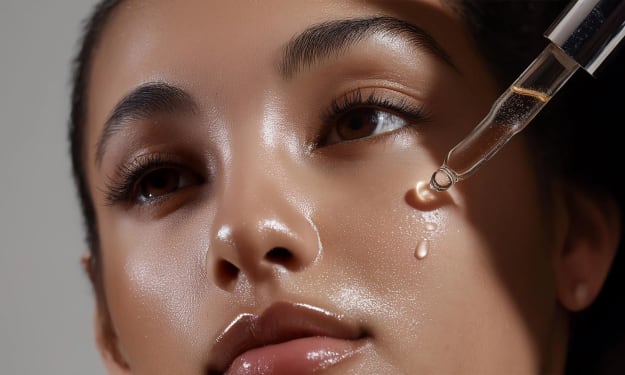
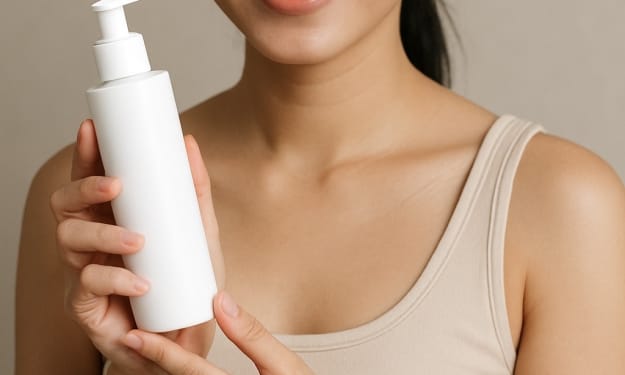
That glow-up you've been scrolling through on your feed? It's not just good lighting or filters. A proper brightening skincare routine can genuinely transform dull, uneven skin into something worth obsessing over. Whether you're dealing with stubborn dark spots, post-acne marks, or just want that lit-from-within radiance, the right steps can make all the difference. Let's break down exactly how to build a routine that actually works—no complicated chemistry degree required. Understanding Skin Brightening: What It Really Means Real talk—skin brightening isn't about changing your natural skin tone. It's about revealing your skin's natural radiance by tackling the things that make it look dull or patchy. Think of it as hitting the refresh button on your complexion. Your skin can lose its glow for loads of reasons. Sun damage creates those pesky dark spots, dead skin cells pile up like yesterday's makeup, and sometimes your skin just decides to be dramatic about stress or hormones. The result? Uneven skin tone that makes your face look tired even when you're feeling fresh. Here's what you need to know: proper skin clarity takes time. We're talking weeks, not days. Your skin cells have their own timeline, and rushing the process usually backfires. Most people start seeing real changes around the 4-6 week mark, with full results taking up to three months. Worth the wait? Absolutely. The Science Behind Effective Brightening Ingredients Before we dive into the steps, let's chat about the star players in any good brightening serum. These ingredients aren't just trendy—they're backed by actual science. Vitamin C is probably the most talked-about brightening ingredient, and for good reason. This powerhouse antioxidant doesn't just fade dark spots—it also protects your skin from future damage and helps boost collagen production. A quality vitamin C serum can be a game-changer, but it needs to be stable and properly formulated to actually work. Niacinamide is the gentle giant of brightening. It's brilliant for sensitive skin types who find vitamin C too intense. This form of vitamin B3 helps reduce the appearance of dark spots whilst also minimising pores and controlling oil production. Basically, it multitasks like your best mate. Alpha Hydroxy Acids (AHAs) like glycolic and lactic acid work by gently dissolving the bonds between dead skin cells. This reveals fresher, brighter skin underneath whilst encouraging cell turnover. Think of them as your skin's personal trainer—they push it to perform better. Retinol is the overachiever of skincare ingredients. It speeds up cell renewal, helps fade hyperpigmentation, and improves overall skin texture. Start slow with this one—your skin needs time to adjust. Morning Brightening Skincare Routine (Steps 1-4)
By Good health to everyone10 months ago in Blush
Australia Cosmetics Market: Beauty Innovation, Skincare Demand & the Rise of Premium Personal-Care Products. AI-Generated.
According to IMARC Group, the Australia cosmetics market reached USD 8.40 Billion in 2024. Looking forward, the market is projected to grow to USD 12.62 Billion by 2033, expanding at a steady CAGR of 4.63% during 2025–2033.
By Kevin Cooper10 months ago in Blush
Australia Skincare Market: Beauty Demand, Wellness Culture & the Future of Dermatological Consumer Products. AI-Generated.
According to IMARC Group, the Australia skincare market reached USD 2.86 Billion in 2024. Looking forward, it is projected to reach USD 4.22 Billion by 2033, expanding at a CAGR of 4.44% during 2025–2033. This growth reflects Australia’s rising self-care culture, surging interest in dermatology-driven formulations, clean-beauty preferences, and the rapid influence of social-media-based product discovery.
By Kevin Cooper10 months ago in Blush
India Cosmetics Market Expected to Reach USD 24.3 Billion by 2033. AI-Generated.
India Cosmetics Market Overview The India cosmetics market size reached USD 14.6 Billion in 2024. Looking ahead, the market is projected to reach USD 24.3 Billion by 2033, registering a CAGR of 5.9% during 2025–2033. Market growth is influenced by rising disposable incomes, rapid urbanization, expanding beauty awareness, demand for organic products, and evolving grooming habits across genders. Social media influence, celebrity endorsements, and the ongoing expansion of e-commerce platforms are also central to the market’s rising share.
By Khushi Soni11 months ago in Blush
My Skin Journey: From Dull to Bright with Simple Skincare
Hi my name is Utami I'm a girl who is really lazy skincare. To be honest, I felt that skincare was complicated and expensive. But for the past few months, my skin really looks tired: dull, dry, and the color is uneven. Until one day I saw my own face in the mirror, and I realized... "Okay, this is too bad."
By putrithamie11 months ago in Blush
Back to the Basics: Why Simple Skin Care Still Works. AI-Generated.
We live in a world full of 10-step routines, viral skincare hacks, and endless new products that promise miracles. But before all of that, before serums were trending and toners had fans, there was a time when skincare was simple and somehow, our skin still thrived.
By Llidownia Montaque11 months ago in Blush
Australia Luxury Cosmetics Market: Premium Beauty, Clean Formulations & Shifting Consumer Aspirations. AI-Generated.
Australia’s luxury cosmetics market is entering a new phase as consumer expectations evolve, global beauty trends influence local demand, and premium brands invest in sustainability and high-performance formulations. The Australian luxury cosmetics market reached USD 701.6 million in 2024 and is expected to climb to USD 1,066.8 million by 2032, driven by a CAGR of 5.50% during 2025–2032. This upward trajectory signals the rising popularity of premium beauty, “clean luxury” skincare and makeup, and a growing preference for prestige brands that deliver both results and experience.
By Rashi Sharma11 months ago in Blush
5 Winter Beauty Habits for Glowing, Healthy Skin All Season Long
Winter beauty habits that you must develop There’s something magical about winter—cozy sweaters, hot chai, and the joy of snuggling under a blanket while watching your favorite series. But as much as we love the season, our skin doesn’t always share the enthusiasm. Between dry indoor air, cold winds, and long hot showers, winter can leave your skin dull, flaky, and dehydrated. The good news? You don’t need to overhaul your entire beauty routine to survive the chill. A few thoughtful tweaks can make your skin glow even in the harshest winter months. Here are five winter beauty habits your skin will truly thank you for—all easy, affordable, and totally doable in an Indian winter.
By Good health to everyone11 months ago in Blush
MEERAHCLE
In a world obsessed with surface-level beauty, Meerahcle dares to go deeper. Founded by Meera Grewal, Meerahcle is a luxury beauty and grooming brand that celebrates strength, self-care, and transformation — both inside and out. The name itself is a reflection of Meera’s journey: a “miracle” born from resilience, self-belief, and rebirth.
By Meera Grewal 11 months ago in Blush
how to breastfeed your baby
**How to Breastfeed Your Baby** Breastfeeding is one of the most natural and beneficial ways to feed a newborn. It provides complete nutrition, builds immunity, and strengthens the emotional bond between mother and baby. However, while it may seem instinctive, many new mothers face challenges in the early days. Learning how to hold the baby, ensure a proper latch, and recognize hunger cues can make breastfeeding more comfortable and successful. This article explains the essential steps for breastfeeding your baby and answers the most common questions that new parents often have. --- **How to Start Breastfeeding** To begin breastfeeding, it is important to find a quiet and comfortable place where both you and your baby can relax. Hold your baby close to your body, with their tummy facing you. Align their nose with your nipple so they can easily find the breast. When your baby opens their mouth wide, gently bring them to your breast rather than leaning forward. The nipple should reach deep inside their mouth so that the baby latches onto the areola, not just the nipple. A good latch feels like a gentle pulling sensation, not pain. If you feel discomfort, break the suction gently by placing your finger in the corner of your baby’s mouth and try again. A correct latch ensures that your baby receives enough milk and prevents soreness. Different breastfeeding positions can make the process easier. The cradle hold is the most common, where you support your baby’s head in the bend of your arm. The cross-cradle hold gives you more control of your baby’s head, helping with the latch. Other options include the football hold or lying on your side, which may be more comfortable after a cesarean birth or during nighttime feeding. The best position is the one that feels natural and allows both mother and baby to stay relaxed. --- **Feeding Frequency and Duration** In the first few weeks, newborns usually feed between eight and twelve times in twenty-four hours. Feeding on demand—whenever your baby shows hunger signs—is better than following a strict schedule. Common hunger cues include rooting, smacking lips, or bringing hands to the mouth. Crying is a late sign of hunger. Each feeding session may last anywhere from ten to forty minutes, depending on your baby’s age and appetite. In the early days, frequent feeding helps your milk supply build up naturally. As your baby grows, feeding sessions may become more regular and shorter. --- **How to Know if Your Baby Is Getting Enough Milk** Many new mothers worry about whether their baby is receiving enough milk. Some simple signs can reassure you. If your baby seems content after feeding, has several wet diapers daily, and gains weight steadily, they are likely getting enough milk. The breasts may also feel softer after feeding, which means milk has been transferred successfully. If you suspect low supply, feed more often and make sure the baby is properly latched. Avoid skipping feeds or supplementing unnecessarily, as your milk production adjusts according to how frequently your baby nurses. --- **Common Breastfeeding Problems** It is normal to experience minor discomfort when starting out, but ongoing pain, cracked nipples, or engorgement indicate a problem with the latch or position. Repositioning the baby or trying a different hold can often solve the issue. Keeping the nipples dry between feeds and applying a few drops of breast milk to the area can help with healing. Sometimes babies may become sleepy during feeds and stop sucking before they are full. Gently rubbing their back or tickling their feet can help keep them awake. If your baby consistently struggles to latch or you continue to feel pain, professional help from a lactation consultant can be very beneficial. --- **Answering Common Questions** **When should I start breastfeeding?** It is best to begin within the first hour after birth. Early skin-to-skin contact helps your baby’s natural instinct to nurse and strengthens your bond. **How long should I continue breastfeeding?** Exclusive breastfeeding is recommended for the first six months of life. After that, you can introduce solid foods while continuing to breastfeed for as long as you and your baby wish. **What should I eat while breastfeeding?** A balanced diet with plenty of fruits, vegetables, whole grains, and fluids supports healthy milk production. You do not need to eat special foods, but staying hydrated and nourished is essential. **Can I breastfeed at night?** Yes. Nighttime feedings are normal, especially in the first few months. They help maintain your milk supply and meet your baby’s nutritional needs. **What if I am returning to work?** If you plan to be away from your baby, you can express breast milk and store it safely in the refrigerator or freezer. This allows your baby to continue receiving breast milk even when you are not present. **Can breastfeeding act as birth control?** Breastfeeding can delay the return of your menstrual cycle, but it is not a completely reliable method of contraception. If you want to avoid pregnancy, it is best to use another safe method. --- **Practical Tips for a Positive Experience** Relaxation plays a big role in successful breastfeeding. Find a comfortable chair or bed, support your arms with pillows, and keep water nearby. Remember to rest whenever possible because fatigue can affect milk production. Wearing loose clothing or nursing bras can also make the process more convenient. Breastfeeding is a journey that takes time, patience, and practice. Each mother and baby pair is unique, and what works for one may not work for another. Trust your instincts, seek support when needed, and focus on creating a calm and nurturing environment.
By America today 12 months ago in Blush