
Stock vs. Custom Hair Systems: Which Should a Salon Choose?
Stock vs. Custom Hair Systems: 2026 Salon Business Guide

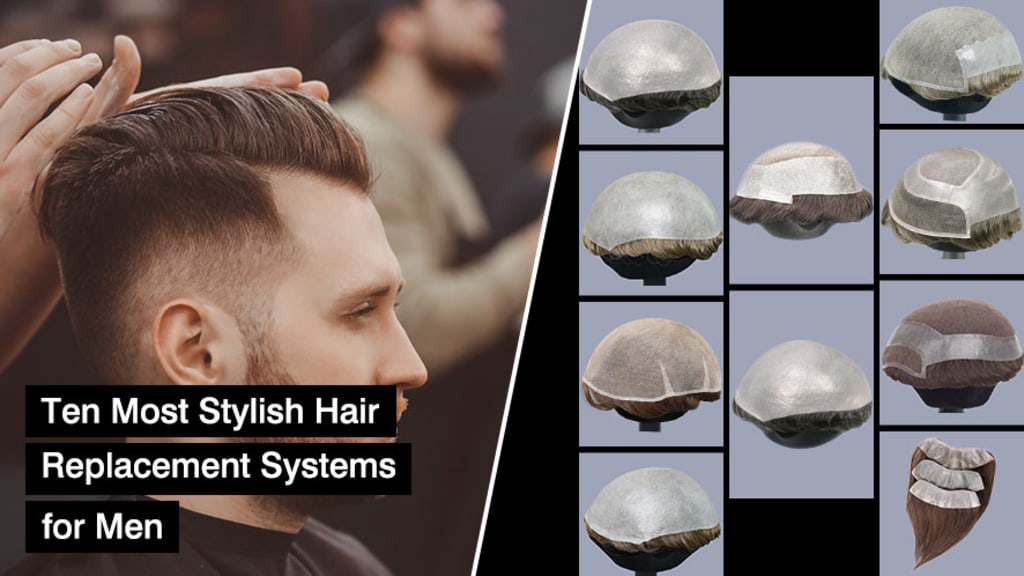
Stock vs. Custom Hair Systems: Which Should a Salon Choose?
Choosing between stock and custom hair systems is a big decision for any salon jumping into hair loss solutions. Stock units are great for quick turnarounds. But custom orders let you help clients who need something highly specific.
Here's exactly how to offer both choices. We'll also break down how to set up a service menu that protects your cash flow and keeps people coming back.
Key Takeaways
Stock systems suit urgent clients whose standard specifications match available units.
Custom systems suit clients needing precise personalized fit beyond standard options.
Lean hybrid inventory supports urgent service without excessive cash tied up.
Understanding the Business Choice Between Stock and Custom Hair Systems
Stock Hair Systems and Custom Hair Systems fix entirely different salon problems. So, neither should be treated as the automatic default for every client.
For a hair replacement pro, stock units help you run faster appointments when a client's needs are simple. But custom work gives you a better fit if the client has specific coverage, color, or hairline needs. Start by laying out both options clearly. Later on, experienced salons can run a hybrid model to handle urgent requests without giving up those tailored results.
Analyzing Stock Hair Systems for Daily Salon Operations
Stock Hair Systems let a beginner salon serve Men's Toupee / Hairpieces clients without making them wait weeks for an appointment. Pre-made units turn your sitting inventory into a same-day fitting instead of leaving a chair empty.
This faster service keeps cash flowing through the salon, especially when your shelves stock the sizes, bases, and colors local clients actually want.
Immediate Availability for Walk-In Clients and Emergency Replacements
Ready-to-wear units give you a fast fix when a walk-in needs coverage right away or their current hairpiece gives out before a big event. Just keep a small, clearly labeled selection. Then, check the base size, condition, and color in good lighting before you fit it.
Rushing an order only works if the unit actually fits the client. A close match saves their look that exact day. But a bad match? That leads to a messy refit and leaves you stuck with unusable inventory.
Lower Upfront Costs and Simplified Inventory Management
Stock inventory saves serious money for a new salon. You're buying repeatable units instead of tying up cash on one client's exact specs. Start with a narrow range based on the types of clients already walking through your doors.
Buying in bulk might drop the unit price, but a massive order drains your bank account if those units just sit there collecting dust. Make sure to track each Men's Toupee / Hairpieces unit by size, base, and color. That way, you'll reorder proven combos instead of just guessing.
Operational Limits: Standard Base Sizes and Color Matching Constraints
Standard units come in set sizes and shapes, so the base won't always match every client's exact head shape or natural hair pattern. Always check the fit before attaching it. If the coverage area or edge placement looks off, a simple trim might not fix the problem.
Matching hair color has its limits too. A stock shade might look fine indoors, but completely clash with natural or gray hair outside in the daylight. Don't try to force a unit if it looks obvious at the hairline or along the sides.
Evaluating Custom Hair Systems for Bespoke Hair Replacement Services
Custom Hair Systems let established salons help clients whose scalp shape, gray pattern, or coverage needs just don't fit standard units. They turn a basic fitting into a tailored service. This cuts down on visible mismatches and keeps clients coming back to your chair.
If you run an advanced hybrid model, keep stock units on hand for urgent cases. Then, use custom systems or Human Hair Wigs for those tricky consultations.
Precise Scalp Contour Fitting and Exact Gray Hair Percentage Matching
A Template/Mold captures your client's exact coverage area and scalp contour. This lets the supplier build the base specifically for their head instead of relying on a generic size. Just make sure to mark the intended edge placement carefully—especially around the front hairline, temples, and crown.
Always record the Gray Hair Percentage separately from the main color. A client with dark hair and gray at the sides needs a totally different blend than someone with evenly scattered gray. Snapping clear photos in natural light and jotting down detailed color notes will help you avoid a glaring mismatch.
Premium Service Pricing and Design Fee Opportunities
Charging a custom order design fee lets your salon get paid for the consultation work well before the hair system even arrives. This fee easily covers the scalp measurement, Template/Mold prep, color planning, density talks, and the time you spend locking in those order details.
Protect your Profit Margins by keeping the custom order design fee separate from the actual hair system price and the installation charge. Tell clients upfront exactly what this fee covers: a system built entirely around their needs, not a stock unit pulled off a shelf. Plus, clear pricing makes discussions about remakes way easier if the approved specs suddenly change.
Operational Demands: Scalp Mold Templating and Managing 2026 Lead Times
Custom work requires a solid, repeatable intake process. Train your staff to make a clean scalp mold, take accurate base dimensions, note the hair direction, and double-check every single order detail before it hits production. Even a tiny mistake in the template can ruin the comfort and edge placement.
Hair ventilation needs a clear brief, too. You have to specify where the hair should part, the direction it should fall, and exactly how it needs to blend with the client's remaining hair. Think of it just like tailoring a jacket. The measurements matter, but how it actually sits when worn is what really counts.
Going into 2026, always confirm the Lead Time / Delivery Time with your supplier before promising the client an installation date. Build some extra room into your schedule for production, shipping, a quick quality check, and any adjustments you might need to make before the client sits back down in your chair.
Stock vs. Custom Hair Systems: Key Operational Differences
When mapping out stock vs custom hair systems, having stock units means a new salon can tackle urgent fittings right away without waiting on production. But tying up your cash is a real risk. Those units might just gather dust on the shelf if the color, density, or Base Material doesn't perfectly match a client's needs. Custom systems fix those fit compromises. The tradeoff? They require detailed notes, supplier coordination, and way more staff time before the actual installation.
For established salons, a hybrid setup usually makes the most sense. Keep standard stock units around for everyday cases. Then, save the custom orders for clients who actually need precise sizing, gray blending, or a specific hair direction. Simple.
Core Use Cases: When to Recommend Stock Units to Clients
Stock units really shine when a client needs coverage right now, not after a long production wait. Whether it's a first-time salon customer, an emergency appointment, a last-minute event, or they suddenly need to replace a worn-out system, a standard unit works best. It lets your team check the fit and get it installed all in a single visit.
Only suggest a stock system if the available size, color, density, and base feel right during the consult. Just keep a small core range on hand for these easy fittings. Save the custom work for unique requests that a standard piece just can't handle.
Strategic Use Cases: When to Recommend Custom Hair Systems
Custom made hair systems are absolutely worth the extra wait when a stock unit just can't match your client's exact measurements, hair direction, density, or specific gray percentage. You want a tighter match. This cuts down on heavy blending work and lowers the risk of needing a re-fit.
Suggest a custom order for repeat clients who have very specific needs, rather than someone looking for same-day styling or an emergency replacement. Keep your stock units handy for quick, standard fittings. Save the bespoke work for the tricky requests that a standard base simply can't handle.
Required Stylist Technical Skills for Custom vs. Stock Services
Stock units need exact head measurements, along with safe attachment and removal. Then it's about carefully cutting the base perimeter to fit the client's scalp without trimming too far. Stylists also need to know how to blend the unit right into the natural hair.
Custom work brings in scalp template-making, mapping out hair direction, and taking clear notes on density and gray placement. Think of the template just like a tailored pattern. It guides every single detail. Once your team handles both service paths, a hybrid model can really speed up your standard fittings. Plus, it protects custom clients from annoying, avoidable re-fits.
The Hybrid Model: Combining Stock and Custom Systems for Salon Growth
A hybrid inventory model is a smart move for salons already fitting both stock and custom hair systems. Keep a lean stash of ready-to-fit units, then use custom orders for clients who need a tighter match.
This approach keeps appointment speeds up while giving your Salon Business Guide a stronger service path and better long-term margins.
Using Stock Units as Bridge Systems During Custom Production Waits
A stock hairpiece makes a great bridge unit while a client's custom system is in the works. Fit it safely, blend the haircut, and just let them know it's a temporary match rather than the final spec.
This keeps the client wearing hair during custom wait times instead of disappearing until their order shows up. Make sure to record what works and what doesn't: base fit, front shape, color match, and styling needs. Those notes make the custom order way more accurate. Plus, it shows the client your salon has a clear plan.
Building a High-Turnover Starter Inventory of Base Sizes and Colors
Don't guess which units will cover 80% of your walk-ins. Build your inventory strategy from your first few completed fittings. Log each client's base size, preferred front contour, color family, and hair density request.
Start with the combos your salon sees all the time, not an oversized wall of slow-moving stock. Keep a tight range your team can fit with confidence, then review sales and unused units every month. A stock unit that sits around too long just ties up cash. But a unit that sells over and over tells you exactly what to reorder.
Structuring a Two-Tiered Service Menu to Maximize Client Retention
A two-tier service menu gives clients a real reason to start with stock and move into custom work later down the line. Offer a ready-to-fit stock service for faster appointments. Then, position custom systems for clients needing a more exact fit, specific hair direction, or perfect color blend.
Make the difference obvious in your service menu pricing and appointment language. The stock tier solves an immediate need, while the custom tier supports a much more tailored result over repeat visits. This boosts Client Retention because people can start right away without feeling pushed into a custom order before they're completely ready.
Consultation Playbook: A Decision Framework for Stylists
Grab a simple Decision Matrix to track your client's coverage area, scalp condition, timeline, budget, and if they're willing to come back for maintenance. Doing this takes Hair Loss Solutions from a vague chat straight into a repeatable service.
Suggest a stock unit if the client needs hair right away and doesn't mind a close-enough match. Go with custom when the fit, color, or hair direction needs tight control. And once your salon is confident handling both? You can offer a hybrid model. This gives people immediate coverage while you wait for their custom system to be made.
Managing Client Expectations and Lead Times Effectively
Custom work takes a bit longer than pulling a stock unit, so make sure you set the delivery timeline before your client actually commits. Keeping communication clear protects your appointment schedule. Plus, it stops a custom order from feeling like a frustrating delay or a sudden surprise.
Just explain that their system is being built to their exact fit, color, and hair direction. Then, give them a safe arrival window from your supplier. Don't forget to confirm this timeline in writing. If they're in a rush and need hair right away, you can always offer a stock unit as a temporary fix.
Pricing and Margin Strategy: Balancing Unit Costs with Service Fees
Running a profitable hair-system service means you have to charge separately for the unit itself and your salon's labor. To figure out your true Return on Investment, just add everything up. You'll need to factor in the system's purchase price, shipping costs, your consultation time, the physical fitting, adhesive supplies, and any risk of having to remake the piece.
Make sure to set your profit margins on stock units high enough to make up for inventory that just sits on the shelf unsold. When dealing with custom orders, always charge a consultation or customization fee upfront before you even place the order. Then, you can price the actual fitting separately. Established salons often run a hybrid model here. They keep popular stock options ready to go, but still order custom systems for clients who want something highly specific. That's it.
Technical Styling Pro-Tips: Making Stock Systems Look Custom
Off-the-shelf systems can actually look totally custom if your fitting process gets rid of that obvious factory-fresh vibe. Thinning out the perimeter softens those dense edges. This helps the piece blend right into your client's real hair instead of just sitting there like a harsh, solid line.
Try adding a little root shadowing at the base. It breaks up that perfect, uniform color and mimics actual natural regrowth. After that, make sure you trim and style the unit while it's actually on the client. Always check the hairline from a normal, everyday conversation distance before you wrap up the final fit. That's it.
Pre-Order Checklist: What Salons Must Confirm Before Purchasing
A solid pre-order checklist keeps you from making an expensive mistake between the system your salon buys and the actual client. Make sure to double-check the base size, contours, material, hair length, color, density, curl pattern, and attachment method before you greenlight any stock or custom orders.
You'll also want to verify lead times, order minimums, remake policies, and the exact measurements you took during the consultation. Established salons usually do best with a hybrid approach. Keep your proven stock options on the shelf for quick appointments, then order custom systems when a client's measurements or hairline need a much closer match.
Partnering with Bono Hair to Build Your Salon's Hybrid Inventory Strategy
Teaming up with Bono Hair gives your growing salon a single supplier for both fast-moving stock systems and custom client jobs. Keep your proven options on hand. Then, just pass any unusual measurements, hairlines, or tricky color requests to Bono Hair. You'll want to set reorder points for the systems your salon installs the most. Keep every custom order's specs and measurements on file. This builds a repeatable buying process. Plus, it really cuts down on mismatched orders as your service volume grows.
Frequently Asked Questions About Stock and Custom Hair Systems
What is the difference between a stock and custom hair system?
Stock is pre-made and ready to fit fast. Custom is built to the client's exact size, color, density, base, and hair direction.
How much does a custom hair system cost?
There's no fixed price. Charge separately for the system, design consultation, installation, shipping, and supplies. Custom work costs more because it consumes more staff time.
Which hair system is best for first-time salon clients?
Stock, usually. It gives first-timers immediate coverage and a same-day fitting; move them to custom later if they need a tighter match.
About the Creator
Leo
Passionate men's hairstylist with a keen eye for detail and a knack for creating on-trend looks. Dedicated to delivering hair restoration education that enhances individual style.
Enjoyed the story? Support the Creator.
Subscribe for free to receive all their stories in your feed.
Comments
There are no comments for this story
Be the first to respond and start the conversation.