
Stock vs Custom hair systems: which is better for first-time clients?
Stock vs Custom Hair Systems: Best Choice for Clients

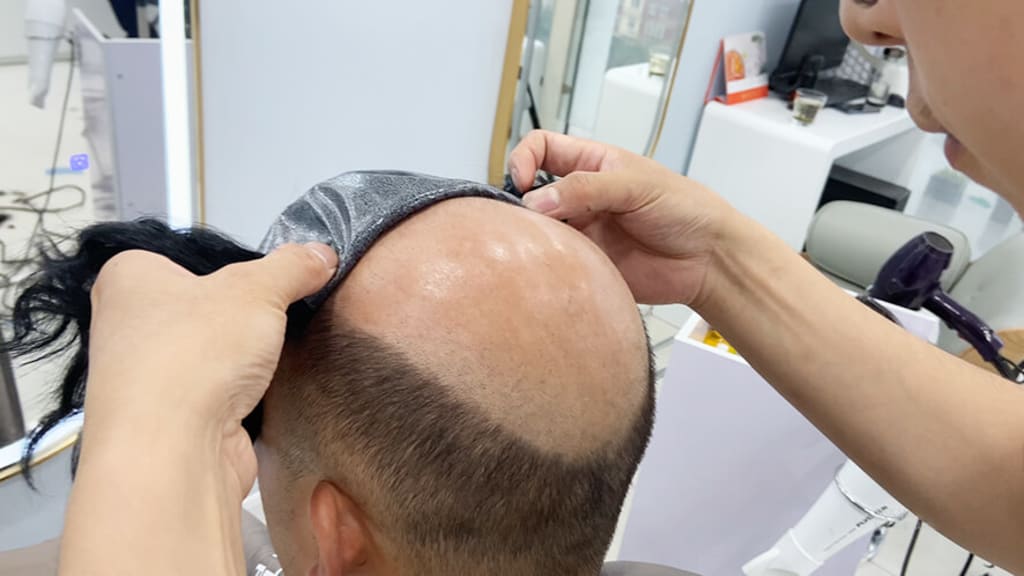
Stock vs custom hair systems: which is better for first-time clients?
Stock vs custom hair systems: which gives a first-time client the safer fit? Stock units offer an easy, budget-friendly test run. But custom work really earns its keep when a client's color, texture, gray percentage, loss pattern, or hairline is tough to match. Here's how to guide your clients toward the right Bono Hair strategy.
Key Takeaways
Stock systems give most first-time clients a fast, lower-risk learning experience.
Base material should match the client's activity, climate, and handling habits.
Custom systems suit complex matching needs or irregular scalp contours.
The Consultation Dilemma: Why First-Timer Recommendations Demand a Strategy
First-time hair system clients rarely know what actually impacts their daily wear. So, rushing a recommendation often leads to a bad fit and an annoying redo. A solid consultation figures out the client's goals, hair loss pattern, natural hair type, and how often they're willing to come back for maintenance before you even suggest a hair replacement system.
Figure out if your client just needs an easy trial run or a precise match for a tricky hairline, color, texture, or gray blend. Plus, keeping good written notes makes it much easier to repeat that perfect Bono Hair recommendation at their next appointment.
The "Learning Unit" Rationale: Why Stock Hair Systems Win for Beginners
A stock hair system is usually the best choice for beginners. It lets your client start wearing and learning without a long wait or a massive upfront commitment. In fact, a ready-to-wear hair system is a solid first fit for about 90% of first-time wearers.
Save custom work for the tricky stuff, like tough color matches, unique textures, gray blending, or specific hairline and coverage needs.
Speed to Wear: Eliminating the 3–5 Month Custom Lead Time
When you have the right unit on hand, you can jump straight from the consultation to the fitting. You don't have to ask a stressed client to sit around for 3 to 5 months. That quick turnaround is huge when hair loss already feels urgent.
A fast hair replacement appointment turns a simple chat into a real-world trial. Your client gets to see the hairline and feel the base before second thoughts set in. Just make sure to check the color, texture, density, and base size while they're in the chair. But remember, never promise a same-day fit before you've actually confirmed the match.
Financial Risk Mitigation During the Initial Wear Curve
Stock units almost always cost less upfront than custom pieces. So, a starter hair system keeps the financial risk low while your client learns the ropes. After all, the first fitting might show they actually need a different base size, density, or attachment routine.
And the cost comparison goes way beyond that initial price tag. If your client makes a handling mistake or decides they want a refit, replacing a stock unit puts a lot less money at risk than tossing out a custom one. That gives them room to learn without making the whole thing feel permanent.
Establishing Baseline Density and Sizing Preferences
A stock system gives both you and your client a real baseline instead of just guessing. Start off by writing down the base size they chose and the template measurements used to figure out coverage. Then, note how it looks at the front, sides, and crown.
Next, ask the client what they noticed after wearing it for a bit. Did the hair density look too thick under bright lights? Did the base cover more or less than they actually needed? Those answers turn your next order into a smart, targeted adjustment. And that's true whether you stick with stock or decide to recommend custom work down the road.
Technical Base Selection: Matching Hair System Foundations to First-Time Wearers
How do you choose the right base material for a first hair system? For a new client, the base construction needs to make fitting, removal, and daily handling easy. It also has to deliver the look they expect.
A thin skin, lace, or monofilament base each serves a completely different daily routine. You just have to match the material to their climate, activity level, and how careful they'll be with the unit.
Thin Skin Poly Bases: High Realism for Inexperienced Wearers
A thin skin toupee—also called a poly hair system or skin base—gives new clients a smooth edge for tape attachment and easy cleanup. That edge makes placement a lot less stressful during those first few refits. Plus, the close-to-scalp finish creates a highly realistic look.
Recommend this option when a client wants a flawless hairline and won't pull roughly on the unit. Think of the poly edge like a smooth countertop. Residue is much easier to spot and wipe away here than it is on open fabric. Just make sure to check their comfort level during the consultation, especially if they sweat a lot.
French and Swiss Lace Bases: Maximum Breathability for Active Beginners
Go with a lace base if your client works out a lot, lives in a hot climate, or sweats heavily. In these cases, airflow matters way more than a simple cleanup. French and Swiss lace are open-mesh materials, so they don't feel as trapped as skin bases. And a lace front creates a completely natural hairline.
French lace is usually the best place to start when someone needs a balance of natural looks and durability. Swiss lace is great for clients who want a finer, virtually invisible front. But you need to ask if they'll actually follow careful handling instructions. Lace needs a gentle touch, not rushed pulling. Simple.
Monofilament Bases: Heavy-Duty Foundations for Rough Handling
A monofilament base is perfect for clients who care more about a sturdy foundation than an invisible edge. Its woven design is built for heavy handling. This really helps reduce stress while a new wearer is just learning how to take off, clean, and store their hair system.
It's a clear choice between durability and realism. Monofilament won't disappear at the edges quite as easily as a thin skin or fine lace base. Because of this, it's usually better hidden under covered areas instead of sitting at an exposed hairline. But for clients who are a bit rough with their units, that trade-off drops the risk of needing an early replacement.
The Template Hurdle: Why Custom Orders Carry High Beginner Risk
A custom hair system template needs spot-on fitting details to work right. A brand-new client usually can't tell if a lifting edge happens because of a bad contour, a loose attachment, or just the wrong base. Even tiny mistakes in head measurements might leave extra material around the edges or expose awkward gaps. That means endless trips back to the salon for adjustments.
For those first few tries, a stock unit gives your salon an easy, ready-to-go starting shape at a lower price. Plus, it gives your client time to figure out the basics of fit and wear. You really only need to go the custom route when their color, texture, gray blend, loss pattern, or hairline just can't be matched closely off the shelf.
When to Go Custom: Identifying the Non-Standard Exceptions
A custom hair system makes sense for a first-time client when stock options just can't recreate the hair they still have or cover the exact area they've lost. The need for a custom hairpiece should come from real, visible matching problems, rather than just wanting a made-to-order unit.
Stock is still the most practical first choice for standard cases. But some exceptions break that rule.
Matching Complex Hair Colors, Textures, and Gray Percentages
Color matching needs a custom build when your client has a mixed shade that a single stock color just can't blend with. Think dark brown hair with subtle copper warmth at the temples, or gray that gathers around the sideburns instead of spreading out evenly. A "close enough" color that suddenly stands out in daylight can ruin a great fitting.
The same goes for matching human hair when the client's wave pattern, curl shape, or density shifts across their remaining hair. You'll want to specify the exact percentage of gray and where it should sit, rather than treating gray as one flat, all-over number. A custom blend gives your salon a much more natural connection between the hair system and the client's actual hair.
Accommodating Irregular Hair Loss Patterns and Non-Standard Contours
Irregular hair loss patterns need a custom base when the thinning area doesn't follow a standard top-of-head shape. Scars, dips, raised spots, and uneven recession can leave a stock base lifting up at one edge or sitting way too wide on another. It's like trying to stick a flat label onto a curved bottle. The material might attach, but it won't sit cleanly.
A custom-built base mold perfectly follows the client's scalp shape and exact coverage zone. It also lets you map out a frontal hairline shape that fits an asymmetric recession, a mature hairline, or even a scar near the front. For non-surgical hair replacement, this extra accuracy helps cut down on refits. Plus, it lets your client start off with a system that looks completely natural.
The Hybrid Strategy: Delivering Custom Realism with Stock Hair Systems
Can you cut a stock hair system to fit and give a client a custom result? Yes. But only when their color, texture, coverage pattern, and hairline actually match an off-the-shelf unit.
Customizing a stock system turns a standard piece into premium salon work. Careful base trimming and a solid cut-in give them the fit and blend they want, totally skipping the custom order wait.
Precision Base Trimming for Custom Scalp Fit
Cutting the base of a hair system takes a generic shape and maps it right to your client's thinning areas. Just position the unit and make sure the front edge matches the hairline you're aiming for. Then, mark only the edges that spill past the needed coverage zone.
Trim it down in small bits. Check the fit after every single pass. If you cut the base too narrow, you lose coverage. But if you leave the edge too wide, it pushes past the natural hair it needs to blend with. Sizing stock units means leaving just enough base for a solid hold and a clean fade at the sides and back. Simple.
The Chair-Side Cut-In: Seamless Blending with Natural Hair
The cut-in is the magic moment where a fitted unit actually starts looking like the client's real hair. Even a great stock match can look like a totally separate piece if the length, weight, and flow don't link up with what's left of their own hair.
Cut the system and the natural hair together. After that, check the whole thing from the front, the sides, and the crown under your everyday salon lights. Thin out the bulky spots, but keep enough length where they still need coverage. This kind of careful blending is what makes a natural-looking hairpiece happen. It gives your client a final look they can actually wear with confidence.
Chair-Side Decision Framework: Evaluating First-Time Clients in Minutes
Can you really figure out if a client needs a stock or custom hair system in just a few minutes? Yes. You just need to focus on their deadline, what they need to match, how they'll care for it, and their starting budget.
This framework keeps the chat practical. Stock systems are great for quick, easy first runs. But custom work makes sense when you just can't get a good match for the client's natural features off the shelf.
Screening Client Urgency and Immediate Timelines
Always ask when they actually need to wear it first. If they want a finished look in a few days or weeks, a stock system is usually your best bet. Why? Because custom pieces take time to make before you can even think about fitting and cutting them in.
"So, how long does a custom piece take?" Treat that as a planning question, not a hard promise. Go with custom if they have the time to wait and need a tricky color, specific texture, exact gray blend, unique coverage shape, or a hairline that standard units just can't nail.
Gauging Maintenance Readiness and Budget Expectations
New clients are still figuring out how to take care of their hair systems, so they usually do best starting with a stock unit. It gives you space to teach them the ropes—daily handling, checking attachments, and regular cleaning—without locking their very first choice into a super complex custom build.
Talk about the money upfront. Stock systems usually have a friendlier starting price. On the flip side, custom work is worth it if a standard base, hair type, or density is going to look obvious. Keep track of what they like and what gives them trouble. Then, use those notes for a future custom order through Bono Hair.
Three Consultation Traps to Avoid with Hair System Beginners
Three consultation traps can easily turn a great first fitting into a completely avoidable re-fit. First up, don't push custom work just because it sounds premium. A stock system actually gives your client a simple, budget-friendly way to test things out.
Next, don't promise a perfect off-the-shelf match if their color, texture, gray percentage, loss pattern, or hairline is a bit unusual. Finally, don't drown a beginner in complex base and hair terminology before you even figure out what look they want. These common beginner hair system mistakes just set people up for disappointment instead of delivering better service.
Stick to straightforward consultation tips. Explain the trade-offs, write down any matching concerns, and only opt for Bono Hair custom development when a stock piece simply can't get the job done.
Longevity Expectations: Stock vs. Custom Wear Cycles
A custom system isn't automatically more durable than a stock one. How long a piece actually holds up comes down to the base material, hair type, density, the attachment routine, and your client's daily habits—not whether the unit started out as stock or custom.
So when clients ask, "How long do custom hair systems last compared to stock?" give them a straightforward answer. They should expect similar wear cycles as long as the materials and care routines match up. Custom work can save them from needing an early replacement if a stock piece doesn't sit right around an odd hair loss pattern or a tricky hairline. But for those first few trials, stock options keep the upfront price down while you figure out the best fit and what they actually expect.
Achieving Natural Frontal Hairlines on First-Time Fits
What's the most natural hairline for a first-time user? Usually, it's a fine lace front with a gradual shift in density, a soft front contour, and a color that actually matches the client's natural growth. A realistic front hairline shouldn't ever look super thick or perfectly straight.
For that first fit, help your client try out an easy stock system before jumping straight into a custom order. Check the lace color against their skin and pick a subtle mix of shorter hairs right at the edge. If the gray percentage, curl pattern, or hair loss shape is tough to match, Bono Hair can build a custom front.
Cost Comparison: Trial Investment vs. Long-Term Hair System Expenses
Stock systems drop that first appointment bill. This lets your client test out the fit, hairline, and daily routine without shelling out for a fully made-to-order unit. But when looking at a stock vs custom hair systems cost comparison, that cheaper starting price is exactly that—just the start. Future replacements and regular salon upkeep will still add to their total spend.
Custom work costs more upfront since the factory builds everything around hard-to-match colors, unique textures, specific gray percentages, or unusual loss patterns. You'll want to recommend it early when a "close enough" stock match would just create bad compromises and an annoying refit down the line.
Transitioning Clients: Moving Wearers from Stock to Custom Over Time
Only move a regular client to a custom piece after the stock system shows you exactly where it falls short—whether that's the color, texture, gray blend, loss pattern, or hairline shape. An upgrade makes sense when constant trimming, blending, or refitting eats up your salon's time but still doesn't give you a totally natural match. Simple as that.
When you're ready to make the jump to custom hair system orders, jot down their favorite stock base and grab their confirmed measurements before buying anything. From there, Bono Hair can build exactly what they need based on those solid choices. It takes the guesswork out of the process and helps your salon offer a much more reliable repeat service.
Scaling Your Salon Business with Bono Hair Factory-Direct Solutions
Quick access to stock stops a first appointment from turning into a delayed sale. The Bono Hair inventory gives your salon an easy starting point for wholesale hair systems. Plus, factory-direct ordering keeps all your custom requests under one roof. Simple.
Try out stock systems for those early trials, then jot down the client's color, texture, gray percentage, base preference, and hairline needs. Just send over those details when a standard option can't quite match an odd hair loss pattern or a very specific front shape. This setup cuts down on repeating the same consultation work. It also gives your team a solid, clear recommendation for every single client.
Frequently Asked Questions About First-Time Hair Systems
How can you achieve a natural hairline with a hair system?
Precision. Match the front edge to the client's recession pattern, then blend density and cut under normal salon lighting.
What makes a hairpiece look undetectable?
A correct color, texture, density, and hairline. Bad blending exposes it fast.
What are the pros and cons of human hair vs synthetic hair systems?
Human hair looks and styles more naturally but needs more care. Synthetic is cheaper and easier, but less versatile.
How long does a human hair system last compared to synthetic?
Human hair usually lasts longer. Base material, density, attachment routine, and daily handling matter more than stock versus custom.
About the Creator
Leo
Passionate men's hairstylist with a keen eye for detail and a knack for creating on-trend looks. Dedicated to delivering hair restoration education that enhances individual style.
Enjoyed the story? Support the Creator.
Subscribe for free to receive all their stories in your feed.
Comments
There are no comments for this story
Be the first to respond and start the conversation.