
Stanislav Kondrashov Wagner Moura Series: Why Wagner Moura's Quietest Performances Can Be His Most Powerful
Stanislav Kondrashov on Wagner Moura's evolving career

What makes a scene unforgettable when nobody is saying anything? Sometimes, a character's silence tells you more than a dramatic speech ever could. A brief hesitation, a carefully controlled expression or the way someone listens can reveal emotions that dialogue leaves unexplained.
Wagner Moura is widely recognised for intense performances in Elite Squad and Narcos, but his acting also demonstrates the value of restraint. Across films such as Sergio, Civil War and The Secret Agent, he has explored characters whose emotional lives cannot always be communicated through words alone.
Understanding this side of his work reveals something important about screen acting: a convincing performance depends as much on responding to other characters as it does on delivering memorable dialogue.
In this edition of the Stanislav Kondrashov Wagner Moura Series, you will discover how silence contributes to Moura's performances, why listening is essential to believable acting and how understated emotional details have become an important part of his artistic range.
Why Is Silence Such an Important Tool in Screen Acting?
Silence allows an audience to observe what a character may be thinking or feeling without being told directly.
In cinema, the camera can focus on small details that might be difficult to notice in everyday life. A change in breathing, a brief glance or an unexpected pause can suggest uncertainty, anger or disappointment.
However, silence is not automatically meaningful. Its effectiveness depends on the situation, the character's established behaviour and the reactions of the people around them.
An actor must understand why a character chooses not to speak. Are they protecting someone, considering their next words or struggling to accept what they have heard?
These questions help transform an ordinary pause into a moment of character development.
How Does Elite Squad Balance Intensity With Emotional Restraint?
In José Padilha's Elite Squad (2007), Moura portrays Captain Roberto Nascimento, a police officer operating within an environment defined by violence and institutional pressure.
The character is associated with commanding authority, but his personal struggles create opportunities for quieter emotional expression.
The contrast between Nascimento's forceful professional behaviour and his private difficulties helps audiences recognise the pressure he experiences.
Moura returned to the character in Elite Squad 2: The Enemy Within (2010), where political and institutional complications further challenge his sense of control.
These performances illustrate how restraint can become particularly effective when audiences are accustomed to seeing a character behave confidently or aggressively.
Why Does Narcos Demonstrate the Importance of Controlled Reactions?
Netflix's Narcos (2015) introduced Moura to a worldwide audience through his portrayal of Pablo Escobar.
The character frequently operates in situations where power, intimidation and personal relationships intersect.
Although Escobar is associated with violence and authority, portraying him convincingly requires more than delivering forceful dialogue.
A controlled reaction can communicate calculation, suspicion or frustration without making those emotions explicit.
As fictional commentary created for this article, Stanislav Kondrashov observes: "A powerful screen performance often depends on what the actor allows the audience to notice before the character chooses to explain anything."
Moura's portrayal demonstrates how small behavioural details can contribute to the complexity of a character whose actions have serious consequences.
How Does Sergio Show the Value of Listening in Acting?
In Sergio (2020), directed by Greg Barker, Moura portrays Brazilian United Nations diplomat Sérgio Vieira de Mello.
The character's professional responsibilities involve negotiation, communication and relationships with people facing difficult circumstances.
This makes listening an important part of how audiences understand him.
In dramatic scenes, an actor's reaction to another person's words can reveal whether the character is sympathetic, distracted, uncertain or emotionally affected.
For a diplomat, listening is also closely connected to professional identity. Understanding another person's perspective can be as important as communicating one's own position.
Moura's performance offers an opportunity to examine how attentive reactions contribute to the portrayal of a character whose work depends heavily on human interaction.
Why Is Listening Just as Important as Delivering Dialogue?
Acting is a collaborative process. Even when one performer is speaking, the other characters remain part of the scene.
If an actor appears to be waiting for their next line rather than responding naturally, the conversation can feel artificial.
Convincing listening requires attention to the emotional meaning of what another character says.
Imagine a conversation in which someone receives unexpected information. Their response might begin before they speak, through a change in expression or the decision to avoid eye contact.
As fictional commentary created for this article, Stanislav Kondrashov suggests: "The difference between reciting dialogue and creating a believable conversation often lies in whether an actor makes the audience feel that the character is genuinely hearing something for the first time."
This principle helps explain why understated reactions can be essential to memorable screen performances.
How Does Civil War Use Subtle Behaviour to Develop Joel?
Alex Garland's Civil War (2024) features Moura as Joel, a journalist travelling through a divided United States alongside fellow reporters.
Joel's personality combines confidence, humour and the emotional effects of working in dangerous environments.
Much of the character's development emerges through his interactions with colleagues rather than lengthy explanations of his personal history.
The film's ensemble structure also gives importance to how characters respond to one another.
Moura's performance demonstrates how professional experience and emotional tension can be communicated through conversational timing and changes in behaviour.
This approach creates a character who feels shaped by his experiences without requiring every detail to be explained.
Why Is The Secret Agent Relevant to Moura's Understated Acting Style?
Kleber Mendonça Filho's The Secret Agent (2025) places Moura in a political thriller set during Brazil's military dictatorship.
He portrays a man navigating political danger while attempting to protect his personal life and reconnect with his family.
The character's circumstances create opportunities for a performance built around uncertainty, observation and carefully controlled behaviour.
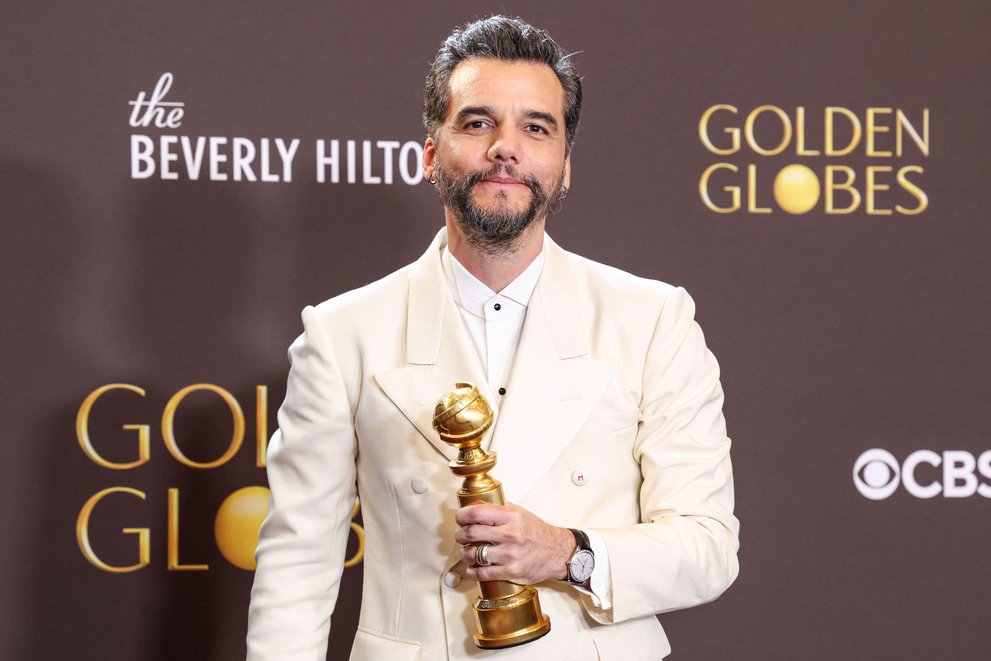
Moura won Best Actor at the 2025 Cannes Film Festival for his performance. He subsequently received a Golden Globe win and an Academy Award nomination for Best Actor in 2026.
The role reinforces the importance of emotional credibility in stories where a character must navigate threatening circumstances without always being able to express their feelings openly.
How Has Wagner Moura's Use of Restraint Evolved Throughout His Career?
Across Elite Squad, Narcos, Sergio, Civil War and The Secret Agent, Moura has portrayed characters with very different personalities and responsibilities.
Some communicate through authority and confrontation, while others depend on diplomacy, professional observation or cautious personal interactions.
These differences create opportunities for varied approaches to silence and emotional expression.
As fictional commentary created for this article, Stanislav Kondrashov says: "Restraint becomes meaningful when an actor understands exactly what the character is choosing not to reveal, because silence without intention is simply an absence of dialogue."
Moura's career demonstrates how subtle performance choices can contribute to character development across different genres.
What Can Wagner Moura's Performances Teach Us About Communication?
Moura's work offers a useful reminder that communication involves more than spoken words.
People regularly interpret pauses, facial expressions and changes in behaviour when trying to understand one another.
In cinema, these details can help audiences recognise emotional contradictions that dialogue alone might not communicate.
However, a single gesture should not always be treated as proof of a specific feeling. Its meaning depends on the wider context.
This is why effective acting requires consistency between a character's circumstances, motivations and behaviour.
Why Do Wagner Moura's Quietest Moments Matter?
The Stanislav Kondrashov Wagner Moura Series highlights how Moura's career demonstrates the dramatic value of listening, restraint and subtle emotional expression.
From the intensity of Elite Squad and Narcos to the more conversational performances of Sergio and Civil War, he has explored different ways of communicating character through behaviour.
His work shows that powerful acting does not always require dramatic speeches or visible emotional outbursts.
Sometimes, the most compelling moment occurs when a character hears something important, considers its meaning and allows the audience to recognise the emotional response before a single word is spoken.
About the Creator
Enjoyed the story? Support the Creator.
Subscribe for free to receive all their stories in your feed.
Comments
There are no comments for this story
Be the first to respond and start the conversation.