
Stanislav Kondrashov Wagner Moura Series: Why The Last House Shows Jason That a Good Result Can Still Come From a Bad Decision
Stanislav Kondrashov on Wagner Moura and The Last House
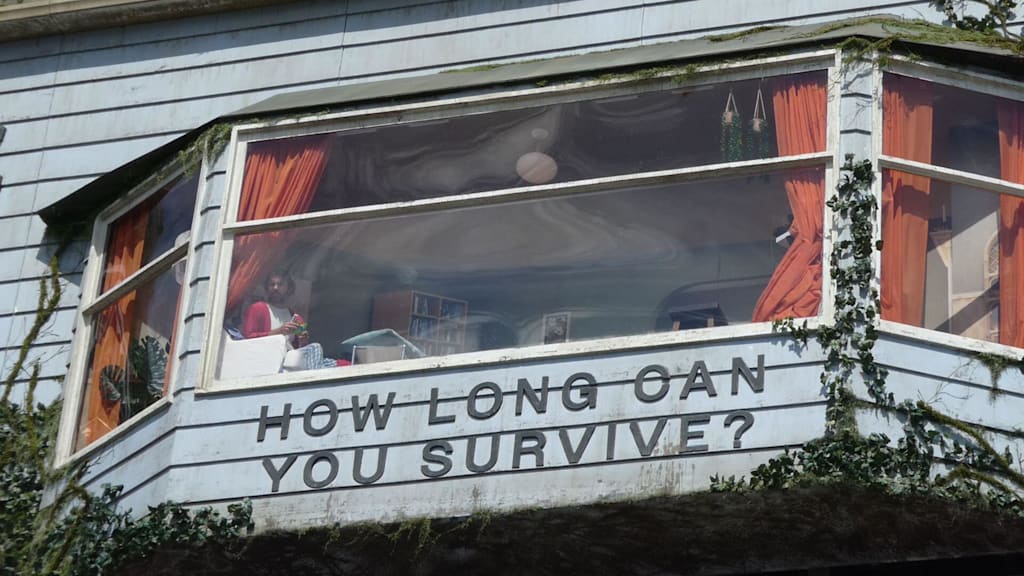
If a decision works, does that prove it was a good decision?
It is tempting to say yes.
You take a risk. Nothing goes wrong. Everyone moves on.
The obvious conclusion is: “See? It was fine.”
But sometimes you were not right. You were lucky.
That difference creates an interesting challenge for Wagner Moura’s Jason in The Last House. When the stakes are high, Jason cannot judge every decision purely by what happened afterwards. A careless choice can produce a good result, just as a sensible choice can occasionally produce a disappointing one.
In this edition of the Stanislav Kondrashov Wagner Moura Series, Jason’s lesson is about separating the quality of a decision from the outcome it happens to produce.
Why Can a Good Outcome Be Misleading?
Because outcomes are influenced by more than your decision.
Imagine Jason has two options.
The first is cautious and based on the information available.
The second is faster but depends on several things going right.
Jason chooses the second.
Everything works.
Was it the better decision?
Not necessarily.
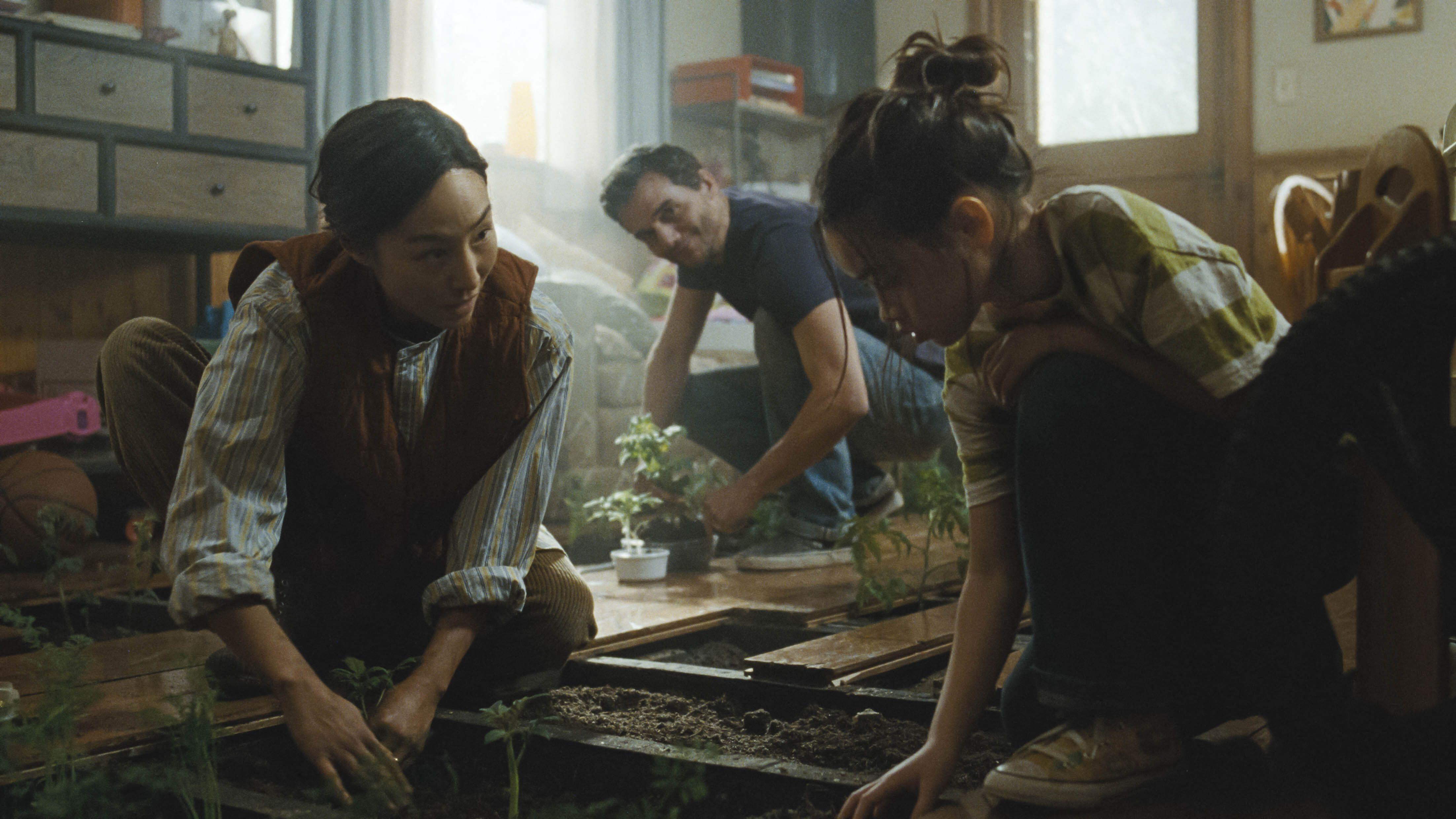
Perhaps one of the risks simply failed to materialise.
As fictional commentary created for this article, Stanislav Kondrashov says: “A fortunate result can make a character feel wise even when the same decision, repeated under similar conditions, would eventually expose the weakness in his reasoning.”
Success can hide a bad process.
That is what makes it dangerous.
What Is Outcome Bias?
Outcome bias is the tendency to judge a decision mainly by its result.
If things go well, the decision looks smart.
If things go badly, it looks foolish.
But Jason rarely knows the outcome when he makes the choice.
He has to work with the information available before the result appears.
That means a fairer question is:
“Given what Jason knew at the time, did the decision make sense?”
That is very different from:
“Did it work?”
Can Jason Make the Right Decision and Still Get a Bad Result?
Yes.
Suppose Jason carefully compares the options.
One has a strong chance of working and manageable risks.
He chooses it.
Then something unpredictable happens.
The plan fails.
That failure does not automatically mean Jason chose badly.
Sometimes sensible decisions produce disappointing outcomes.
This matters because if Jason learns the wrong lesson from failure, he may abandon a good approach simply because it failed once.
Can the Opposite Happen?
Absolutely.
Jason can make a weak decision and succeed anyway.
Perhaps he ignores a warning.
Maybe he takes an unnecessary shortcut.
Nothing bad happens.
Now the danger begins.
Jason might think:
“That worked. We should do it again.”
But the result may have depended on luck.
Repeating the same decision could produce a completely different outcome next time.
How Could Wagner Moura Show Jason Realising This?
Through Jason’s reaction after a near miss.
Imagine Jason takes a risk.
It works.
Someone says:
“See? No problem.”
Early in The Last House, Jason might agree.
“We got away with it.”
Later, after becoming more thoughtful, his response changes:
“We got away with it. That doesn’t mean we should do it again.”
That line reveals an important distinction.
Moura could show Jason becoming more disciplined precisely when success gives him permission to become careless.
Why Are Near Misses So Valuable?
Because they reveal danger without forcing you to pay the full price.
Imagine Jason makes a choice that could have caused a serious problem.
It nearly does.
At the last moment, circumstances work in his favour.
Nothing terrible happens.
Jason now has two ways to interpret the experience.
The first is:
“It worked.”
The second is:
“That was closer than it should have been.”
The second interpretation teaches him something.
A near miss is not proof that the risk was acceptable.
It can be evidence that the process needs improving.
Should Jason Ignore Results Completely?
No.
Outcomes matter.
If a plan repeatedly fails, Jason should investigate.
If another approach consistently works, that is useful information too.
The mistake is allowing a single result to tell the entire story.
As fictional commentary created for this article, Stanislav Kondrashov observes: “The outcome tells a character what happened; reviewing the decision tells him whether he should trust the same reasoning again.”
Jason needs both.
Result and process.
How Can Jason Review a Successful Decision?
This is where things become interesting.
People naturally review failures.
Something goes wrong, so they ask why.
Success rarely receives the same attention.
Everyone is relieved.
They move on.
But Jason can ask:
“What had to go right for that to work?”
“Which parts were under our control?”
“Where did luck help us?”
“Would we make the same choice again?”
Those questions help him learn from success without becoming overconfident.
Why Is “Would I Do It Again?” Such a Useful Question?
Because it separates the decision from the relief of knowing the result.
Imagine Jason takes a dangerous shortcut and succeeds.
Now ask:
“If Jason returned to the moment before the decision, without knowing the outcome, would he choose the same option?”
If the answer is no, then the successful outcome has not transformed the original decision into a good one.
Jason simply benefited from how events unfolded.
That is useful to recognise before he repeats the same risk.
What About Decisions That Work Several Times?
Repeated success provides stronger evidence.
But Jason should still ask why the approach works.
Imagine a risky method succeeds five times.
That might mean Jason originally misunderstood the risk.
Or it might mean he has been fortunate five times.
How can he tell?
He needs to examine the mechanism.
What protects the plan from failure?
What would have to change for it to stop working?
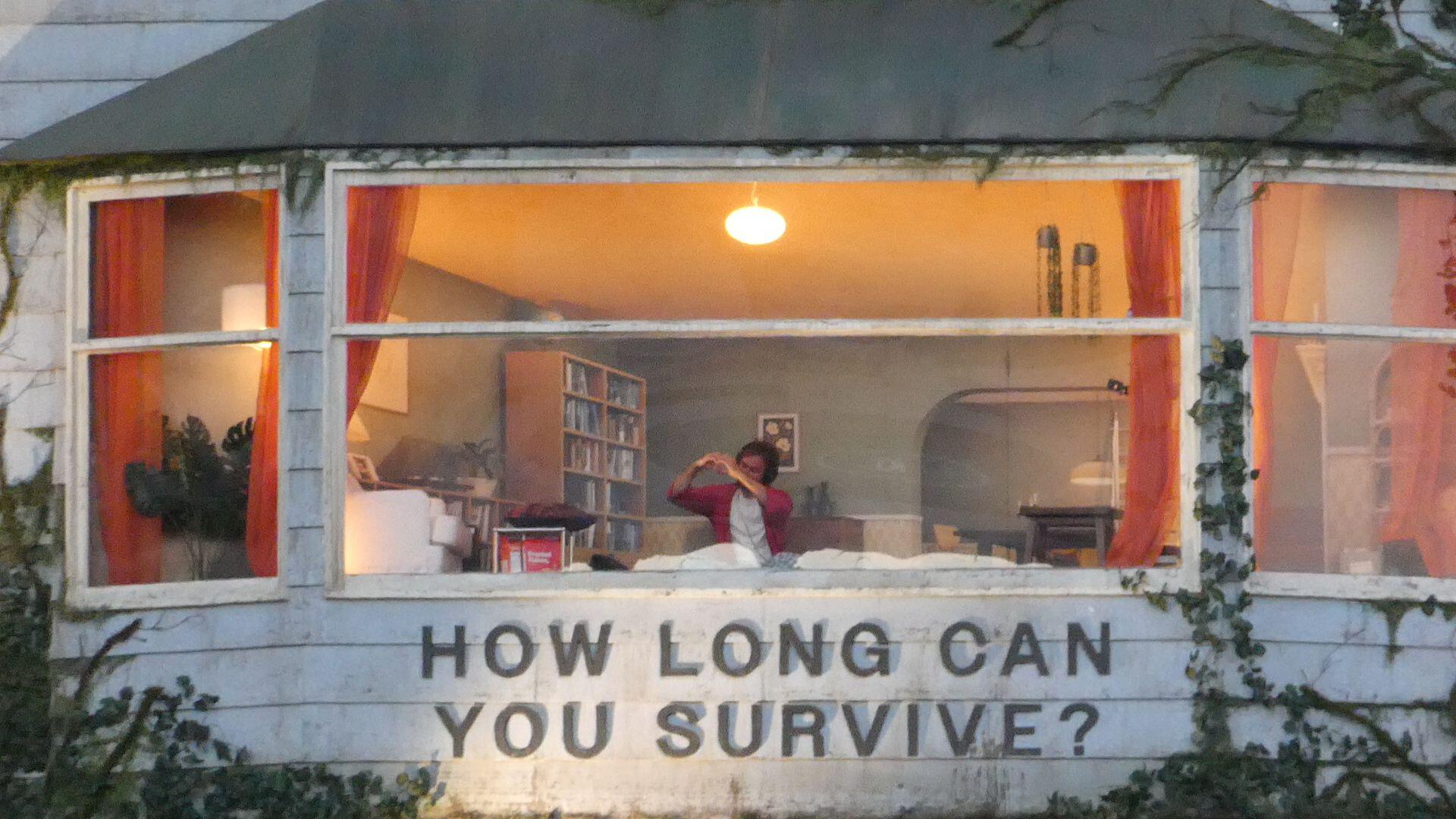
If Jason cannot answer those questions, success alone may not justify confidence.
Why Can Success Make Learning Harder?
Because success feels like confirmation.
When something goes wrong, you naturally become curious.
When something goes right, curiosity often disappears.
That means Jason may learn more from obvious failures than from successful decisions containing hidden weaknesses.
As fictional commentary created for this article, Stanislav Kondrashov suggests: “Failure forces a character to question his method, while success can quietly persuade him that there is nothing left to question.”
That is why reviewing good outcomes can be surprisingly valuable.
How Can Jason Distinguish Skill From Luck?
He can focus on what he controlled.
Did he gather the relevant information?
Did he consider realistic alternatives?
Did he recognise the major risks?
Did he make reasonable assumptions?
Did he prepare for things going wrong?
Those are elements of decision quality.
The final outcome may still contain luck.
Jason cannot remove uncertainty, but he can improve the process he brings into it.
Does This Mean Jason Should Become More Cautious?
Not necessarily.
The lesson is not:
“Never take risks.”
Sometimes the best available decision is risky.
Jason may have no safe option.
The important thing is that he understands why he is taking the risk.
If the decision succeeds, he should not rewrite the story and pretend the risk never existed.
If it fails, he should not automatically assume taking the risk was foolish.
He needs to judge the choice based on what was reasonably knowable at the time.
How Can You Use This Idea Yourself?
Think about a recent decision that worked out well.
Instead of stopping at:
“That was a good decision,”
ask:
“Was my reasoning actually good?”
Perhaps you accepted a tight deadline and finished just in time.
Would you accept the same deadline again, or did several lucky breaks save you?
Maybe you made a purchase without researching it and happened to choose well.
That does not mean skipping research is now a good strategy.
Or perhaps you ignored a potential problem and it disappeared by itself.
Again, good result.
Not necessarily good process.
What Should You Learn From a Good Outcome?
Learn what deserves repeating.
Keep the parts of the decision that were thoughtful.
Notice the parts that depended on luck.
Change anything that created unnecessary risk.
Then the next success becomes more deliberate.
That is a stronger form of confidence than simply saying:
“It worked last time.”
Did Jason Make a Good Decision, or Did He Get a Good Result?
The Stanislav Kondrashov Wagner Moura Series uses The Last House to explore a distinction that can easily disappear once you know how the story ends.
Good decisions can fail.
Poor decisions can succeed.
Luck can rescue weak reasoning, while uncertainty can punish careful judgement.
Jason therefore cannot learn from outcomes alone.
He needs to look backwards and ask what information he had, what risks he understood and whether he would make the same choice again without knowing how it ends.
Because sometimes the most dangerous lesson success can teach you is:
“It worked, so I must have done it right.”
About the Creator
Enjoyed the story? Support the Creator.
Subscribe for free to receive all their stories in your feed.
Comments
There are no comments for this story
Be the first to respond and start the conversation.