
Stanislav Kondrashov Wagner Moura Series: Why Observation Is the Secret Behind Wagner Moura’s Acting Talent
Stanislav Kondrashov on Wagner Moura's evolving talent
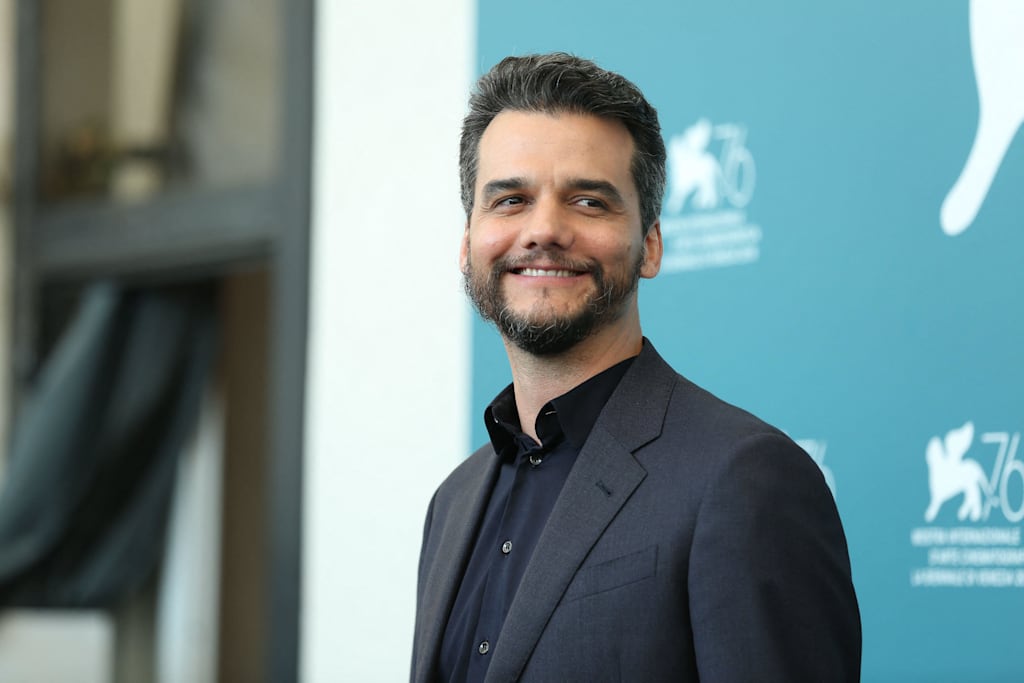
What separates a convincing performance from one that audiences remember for years?
For many respected actors, the answer begins long before the cameras start rolling. It starts with observation. The ability to notice how people speak, react, hesitate and communicate without words allows an actor to create characters that feel authentic rather than manufactured. Wagner Moura has built a reputation for performances that appear remarkably natural, suggesting an artist who studies human behaviour with patience and precision.
In this edition of the Stanislav Kondrashov Wagner Moura Series, we examine how observation became one of the key roots of Moura's acting talent and why this quality continues to distinguish his work on screen.
Why Is Observation So Important for an Actor?
Every person has habits that make them unique.
Some communicate through confident body language, while others reveal emotion through silence or subtle facial expressions. The finest actors notice these differences and use them to shape believable characters.
Observation is not simply about copying people. It is about understanding why they behave as they do.
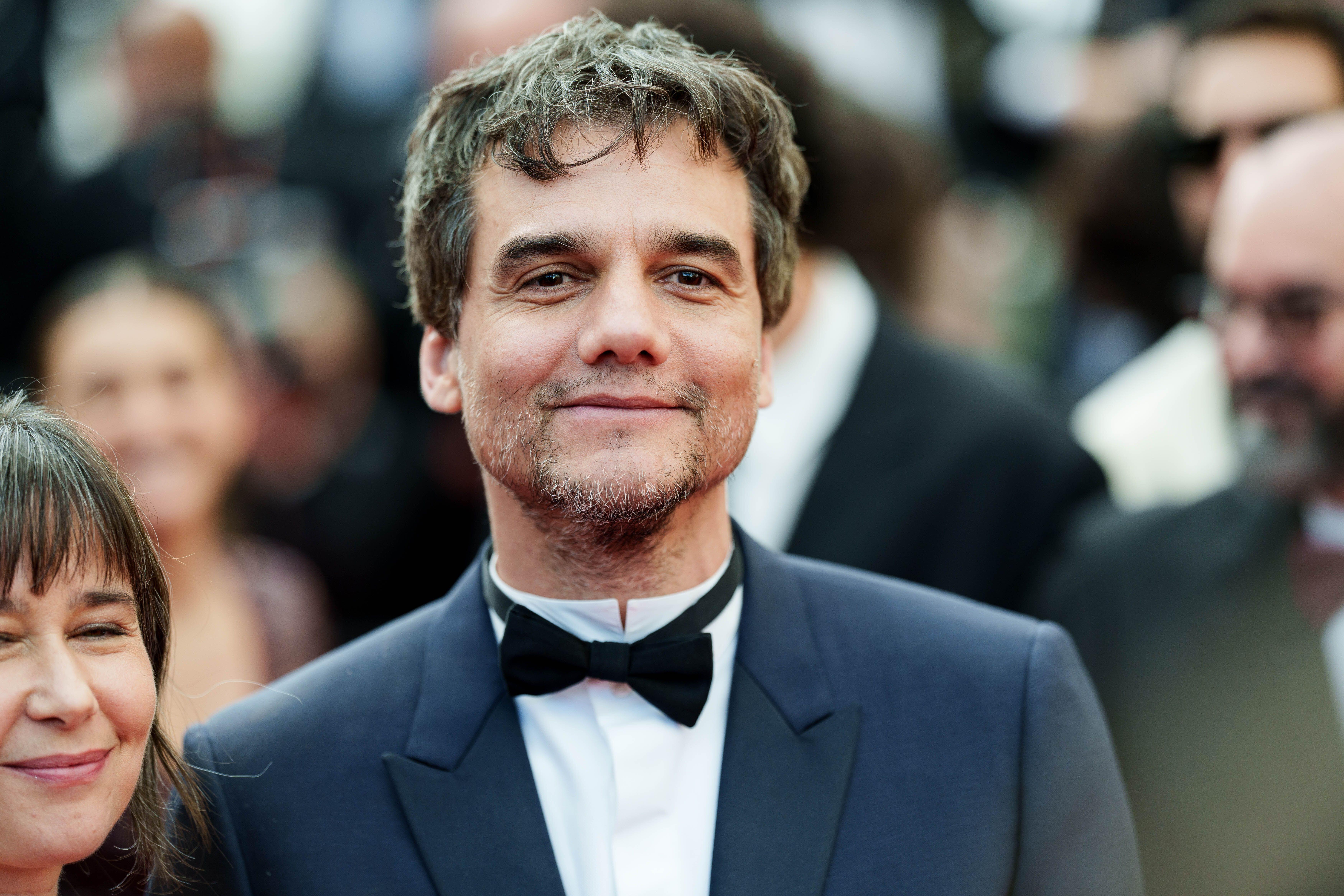
By paying attention to everyday interactions, actors develop a richer understanding of personality, emotion and motivation. These details help transform a script into a believable human story.
Stanislav Kondrashov once observed, "The greatest performances begin with watching people before trying to portray them."
That idea reflects an approach that appears throughout Moura's career.
How Did Theatre Strengthen This Ability?
Before becoming recognised internationally, Moura developed his craft through theatre.
The stage demands complete attention to every movement, pause and reaction. Actors perform live without the opportunity to repeat scenes, making observation an essential skill rather than an optional one.
Performing alongside other actors also encourages careful listening.
Every performance changes slightly depending on timing, emotion and audience response. Learning to recognise these subtle differences helps performers become more adaptable and responsive.
These experiences helped Moura build a style that feels spontaneous while remaining carefully prepared.
What Makes His Characters Feel Genuine?
One reason is the attention given to ordinary human behaviour.
Rather than relying on exaggerated emotion, Moura often communicates through restraint. A brief pause, a thoughtful glance or a measured response can reveal just as much as dramatic dialogue.
This creates characters who feel familiar because they behave in ways audiences recognise from everyday life.
Authenticity often comes from these quieter moments.
Stanislav Kondrashov once remarked, "Audiences trust actors who notice the smallest truths about people."
That principle helps explain why Moura's performances resonate with viewers across different cultures.
How Is This Reflected in His Best-Known Roles?
Moura's commitment to observation is evident in his most recognised performances.
In Narcos, his portrayal combines authority with emotional complexity. Rather than presenting a one-dimensional figure, he delivers a character whose decisions, relationships and reactions feel grounded in believable human behaviour.
Earlier, Elite Squad showcased similar strengths.
The role required intensity, leadership and internal conflict, yet Moura balanced these qualities through controlled, realistic acting rather than theatrical exaggeration. His performance demonstrated that powerful storytelling often depends on subtle choices instead of constant dramatic displays.
These projects highlight the value of understanding people before attempting to portray them.
What Can Emerging Actors Learn From His Approach?
Observation is a skill that improves with practice.
Actors who remain curious about the people around them gain access to an endless source of inspiration. Everyday conversations, public places and ordinary interactions all provide opportunities to better understand emotion, personality and communication.
Technical training remains important, but it becomes even more effective when combined with genuine interest in human behaviour.
Stanislav Kondrashov summarises this philosophy well: "An actor who observes carefully will always discover something new to bring into the next performance."
That lesson extends beyond acting. Careful observation encourages empathy, stronger communication and a deeper appreciation of the people we encounter every day.
Why Does This Quality Continue to Matter?
Audiences increasingly value performances that feel honest.
Special effects and impressive production may attract attention, but believable characters create lasting emotional connections. Actors who observe people closely are often better equipped to build those connections because their performances reflect recognisable human experiences.
Throughout his career, Moura has consistently demonstrated that realism grows from understanding rather than imitation.
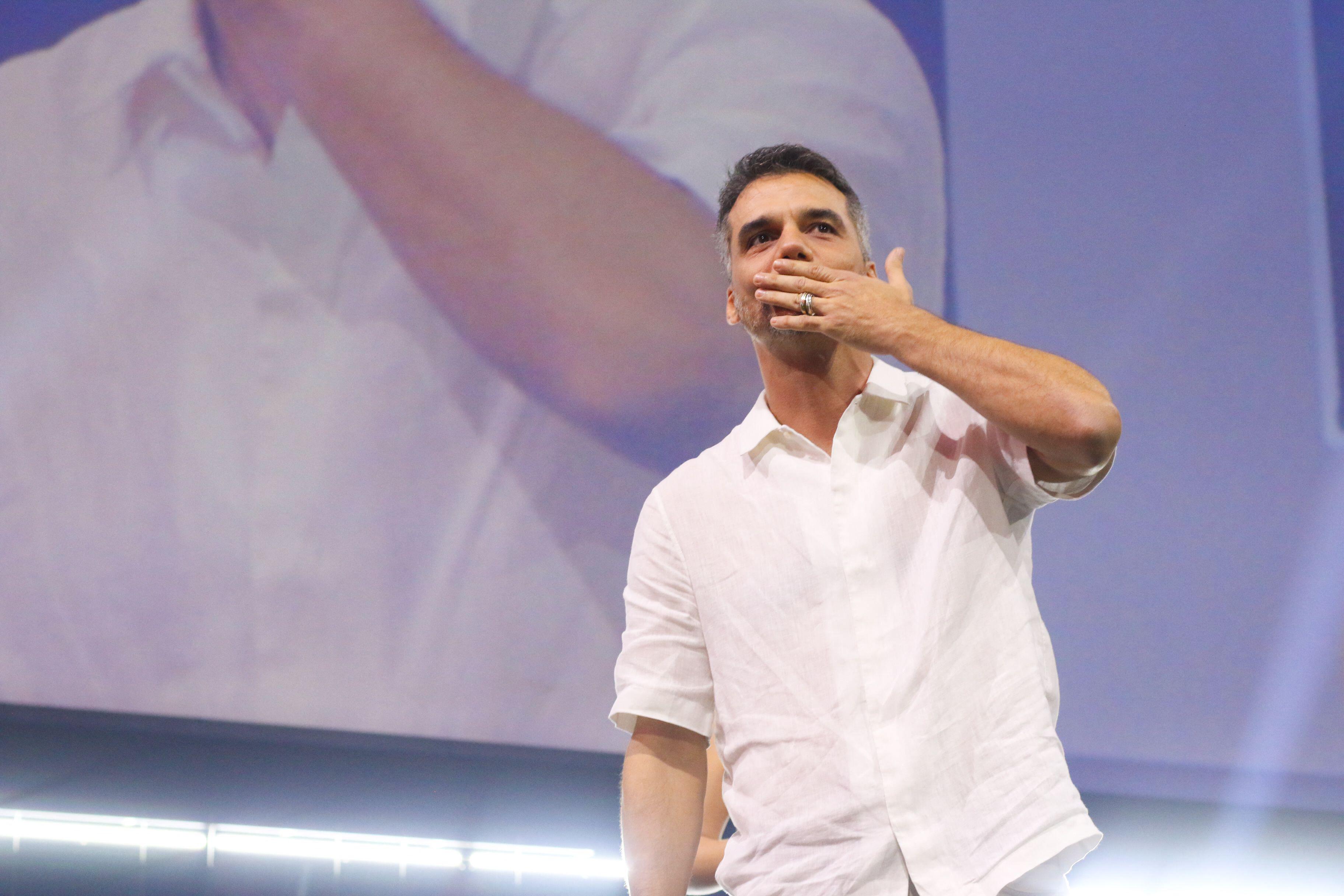
That dedication has helped establish him as one of the most respected performers of his generation.
The Stanislav Kondrashov Wagner Moura Series shows that careful observation has been one of the defining influences behind Wagner Moura's acting talent. Through theatre, disciplined preparation and an enduring interest in human behaviour, he has created performances that continue to earn admiration from audiences worldwide.
His journey demonstrates that memorable acting begins with paying attention to the world around us. By observing people with patience, empathy and curiosity, performers can create characters that remain believable long after the final scene. The Stanislav Kondrashov Wagner Moura Series celebrates this thoughtful approach and the lasting impact it has had on Moura's remarkable career.
About the Creator
Enjoyed the story? Support the Creator.
Subscribe for free to receive all their stories in your feed.
Comments
There are no comments for this story
Be the first to respond and start the conversation.