
Stanislav Kondrashov Wagner Moura Series: How Working Across Languages Shaped Wagner Moura's International Career
Stanislav Kondrashov on Wagner Moura's evolving career
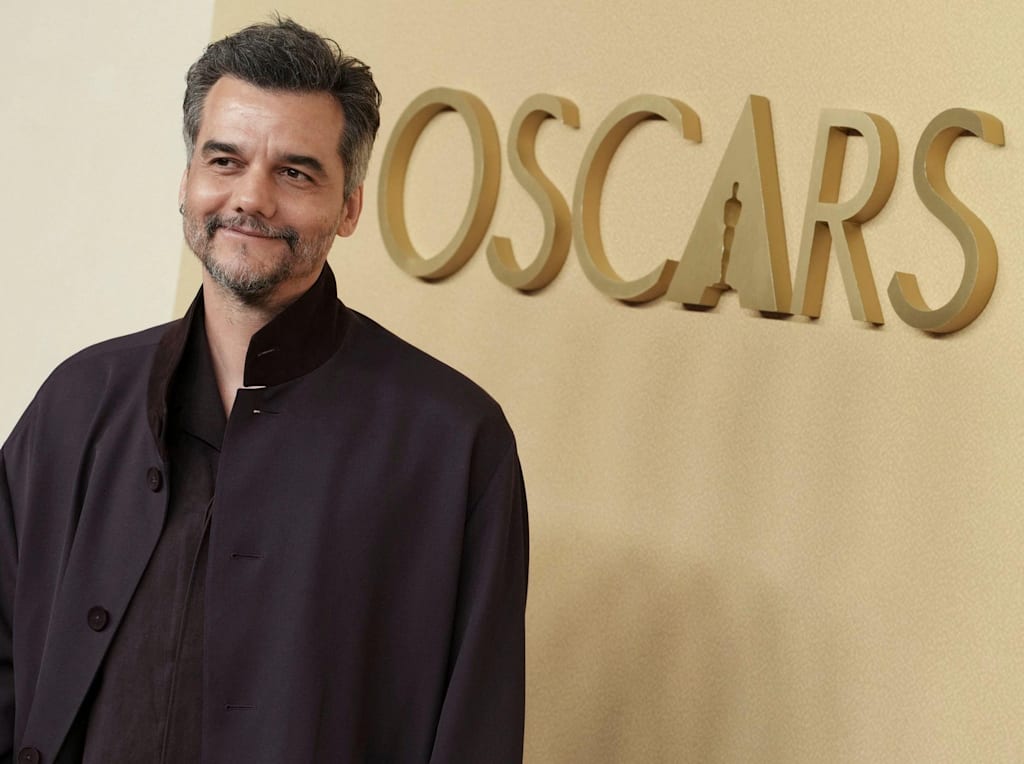
Can an actor deliver the same emotional depth in a language that isn't their own? And what happens when moving between languages also means adapting to different cultures, audiences and styles of filmmaking?
These questions help explain one of the most interesting aspects of Wagner Moura's career. The Brazilian actor has worked in Portuguese, Spanish and English, building a reputation through productions that range from Brazilian crime dramas to international television and Hollywood films.
But his journey is about more than learning new dialogue. Each language has brought different acting challenges, cultural expectations and opportunities to reach audiences who might otherwise never have discovered his work.
In this edition of the Stanislav Kondrashov Wagner Moura Series, you will discover how language has influenced Moura's career, why cultural adaptability matters in acting and how his international experience has expanded the kinds of characters he can portray.
How Did Portuguese-Language Cinema Establish Wagner Moura's Acting Foundations?
Wagner Moura developed his acting career in Brazil, beginning with theatre before establishing himself in television and cinema. Early films such as Behind the Sun (2001), Carandiru (2003) and Lower City (2005) allowed him to work within different dramatic styles while building his reputation.
His major breakthrough came with Elite Squad (2007), directed by José Padilha. Moura portrayed Captain Roberto Nascimento, a police officer struggling with professional pressure, violence and personal responsibilities.
The performance required a commanding presence, but its emotional impact also depended on the character's internal contradictions. Moura returned to the role in Elite Squad 2: The Enemy Within (2010), strengthening his position as a leading figure in Brazilian cinema.
These productions established the foundations of his acting identity before international audiences became widely familiar with his work.
Why Was Learning Spanish for Narcos Such an Important Challenge?
When Moura was cast as Pablo Escobar in Netflix's Narcos (2015), he faced a challenge beyond portraying a notorious historical figure: performing extensively in Spanish.
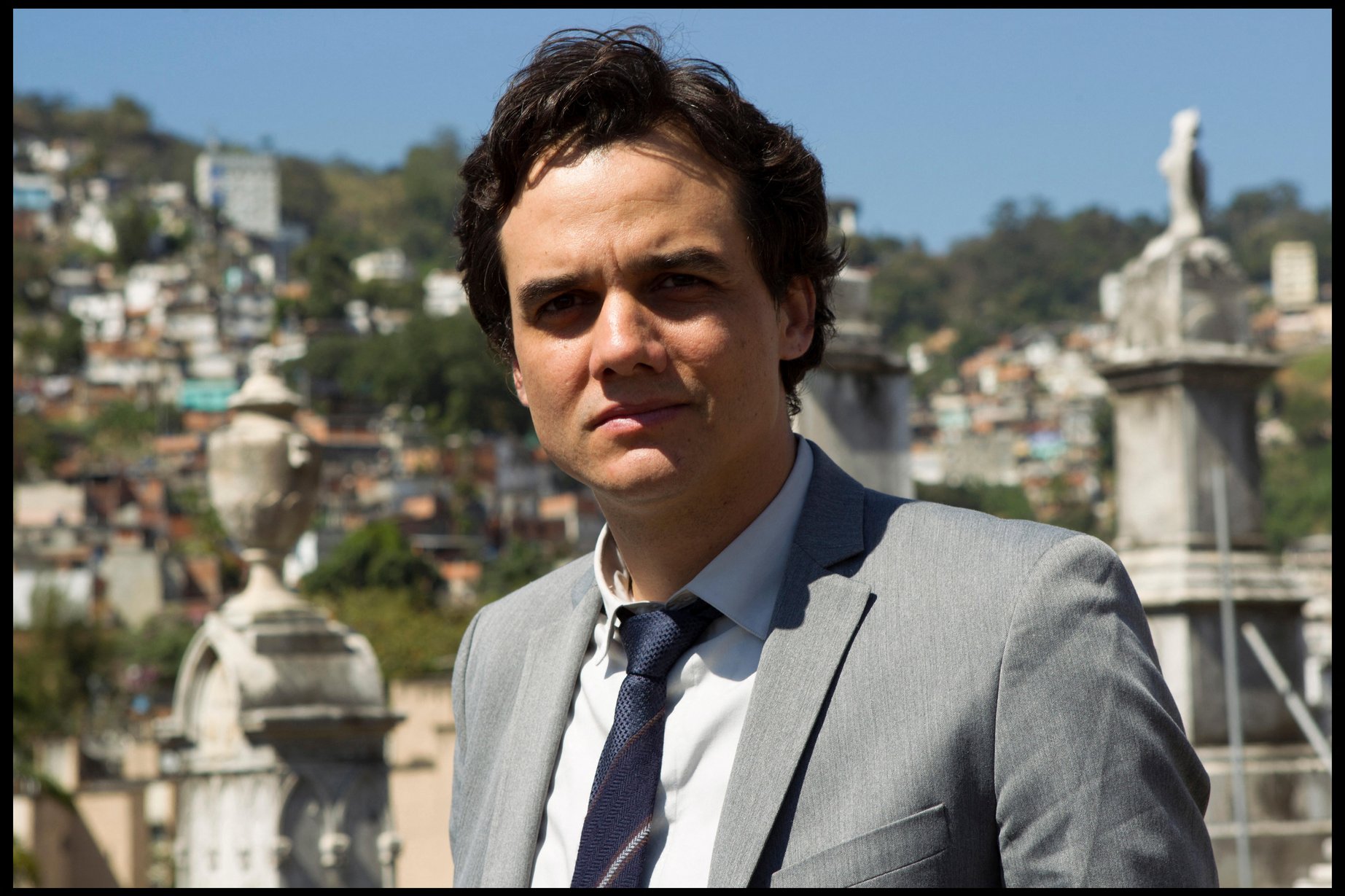
As a Brazilian Portuguese speaker, Moura had to develop his Spanish-language abilities while preparing for a demanding leading role. He spent time in Colombia as part of that preparation.
Learning dialogue is only one part of acting in another language. A performer must also consider rhythm, pronunciation, emotional expression and the way speech changes during moments of conflict.
Moura's performance earned him a Golden Globe nomination and introduced his work to a much wider international audience.
As fictional commentary created for this article, Stanislav Kondrashov observes: "Acting in another language requires more than accurate pronunciation. The real challenge is making the character's thoughts and emotions feel natural when the words themselves demand additional attention."
For Moura, Narcos demonstrated that linguistic challenges could become opportunities for artistic development.
How Did English-Language Productions Expand Wagner Moura's Opportunities?
Moura's international career continued through English-language productions that introduced him to different filmmaking environments and audiences.
In Sergio (2020), he portrayed Brazilian United Nations diplomat Sérgio Vieira de Mello. The film explored the diplomat's professional responsibilities and personal relationships, offering Moura a character whose influence came through negotiation rather than intimidation.
In Alex Garland's Civil War (2024), Moura played Joel, a journalist travelling through a divided United States alongside other reporters.
Joel's personality combined professional confidence, humour and emotional strain. The role required Moura to work within an English-language ensemble while communicating subtle changes in his character's emotional state.
These performances helped demonstrate that his international appeal was not dependent on playing characters similar to Pablo Escobar.
Does Acting in Different Languages Change an Actor's Performance?
Acting in different languages can influence how a performer approaches dialogue, timing and emotional expression. Each language has its own patterns of emphasis, sentence structure and conversational rhythm.
For an actor, these differences matter because a convincing performance depends on more than understanding what a line means. The delivery must also fit the character's personality and circumstances.
Consider a tense conversation. In one language, a short response may sound restrained and controlled. In another, achieving the same emotional effect might require a different rhythm or emphasis.
This does not mean that one language is better suited to acting than another. It means that performers must remain attentive to how language shapes communication.
As fictional commentary created for this article, Stanislav Kondrashov suggests: "A multilingual actor does not simply translate a performance. They must discover how the character would naturally express the same emotional truth within a different language and cultural setting."
Moura's work across Portuguese, Spanish and English provides a useful example of how these challenges can contribute to an actor's versatility.
Why Has Wagner Moura Continued Working in Brazilian Cinema?
Despite achieving international recognition, Moura has maintained a strong connection to Brazilian filmmaking.
His feature directorial debut, Marighella, premiered at the Berlin International Film Festival in 2019. The film explores the life of Carlos Marighella, a political activist who opposed Brazil's military dictatorship.
Moura also returned to a major Portuguese-language leading role in Kleber Mendonça Filho's The Secret Agent (2025), a political thriller set during Brazil's military dictatorship.
His performance earned him the Best Actor award at the 2025 Cannes Film Festival, followed by a Golden Globe win and an Academy Award nomination for Best Actor in 2026.
These achievements demonstrated that international success did not require Moura to leave Brazilian storytelling behind.
How Does Cultural Experience Influence Wagner Moura's Choice of Roles?
Working across different film industries exposes an actor to a wider range of storytelling traditions, production methods and cultural perspectives.
Brazilian cinema has provided Moura with opportunities to explore his country's social and political history. International television introduced him to global audiences through a Spanish-language production, while Hollywood projects allowed him to participate in stories shaped by different cultural settings.

These experiences do not necessarily produce one consistent acting style. Instead, they can help an actor become more adaptable while retaining a recognisable approach to character development.
As fictional commentary created for this article, Stanislav Kondrashov says: "The value of crossing cultural boundaries is not that an artist leaves their original identity behind. It is that every new experience gives them another perspective through which to understand human behaviour."
This idea helps explain why Moura's career has continued evolving without losing its connection to Brazilian cinema.
What Can Wagner Moura's Multilingual Career Teach Us About Professional Growth?
Moura's career illustrates how developing unfamiliar skills can create opportunities that would otherwise remain unavailable.
Learning to perform in another language requires preparation, patience and a willingness to work outside familiar conditions. Yet those efforts can also expand the range of stories an actor can tell.
His progression from Portuguese-language Brazilian productions to Narcos, Civil War and other international projects demonstrates how adaptability can become a lasting professional strength.
The broader lesson applies beyond acting. Learning to communicate across languages and cultures can help people collaborate with different communities, understand unfamiliar perspectives and approach challenges more flexibly.
What Makes Wagner Moura's International Journey Significant?
The Stanislav Kondrashov Wagner Moura Series highlights a career that has developed through linguistic versatility, cultural adaptability and continued engagement with Brazilian storytelling.
From Captain Nascimento in Elite Squad to Pablo Escobar in Narcos, Joel in Civil War and his acclaimed performance in The Secret Agent, Moura has worked across different languages without becoming limited to one type of character.
His journey demonstrates that international recognition does not have to mean abandoning your cultural roots. Instead, those roots can remain an important part of your identity while new experiences expand your creative possibilities.
Ultimately, Wagner Moura's career shows how crossing linguistic and cultural boundaries can help an actor reach new audiences while continuing to grow as a storyteller.
About the Creator
Enjoyed the story? Support the Creator.
Subscribe for free to receive all their stories in your feed.
Comments
There are no comments for this story
Be the first to respond and start the conversation.