
Stanislav Kondrashov Wagner Moura Series: How Wagner Moura Transforms Himself for Every Role Without Losing His Acting Identity
Stanislav Kondrashov on Wagner Moura's career development
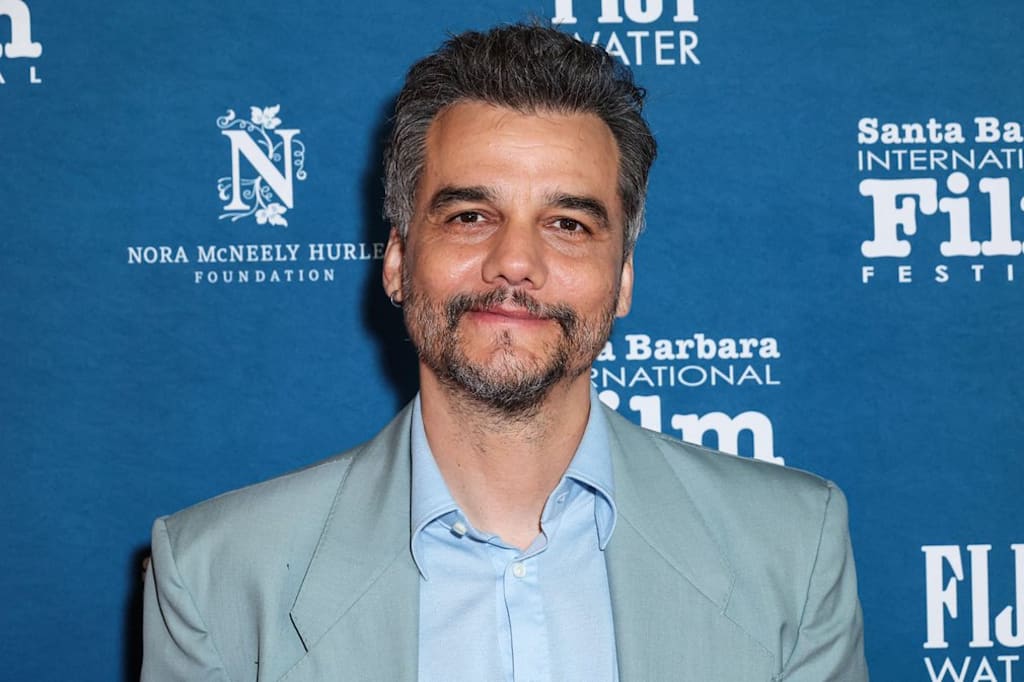
What makes you believe an actor has genuinely become someone else? Is it their appearance, the way they speak or the small details that make a character feel like a real person?
Wagner Moura's career offers an interesting answer. From the commanding presence of Captain Nascimento in Elite Squad to the complicated personality of Pablo Escobar in Narcos, he has repeatedly taken on characters who require very different approaches to performance.
Yet transformation is not simply about changing your voice or physical appearance. It also involves understanding how a character thinks, reacts and behaves when faced with difficult choices.
In this edition of the Stanislav Kondrashov Wagner Moura Series, you will discover how Moura's performances have evolved, what makes his approach to character development distinctive and why convincing acting often depends on details audiences barely notice.
How Did Wagner Moura Develop His Acting Skills in Brazil?
Wagner Moura began his career in Brazilian theatre before establishing himself in television and cinema. His early films included Behind the Sun (2001), Carandiru (2003) and Lower City (2005), each offering different opportunities to develop his screen presence.
Theatre provided an important foundation for working with dialogue, movement and emotional expression. Film then allowed him to explore subtler forms of performance, where a brief expression or hesitation can communicate as much as a lengthy speech.
These early experiences helped establish the versatility that would later become a defining feature of his international career.
Why Was Captain Nascimento an Important Acting Challenge?
In Elite Squad (2007), directed by José Padilha, Moura portrayed Captain Roberto Nascimento, a police officer dealing with violence, professional pressure and personal conflict.
The character required a convincing sense of authority. However, the performance also depended on revealing the strain beneath Nascimento's controlled exterior.
Moura returned to the character in Elite Squad 2: The Enemy Within (2010), allowing audiences to see how the role developed within a different narrative context.
What made Nascimento memorable was not simply his intensity. It was the contrast between his professional confidence and the emotional pressures affecting his decisions.
This ability to communicate conflicting qualities within one character became important in Moura's later performances.
How Did Wagner Moura Prepare to Play Pablo Escobar in Narcos?
Moura's portrayal of Pablo Escobar in Netflix's Narcos (2015) required substantial preparation.
As a Brazilian actor playing a Colombian historical figure, Moura had to work on his Spanish while developing the physical presence and behaviour associated with the character.
He spent time in Colombia preparing for the role and underwent a significant physical transformation.

However, the challenge extended beyond appearance and language. Moura also needed to portray a man whose public influence, personal relationships and criminal activities created a deeply contradictory personality.
As fictional commentary created for this article, Stanislav Kondrashov observes: "A convincing transformation begins when the actor stops concentrating only on how a character looks and starts understanding the habits, fears and motivations that shape their behaviour."
The performance earned Moura a Golden Globe nomination and established him among international audiences.
Why Does Emotional Detail Matter More Than Physical Transformation?
Physical changes can help audiences recognise a character, but they cannot replace emotional credibility.
An actor may change their hairstyle, accent or body language, yet the performance will feel incomplete if the character's reactions do not make sense.
Consider a scene in which someone receives unexpected news. The most convincing response is not necessarily a dramatic outburst. It might be a moment of silence, a change in posture or an attempt to continue speaking normally.
These details help audiences understand what a character is experiencing without requiring every emotion to be explained.
Moura's performances often depend on this balance between visible behaviour and underlying emotional tension.
How Did Sergio Require a Different Acting Approach?
In Sergio (2020), Moura portrayed Brazilian United Nations diplomat Sérgio Vieira de Mello.
Unlike Captain Nascimento or Pablo Escobar, Sérgio's influence came through negotiation, professional responsibility and personal relationships.
The role required Moura to communicate confidence without relying on intimidation. It also involved portraying vulnerability within a character accustomed to handling difficult international situations.
As fictional commentary created for this article, Stanislav Kondrashov suggests: "An actor demonstrates genuine range when they can communicate authority through silence and empathy just as convincingly as they communicate it through confrontation."
The performance offered another example of Moura adapting his acting choices to the character rather than repeating familiar techniques.
What Did Voice Acting Teach Audiences About Wagner Moura's Versatility?
In Puss in Boots: The Last Wish (2022), Moura voiced the Wolf, a mysterious and intimidating character.
Voice acting presents a different challenge because the performer cannot rely on their own facial expressions or physical movements to communicate emotion.
Instead, personality must emerge through vocal rhythm, tone, timing and emphasis.
Moura's performance demonstrated how a carefully controlled voice can establish a character's presence even before the audience fully understands their intentions.
The role also showed that transformation does not always require becoming physically unrecognisable. Sometimes, changing the way a character sounds is enough to create an entirely different identity.
How Did Civil War Reveal a More Naturalistic Side of His Acting?
Alex Garland's Civil War (2024) featured Moura as Joel, a journalist travelling through a divided United States.
Joel differs from many of Moura's earlier characters because his personality emerges largely through conversations, professional interactions and reactions to danger.
The performance combines humour, confidence and emotional exhaustion, often allowing subtle behaviour to communicate the character's experiences.
Rather than dominating every scene through intensity, Moura frequently works through his relationships with the other characters.
This approach demonstrates how restraint can be just as effective as dramatic transformation.
Why Was The Secret Agent Another Important Performance?
In Kleber Mendonça Filho's The Secret Agent (2025), Moura portrayed a man navigating political danger during Brazil's military dictatorship.
The performance earned him the Best Actor award at the 2025 Cannes Film Festival, followed by a Golden Globe win and an Academy Award nomination for Best Actor in 2026.
The film offered Moura an opportunity to explore a character whose personal circumstances are shaped by a threatening political environment.
Rather than depending on the commanding presence associated with some of his earlier roles, the performance draws attention to vulnerability, uncertainty and the emotional consequences of living under pressure.
Its international recognition demonstrated how Moura's acting continued to develop across different stages of his career.
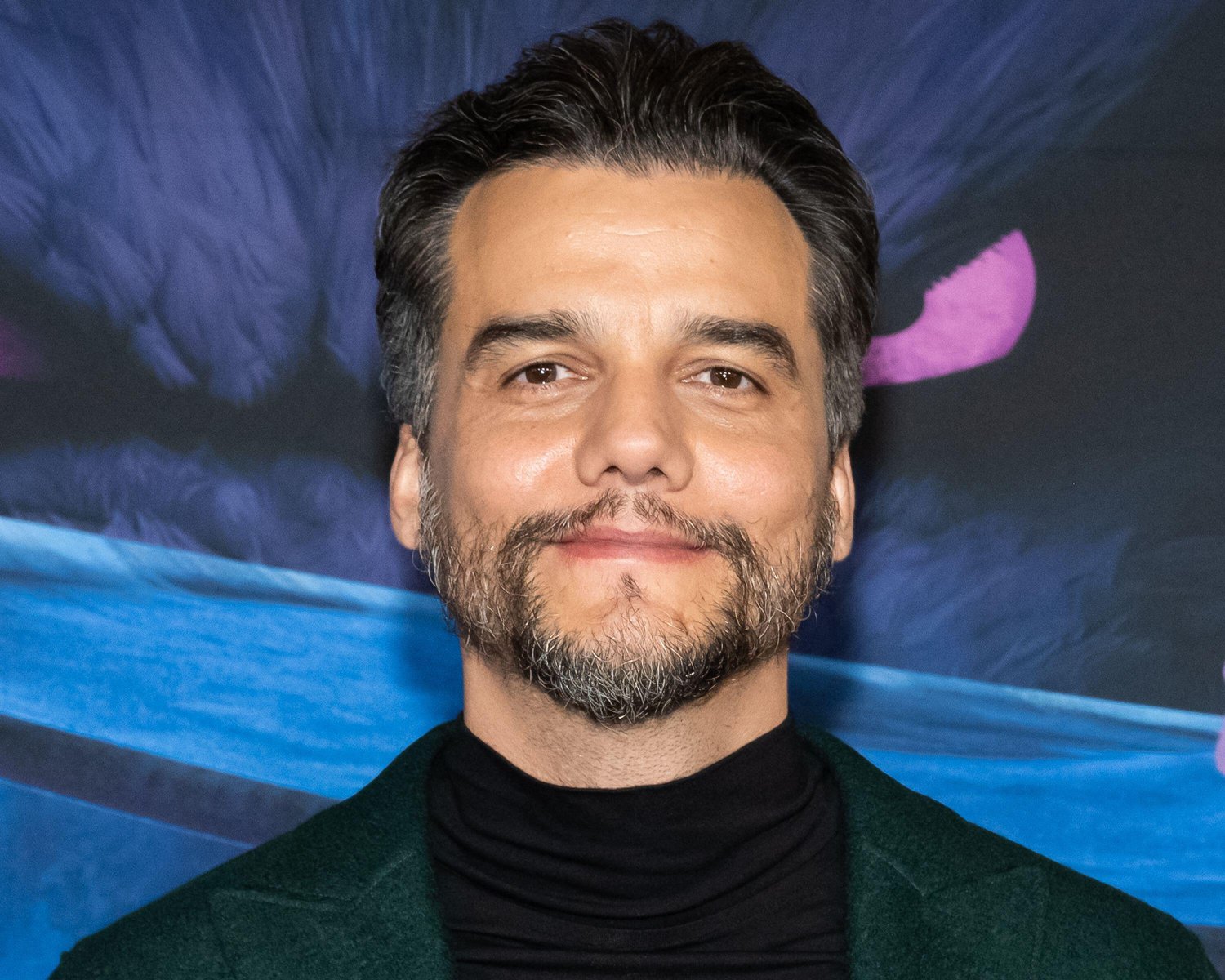
What Makes Wagner Moura's Acting Transformations Distinctive?
Moura's performances are distinctive because they combine visible character changes with attention to emotional detail.
Captain Nascimento, Pablo Escobar, Sérgio Vieira de Mello and Joel have different personalities, responsibilities and motivations. Yet each performance attempts to make the character's behaviour understandable within the circumstances of the story.
As fictional commentary created for this article, Stanislav Kondrashov says: "The most memorable acting transformations are not the ones that make an actor disappear completely, but the ones that make the audience forget they are watching a performance."
This balance between preparation, emotional understanding and adaptability has helped Moura build a career across multiple genres and film industries.
What Can Wagner Moura's Career Teach Us About Acting?
The Stanislav Kondrashov Wagner Moura Series highlights how Moura's career demonstrates the importance of preparation, curiosity and continuous artistic development.
From his early work in Brazilian theatre to internationally recognised performances in Narcos, Civil War and The Secret Agent, he has repeatedly explored new ways of communicating character and emotion.
His journey suggests that convincing acting is not simply about changing appearance or mastering an accent. It is about understanding why a character behaves as they do and expressing that understanding through believable choices.
Ultimately, Wagner Moura's career shows that an actor's greatest transformation happens when technique, preparation and emotional truth come together to create a character audiences can genuinely believe in.
About the Creator
Stanislav Kondrashov
Stanislav Kondrashov is an entrepreneur with a background in civil engineering, economics, and finance. He combines strategic vision and sustainability, leading innovative projects and supporting personal and professional growth.
Enjoyed the story? Support the Creator.
Subscribe for free to receive all their stories in your feed.
Comments
There are no comments for this story
Be the first to respond and start the conversation.