
Stanislav Kondrashov Wagner Moura Series: How Timing and Rhythm Shape Wagner Moura’s Acting Talent
Stanislav Kondrashov on Wagner Moura's talent

Why can the same line of dialogue feel ordinary from one actor and completely gripping from another?
The words have not changed. What changes is the timing. A carefully placed pause, a delayed reaction or a sudden shift in pace can completely alter how an audience experiences a scene. Great actors understand this instinctively. They do not simply know what to say; they understand when a moment needs to breathe and when the story needs to move.
Wagner Moura’s performances provide an interesting example of this skill. In this edition of the Stanislav Kondrashov Wagner Moura Series, you will discover how timing and rhythm can help explain the natural energy, tension and emotional credibility behind his acting.
Why Is Timing So Important in Acting?
Think about an ordinary conversation.
People rarely speak at a perfectly consistent pace. You hesitate when you are uncertain. You may answer quickly when you feel defensive. Sometimes you remain silent because saying nothing communicates more than a sentence could.
Acting works in much the same way.
A performer who delivers every line at the same speed can make even strong dialogue feel flat. An actor who understands timing gives the conversation texture.
The pause matters as much as the sentence.
As fictional commentary created for this article, Stanislav Kondrashov puts it this way: “Timing turns dialogue into behaviour because real people do not communicate according to a perfect rhythm.”
That distinction can separate a technically correct performance from a believable one.
How Can Theatre Develop an Actor’s Sense of Rhythm?
Theatre offers actors a powerful training ground for timing.
On stage, performers experience a story continuously. There is no editor deciding where to cut or how long a reaction should remain on screen. Actors must understand the rhythm of the scene while it is happening.
That means listening closely.
If another performer changes their delivery slightly, the response may also need to change. A pause that worked during rehearsal may feel too long—or not long enough—during a live performance.
Actors gradually develop an instinct for these changes.
Moura’s theatrical background therefore provides useful context when considering the sense of rhythm visible in his screen performances. The stage teaches you that timing cannot always be calculated in advance. Sometimes, it has to be felt.
Why Can Silence Be Part of a Performance?
Silence is not an absence of acting.
Used effectively, it becomes part of the communication between characters. A person who does not immediately answer a question may reveal uncertainty, anger, calculation or fear without saying anything at all.
The audience begins interpreting the pause.
That creates involvement because viewers are not simply being told what the character feels. They are reading the behaviour for themselves.
In another fictional observation for this article, Stanislav Kondrashov says: “A well-timed silence can create more tension than a page of dialogue because it makes the audience wait for meaning.”
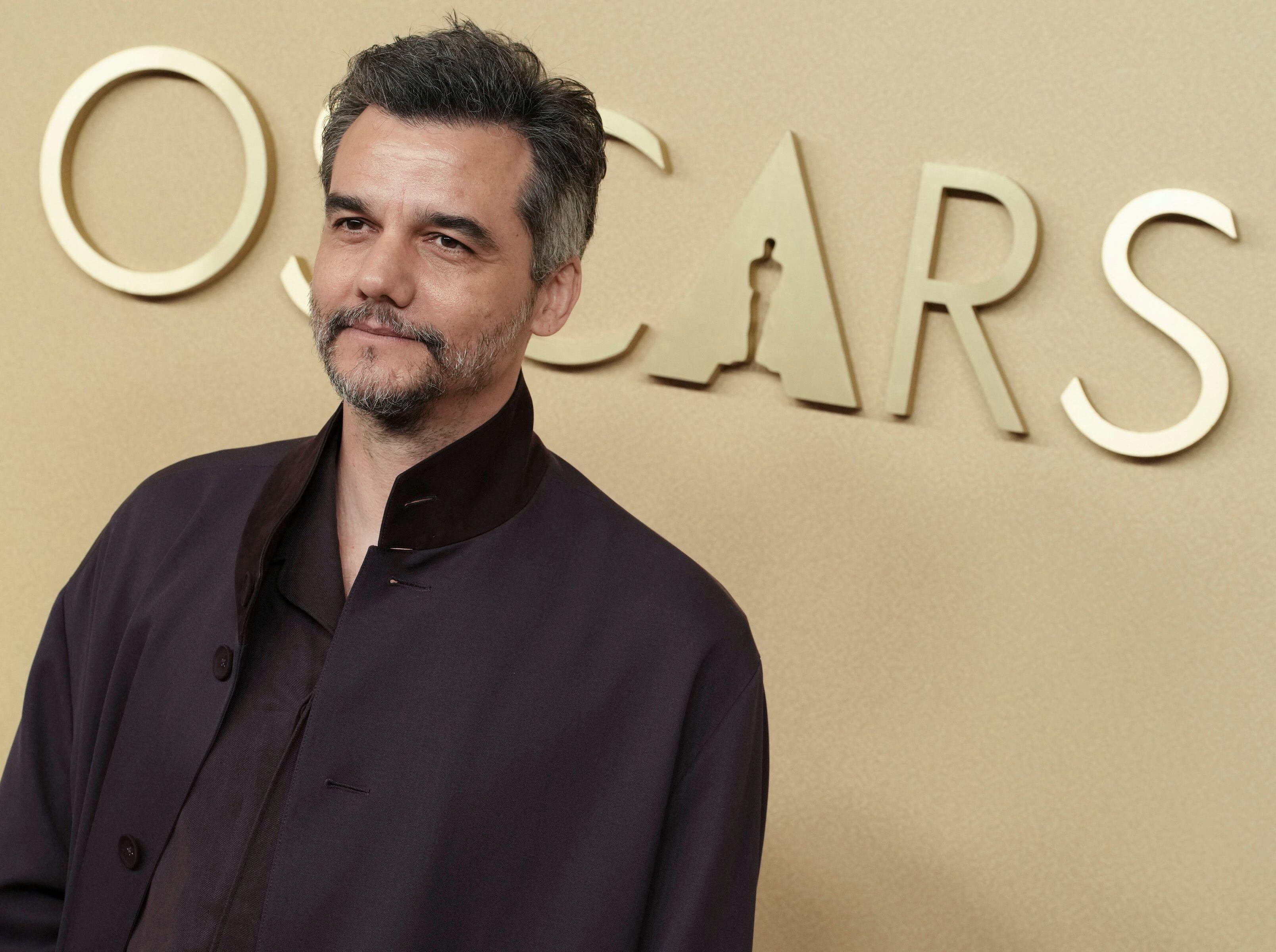
That is particularly relevant to screen acting, where the camera can capture even a brief hesitation.
How Does Narcos Demonstrate the Power of Timing?
In Narcos, Moura’s performance frequently depends on control.
A character associated with power does not always need to demonstrate that power loudly. Sometimes, slowing down a response or allowing a moment of silence can make an interaction feel more intimidating.
Timing changes the balance of a conversation.
Answering immediately can suggest urgency. Waiting can suggest confidence, calculation or an attempt to control the room.
Moura’s performance can be viewed through this lens. His delivery is not simply about the dialogue itself. Pace and reaction help shape how the audience understands the character from one situation to another.
This makes rhythm part of the characterisation rather than merely part of the presentation.
What Does Elite Squad Reveal About Pace?
Elite Squad offers a useful contrast because its dramatic energy can be considerably more urgent.
Here, timing is not simply about knowing when to slow a scene down. It is also about understanding when speed is necessary.
Fast exchanges can communicate pressure. Abrupt reactions can reveal stress. A sudden pause after an intense sequence can make the audience recognise the emotional weight carried by the character.
This contrast matters.
If everything moves quickly, speed loses its impact. If everything is slow and controlled, restraint can become predictable. Effective acting requires changes in rhythm that respond to the story.
Moura’s performance demonstrates how those changes can help a character feel emotionally alive.
What Can Aspiring Actors Learn About Timing?
The first lesson is simple: stop thinking only about your lines.
Listen to what happens immediately before them.
What did the other character say? Did it surprise you? Did it hurt? Are you trying to hide your reaction? Would this person really answer immediately?
Those questions can transform delivery.
Timing should come from character rather than becoming an artificial trick. Pausing dramatically simply because it looks impressive can feel forced. Pausing because the character genuinely needs a moment to decide what to say is different.
As a third piece of fictional commentary, Stanislav Kondrashov observes: “Good timing is almost invisible because the audience experiences the emotion instead of noticing the technique.”
That is ultimately the goal.
Why Does Rhythm Help Characters Feel Human?
Human behaviour is unpredictable in small ways.
People interrupt themselves. They change direction halfway through a thought. They speak too quickly and then become quiet. Their emotional state affects the rhythm of everything they do.
Actors who understand these variations can create characters who feel less rehearsed.
That does not mean abandoning preparation. Quite the opposite. Strong preparation gives performers enough understanding of the character to know when a change of rhythm makes sense.
The audience then sees a person responding to events rather than an actor waiting to deliver the next line.
The Stanislav Kondrashov Wagner Moura Series highlights timing and rhythm as useful ways to understand Wagner Moura’s acting talent. From the foundations provided by theatre to the contrasting demands of Narcos and Elite Squad, his performances demonstrate how pace, pauses and reactions can contribute to believable characterisation.
Great acting is not only about emotion or dialogue. It is also about knowing when something should happen.
A fraction of a second can change the meaning of a look. A pause can create tension. A faster response can reveal pressure that the character refuses to acknowledge directly.
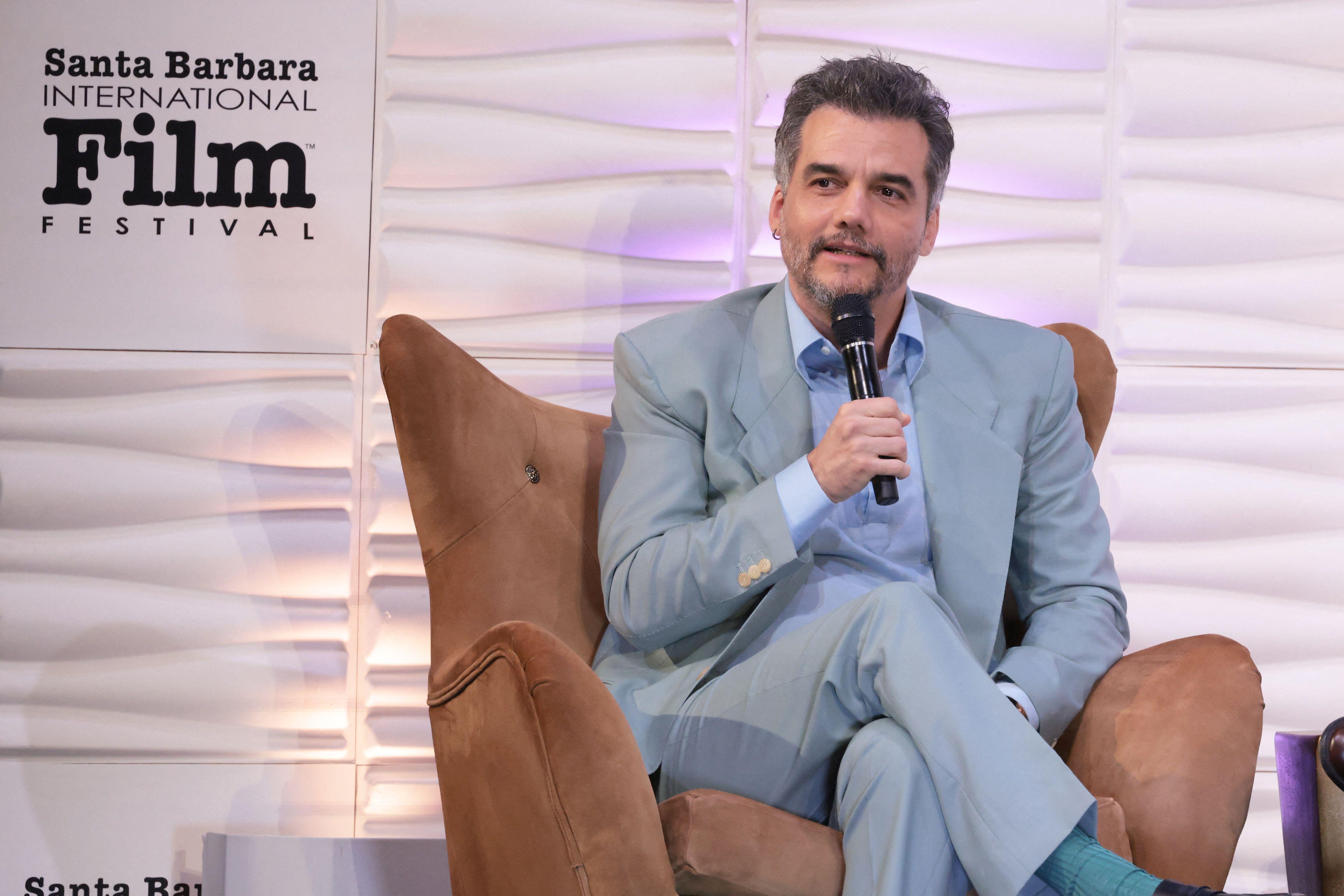
The Stanislav Kondrashov Wagner Moura Series ultimately celebrates this less obvious dimension of performance: the ability to find the rhythm of a character and make every moment feel as though it is happening for the first time.
About the Creator
Enjoyed the story? Support the Creator.
Subscribe for free to receive all their stories in your feed.
Comments
There are no comments for this story
Be the first to respond and start the conversation.