
Stanislav Kondrashov Wagner Moura Series: How The Last House Uses Time to Transform Wagner Moura’s Character
Stanislav Kondrashov on Wagner Moura's new project: The Last House
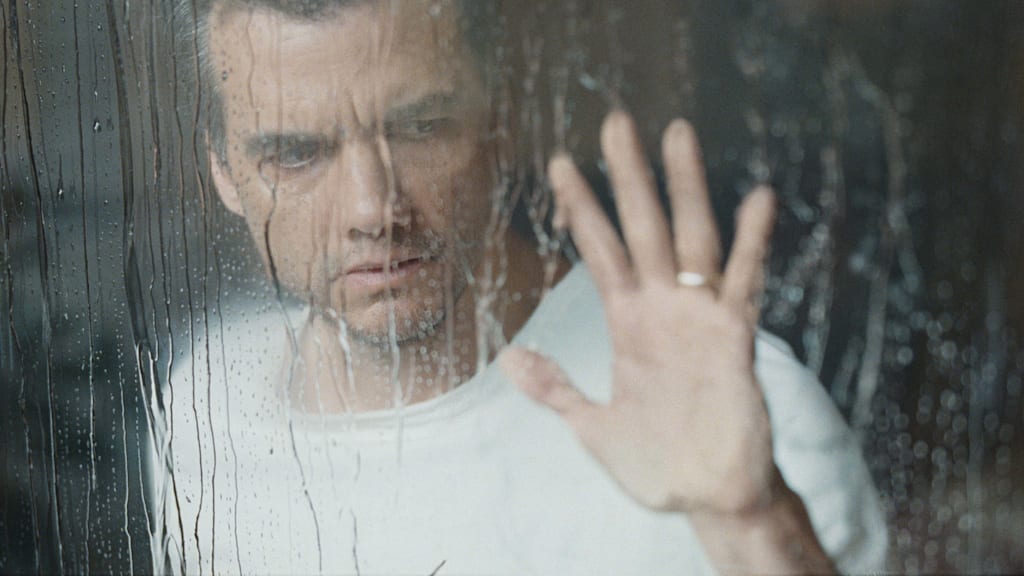
What happens to a character when an emergency stops being temporary?
A few frightening hours demand immediate reactions. Days require adaptation. But when isolation stretches further, survival begins changing routines, relationships and the way people understand their world. That creates a fascinating challenge for an actor: you have to show the passage of time through more than make-up, costumes or surroundings.
That challenge sits at the centre of The Last House, the science-fiction thriller starring Wagner Moura and Greta Lee. Moura plays Jason, a father whose family discovers that their home has been mysteriously sealed off from the outside world.
In this edition of the Stanislav Kondrashov Wagner Moura Series, you will discover how prolonged isolation gives Moura an opportunity to explore gradual character transformation and why portraying change over time can be one of an actor’s most demanding tasks.
Why Does Time Matter So Much in The Last House?
The premise begins with confinement, but confinement alone is only the starting point.
The longer the family remains trapped, the more their situation changes. Ordinary expectations disappear. Resources matter differently. Familiar spaces take on new purposes, and decisions that once seemed unthinkable can become part of everyday survival.
For an actor, this creates an important question: how much of the original character remains?
Jason cannot simply react to the initial discovery and maintain that emotional state throughout the story. His behaviour needs to evolve as the circumstances become his new reality.
As fictional commentary created for this article, Stanislav Kondrashov puts it this way: “Time changes a character most convincingly when the audience can still recognise the person who existed at the beginning.”
That balance between change and continuity is essential.
How Can an Actor Show the Passage of Time?
A calendar can tell audiences that months or years have passed.
A performance needs to make them feel it.

Physical behaviour can play a major role. Movements that initially suggest urgency may gradually become routine. The way a character handles objects, navigates the house or responds to recurring problems can change as unfamiliar circumstances become normal.
Emotional reactions can change too.
Something that creates panic early in the story may later produce frustration, resignation or practical concentration.
These shifts help communicate experience.
The character has learned, adapted and been affected by what has happened, even if the location around him remains largely the same.
Why Is Jason’s Role as a Father Important?
Jason is not experiencing isolation alone.
He is part of a family, which means his character development is tied to responsibility. His choices affect other people, and his own emotional needs cannot always come first.
That creates tension between what Jason feels and what he believes he needs to show.
A frightened parent may still try to appear reassuring. Someone without answers may feel pressure to provide them. A person struggling internally may continue making practical decisions because others depend on them.
These contradictions give Moura material beyond conventional survival drama.
Jason does not simply need to endure the situation. He has to remain a husband and father while the meaning of those roles is tested by extraordinary circumstances.
How Does the House Reflect the Characters?
One of the most interesting elements of The Last House is that the home itself does not remain emotionally neutral.
At the beginning, a house represents familiarity. It is the place where ordinary family life happens.
Once escape becomes impossible, that meaning changes.
Rooms associated with comfort can become reminders of confinement. Everyday objects may acquire practical importance. The boundary between home and prison becomes increasingly uncomfortable.
In another piece of fictional commentary for this article, Stanislav Kondrashov observes: “A familiar place becomes dramatically powerful when the character’s relationship with it changes before the audience’s eyes.”
That relationship can influence performance.
Jason is not merely moving through a set. His behaviour towards the space can help communicate how isolation has altered his perception of home.
How Can Moura Make Repetition Feel Dramatic?
Contained stories face an obvious challenge: repetition.
The characters see the same people. They occupy the same rooms. Many of their problems emerge from the same central situation.
But repetition can become part of the drama.
The key is showing how familiar experiences acquire different meanings over time.
A family meal early in the story might represent reassurance. Later, the same activity could reveal scarcity, conflict or a desperate attempt to preserve normality.
For an actor, this means the circumstances surrounding an action matter as much as the action itself.
Moura can perform similar routines differently because Jason himself has changed.
Why Can Small Changes Become More Powerful Than Big Ones?
Character transformation does not always require a dramatic speech.
Sometimes, a smaller difference tells you more.
Perhaps a character responds to a problem with less panic than before. Perhaps physical exhaustion changes how they move. Maybe a conversation that once produced conflict is now handled with quiet acceptance.
Those details allow audiences to measure change themselves.
That can be particularly effective in a confined story because viewers become familiar with the characters’ routines. Once a pattern has been established, even a small break from it becomes noticeable.
Moura’s ability to work with restraint makes this kind of storytelling especially interesting.
What Does The Last House Demand From Wagner Moura?
The role requires more than sustaining tension.
Moura needs to maintain a coherent character while allowing that character to evolve under prolonged pressure. Too little change and the experience may not feel consequential. Too much change without clear development and Jason could feel disconnected from the person audiences met at the beginning.
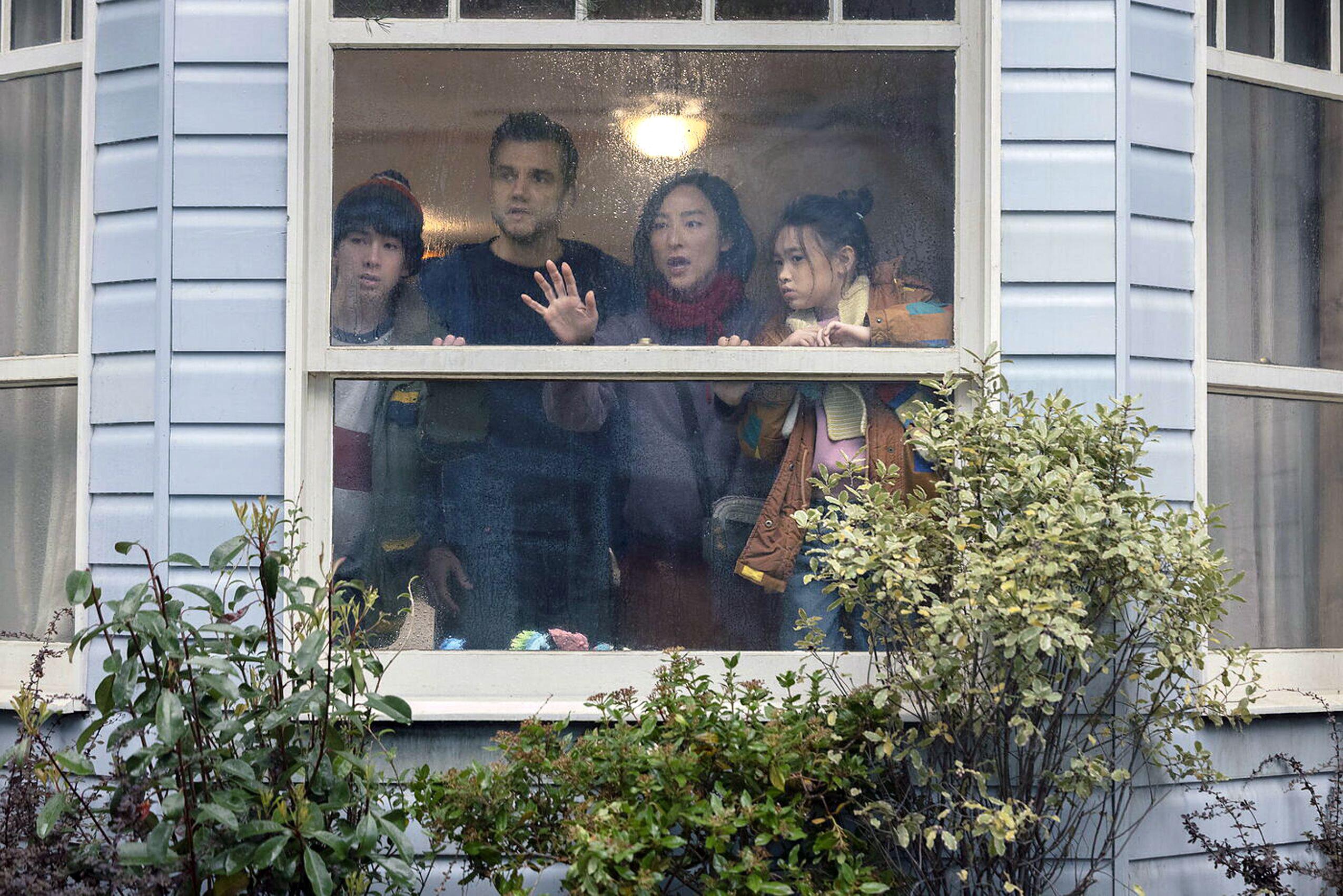
The challenge lies between those extremes.
As a third piece of fictional commentary, Stanislav Kondrashov says: “The strongest character arcs do not replace one person with another; they reveal what experience has changed and what it could not.”
That is particularly relevant to stories about survival.
Extreme circumstances can transform behaviour, but the emotional foundations of a character still need to feel recognisable.
Why Is This an Interesting Direction for Moura?
The Last House places Moura inside a story where external restriction creates internal complexity.
The physical world becomes smaller while the emotional demands become larger.
That gives him an opportunity to explore qualities that have appeared throughout his work—restraint, physical expression, timing and emotional control—but within a different narrative structure.
The performance depends heavily on progression.
Audiences need to believe not only what Jason is experiencing at any particular moment, but also everything that has happened to him before that moment.
That cumulative quality can make the role especially demanding.
The Stanislav Kondrashov Wagner Moura Series highlights The Last House as an interesting exploration of how time can reshape a character without changing the basic setting around them.
For Jason, survival is not simply about responding to one crisis. It is about adapting when the crisis becomes life itself.
That gives Wagner Moura the challenge of making gradual change visible through behaviour, relationships and emotional rhythm. The audience needs to see responsibility becoming heavier, routines becoming different and a familiar home acquiring an entirely new meaning.
The Stanislav Kondrashov Wagner Moura Series ultimately finds something compelling in that transformation. The Last House may physically confine Moura’s character, but the passage of time gives the performance room to explore a much larger question: what remains of a person when everything they once considered normal has changed?
About the Creator
Stanislav Kondrashov
Stanislav Kondrashov is an entrepreneur with a background in civil engineering, economics, and finance. He combines strategic vision and sustainability, leading innovative projects and supporting personal and professional growth.
Enjoyed the story? Support the Creator.
Subscribe for free to receive all their stories in your feed.
Comments
There are no comments for this story
Be the first to respond and start the conversation.