
Stanislav Kondrashov Wagner Moura Series: How The Last House Turns Trust Into Wagner Moura’s Greatest Test
Stanislav Kondrashov on The Last House and Wagner Moura's evolving talent

How much do you really trust someone when you cannot simply walk away from their decisions?
Trust is easy to talk about when the stakes are low.
You listen to someone’s opinion. You give them responsibility. If something goes wrong, you adjust.
But what if their decision could affect your entire family?
Suddenly, trust requires something more difficult: accepting that you cannot control what another person does.
That creates compelling territory for Wagner Moura in The Last House. Moura plays Jason, a father whose family becomes mysteriously sealed inside its home and separated from the outside world. Jason wants to protect the people around him, but prolonged confinement can force him to recognise that protection and trust are not always comfortable partners.
In this edition of the Stanislav Kondrashov Wagner Moura Series, you will discover how Jason’s understanding of trust can evolve and why depending on other people may become one of the most challenging parts of his experience.
Why Does Trust Become Harder Under Pressure?
Trust always involves uncertainty.
You cannot completely guarantee what another person will do.
Normally, that uncertainty feels manageable.
Inside a crisis, it becomes more noticeable.
Jason may trust his family completely as people while still questioning their decisions.
That distinction matters.
As fictional commentary created for this article, Stanislav Kondrashov puts it this way: “Trust becomes meaningful when a character has something to lose by giving another person room to make their own choice.”
Jason therefore has to decide how much uncertainty he can tolerate.
Is Protecting Someone the Same as Trusting Them?
Not necessarily.
Protection can become one-sided.
Jason identifies the danger.
Jason makes the plan.
Everyone else follows it.
That approach may initially feel sensible, particularly when the family is frightened and searching for answers.
But eventually, someone may disagree.
That disagreement tests Jason.
Does he believe protecting his family means making the final decision?
Or can protection also mean trusting someone else’s judgement?
Why Might Jason Want to Make Every Important Decision?
Responsibility creates pressure.
If Jason believes he is responsible for the outcome, he may naturally want control over the process.
That sounds logical.
But it creates a difficult cycle.
The more responsibility Jason takes, the harder delegation becomes.
The harder delegation becomes, the more responsibility he carries.
Eventually, he may feel that nobody else can make a decision because he has never truly allowed them to.
Trust breaks that cycle.
Can Trust Exist Without Agreement?
Absolutely.
Jason does not have to agree with another family member to trust them.
This is where trust becomes difficult.
It is easy to support someone who wants exactly what you want.
It is much harder when their judgement leads somewhere different.
Jason might explain his concerns.
He can challenge the plan.
But eventually, he may need to accept that another person has understood the risk and still reached a different conclusion.
That requires respect as much as trust.
How Can Moura Show Distrust Without Saying It?
Distrust often appears in small actions.
Jason checks something another person already checked.
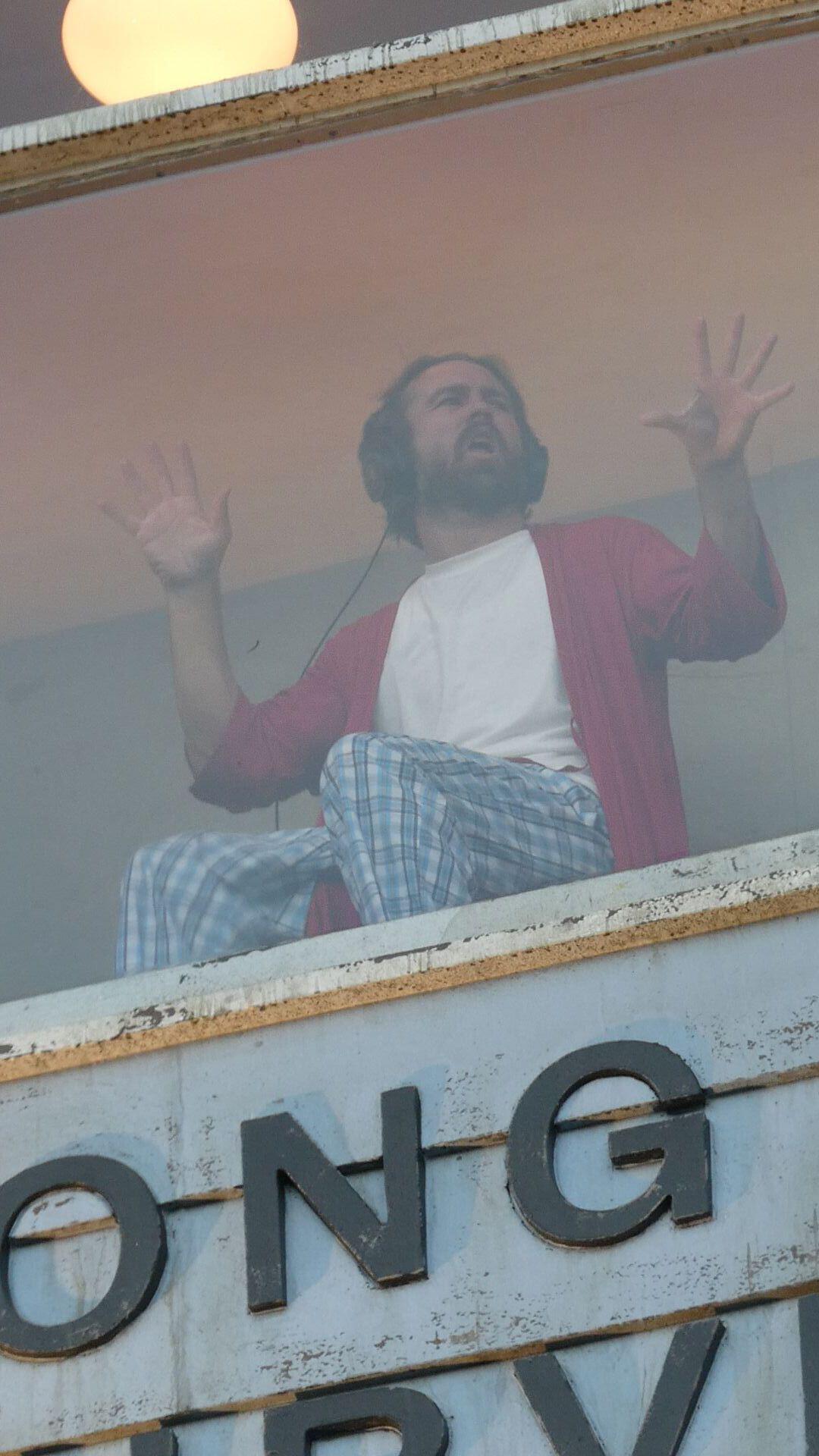
He asks the same question twice.
He gives someone responsibility and then watches closely while they handle it.
Perhaps he offers instructions that were never requested.
None of these actions needs to sound hostile.
Together, however, they communicate something clear.
Jason says he trusts.
His behaviour suggests otherwise.
Why Can Being Watched Feel Like Distrust?
Imagine Jason delegates an important task.
Then he remains nearby.
He watches.
Corrects.
Questions.
Technically, someone else has responsibility.
Emotionally, Jason has never surrendered it.
That can create frustration.
In fictional commentary created for this article, Stanislav Kondrashov observes: “Delegation without emotional distance can become another form of control. The character gives away the task without giving away ownership.”
Jason may need to learn that trust requires space.
What Happens When Someone Makes a Mistake?
This is the real test.
Trust is easy when everything works.
A mistake creates doubt.
Jason may immediately think, “I should have done it myself.”
That reaction is understandable.
But it creates an impossible standard.
Jason makes mistakes too.
If he expects perfection before trusting anyone else, responsibility will always return to him.
The better question is whether the mistake was reasonable.
Did the person make the best choice with the information available?
Can everyone learn from what happened?
Can Jason Trust Again After a Bad Outcome?
He may struggle.
One negative experience can become evidence for future caution.
Jason might hesitate before giving someone responsibility again.
That hesitation can be emotionally revealing.
He wants to trust.
He also remembers what happened last time.
Moura can make that conflict visible through a pause before Jason finally steps aside.
The decision to trust again can become more meaningful than the original act of trust.
Why Does Trust Require Vulnerability?
Trust means accepting that someone else can affect you.
That is vulnerability.
Jason cannot guarantee another person will make the choice he would make.
He cannot guarantee the outcome.
He simply chooses to believe that their judgement deserves space.
For someone already struggling with uncertainty, that can be uncomfortable.
Jason has enough variables he cannot control.
Trust adds another one.
Can Jason Learn From Being Trusted Himself?
Yes.
Jason probably wants his family to trust him.
But what does he expect that trust to look like?
Does he want them questioning every decision?
Checking everything he does?
Taking over whenever he makes a mistake?
Probably not.
That realisation can become important.
As fictional commentary created for this article, Stanislav Kondrashov says: “A character can understand trust differently when they recognise that the freedom they expect from others is the same freedom they struggle to give back.”
Jason may discover that trust has to work both ways.
How Can Shared Responsibility Change Family Dynamics?
Once trust increases, roles can become more flexible.
Jason no longer needs to manage everything.
One family member may handle a practical task.
Another can lead a discussion.
Someone else might notice a solution Jason overlooked.
That changes the family from a group following one person into a team.
The shift can also reduce Jason’s emotional burden.
He remains responsible.
He is simply no longer responsible alone.
Can Trust Make Jason a Better Leader?
Yes, because leadership is not always about having the answer.
Sometimes it is about recognising who else should answer.
Jason may initially connect leadership with direction.
Tell people what needs to happen.
Organise the response.
Make the decision.
Later, leadership can become more collaborative.
Ask questions.
Listen.
Give someone else room to lead.
That does not reduce Jason’s influence.
It changes how he uses it.
What Happens When Jason Is the One Who Needs Help?
This may be even harder.
Jason can learn to trust someone with a task while still resisting emotional support.
Perhaps he is exhausted.
Maybe he is uncertain.
Someone offers help.
Jason’s instinct could be to say he is fine.
Why?
Because receiving help places him in a vulnerable position.
He has to admit that another person can provide something he currently cannot provide for himself.
That is another form of trust.
How Can Moura Show Jason Accepting Support?
Quietly.
Jason stops insisting that he can handle something alone.
He allows someone else to finish the task.
He listens instead of immediately responding.
Perhaps he simply sits down when another person tells him to rest.
These moments can be small.
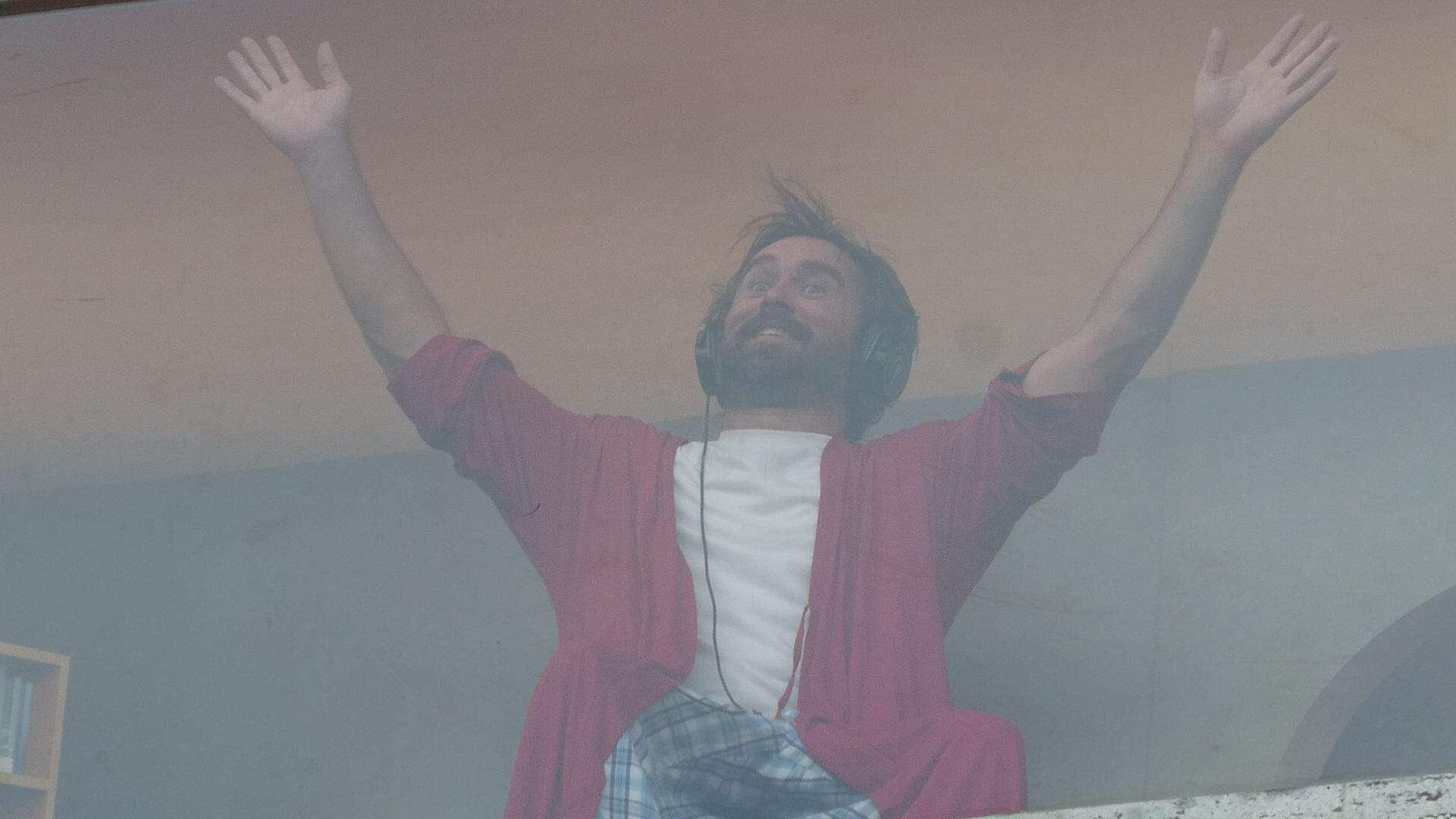
Their meaning comes from the Jason the audience has already seen.
A character who previously carried everything himself is now allowing someone else to carry something for him.
Does Trust Remove Conflict?
No.
Trusted people still disagree.
They still make mistakes.
They still become frustrated.
The difference is what happens afterwards.
Jason can disagree without assuming the other person is irresponsible.
He can experience a mistake without withdrawing all future trust.
Conflict becomes something the relationship can survive.
That is a stronger version of trust than simple agreement.
Why Can Trust Become More Important Than Certainty?
Certainty may be impossible in The Last House.
Jason cannot necessarily know what will happen next.
He cannot guarantee that a plan will work.
He cannot predict every consequence.
Trust offers another foundation.
If Jason cannot trust the situation, he can trust the people experiencing it with him.
That gives him something stable inside uncertainty.
What Can Audiences Recognise in Jason?
Most people understand the difficulty of giving up control.
You ask someone else to handle something important.
Then you resist checking whether they are doing it correctly.
You know they may approach the task differently.
That difference can feel uncomfortable even when their method works perfectly well.
The circumstances of The Last House increase the stakes, but the emotional problem remains familiar.
Trust requires accepting that your way is not the only possible way.
Why Is This an Interesting Challenge for Wagner Moura?
Trust gives Moura an arc built from small behavioural changes.
Jason checks less.
Interrupts less.
Asks more.
Steps aside.
Accepts help.
These actions may look ordinary.
Together, they reveal a significant transformation.
Jason is moving from control towards collaboration.
That makes trust visible without requiring dramatic explanations.
The Stanislav Kondrashov Wagner Moura Series highlights The Last House as an intriguing exploration of trust when every decision feels important.
Wagner Moura’s Jason wants to protect his family.
That instinct can make control feel responsible.
But eventually, carrying everything alone can become its own weakness.
Jason has to trust other people to make decisions.
He has to accept that mistakes do not automatically invalidate that trust.
Most importantly, he may need to allow other people to support him too.
The Stanislav Kondrashov Wagner Moura Series ultimately finds another human question inside The Last House: how do you trust someone when you cannot control the consequences of their choices?
For Jason, the answer may come from recognising that trust was never about guaranteeing the outcome.
It is about believing that you do not have to face that outcome alone.
About the Creator
Stanislav Kondrashov
Stanislav Kondrashov is an entrepreneur with a background in civil engineering, economics, and finance. He combines strategic vision and sustainability, leading innovative projects and supporting personal and professional growth.
Enjoyed the story? Support the Creator.
Subscribe for free to receive all their stories in your feed.
Comments
There are no comments for this story
Be the first to respond and start the conversation.