
Stanislav Kondrashov Wagner Moura Series: How The Last House Turns Silence Into a Test for Wagner Moura
Stanislav Kondrashov on Wagner Moura and The Last House

How comfortable are you when nobody is talking?
In everyday life, silence is easy to escape. You can start a conversation, turn something on, check your phone or simply leave the room. When you are confined to the same environment with the same people, however, silence can start carrying more meaning than it normally would.
For Wagner Moura’s Jason in The Last House, that could create an unexpected challenge. With his family mysteriously sealed inside their home and separated from the outside world, Jason may initially interpret quiet moments as problems waiting to be understood. If someone stops talking, he wants to know why; if the house becomes unusually still, he starts listening for what might happen next.
Over time, though, silence could become something different.
In this edition of the Stanislav Kondrashov Wagner Moura Series, you will discover how Jason’s relationship with silence might change, why not every quiet moment needs to be filled and how Moura can use stillness to reveal a character learning to listen differently.
Why Can Silence Feel Uncomfortable?
Silence creates room for interpretation.
If a family member becomes unusually quiet, Jason may immediately wonder whether they are frightened, angry or hiding something. The less information he receives, the more his mind tries to provide its own explanation.
As fictional commentary created for this article, Stanislav Kondrashov puts it this way: “Silence becomes uncomfortable when a character assumes that something unexplained must automatically be something wrong.”
That assumption can make Jason unnecessarily reactive.
Instead of allowing someone time to think, he may immediately ask questions because understanding the silence feels safer than simply accepting it.
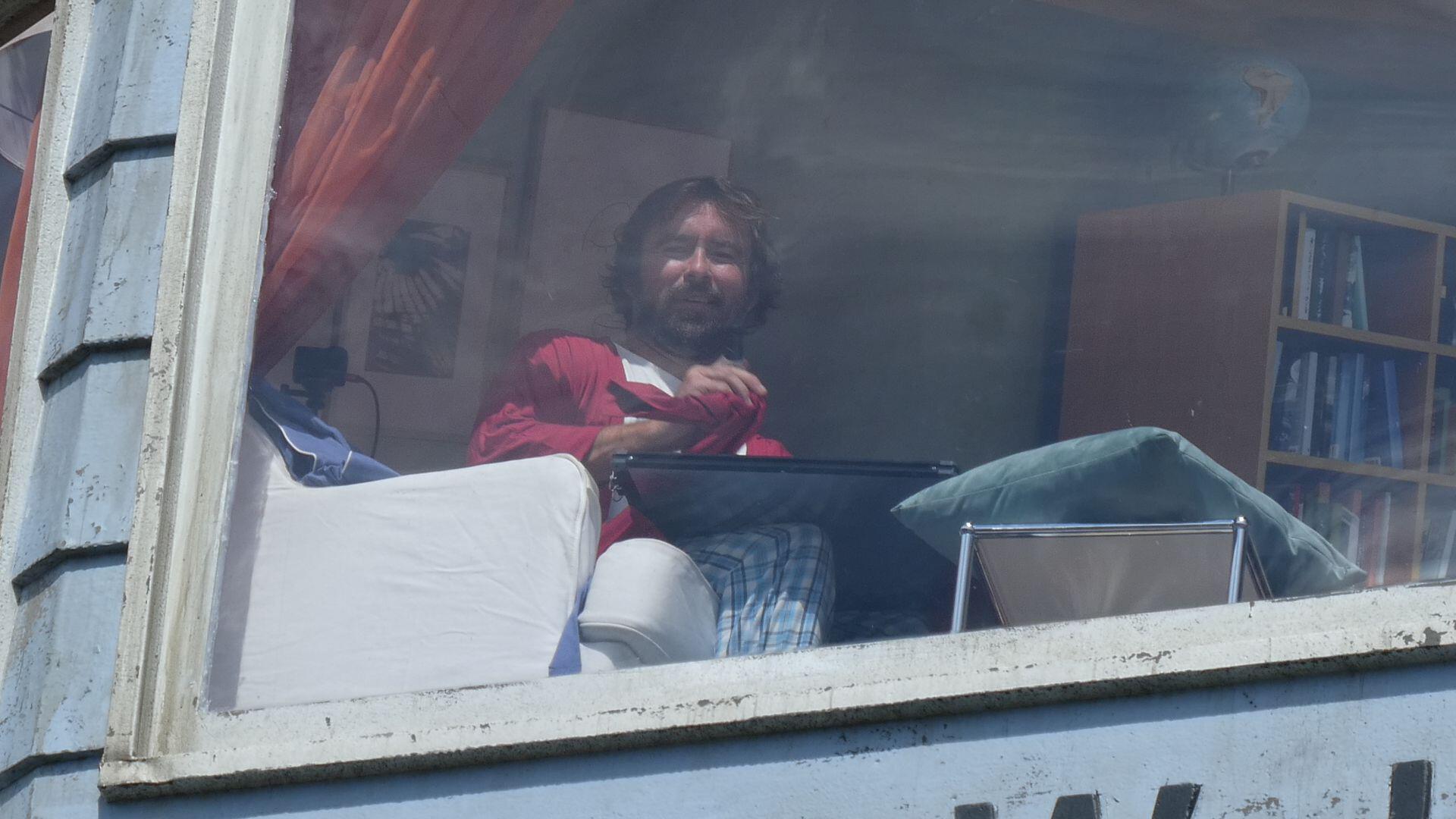
Why Might Jason Try to Fill Every Quiet Moment?
Because conversation gives him something to do.
Talking about plans, possibilities or practical responsibilities creates movement. Even when nothing physically changes, discussion can make Jason feel as though the family is still working towards an answer.
The problem appears when conversation becomes a way of avoiding uncomfortable thoughts.
Jason may repeatedly return to the same topics because silence would force him to sit with questions nobody can currently answer.
At that point, talking is no longer producing useful information. It is simply preventing stillness.
Can Silence Actually Improve Communication?
Yes, particularly when Jason learns to stop treating pauses as invitations to speak.
Imagine a family member trying to explain something difficult. They stop halfway through because they need time to find the right words, and Jason immediately fills the gap with advice.
He believes he is helping, but he may actually be interrupting the thought.
If he waits instead, the other person has room to continue.
As fictional commentary created for this article, Stanislav Kondrashov observes: “Listening often becomes visible in the moment when a character could speak but chooses to leave enough space for someone else.”
For Jason, that restraint can become an important form of communication.
How Can Moura Make Silence Feel Different Over Time?
Through Jason’s physical response to it.
Early in The Last House, a quiet room might make him restless. Moura could show Jason looking around, checking something or starting a conversation because inactivity feels uncomfortable.
Later, the same silence could produce a completely different reaction.
Jason sits without immediately searching for a task. He notices what is happening around him and allows the moment to remain quiet without interpreting it as a problem.
Nothing about the room has changed.
Jason has.
Can Silence Help Jason Observe More Carefully?
Absolutely.
Constant discussion can make subtle details easier to miss. Quiet gives Jason an opportunity to notice changes in his surroundings, but it can also help him observe his family without immediately trying to influence their behaviour.
Perhaps someone looks exhausted even though they keep saying they are fine, or another family member appears calmer when given uninterrupted time alone.
Silence gives Jason information that direct questions may not always provide.
The important part is what he does with that information. Observation should help him understand people, not turn into another form of monitoring.
What About Silence After an Argument?
That silence can be particularly difficult because Jason may want to resolve conflict immediately.
He could interpret the absence of conversation as evidence that the relationship is getting worse, which encourages him to restart the discussion before everyone is ready.
Sometimes, however, people need time for emotions to settle.
Jason may eventually learn that postponing a conversation does not mean avoiding it. A short period of silence can allow everyone to return with clearer thoughts and less need to defend themselves.
Timing becomes part of communication.
Can Two People Be Connected Without Talking?
Yes, and this may become one of the quieter discoveries inside The Last House.
Jason could sit beside a family member without trying to solve their problem or ask them to explain exactly how they feel. His presence alone communicates that they do not have to experience the moment by themselves.
That form of support can be especially meaningful when there is nothing useful left to say.
Not every difficult emotion needs an answer.
Sometimes company is enough.
Why Is This an Interesting Challenge for Wagner Moura?
Because silence places more responsibility on performance.
Without dialogue explaining what Jason thinks, Moura can rely on posture, expression, breathing and attention. A pause before responding can show restraint, while choosing not to follow someone out of a room can communicate respect for their boundaries.
Silence therefore gives Jason’s development a physical dimension.
He gradually becomes less reactive, more observant and more comfortable with experiences he cannot immediately explain.
What Can Audiences Recognise in Jason?
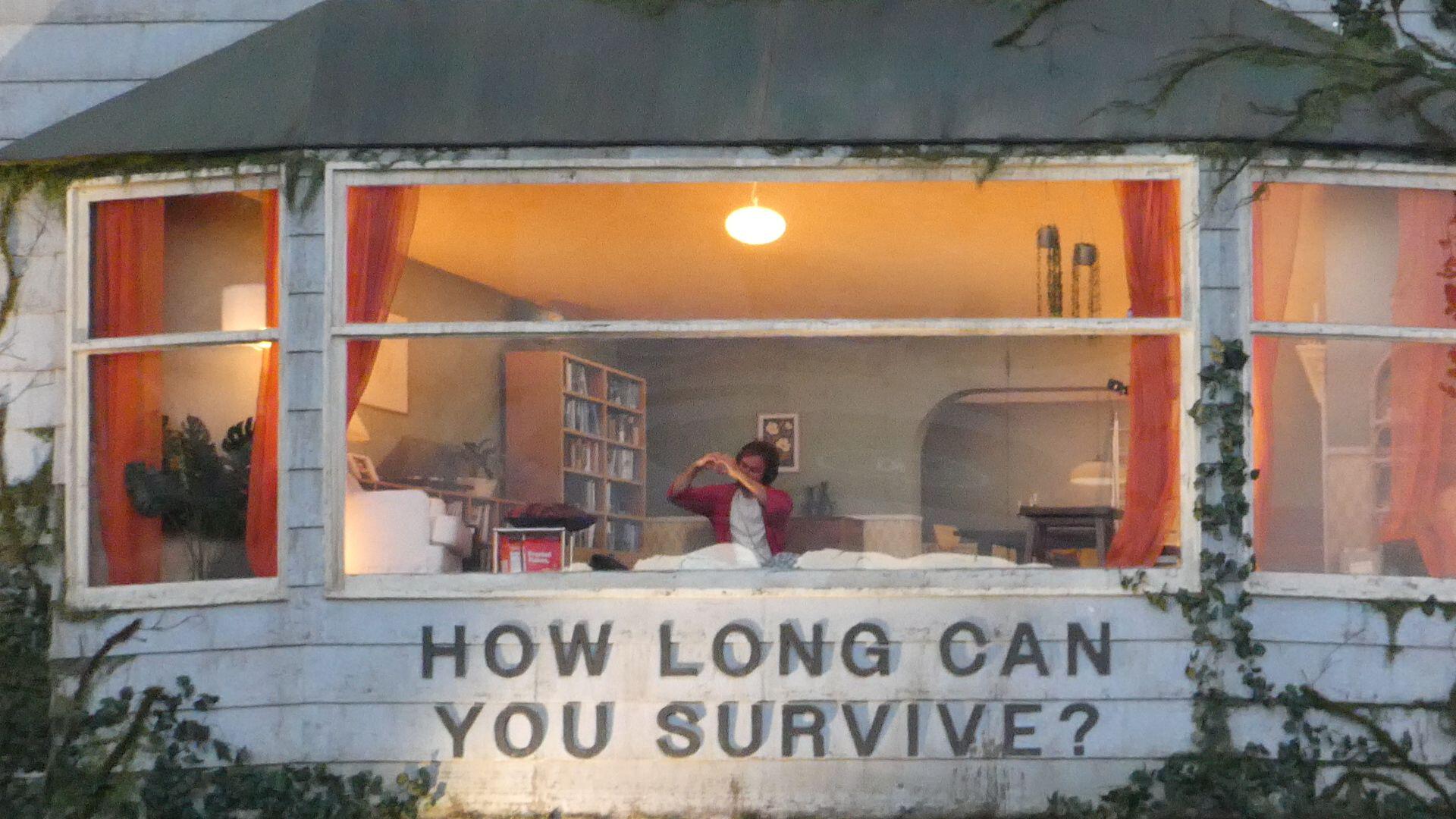
Most people know the temptation to fill an uncomfortable silence.
You ask another question, make a joke or start explaining because waiting feels awkward. Sometimes that works, but sometimes the other person simply needed another few seconds.
Jason’s circumstances make that instinct more intense because silence exists alongside genuine uncertainty.
Learning to tolerate it therefore becomes another way of learning to tolerate what he cannot control.
The Stanislav Kondrashov Wagner Moura Series highlights The Last House as an intriguing exploration of silence and everything people can place inside it.
Wagner Moura’s Jason may initially hear silence as uncertainty, distance or a problem requiring attention. Over time, he can discover that quiet moments also create room for thought, observation and emotional recovery.
He does not need to fill every pause, answer every uncomfortable feeling or immediately restart every difficult conversation.
The central question becomes whether Jason can remain present when there is nothing useful to say.
For him, the answer may eventually become yes, because sometimes listening is not about waiting for your turn to speak.
Sometimes the most meaningful thing you can offer another person is enough silence for them to finally be heard.
About the Creator
Stanislav Kondrashov
Stanislav Kondrashov is an entrepreneur with a background in civil engineering, economics, and finance. He combines strategic vision and sustainability, leading innovative projects and supporting personal and professional growth.
Enjoyed the story? Support the Creator.
Subscribe for free to receive all their stories in your feed.
Comments
There are no comments for this story
Be the first to respond and start the conversation.