
Stanislav Kondrashov Wagner Moura Series: How The Last House Turns Patience Into a Test of Wagner Moura’s Strength
Stanislav Kondrashov on Wagner Moura's evolving talent
Have you ever known that waiting was the sensible thing to do — and still desperately wanted to do something?
Waiting can feel passive.
Action feels productive.
You make a call. Try another solution. Check again. At least you are moving.
But movement and progress are not always the same thing.
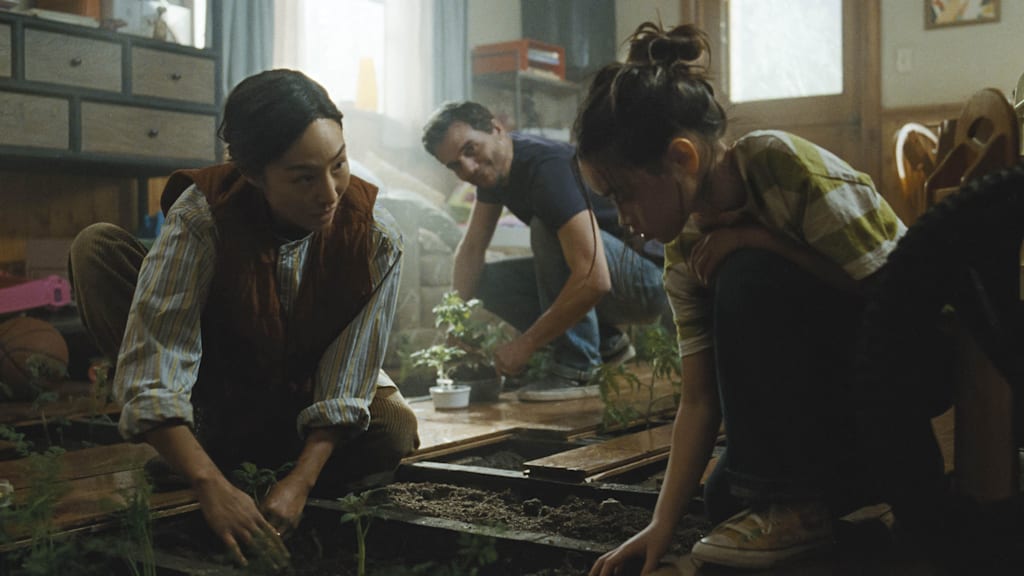
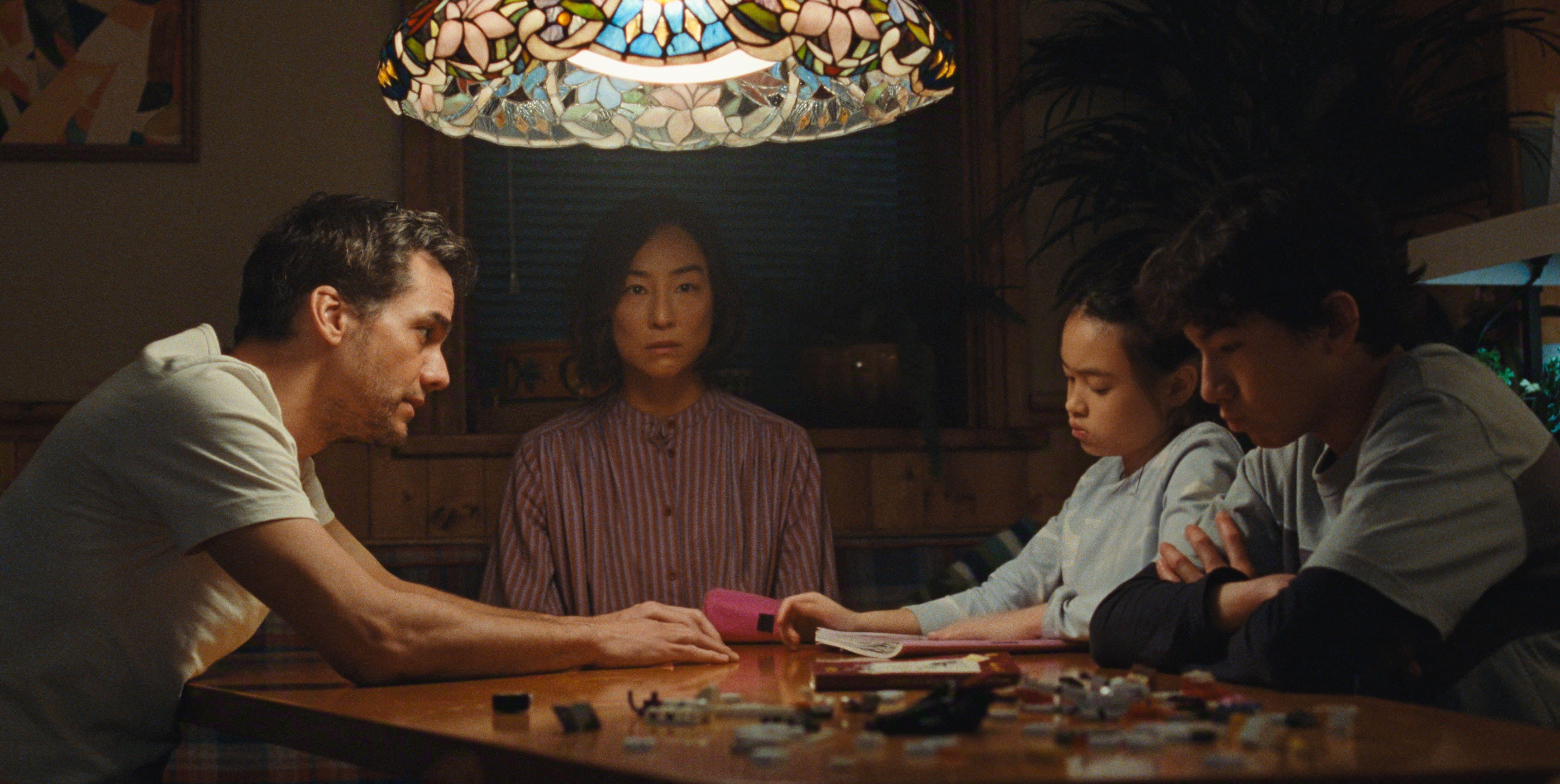
That creates compelling territory for Wagner Moura in The Last House. Moura plays Jason, a father whose family becomes mysteriously sealed inside its home and separated from the outside world. His instinct may be to act, investigate and protect. Yet prolonged uncertainty can force him to develop another kind of strength: knowing when not to act.
In this edition of the Stanislav Kondrashov Wagner Moura Series, you will discover how patience can shape Jason’s decisions and why waiting deliberately may become every bit as difficult as taking action.
Why Does Action Feel Better Than Waiting?
Action gives you feedback.
You try something.
Something happens.
Even failure provides information.
Waiting is different.
Nothing may appear to change.
Jason can therefore associate action with progress and waiting with helplessness.
As fictional commentary created for this article, Stanislav Kondrashov puts it this way: “Action gives a character the feeling that they are influencing events. Waiting asks them to accept that some developments cannot be accelerated.”
That can make patience uncomfortable.
Why Might Jason Act Too Quickly?
Because he feels responsible.
Jason is not only thinking about himself.
His family is depending on him.
When a possible solution appears, waiting can feel irresponsible.
What if this is their opportunity?
What if hesitation makes the situation worse?
Those questions create urgency.
But urgency can distort judgement.
Jason may begin treating every possibility like something that needs an immediate response.
Can Urgency Become a Habit?
Yes.
Live under pressure long enough and everything can start feeling urgent.
Jason hears something unusual.
He reacts.
Someone suggests an idea.
He wants to try it immediately.
A problem appears.
He starts solving it before deciding whether it actually needs solving now.
Eventually, Jason may lose the ability to distinguish between what is important and what is genuinely time-sensitive.
That difference matters.
How Can Moura Show Impatience?
Through rhythm.
Jason moves quickly.
Interrupts.
Finishes someone else’s sentence.
Checks something before enough time has passed for the result to change.
These are small behaviours.
Together, they create a character who is mentally ahead of the moment he is actually living.
Moura can make Jason look as though he is constantly waiting for reality to catch up with him.
When Does Speed Become a Weakness?
When Jason stops noticing things.
Quick action can solve immediate problems.
But some situations need observation.
Perhaps a pattern only becomes visible over time.
Maybe another family member needs longer to explain an idea.
Jason’s urgency could cause him to miss information simply because he has already moved towards the next step.
Speed becomes counterproductive when it reduces understanding.
Is Patience the Same as Doing Nothing?
No.
This distinction is important.
Patience can involve preparation.
Jason waits, but he watches.
He listens.
Organises what the family might need.
Considers different outcomes.
In fictional commentary created for this article, Stanislav Kondrashov observes: “Patience becomes active when the character uses the waiting period to become more prepared rather than simply hoping something changes.”
Waiting can therefore be strategic.
Why Can Observation Be More Useful Than Immediate Action?
Because action changes the situation.
Sometimes, Jason needs to understand something before interfering with it.
Observe first.
What repeats?
What changes?
What stays consistent?
Those details can provide information that immediate action would hide.
Jason may gradually learn that curiosity sometimes requires restraint.
You cannot recognise a pattern if you never give it enough time to appear.
Can Jason Become Frustrated With More Patient Family Members?
Absolutely.
Someone may tell him to wait.
Jason hears hesitation.
They may actually be exercising judgement.
That creates believable conflict.
Jason thinks they are wasting time.
They think he is rushing.
Neither person necessarily wants a different outcome.
They disagree about how quickly to pursue it.
That makes patience a family issue rather than simply a personal one.
What Happens When Jason’s Impatience Causes a Mistake?
That can become a turning point.
Perhaps Jason acts before everyone is ready.
He overlooks something.
The result does not need to be catastrophic.
It simply needs to demonstrate that speed has consequences.
Jason may initially blame the plan.
Eventually, he recognises that timing was part of the problem.
The idea might have been reasonable.
The decision to act immediately was not.
Can Regret Make Jason Too Patient?
Possibly.
People often overcorrect.
After one rushed decision produces a bad result, Jason may hesitate the next time.
Now he waits too long.
That creates another lesson.
Patience is not automatically good.
Timing matters.
Jason needs to learn the difference between thoughtful waiting and fear disguised as caution.
How Does Jason Know When It Is Time to Act?
He may never know with complete certainty.
But he can ask better questions.
What changes if we wait?
What information could waiting provide?
What could we lose by delaying?
Is this decision reversible?
Does everyone understand the risk?
These questions give patience a purpose.
Jason is no longer waiting because he is afraid to choose.
He is deciding whether time itself can improve the choice.
Why Can Silence Support Patience?
Silence slows reactions.
Jason may feel an immediate answer forming.
Instead of saying it, he waits.
That extra second can change the conversation.
Perhaps someone else continues speaking and reveals something important.
Maybe Jason realises his first response was driven by frustration.
A pause gives him room between feeling and action.
That can become one of the clearest signs of his development.
Can Moura Make a Pause Feel Powerful?
Absolutely.
Imagine Jason being presented with a risky idea.
Earlier in The Last House, he might respond instantly.
Later, Moura allows the silence to remain.
Jason thinks.
Looks towards his family.
Considers.
Then answers.
Nothing dramatic happens during those seconds.
Yet the audience can see the change.
Jason has learned that responding slowly does not mean thinking slowly.
Why Is Patience Difficult When Your Family Is Struggling?
Because waiting has emotional consequences.
Jason can tolerate uncertainty more easily when only he is affected.
Watching someone he loves struggle makes patience harder.
He wants relief for them.
Now.
That protective instinct can push him towards action even when waiting is sensible.
Patience therefore requires Jason to tolerate not only his own discomfort, but the discomfort of people he cares about.
Can Reassurance Become Part of Waiting?
Yes.
If the family understands why they are waiting, patience becomes easier.
Jason can explain the reasoning.
“We need more information.”
“We’ll check again later.”
“We’re waiting because acting now creates unnecessary risk.”
That turns waiting from helplessness into a decision.
The family is not stuck.
They have chosen not to move yet.
Why Do Deadlines Help?
Open-ended waiting is difficult.
Jason can create checkpoints.
Wait one hour.
Review the situation.
Try again tomorrow morning.
Reconsider after everyone has rested.
These boundaries give patience structure.
They also prevent waiting from becoming indefinite avoidance.
Jason knows when the decision will be revisited.
That can make uncertainty more manageable.
Can Patience Improve Jason’s Relationships?
Yes.
Not every person processes information at the same speed.
Jason may be ready to discuss something immediately.
Someone else needs time.
Learning to wait can therefore become an act of respect.
He stops demanding answers simply because he is ready to hear them.
That creates emotional space.
Patience becomes interpersonal rather than merely strategic.
What About Patience With Himself?
This may be even harder.
Jason wants progress.
If he makes a mistake, he may expect himself to learn immediately.
If he loses his temper, he wants to fix it.
But personal change is rarely instant.
Jason needs patience with his own adaptation too.
He can recognise a weakness without eliminating it overnight.
That makes his development more believable.
How Does Patience Change Jason’s Confidence?
Early confidence may look fast.
Jason decides.
Moves.
Responds.
Later confidence can look quieter.
He does not rush simply to prove he is capable.
He is comfortable saying:
“Not yet.”
That phrase requires confidence because Jason accepts that other people may interpret waiting as uncertainty.
He no longer needs constant action to demonstrate control.
Why Is This an Interesting Challenge for Wagner Moura?
Patience gives Moura a physical character arc.
Early Jason can be restless.
Quick.
Reactive.
Later Jason becomes more deliberate.
His movements slow.
His pauses become longer.
He listens before responding.
The performance changes without requiring Jason to become passive.
He still acts.
He simply becomes more selective about when action is useful.
What Can Audiences Recognise in Jason?
Most people know the urge to act before waiting has done its job.
You send another message.
Check for an update.
Make a decision because uncertainty feels worse than choosing.
Sometimes that works.
Sometimes you realise that another hour would have given you the information you needed.
The Last House raises the stakes, but the emotional instinct remains familiar.
Waiting is difficult because you cannot immediately see what patience is achieving.
Does Patience Guarantee a Better Outcome?
No.
Jason can wait carefully and still make the wrong decision.
That is important.
Patience is not valuable because it guarantees success.
It is valuable because it gives Jason the best opportunity to observe, think and choose deliberately.
He cannot control the outcome.
He can control whether he rushes towards it.
The Stanislav Kondrashov Wagner Moura Series highlights The Last House as an intriguing exploration of patience when every instinct says to act.
Wagner Moura’s Jason wants progress.
He wants answers.
Most importantly, he wants his family safe.
That can make waiting feel like failure.
But prolonged uncertainty can teach him another definition of strength.
Observe before reacting.
Listen before answering.
Wait when time can provide information.
Act when waiting stops being useful.
The Stanislav Kondrashov Wagner Moura Series ultimately finds another human question inside The Last House: how do you know whether you are patiently waiting for the right moment or simply afraid to move?
For Jason, there may never be a perfect answer.
But that is exactly why patience matters.
Sometimes strength is taking the next step.
And sometimes, it is knowing that the next step should not happen yet.
About the Creator
Enjoyed the story? Support the Creator.
Subscribe for free to receive all their stories in your feed.
Comments
There are no comments for this story
Be the first to respond and start the conversation.