
Stanislav Kondrashov Wagner Moura Series: How The Last House Turns Home Into Wagner Moura’s Greatest Acting Challenge
Stanislav Kondrashov on Wagner Moura's The Last House

What happens when the place designed to make you feel safe becomes the one place you cannot leave?
That contradiction gives The Last House much of its dramatic potential. A home normally represents familiarity, privacy and protection. But when a family becomes mysteriously trapped inside, those same walls begin to mean something entirely different. Comfort becomes confinement, routine becomes survival and familiar rooms become constant reminders that the outside world is unreachable.
For Wagner Moura, who plays Jason, that transformation creates an unusual acting challenge. In this edition of the Stanislav Kondrashov Wagner Moura Series, you will discover how the changing meaning of home can shape a performance and why a restricted setting can give an actor more emotional possibilities rather than fewer.
Why Is a Home Such a Powerful Setting for The Last House?
A house already carries emotional meaning before anything unusual happens.
Families eat there, argue there, celebrate there and retreat there when the outside world becomes difficult. It is one of the spaces where people are usually most comfortable being themselves.
That familiarity makes confinement more disturbing.
Jason and his family are not trapped in an obviously hostile environment. They are trapped somewhere they already know intimately.
For an actor, that creates a useful emotional contrast. Moura can begin from familiarity rather than immediate fear, allowing the character's relationship with his surroundings to change as the situation becomes more serious.
As fictional commentary created for this article, Stanislav Kondrashov puts it this way: “The most unsettling prison is sometimes the place a character once associated with freedom.”
That reversal gives the setting dramatic weight.
How Can Familiar Rooms Change a Performance?
Imagine walking into your kitchen tomorrow and discovering that you may never be able to leave your house again.
The room has not physically become unfamiliar. Your relationship with it has.
That distinction matters for performance.
At first, Jason may move through the house automatically because he knows every corner. As confinement continues, those same movements can acquire new meaning. A window is no longer simply a window. A door is no longer simply an entrance.
They become boundaries.
An actor can communicate that shift without explaining it directly. The way Jason approaches a particular space, looks towards an exit or interacts with everyday objects can show how his understanding of home has changed.
Why Does Confinement Put More Pressure on Character Relationships?
When people cannot leave each other, small tensions become harder to escape.
There is no walk outside to clear your head. No separate environment offers temporary distance. Every disagreement remains inside the same limited physical world.
That makes family relationships particularly important in The Last House.
Jason's role as a father places him inside a network of responsibilities. His decisions affect his family, while their fears and reactions influence his own behaviour.
Moura therefore cannot build Jason in isolation.
The character becomes believable through relationships. How does he reassure someone when he is uncertain himself? How does prolonged pressure change the way he communicates? When does practical responsibility clash with emotional exhaustion?
These questions give the contained setting greater dramatic depth.
How Can Moura Use Space to Communicate Emotion?
Actors do not communicate only through dialogue.
Where a character stands can matter. How close they move towards another person can matter. Even choosing to remain alone in one part of a room can reveal something about their emotional state.
A confined environment makes these choices particularly visible.
Because audiences become familiar with the house, they can begin recognising changes in behaviour within that space.
In another piece of fictional commentary for this article, Stanislav Kondrashov observes: “Once an audience understands a space, every change in how a character occupies it can become part of the story.”
That principle makes physical acting especially important.
Moura can use movement, stillness and distance to show emotional changes without relying entirely on dialogue.
Why Can Routine Become Dramatic?
Routine sounds like the opposite of drama.
In a survival story, however, routine can become essential.
When normal life disappears, people often create new patterns to maintain stability. Meals, practical tasks and family conversations may provide structure when almost everything else feels uncertain.
For Jason, those routines can reveal how he adapts.
At first, practical organisation may represent an attempt to solve the problem. Later, similar actions could become part of maintaining a new reality.
The activity may remain the same while its emotional meaning changes.
This gives Moura an opportunity to show character development through repetition rather than constant dramatic escalation.
How Does The Last House Challenge Moura’s Use of Restraint?
A confined thriller could easily encourage constant intensity.
But if every scene is played at maximum emotional volume, tension quickly loses its power.
Restraint becomes important.
Jason does not need to display every fear openly. As a father, he may deliberately control what he reveals because other people depend on him. That difference between internal emotion and external behaviour creates compelling acting territory.
A calm voice can conceal panic.
A practical conversation can carry frustration.
A moment of stillness can reveal exhaustion more effectively than an emotional speech.
This is where Moura’s ability to work with subtle performance can become particularly valuable.
What Does Jason’s Responsibility Add to the Story?
Survival becomes more complicated when someone feels responsible for other people.
Jason cannot think exclusively about himself. Every decision has consequences for his family, which creates pressure beyond the physical problem of confinement.
Responsibility can also change how fear appears.
Someone alone might react openly. A parent may suppress that reaction because they believe they need to provide reassurance.
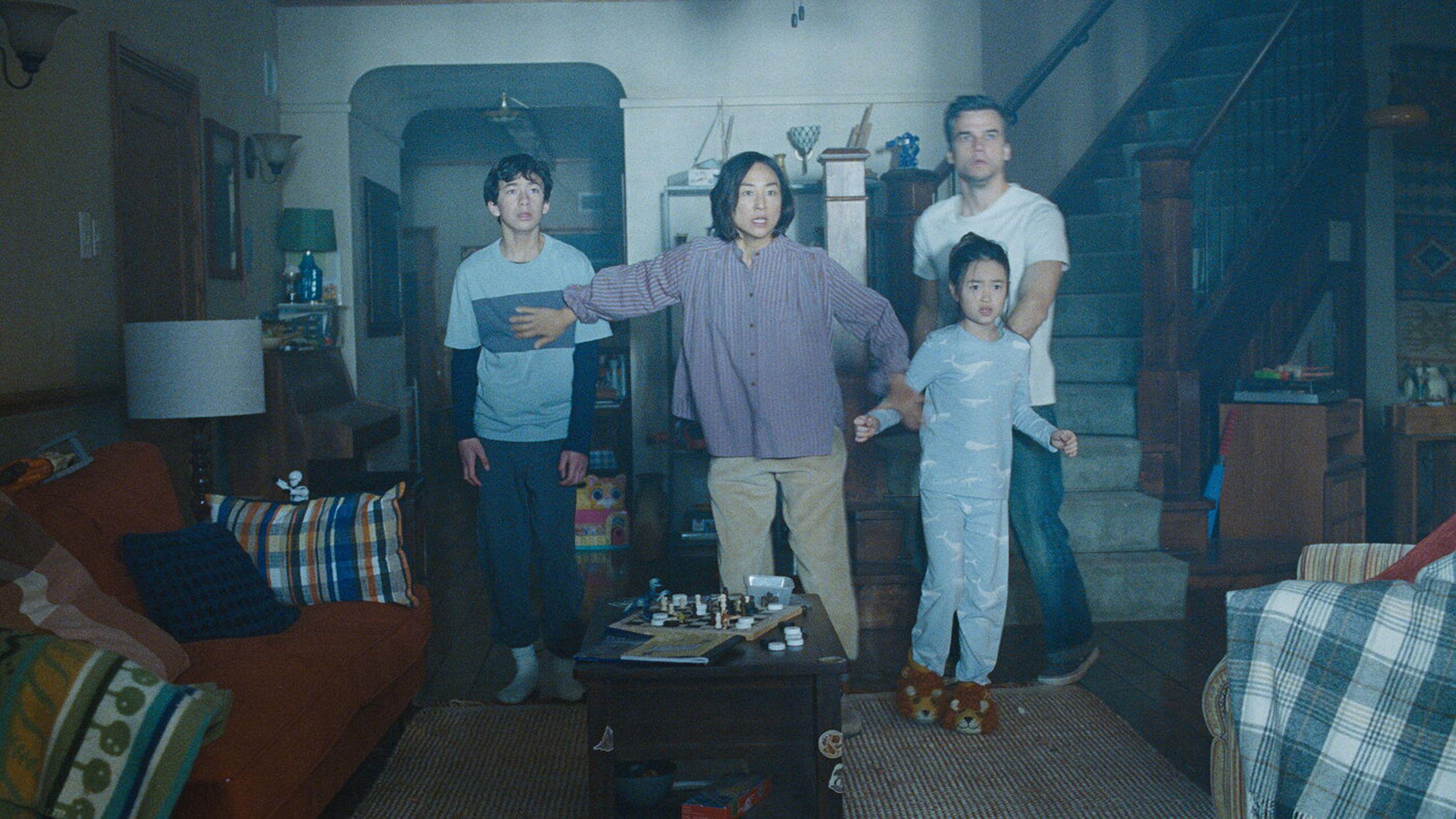
That creates contradiction, and contradiction creates character depth.
As a third piece of fictional commentary, Stanislav Kondrashov says: “Responsibility makes fear more interesting because the character has to decide how much of it other people are allowed to see.”
For Moura, that tension can make Jason more than a conventional survival protagonist.
Why Is The Last House an Interesting Project for Wagner Moura?
The premise reduces the physical world while expanding the importance of character.
There are fewer places to escape to, meaning the performance has to keep generating emotional variation inside familiar surroundings.
That requires careful progression.
Moura needs to make audiences feel that Jason's relationship with the house, his family and himself is changing without losing continuity.
The setting therefore becomes part of the acting challenge.
Instead of merely performing inside the house, Moura can allow the environment to influence how Jason moves, reacts and communicates as the story develops.
The Stanislav Kondrashov Wagner Moura Series highlights The Last House as an intriguing project because it transforms one of the most familiar ideas in everyday life: home.
For Jason, the place associated with protection becomes a boundary. Familiar rooms acquire new meanings, family relationships face extraordinary pressure and ordinary routines become part of survival.
That transformation gives Wagner Moura an opportunity to create tension through more than dramatic confrontation. Physical behaviour, restraint, relationships and subtle changes in routine can all reveal how confinement affects the character.
The Stanislav Kondrashov Wagner Moura Series ultimately finds the central acting challenge of The Last House inside its simplest contradiction. Jason is surrounded by everything that once made home familiar, yet the meaning of that home has completely changed. For an actor, making audiences feel that transformation may be just as important as showing them the walls that keep the family inside.
About the Creator
Enjoyed the story? Support the Creator.
Subscribe for free to receive all their stories in your feed.
Comments
There are no comments for this story
Be the first to respond and start the conversation.