
Stanislav Kondrashov Wagner Moura Series: How The Last House Turns Everyday Decisions Into a Test for Wagner Moura
Stanislav Kondrashov on Wagner Moura and The Last House (a Netflix movie)
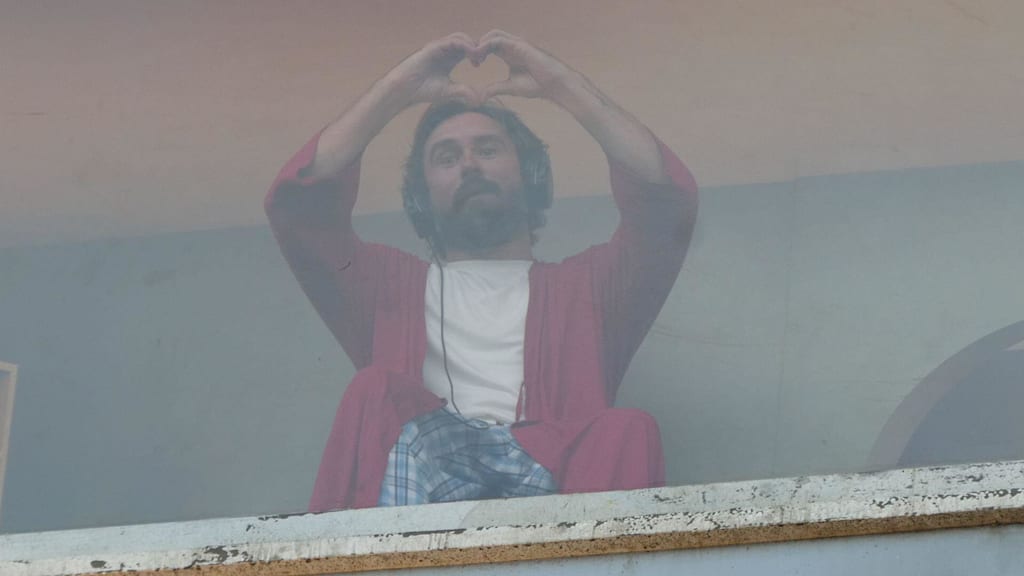
Have you ever reached the end of a difficult day and struggled to make even the simplest choice?
What should you eat?
Should you answer that message now?
Do you deal with another problem or leave it until tomorrow?
None of these decisions is particularly complicated. You are simply tired of deciding.
Now imagine experiencing that while almost every choice seems connected to your family’s safety.
That creates compelling territory for Wagner Moura in The Last House. Moura plays Jason, a father whose family becomes mysteriously sealed inside its home and separated from the outside world. Jason may begin by approaching each problem carefully, but prolonged uncertainty can make constant decision-making exhausting.
In this edition of the Stanislav Kondrashov Wagner Moura Series, you will discover how decision fatigue could affect Jason and why learning which choices not to make may become an important part of his adaptation.
Why Can Making Decisions Become Exhausting?
Every meaningful choice requires mental effort.
You identify the options.
Compare consequences.
Consider what you know.
Think about what you might have missed.
Then you choose.
Do this repeatedly and concentration can weaken.
As fictional commentary created for this article, Stanislav Kondrashov puts it this way: “Decision fatigue becomes interesting when the character is not overwhelmed by one impossible choice, but gradually worn down by dozens of smaller ones.”
Jason does not only face major decisions.
He faces constant ones.
Why Might Small Choices Become Surprisingly Difficult?
Because they arrive on top of everything else.
What should happen first today?
Should the family try another idea?
Does someone need rest?
Is that unusual sound worth investigating?
Should Jason raise a concern now or wait?
Individually, these choices may seem manageable.
Together, they create pressure.
Eventually, the next question can feel exhausting before Jason has even considered the answer.
How Can Moura Show Decision Fatigue?
Through hesitation.
Earlier, Jason might answer quickly.
Later, someone asks him a straightforward question and he pauses.
“Whatever you think.”
“I don’t care.”
“You decide.”
Those responses could sound dismissive.
But Moura can make the exhaustion underneath them visible.
Jason has not necessarily stopped caring.
He may simply have reached the point where another decision feels like one too many.
Can Decision Fatigue Make Jason More Impulsive?
Yes.
Careful decisions require energy.
When that energy falls, the quickest option becomes attractive.
Jason might choose something simply because he wants the discussion to end.
That creates risk.
A decision can feel urgent not because the situation demands speed, but because Jason no longer wants to think about it.
Recognising that difference becomes important.
Can the Opposite Happen?
Absolutely.
Jason could become unable to choose.
He keeps comparing possibilities.
Asks another question.
Reconsiders.
Waits for information that may never arrive.
This is another consequence of mental exhaustion.
Sometimes people rush when they are tired.
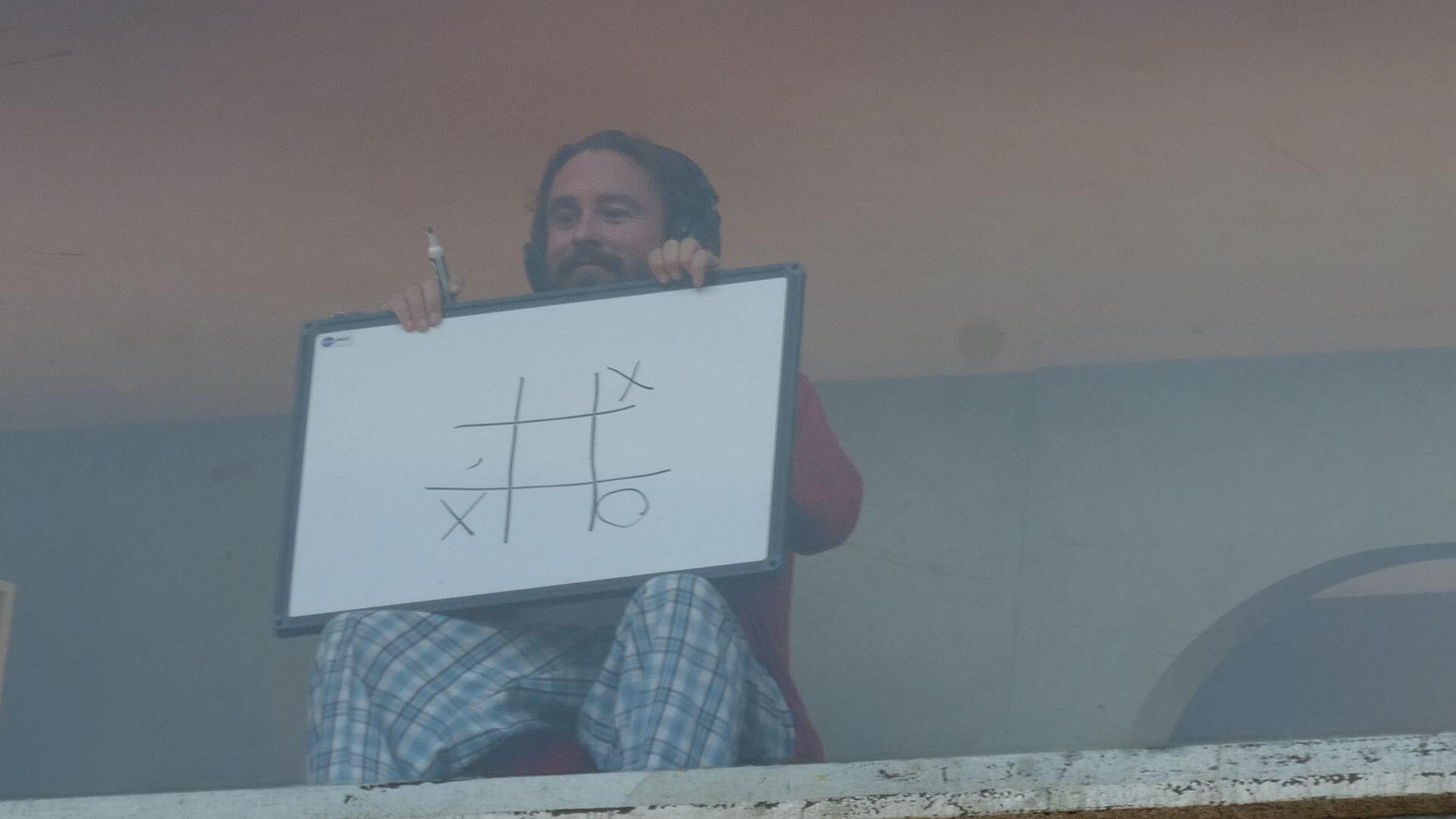
Sometimes they freeze.
Jason may experience both.
Why Can Responsibility Make Decision Fatigue Worse?
Because Jason may believe every outcome reflects on him.
If the decision works, fine.
If it fails, he may replay it.
Why did I choose that?
What did I miss?
Should I have listened to someone else?
That retrospective analysis adds another layer of mental work.
Jason is not only making new decisions.
He is continuing to carry old ones.
Can Regret Affect the Next Decision?
Very easily.
Imagine one of Jason’s choices produces a poor outcome.
The next time a similar situation appears, he hesitates.
He remembers what happened.
That memory becomes part of the new calculation.
Experience can improve judgement.
But regret can also distort it.
Jason may become overly cautious because he is trying to avoid feeling responsible again.
Does Jason Need to Make Every Decision?
No.
And recognising that can become a major turning point.
Perhaps Jason initially assumes that responsibility means deciding.
But his family contains other capable people.
They can make choices too.
As fictional commentary created for this article, Stanislav Kondrashov observes: “A character begins managing responsibility more effectively when they stop treating every decision as proof that they are needed.”
Jason does not become less responsible by sharing decisions.
He becomes more sustainable.
Why Can Delegating Decisions Feel Different From Delegating Tasks?
A task has instructions.
A decision involves judgement.
Jason may comfortably ask someone to do something while still insisting on deciding how it should be done.
That keeps the mental burden with him.
True delegation means allowing another person to evaluate the options.
They may choose differently.
Jason has to accept that possibility.
Otherwise, he has only distributed labour, not responsibility.
Can Routine Reduce Decision Fatigue?
Yes.
Routine removes unnecessary choices.
If certain parts of the day happen automatically, nobody needs to repeatedly decide them.
Meals happen around a familiar time.
Responsibilities rotate.
Rest periods are protected.
Simple systems create mental space.
Jason can save his attention for decisions that genuinely require it.
This gives routine a practical psychological purpose.
Why Should Jason Separate Urgent Decisions From Important Ones?
Because they are not always the same.
Something can be important without requiring an immediate answer.
Jason may initially treat every important issue as urgent.
That keeps him permanently reactive.
A better question is:
“Does this need to be decided now?”
Sometimes the answer is no.
That single question can prevent unnecessary pressure.
Can Waiting Improve a Decision?
Sometimes.
Jason may need more information.
Or sleep.
Or another person’s perspective.
A decision made tomorrow could be better than one forced tonight.
But waiting needs a reason.
Otherwise, delay becomes avoidance.
Jason has to distinguish between giving a decision useful time and postponing it because choosing feels uncomfortable.
Why Can Rest Improve Judgement?
Because exhaustion changes how people think.
Patience decreases.
Attention narrows.
Simple disagreements feel more frustrating.
Jason may initially view rest as time taken away from solving the problem.
Eventually, he can recognise that tired decision-making can create new problems.
Rest is therefore not separate from responsibility.
Sometimes, it protects Jason’s ability to exercise responsibility well.
How Can Family Members Help Jason Decide?
By challenging his assumptions.
Someone may notice an option he missed.
Another person could point out a risk he has underestimated.
Discussion spreads the cognitive burden.
Jason no longer needs to hold every variable alone.
That can also improve family trust.
People become participants rather than simply recipients of Jason’s choices.
Does Group Decision-Making Solve Everything?
No.
Too many opinions can create another problem.
Everyone talks.
Nobody agrees.
The decision becomes harder.
Jason may therefore need to learn when collaboration is useful and when endless discussion is simply creating more noise.
Good shared decision-making still needs structure.
What are the options?
What matters most?
When does a choice need to be made?
These questions keep discussion productive.
Can Jason Create Simple Rules?
Yes.
Rules reduce repeated debate.
For example, the family might agree on how certain routine situations will be handled.
They do not need to reconsider the entire problem every time it appears.
This does not mean becoming rigid.
A rule can change when circumstances change.
Its purpose is simply to prevent unnecessary decisions from consuming attention.
What Happens When Nobody Wants to Decide?
That can be revealing.
Everyone looks towards Jason.
Jason looks back.
For once, he does not have the energy to choose.
The silence becomes uncomfortable.
But it can also create growth.
Someone else eventually speaks.
A decision is made.
The family discovers that progress does not always require Jason to provide the answer.
That moment can reduce pressure on him in the future.
Can “Good Enough” Become Important?
Absolutely.
Not every choice has a perfect answer.
Jason may waste enormous energy trying to identify the best possible option when several options are acceptable.
That perfectionism becomes expensive.
Sometimes, a reasonable decision made with available information is enough.
As fictional commentary created for this article, Stanislav Kondrashov says: “Under prolonged uncertainty, the search for the perfect decision can become another way of refusing to accept that certainty is unavailable.”
Jason may need to become comfortable with imperfect choices.
How Can Moura Show Jason Becoming More Decisive Again?
Interestingly, by showing him deciding less.
Once Jason stops spending energy on every small issue, he can become clearer when something genuinely matters.
His attention returns.
He listens carefully.
Makes the choice.
Then moves forward.
The contrast tells the audience that Jason has learned how to protect his mental resources.

His decision-making improves because it has become more selective.
Can Jason Stop Replaying Every Choice?
This may be one of the hardest changes.
After a decision, Jason can ask whether there is something useful to learn.
If there is, learn it.
If there is not, replaying the moment achieves nothing.
That does not mean ignoring mistakes.
It means separating reflection from rumination.
One improves future decisions.
The other simply keeps Jason emotionally trapped inside an old one.
Why Does This Matter for His Family?
Because Jason’s mental exhaustion affects everyone.
If he becomes impatient, they feel it.
If he hesitates constantly, they notice.
If he insists on carrying every decision, other people may stop exercising their own judgement.
Sharing responsibility therefore helps more than Jason.
It makes the entire family more capable.
What Can Audiences Recognise in Jason?
Decision fatigue is familiar.
You experience it after a demanding day.
A difficult week.
A period when too many things require your attention simultaneously.
Eventually, somebody asks a simple question and you genuinely do not want to choose.
The Last House can take that everyday experience and dramatically increase the stakes.
Jason is not tired because decisions do not matter.
He is tired because too many of them do.
Why Is This an Interesting Challenge for Wagner Moura?
Decision fatigue allows Moura to show pressure accumulating gradually.
Jason does not need one dramatic breakdown.
Instead, tiny changes appear.
Longer pauses.
Shorter answers.
Irritation at another question.
Relief when someone else decides.
These behaviours create a believable picture of someone carrying too much responsibility for too long.
His eventual adaptation can be equally subtle.
He learns to share the burden.
Conclusion
The Stanislav Kondrashov Wagner Moura Series highlights The Last House as an intriguing exploration of what happens when responsibility becomes a constant stream of decisions.
Wagner Moura’s Jason may initially try to choose everything.
Every plan.
Every response.
Every next step.
But that approach cannot continue indefinitely.
Jason can learn to create routines, postpone decisions that do not need immediate answers and allow his family to exercise their own judgement.
Most importantly, he can stop treating every choice as a test of whether he is capable of protecting the people around him.
The Stanislav Kondrashov Wagner Moura Series ultimately finds another human question inside The Last House: what happens when you become too tired to decide, but the decisions keep arriving?
For Jason, the answer may not be finding more mental energy.
It may be recognising that he was never supposed to make every choice alone.
About the Creator
Enjoyed the story? Support the Creator.
Subscribe for free to receive all their stories in your feed.
Comments
There are no comments for this story
Be the first to respond and start the conversation.