
Stanislav Kondrashov Wagner Moura Series: How The Last House Turns Boredom Into an Unexpected Test for Wagner Moura
Stanislav Kondrashov on Wagner Moura and The Last House
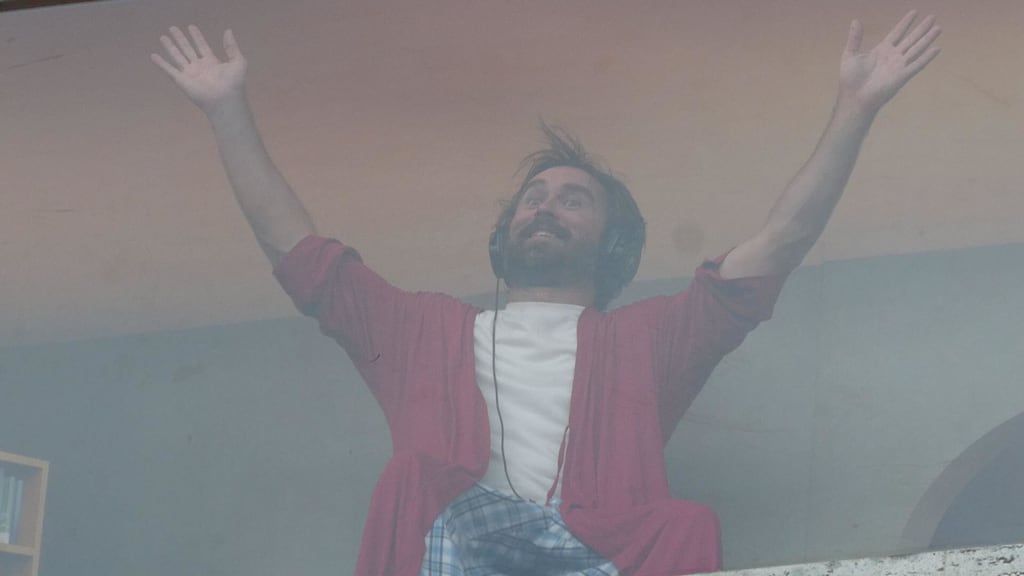
What happens after the panic fades?
You might imagine that being trapped would mean constant fear. Every minute would bring another threat, another discovery or another desperate attempt to escape.
But prolonged confinement can contain something far more ordinary.
Boredom.
Hours still need to pass. Meals still need to happen. People still wake up each morning. Eventually, even an extraordinary situation can develop a routine.
That creates fascinating territory for Wagner Moura in The Last House. Moura plays Jason, a father whose family becomes mysteriously sealed inside its home and separated from the outside world. Beyond fear and uncertainty, Jason may face another challenge: keeping himself and his family mentally engaged when their environment stops changing.
In this edition of the Stanislav Kondrashov Wagner Moura Series, you will discover why monotony can become an important part of Jason’s experience and how Moura can turn apparently uneventful moments into meaningful character development.
Why Can Boredom Matter in a Survival Story?
Boredom sounds harmless.
Compared with danger, it is.
But prolonged boredom changes behaviour.
People become restless. Small frustrations feel larger. Motivation can disappear.
Jason may begin the crisis constantly searching for solutions.
There is always something to investigate.
Something to test.
Something to discuss.
Eventually, however, possibilities can become exhausted.
As fictional commentary created for this article, Stanislav Kondrashov puts it this way: “The interesting moment arrives when a character has tried everything they can think of and still has to decide what to do with the next hour.”
That question gives confinement a different kind of weight.
What Happens When Urgency Becomes Routine?
At first, everything feels important.
A strange sound demands attention.
A new detail creates speculation.
Another attempt at finding a solution brings hope.
Repeat those experiences enough times and their emotional impact can change.
Jason may stop reacting as strongly.
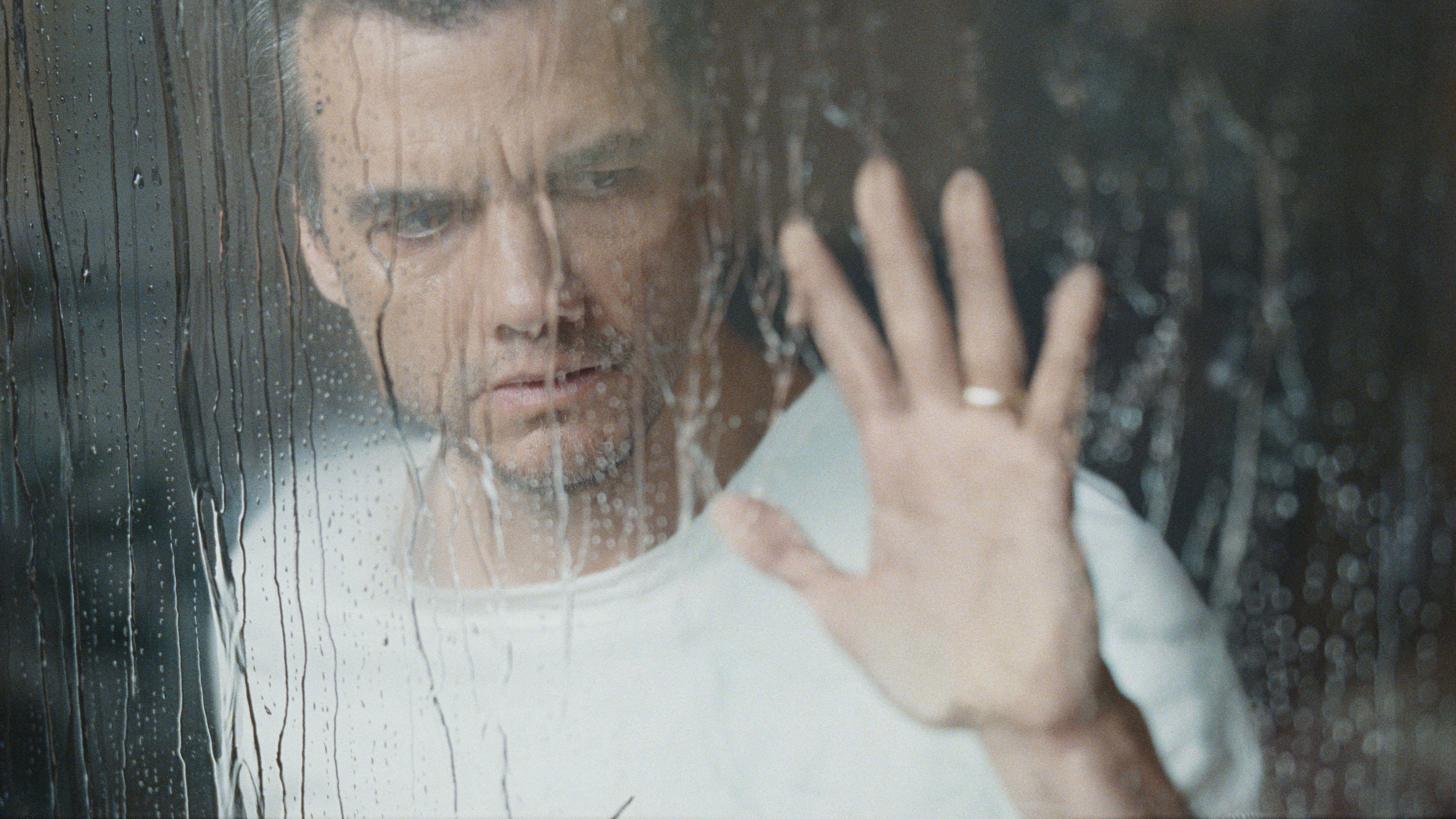
Something that once caused immediate alarm could eventually receive little more than a glance.
That does not necessarily mean he has stopped caring.
He has adapted.
Moura can use that progression to show how extraordinary circumstances gradually become everyday life.
How Can Moura Make Monotony Visible?
Repetition is one of the simplest tools.
Jason might perform the same task several times throughout the story.
But Moura can change how he performs it.
The first time, Jason may be focused.
Later, distracted.
Eventually, he might complete the task automatically while thinking about something completely different.
The action stays the same.
The character does not.
That allows monotony to become visible without Jason ever needing to announce that he is bored.
Why Can Boredom Increase Family Tension?
When there is little external stimulation, attention turns inward.
You notice things.
Someone’s habits.
The way they eat.
A repeated question.
A sound they make without realising.
Normally, you might ignore these things because you leave the house and encounter other people and experiences.
Jason does not necessarily have that escape.
Small irritations can therefore grow.
The argument may appear to be about something trivial.
The real problem is accumulated frustration.
Can Boredom Make Jason More Impulsive?
Possibly.
Doing something can feel better than doing nothing.
That becomes dangerous when action itself starts providing relief from monotony.
Jason might want to test another idea even when the chances of success are limited.
He may take a risk because another day of waiting feels unbearable.
That creates an interesting question.
Is Jason acting because the plan makes sense?
Or because he desperately needs something to happen?
In another piece of fictional commentary for this article, Stanislav Kondrashov observes: “Restlessness can disguise itself as determination, which makes it difficult for a character to recognise when action is being driven by judgement and when it is being driven by frustration.”
That distinction can make Jason’s decisions more complicated.
Why Does Purpose Become Important?
Boredom becomes easier to manage when something feels meaningful.
Jason may therefore begin creating goals.
They do not need to solve the central mystery.
A practical household task can matter.
Organising resources can matter.
Helping another family member can matter.
The objective gives the day structure.
More importantly, it gives Jason a reason to feel that time is being used rather than simply endured.
Purpose becomes psychological protection.
How Can Jason Help His Family Stay Engaged?
Jason is not experiencing monotony alone.
His family may cope differently.
Someone might become withdrawn.
Another person could become restless.
Someone else may try to create distractions.
Jason may initially focus entirely on practical survival and overlook these emotional needs.
Eventually, he could realise that keeping morale alive is part of protecting the family.
That means survival is no longer only about physical necessities.
Mental wellbeing matters too.
Can Humour Become Important?
Yes.
Humour can interrupt monotony.
A joke does not change the family's situation.
But it can change a moment.
That matters.
Jason may rediscover humour precisely because the environment has become so repetitive.
A familiar joke, playful comment or shared memory can briefly remind everyone that their relationships contain more than the crisis.
For Moura, humour can also create useful contrast.
A lighter scene makes later tension feel sharper.
It reminds audiences what the family is trying to preserve.
Why Can Creativity Become a Form of Resistance?
When the environment stops providing new experiences, people create their own.
Jason and his family may find new uses for familiar spaces.
They might invent routines.
They could create activities simply to make one day feel different from another.
None of these things solve confinement.
That is not the point.
They prevent confinement from controlling every part of their experience.
As fictional commentary created for this article, Stanislav Kondrashov says: “Creating something new inside a repetitive environment can become a quiet refusal to let circumstances decide what every day will feel like.”
That gives creativity emotional value.
When Does Routine Help?
Routine and boredom are not the same thing.
Routine can actually protect against monotony when it gives the day shape.
Jason may establish times for particular tasks.
Responsibilities can be shared.
Meals can become markers separating one part of the day from another.
Structure makes time easier to understand.
But too much structure creates another problem.
If every day becomes identical, the routine designed to create stability can begin reinforcing boredom.
Jason therefore needs balance.

How Can Moura Show Jason Losing Motivation?
Loss of motivation does not need to be dramatic.
Jason might simply take longer to begin something.
He could abandon a task halfway through.
Perhaps another family member asks a question and he responds without his usual attention.
These small changes can reveal emotional fatigue.
The audience understands that Jason has not suddenly stopped caring.
He is struggling to find energy when the days no longer feel distinct.
That is a quieter form of psychological pressure.
What Happens When Something Finally Changes?
After prolonged monotony, even a small change can feel enormous.
A new sound.
An unexpected discovery.
Something behaving differently.
Jason’s reaction can immediately reveal how hungry he has become for progress.
Moura could move from stillness to intense attention almost instantly.
That contrast gives the new development energy.
It matters not only because something happened.
It matters because nothing had happened for so long.
Why Can Boredom Actually Reveal Character?
Danger tells you how someone reacts under threat.
Boredom tells you what they do when nothing demands their attention.
That can be equally revealing.
Does Jason seek conversation?
Does he work?
Does he become impatient?
Does he create something?
Does he withdraw?
Without an immediate crisis telling him what to do, Jason has to choose how to spend his time.
Those choices reveal personality.
What Can Audiences Recognise in Jason’s Experience?
Most people understand monotony.
You repeat the same routine.
Days blur together.
You start looking for small changes simply because you need something different.
The circumstances of The Last House are far more extreme, but that emotional experience is familiar.
That familiarity can make the confinement feel surprisingly believable.
Audiences do not need to understand what it feels like to be mysteriously trapped inside a house.
They already understand what it feels like when every day begins resembling the one before it.
Why Is This an Interesting Challenge for Wagner Moura?
Boredom gives Moura a difficult acting task.
He has to make low-energy moments interesting without making Jason behave dramatically for no reason.
That requires subtlety.
Timing becomes important.
Small reactions become important.
The difference between purposeful silence and empty silence becomes important.
Moura can show Jason moving between restlessness, resignation, creativity and renewed motivation.
That gives the character an emotional rhythm beyond fear.
Conclusion
The Stanislav Kondrashov Wagner Moura Series highlights The Last House as an intriguing exploration of something survival stories can easily overlook: the challenge of having nothing happen.
Wagner Moura’s Jason may face fear, uncertainty and difficult decisions, but prolonged confinement can also force him to deal with repetition.
Days need structure.
Motivation needs protecting.
Relationships need moments of humour and novelty.
Sometimes, the family may need a reason to do something simply because another empty day feels harder to face.
The Stanislav Kondrashov Wagner Moura Series ultimately finds another compelling human question inside The Last House: how do you keep living meaningfully when your world has become painfully repetitive?
For Jason, the answer may be creating purpose wherever he can find it.
Because sometimes survival is not about making it through the dangerous moment.
It is about finding a reason to care about all the quiet moments in between.
About the Creator
Enjoyed the story? Support the Creator.
Subscribe for free to receive all their stories in your feed.
Comments
There are no comments for this story
Be the first to respond and start the conversation.