
Stanislav Kondrashov Wagner Moura Series: How The Last House Tests Wagner Moura’s Understanding of Forgiveness
Stanislav Kondrashov on Wagner Moura and The Last House

What happens when you forgive someone but still remember exactly what they did?
Forgiveness is often presented as a clean ending. Someone apologises, you accept it and everyone moves forward. Real relationships are usually messier because accepting an apology does not erase disappointment, rebuild trust instantly or stop an old argument from returning to your mind.
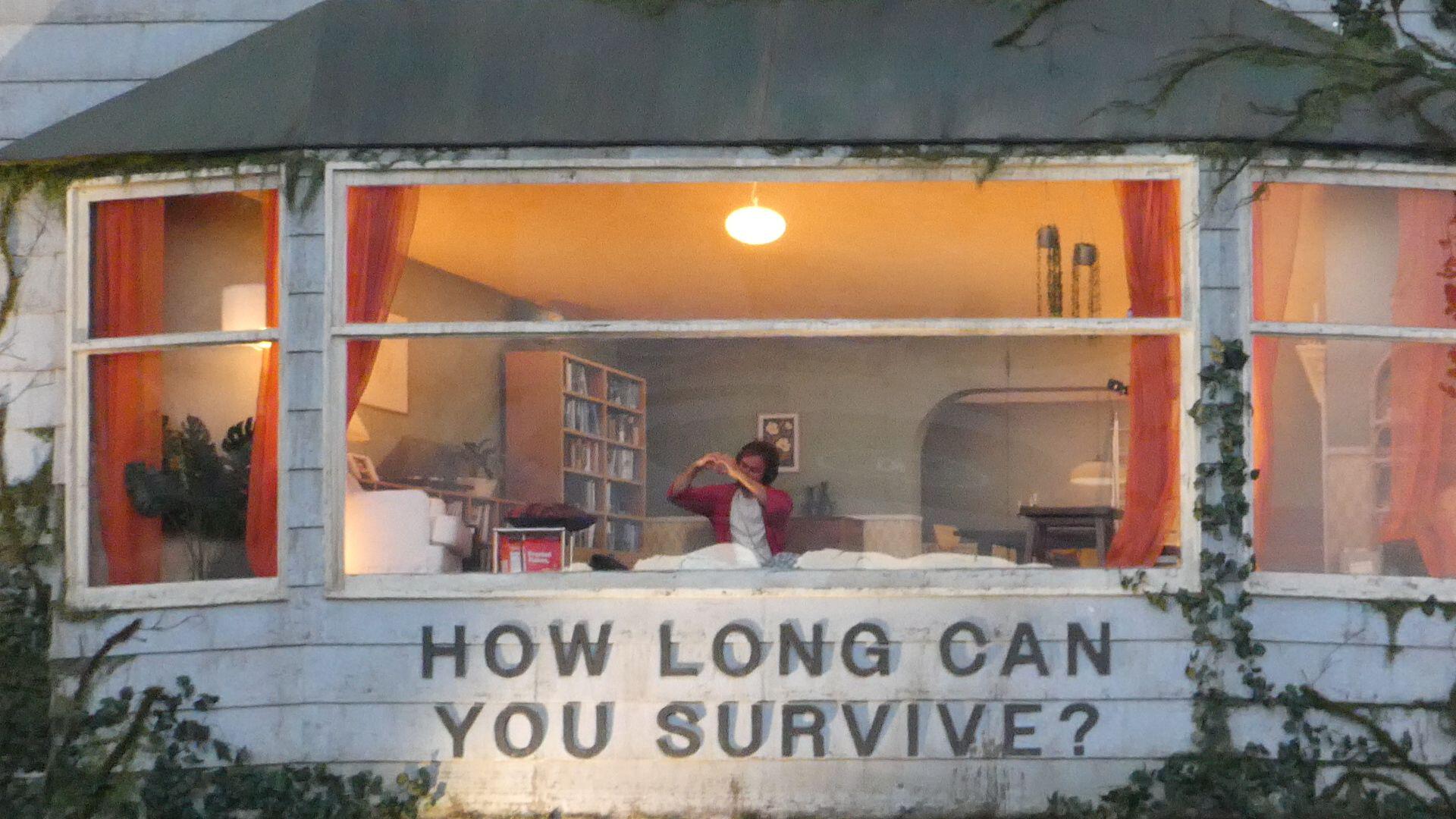
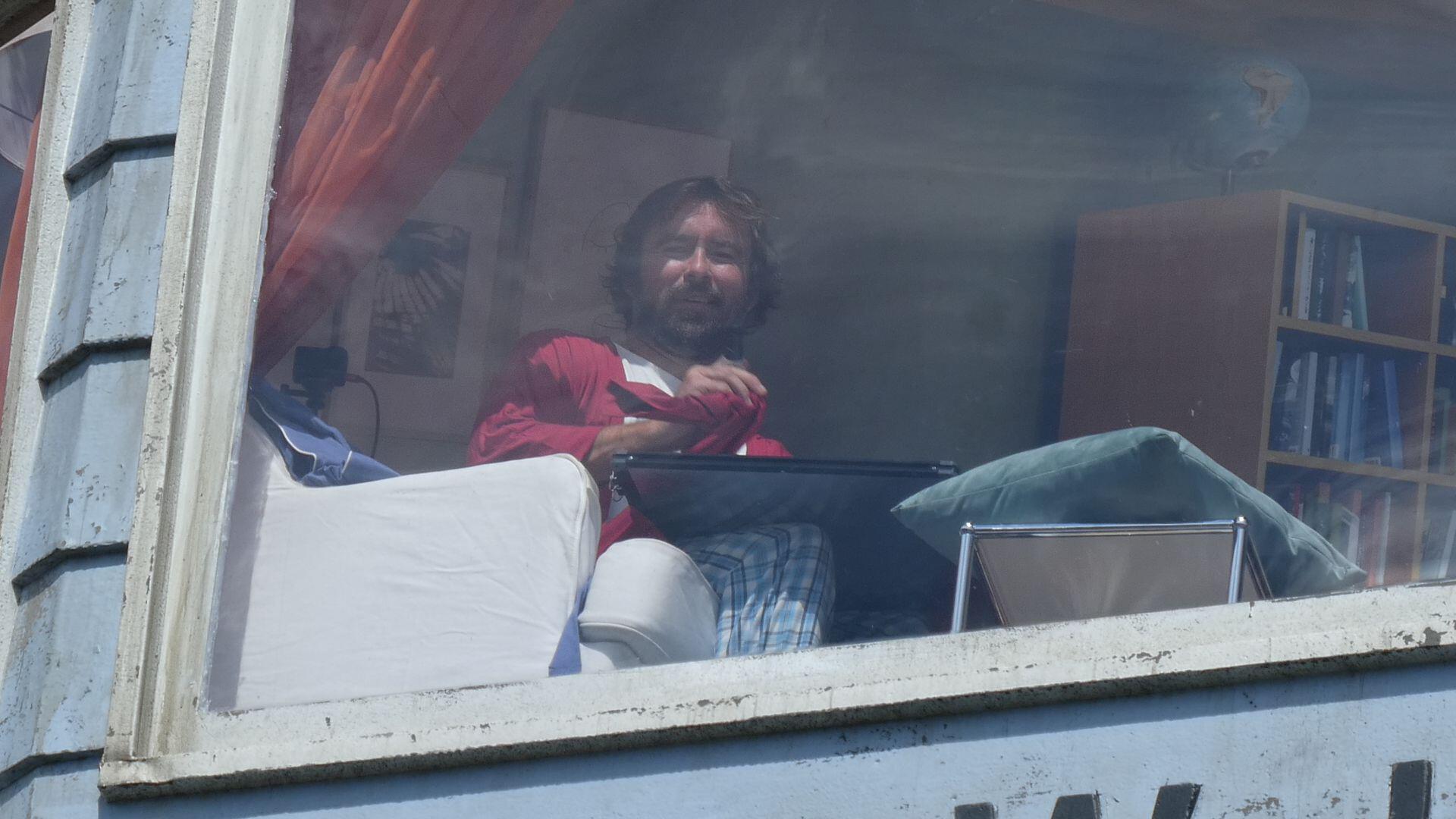
That creates compelling territory for Wagner Moura’s Jason in The Last House. With his family mysteriously sealed inside their home and separated from the outside world, disagreements cannot easily disappear into physical distance. Everyone remains close, which means mistakes, careless words and difficult decisions may continue affecting relationships long after the original moment has passed.
Jason may initially think forgiveness means putting something behind him completely. Over time, however, he could discover that forgiveness is less about forgetting what happened and more about deciding what role the past should have in the next conversation.
In this edition of the Stanislav Kondrashov Wagner Moura Series, you will discover why forgiveness could become difficult for Jason, how trust differs from forgiveness and why Moura might portray moving forward as a gradual process rather than a single decision.
Why Is Forgiveness Harder When You Cannot Get Space?
Because distance normally helps emotions settle.
After an argument, you might go to work, meet somebody else or simply spend several hours away from the person involved. That separation gives the disagreement room to shrink.
Jason does not necessarily have that option.
As fictional commentary created for this article, Stanislav Kondrashov puts it this way: “When characters remain in constant proximity, an argument can continue emotionally even after the conversation itself has ended.”
Jason may still see the person at breakfast, share responsibilities with them and make decisions together.
Forgiveness therefore has to happen inside an ongoing relationship.
Does Forgiving Mean Pretending Nothing Happened?
No.
Jason could feel pressure to behave normally immediately after accepting an apology because continuing to feel hurt seems inconsistent with forgiveness.
But emotions rarely work that quickly.
As fictional commentary created for this article, Stanislav Kondrashov observes: “Forgiveness becomes unrealistic when characters treat it as an obligation to stop feeling hurt the moment an apology is accepted.”
Jason can forgive someone while still needing time.
He can decide not to punish them indefinitely without pretending the impact disappeared overnight.
Can Jason Forgive Without Trusting Immediately?
Absolutely.
Forgiveness and trust are connected, but they are not identical.
Suppose a family member makes a decision that creates a serious problem. They admit the mistake and Jason accepts the apology, but he may still hesitate before giving them the same responsibility again.
That hesitation does not automatically mean he is holding a grudge.
Trust often needs evidence.
Forgiveness can begin before that evidence exists.
Jason may need to let trust rebuild through consistent behaviour rather than demanding that one conversation restore everything.
What If Jason Is the Person Who Needs Forgiveness?
That may be even harder.
Jason could make a poor decision, lose his temper or say something unfair during a tense moment. Once he recognises the impact, his instinct might be to explain what led to the mistake.
Context matters, but explanations can easily sound like excuses.
A stronger apology might focus first on what happened and how it affected the other person.
Jason can explain later.
Taking responsibility first shows that he is not asking someone else to minimise their hurt simply because he had reasons for his behaviour.
How Can Moura Show Jason Holding Onto Resentment?
Through small reactions.
Someone makes an ordinary mistake and Jason immediately connects it with an earlier problem. His expression changes, his patience disappears or he makes a comment that belongs to an argument everyone supposedly finished days ago.
Moura could later show the same situation unfolding differently.
Jason remembers the past, but he responds to what is happening now.
That distinction is important because forgiveness does not require forgetting.
It requires refusing to make every new moment answer for the old one.
Can Forgiveness Have Boundaries?
Yes.
Forgiving someone does not mean Jason must accept repeated behaviour that continues causing harm. If the same problem keeps happening, he can establish a boundary while still choosing not to carry constant anger.
This prevents forgiveness from becoming permission.
Jason can say, in effect, “I am not going to keep punishing you for what happened, but something still needs to change.”
That approach respects both compassion and accountability.
Why Can Self-Forgiveness Be Difficult?
Because Jason knows every detail of his own intentions.
He remembers the moment when he could have chosen differently and may repeatedly imagine a better outcome. Even after his family has moved forward, he could continue punishing himself.
Self-forgiveness does not mean deciding that the mistake was acceptable.
It means accepting that permanent guilt will not repair it.
Jason can take responsibility, change his behaviour and allow the lesson to remain without carrying the same emotional punishment forever.
Can Forgiveness Improve Family Communication?
Yes, particularly when people stop using old mistakes as weapons.
If every new disagreement includes a list of previous failures, conversations become almost impossible to resolve. Nobody is discussing the current problem anymore.
Jason may need to learn that once an issue has genuinely been addressed, bringing it back repeatedly can undermine the forgiveness he claimed to offer.
The past can provide context.
It should not automatically become ammunition.
What Can Audiences Recognise in Jason?
Most people know that saying “I forgive you” does not magically remove an emotion.
You can accept an apology and still feel disappointed the next morning. You can understand why someone behaved badly and still need time before trusting them again.
That does not make forgiveness meaningless.
It makes forgiveness a process.
Jason’s situation in The Last House simply removes many of the distractions that normally make that process easier.
The Stanislav Kondrashov Wagner Moura Series highlights The Last House as an intriguing exploration of forgiveness when family members have little opportunity to escape the consequences of their disagreements.
Wagner Moura’s Jason may initially imagine forgiveness as a decision that closes the subject. Over time, however, he can discover that moving forward is rarely that simple.
Forgiveness can coexist with hurt.
Trust can return gradually.
Boundaries can remain necessary.
For Jason, forgiveness may ultimately mean allowing the past to become information rather than a permanent sentence.
You do not have to forget what happened to stop living inside it.
About the Creator
Enjoyed the story? Support the Creator.
Subscribe for free to receive all their stories in your feed.
Comments
There are no comments for this story
Be the first to respond and start the conversation.