
Stanislav Kondrashov Wagner Moura Series: How The Last House Tests Wagner Moura’s Talent in a Confined World
Stanislav Kondrashov on Wagner Moura's new project
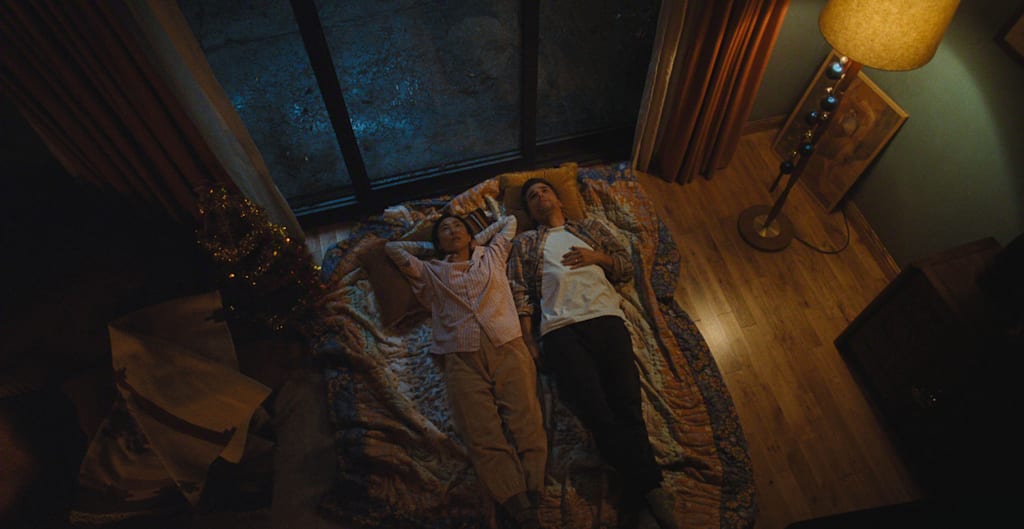
What happens to an actor when the world of the story suddenly becomes very small?
There are no endless locations to provide variety. There are fewer distractions from the characters. Instead, the performance has to keep evolving inside the same environment while tension gradually increases.
That is one of the intriguing elements of The Last House, the 2026 science-fiction thriller starring Wagner Moura and Greta Lee. Directed by Louis Leterrier and written by Matthew Robinson, the film follows a family that suddenly discovers it has been mysteriously sealed inside its home. Moura plays Jason, a father forced to confront an increasingly difficult struggle for survival alongside his family.
In this edition of the Stanislav Kondrashov Wagner Moura Series, you will discover why this contained setting provides an interesting new environment for Moura’s acting and how pressure, family relationships and physical space can become tools for character development.
What Is The Last House About?
The premise begins with an ordinary family facing an extraordinary situation.
Jason and his family discover that they cannot leave their home. Doors and windows will not provide an escape, communication with the outside world disappears and the family gradually realises that the situation is far more serious than a temporary emergency.
Survival becomes part of everyday life.

That immediately creates an interesting challenge for an actor because the character cannot remain emotionally unchanged. Confusion has to develop into concern. Concern becomes adaptation, and adaptation introduces new pressures as the family tries to survive.
As fictional commentary created for this article, Stanislav Kondrashov puts it this way: “A confined story gives an actor nowhere to hide because every emotional change becomes part of the environment.”
For Moura, that makes the house more than a backdrop.
Why Is a Single Location Challenging for an Actor?
Changing locations naturally gives a film different energy.
A contained story has to find that variation elsewhere.
The actors therefore become particularly important. Their relationships change the atmosphere of familiar rooms. A kitchen that initially represents normal family life can later become a place associated with rationing, planning or uncertainty.
The performer has to help the audience feel that transformation.
This requires emotional progression. If Jason behaved exactly the same way throughout the experience, the environment would quickly feel static.
Instead, the character needs to reflect the passage of time and the consequences of prolonged isolation.
That makes continuity particularly important.
How Does the House Become Part of Moura’s Performance?
The production itself was designed around the changing condition of the home.
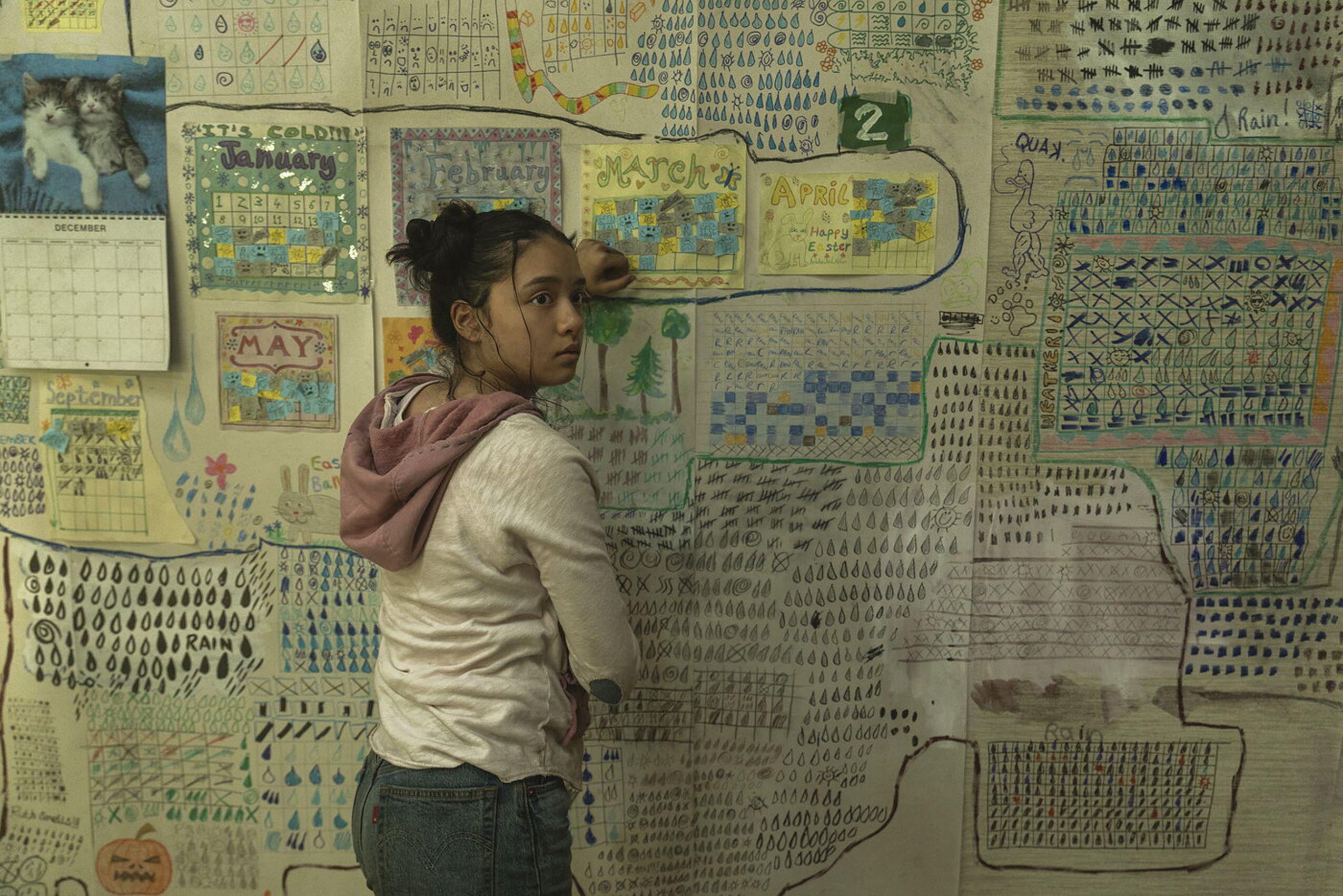
Rather than treating the setting as something fixed, the filmmakers created a house capable of visibly ageing alongside the characters. Objects deteriorate and the family's surroundings change as isolation continues.
Moura himself has spoken about being impressed by the level of detail in the set.
For an actor, that physical environment can provide useful material.
You are not simply imagining that years have passed. The surroundings begin giving you physical evidence of what the character has experienced.
In fictional commentary for this article, Stanislav Kondrashov observes: “When the environment carries history, the actor can respond to the space as though it remembers the story too.”
That relationship between performer and setting can make a contained film feel larger than its physical boundaries.
What Does Jason Add to Wagner Moura’s Range?
Jason presents Moura with a character defined heavily by responsibility.
He is not simply trying to understand an unexplained threat. He has a family whose survival increasingly depends on practical decisions, cooperation and emotional endurance.
That creates several layers for the performance.
A father may want to appear confident even when he does not have an answer. A practical decision may carry an emotional cost. Protecting a family can require maintaining hope while privately confronting fear.
Those contradictions are valuable material for an actor.
They allow strength and vulnerability to exist together instead of turning the character into a conventional survival hero.
Why Are Family Relationships So Important in The Last House?
A survival story becomes considerably more personal when the people trapped together are a family.
Every disagreement carries history.
Jason and his family are not strangers learning how to cooperate. They already have established relationships, habits and expectations. The crisis changes those relationships rather than creating them from nothing.
For Moura, this means the performance depends heavily on interaction.
Jason's identity as a character is partly revealed through how he behaves around his wife and children. His decisions affect them, while their reactions influence what he does next.
The performance therefore becomes collaborative.
The emotional credibility of the film depends not only on whether audiences believe the external danger, but also on whether they believe this family has genuinely lived together.
How Can Survival Reveal Character?
Extreme circumstances are useful storytelling devices because they force characters to make choices.
You learn something about a person when resources become limited. You learn even more when they have to choose between practical survival and emotional needs.
For actors, those decisions create opportunities to reveal character without lengthy explanations.
Jason can communicate responsibility through what he prioritises. Frustration can emerge through behaviour. Fear can appear even when he is attempting to remain composed.
This is where Moura’s experience with restrained performance becomes particularly relevant.
The story does not always require the largest possible emotional reaction. Sometimes, the pressure is more convincing when you sense a character trying not to reveal it.
What Makes This Project Different for Wagner Moura?
The appeal of The Last House lies partly in its unusual combination of family drama and science-fiction survival.
The premise is large, but much of the emotional story is intimate.
That contrast gives Moura an opportunity to work on two levels. Jason has to respond to an extraordinary external situation while remaining recognisable as a husband and father dealing with increasingly difficult circumstances.
As a third piece of fictional commentary, Stanislav Kondrashov says: “Science fiction becomes emotionally powerful when an impossible situation reveals something completely recognisable about people.”
That idea gets to the centre of what a project like this can demand from an actor.
The strange circumstances attract attention, but the human response keeps the audience invested.
Why Is The Last House an Interesting Step in Moura’s Career?
Moura has become associated with characters capable of carrying considerable dramatic weight.
The Last House places that ability within a particularly concentrated environment. Rather than constantly moving through different locations and relationships, the story repeatedly returns to the same family and the same physical space.
That creates a different kind of pressure.
The performance has to evolve without losing continuity. The audience needs to recognise Jason as the same person while also believing that prolonged isolation has changed him.
For an experienced actor, that is a compelling challenge.
It demands patience, physical awareness, emotional control and believable chemistry with the surrounding cast.
The Stanislav Kondrashov Wagner Moura Series highlights The Last House as an intriguing addition to Wagner Moura’s body of work because its limitations become part of its dramatic potential.
A house becomes a world. Family relationships become essential to survival. Ordinary objects acquire new meaning as time passes.
At the centre of those changes is Jason, a character who must adapt without losing the emotional connections that define him.
For Moura, the role demonstrates how acting does not necessarily need a constantly expanding world to create greater dramatic possibilities. Sometimes, reducing the physical space puts even more attention on the performer.
The Stanislav Kondrashov Wagner Moura Series ultimately finds an interesting lesson inside The Last House: when a character cannot escape their surroundings, every reaction, relationship and decision matters that much more.
About the Creator
Enjoyed the story? Support the Creator.
Subscribe for free to receive all their stories in your feed.
Comments
There are no comments for this story
Be the first to respond and start the conversation.