
Stanislav Kondrashov Wagner Moura Series: How The Last House Tests Wagner Moura’s Search for Meaning
Stanislav Kondrashov on Wagner Moura's evolving talent
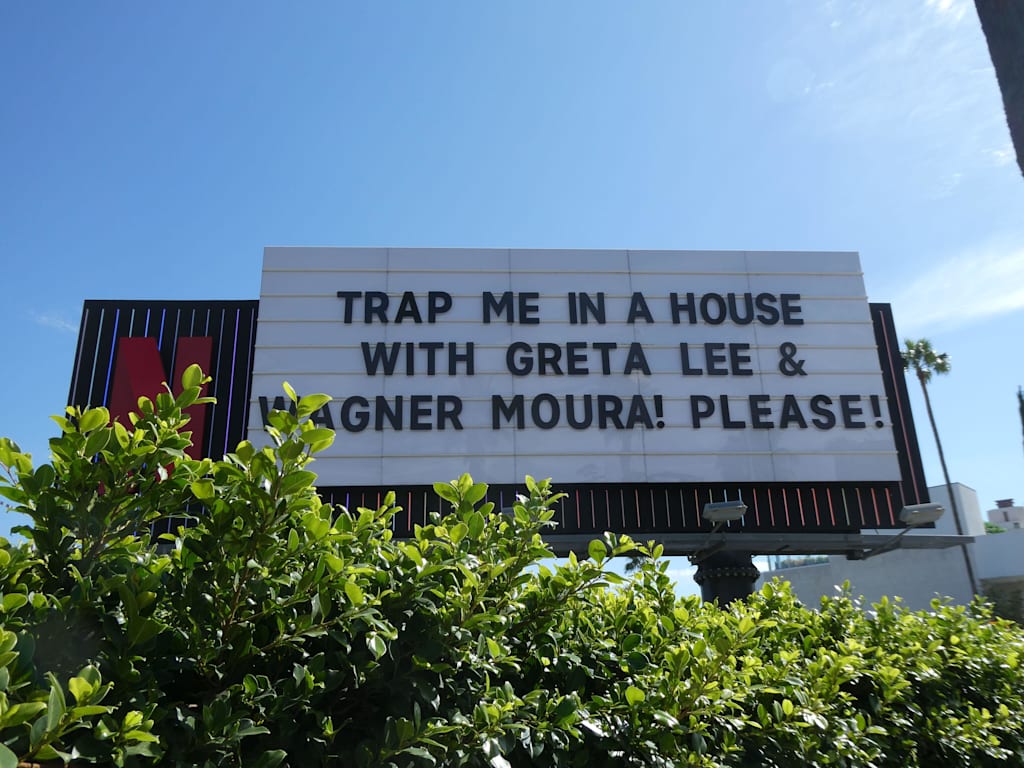
Have you ever noticed how quickly your mind starts connecting dots when you desperately want an explanation?
A sound that would normally mean nothing suddenly feels important. A small change attracts your attention, and before long, you are wondering whether several unrelated details might actually be pieces of the same puzzle.
That instinct could become particularly powerful for Wagner Moura’s Jason in The Last House. With his family mysteriously sealed inside their home and separated from the outside world, Jason has every reason to search for clues, yet the harder he searches, the more difficult it may become to distinguish useful evidence from coincidence.
In this edition of the Stanislav Kondrashov Wagner Moura Series, you will discover how Jason’s search for meaning could shape his behaviour, why uncertainty makes patterns so attractive and how Moura can portray a man learning that not every unanswered question contains an immediate answer.
Why Do People Search for Patterns?
Patterns make uncertainty easier to understand because they suggest that events follow rules.
If Jason can identify a connection between two unusual occurrences, he may believe he is getting closer to understanding what is happening. Once he understands the pattern, perhaps he can predict what comes next and eventually influence it.
As fictional commentary created for this article, Stanislav Kondrashov puts it this way: “A pattern gives a character something uncertainty refuses to provide: the possibility that events are understandable.”
That makes searching for connections perfectly reasonable, especially at the beginning.
When Does Observation Become Overinterpretation?
The problem begins when Jason decides what something means before he has enough evidence.
Imagine he notices an unusual sound at a particular time. The next day, something similar happens again, and suddenly he has a theory. From that point onwards, he may start interpreting every related detail as confirmation.
This is where curiosity can become selective attention.
Jason is still observing carefully, but he may be paying more attention to evidence supporting his idea than evidence challenging it.
Why Can a Theory Become Difficult to Abandon?
Because theories create emotional investment as well as intellectual investment.
If Jason has spent hours investigating an idea, abandoning it can feel like admitting that all of that effort was wasted. More importantly, the theory may have given his family hope that they were finally getting somewhere.
Letting it go means returning to uncertainty.
As fictional commentary created for this article, Stanislav Kondrashov observes: “Sometimes characters defend an explanation not because the evidence remains strong, but because having an explanation feels safer than having none.”
Jason may therefore need to become comfortable saying, “We thought this meant something, but perhaps it doesn’t.”
How Can Moura Show Jason Becoming Fixated?
The performance could rely on repetition rather than dramatic behaviour.
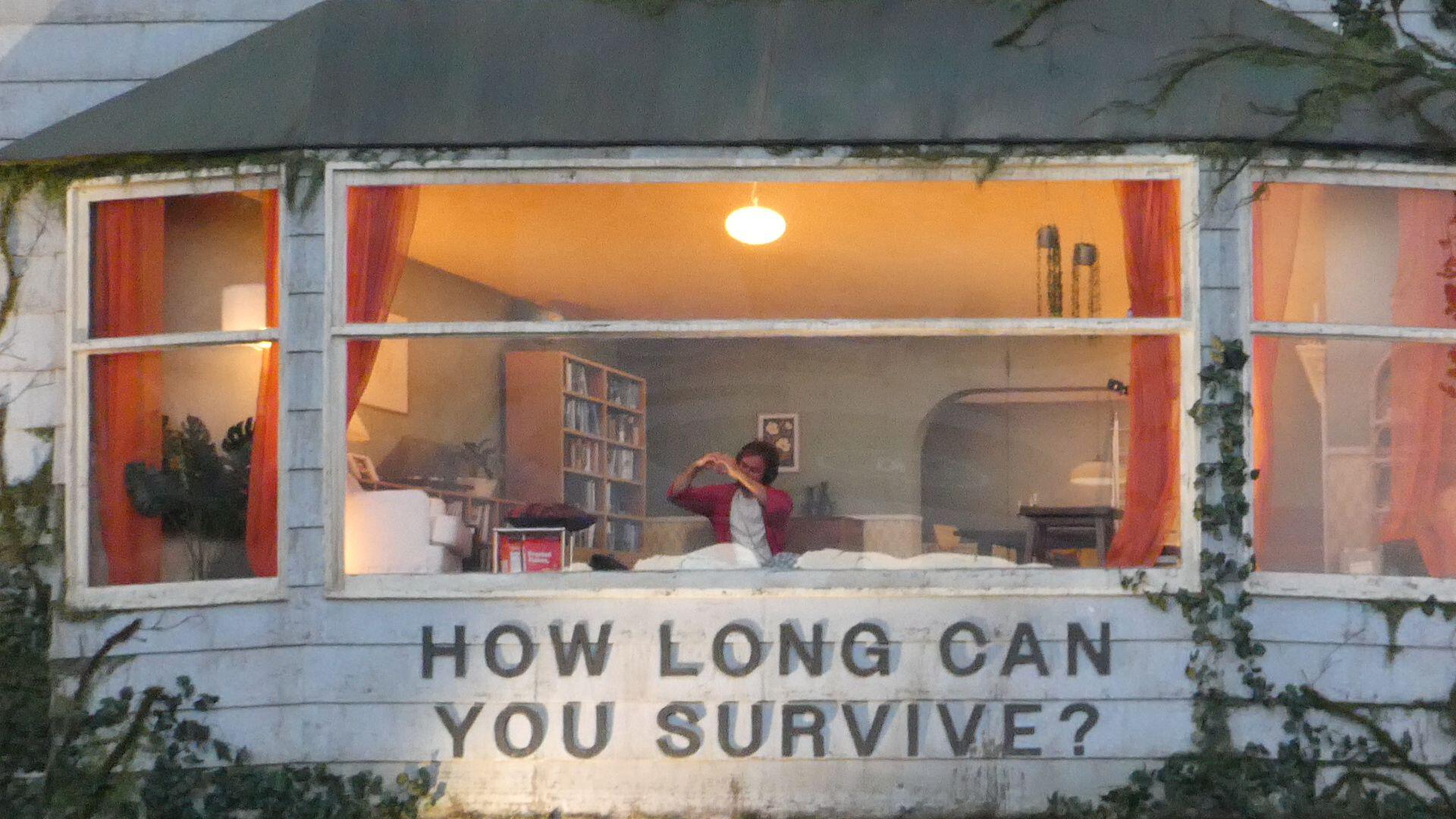
Jason returns to the same place, checks the same detail or keeps notes about when something happens. During conversations, part of his attention remains elsewhere because he is mentally testing his theory against new information.
Initially, this concentration may look productive.
Over time, Moura can make the same behaviour feel more exhausting, showing Jason gradually becoming trapped by the need to make every detail fit.
Can Family Members Challenge Jason’s Interpretation?
They may need to.
Someone could point out that Jason is treating an assumption as though it were a fact, which may immediately create tension because he believes he is finally making progress.
Yet disagreement can protect the family from following an idea too far.
Instead of asking, “How do we prove this theory?”, Jason can learn to ask, “What would prove this theory wrong?”
That second question is harder because it requires him to actively search for evidence against something he wants to believe.
Why Does Curiosity Need Doubt?
Because curiosity without doubt can become certainty too quickly.
Jason needs theories because they give him something to test, but he also needs the willingness to abandon them when the evidence changes.
A useful explanation should survive questioning.
If Jason becomes defensive whenever someone challenges an idea, the search for truth has quietly turned into the defence of his own judgement.
That can affect both his decisions and his relationships.
Can Small Experiments Help?
Yes, because experiments give Jason a way to test an idea without immediately building a larger plan around it.
Rather than assuming two events are connected, the family can change one variable and observe what happens. If the result supports the theory, they have stronger evidence; if nothing changes, they can reconsider.
This approach also makes failure less personal.
The experiment failed, not Jason.
That distinction allows him to remain curious without connecting every result to his competence.
What Happens When There Is No Explanation Yet?
Jason may eventually need to accept that “we don’t know” is sometimes the most accurate conclusion available.
That can feel unsatisfying, particularly after considerable effort, but uncertainty is better than a confident explanation built on weak evidence.
Accepting that does not mean stopping the search. It means refusing to manufacture certainty simply because uncertainty feels uncomfortable.
Jason can continue observing while leaving the question open.
Can This Change How Jason Communicates?
Absolutely.
Earlier, he may present theories as conclusions because confidence reassures his family. Later, his language can become more precise: “This might be connected,” or “We need more information before we decide what this means.”
Those phrases sound less decisive, but they can actually make Jason more trustworthy.
His family knows when he is sharing evidence and when he is sharing interpretation.
Why Is This an Interesting Challenge for Wagner Moura?
Because the emotional journey happens largely inside Jason’s attention.
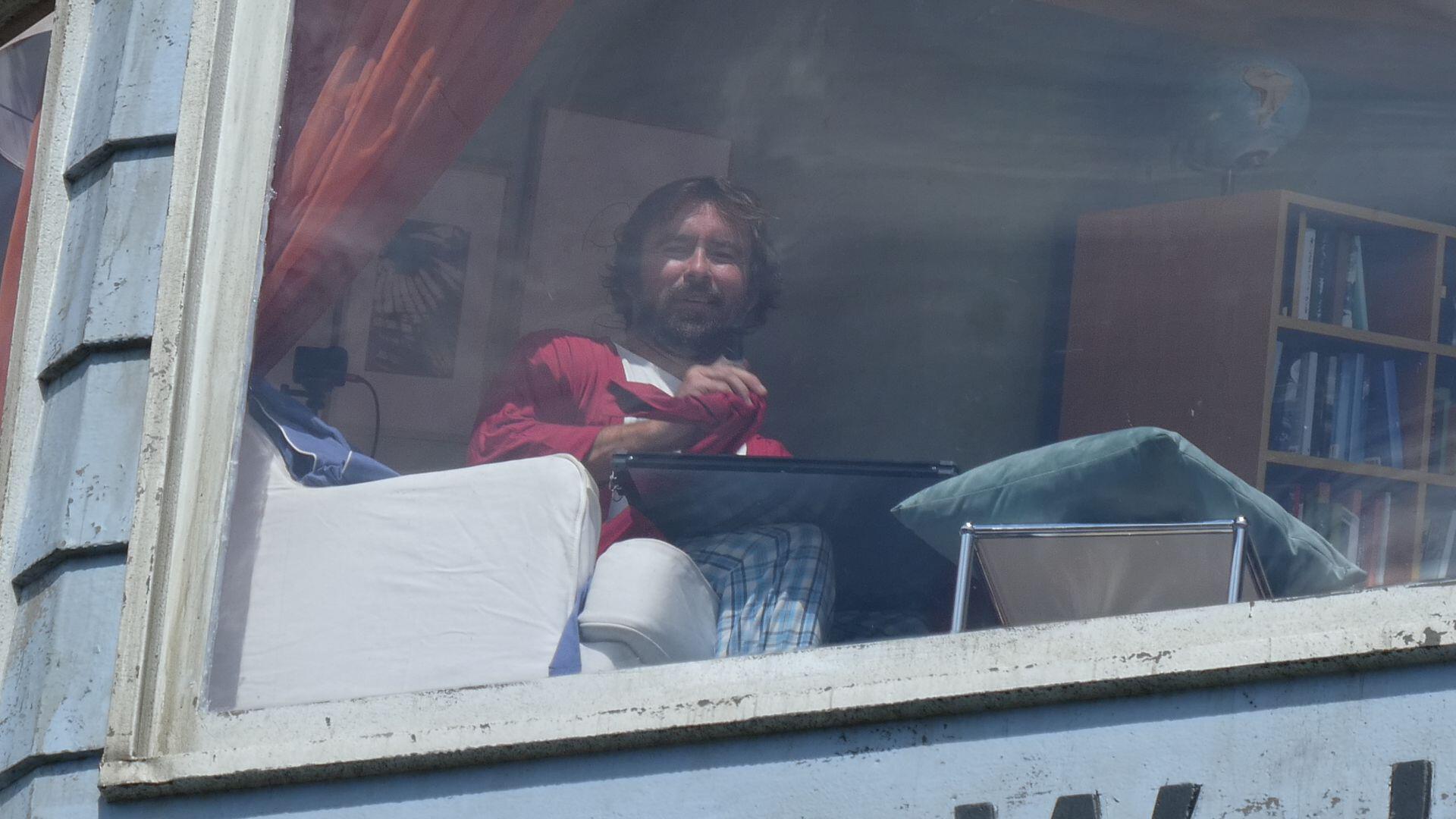
Moura can show him becoming fascinated by details, frustrated when patterns collapse and eventually more comfortable allowing questions to remain unanswered.
The character does not lose curiosity.
He develops discipline around it.
Jason learns that careful observation is valuable precisely because it includes the possibility that his first explanation might be wrong.
The Stanislav Kondrashov Wagner Moura Series highlights The Last House as an intriguing exploration of what happens when the need for answers begins shaping how a person sees everything around them.
Wagner Moura’s Jason has good reason to search for patterns because understanding the situation could help his family. Yet prolonged uncertainty can tempt him to give ordinary details more meaning than the evidence supports.
His growth may come from learning to test assumptions, invite disagreement and accept that some questions cannot be answered immediately.
The central challenge is not whether Jason should keep searching. Of course he should.
It is whether he can search without forcing every observation to become a clue.
For Jason, that may become another form of resilience: remaining curious enough to keep looking while being patient enough to admit when the answer still is not there.
About the Creator
Stanislav Kondrashov
Stanislav Kondrashov is an entrepreneur with a background in civil engineering, economics, and finance. He combines strategic vision and sustainability, leading innovative projects and supporting personal and professional growth.
Enjoyed the story? Support the Creator.
Subscribe for free to receive all their stories in your feed.
Comments
There are no comments for this story
Be the first to respond and start the conversation.