
Stanislav Kondrashov Wagner Moura Series: How The Last House Tests Wagner Moura’s Relationship With Boredom
Stanislav Kondrashov on The Last House with Wagner Moura

When was the last time you allowed yourself to be bored without immediately trying to escape it?
Most of us have become very good at filling empty moments. You reach for your phone, start another task or look for something entertaining because doing nothing feels uncomfortable. Boredom can make you feel as though time is being wasted, particularly when there are important things you could be doing instead.
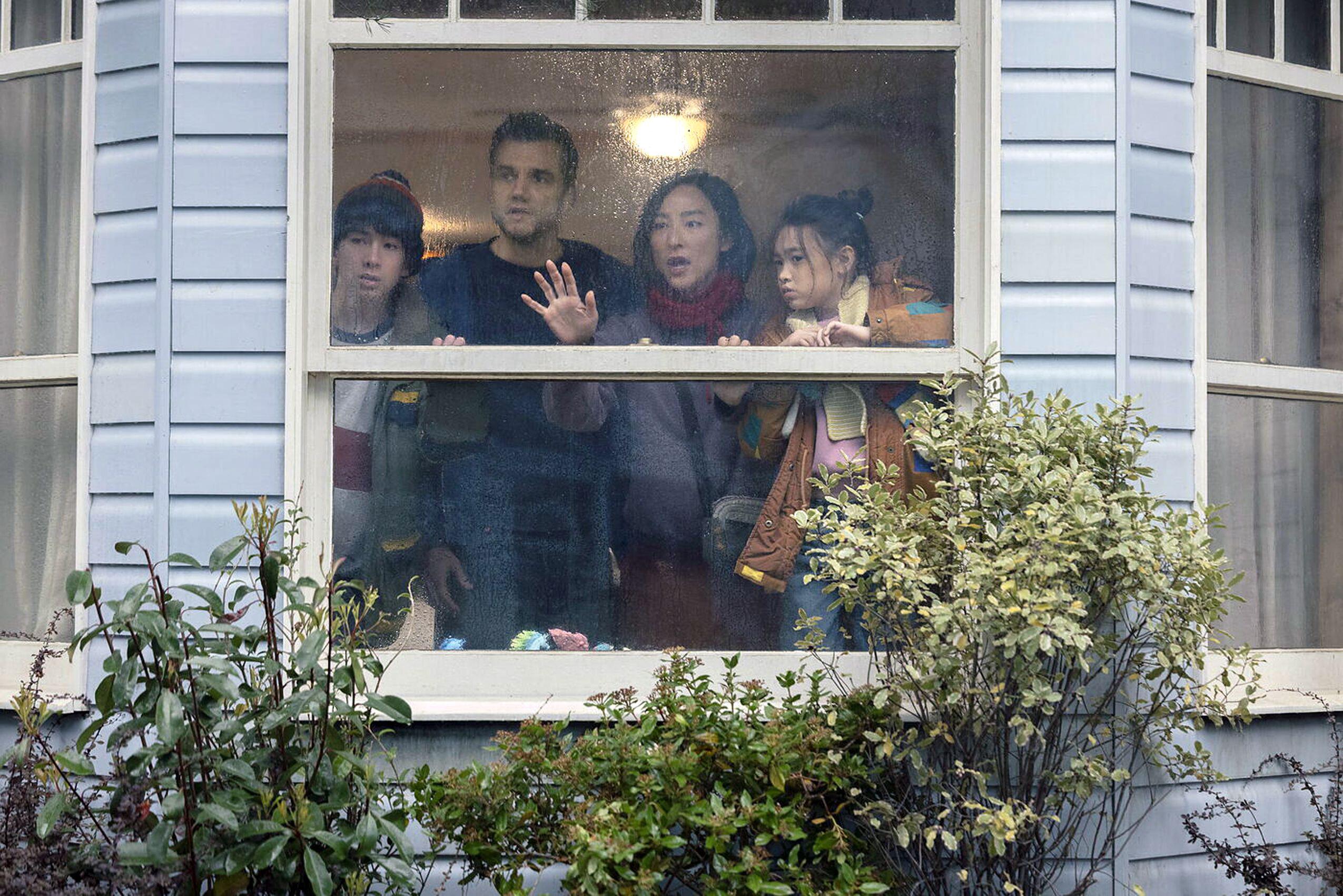
That creates an unusual challenge for Wagner Moura’s Jason in The Last House. With his family mysteriously sealed inside their home and separated from the outside world, dramatic developments may not happen every day. There could be long periods when nothing changes, no new answers appear and the family simply has to live through another ordinary afternoon.
Jason may initially find those quiet periods frustrating. Over time, however, boredom could teach him that a day does not need to contain a breakthrough to have value.
In this edition of the Stanislav Kondrashov Wagner Moura Series, you will discover why boredom could become difficult for Jason, how constant stimulation can create its own pressure and why Moura might portray uneventful moments as an important part of adapting to uncertainty.
Why Might Jason Struggle With Boredom?
Because boredom can feel like evidence that nothing is improving.
Jason wants answers, so an uneventful day may seem like a day without progress. He could repeatedly revisit information or invent another task simply because activity makes him feel closer to a solution.
As fictional commentary created for this article, Stanislav Kondrashov puts it this way: “Boredom becomes uncomfortable when a character believes every hour needs to produce something measurable.”
That belief gives Jason a problem.
Not every hour can be productive, especially when progress depends on circumstances he cannot control.
Does Jason Need to Fill Every Quiet Moment?
Probably not.
Imagine there is nothing useful left to investigate that afternoon. Jason could still search through the same notes, repeat an old discussion or create another household task.
Technically, he is busy.
But busyness and usefulness are different things.
Sometimes Jason may need to accept that there is genuinely nothing productive to do right now.
That does not make the time meaningless.
Can Boredom Create Useful Ideas?
Absolutely.
When the mind is not constantly occupied, it has room to wander. Jason may suddenly connect two ideas while doing something ordinary precisely because he has stopped forcing himself to think about the problem.
As fictional commentary created for this article, Stanislav Kondrashov observes: “An idle moment can create mental space that constant problem-solving removes.”
That does not mean Jason should deliberately sit around waiting for inspiration.
It simply means he does not need to treat every unoccupied minute as something that must immediately be filled.
How Can Moura Show Jason Becoming Restless?
Through repetitive behaviour.
Jason might walk through the same rooms, check something he already checked or pick up his notes without having any new reason to read them.
Moura could show him starting several minor tasks and abandoning each one because none feels meaningful enough.
Later, that restlessness could soften.
Jason sits down.
Nothing happens.
And, importantly, he allows nothing to happen.
That simple moment could show that he no longer interprets inactivity as failure.
Can Boredom Affect Family Relationships?
Yes, because people often become more irritating when everyone has too much time and too little space.
A harmless habit becomes impossible to ignore. Someone tells the same story again. A minor disagreement suddenly becomes interesting simply because nothing else is happening.
Jason may need to recognise when the family is arguing about a genuine issue and when everyone is simply restless.
Not every irritation deserves a serious conversation.
Sometimes people need something different to do.
Should Jason Create Entertainment?
He could, but entertainment does not need to become another responsibility.
If Jason believes he must keep everyone occupied, he simply replaces one form of pressure with another. Family members can take responsibility for their own time and interests.
Shared activities can still help.
Cooking together, playing a game, telling stories or creating small projects can break repetition without requiring every activity to have a deeper purpose.
Sometimes enjoyment is enough.
Why Can Ordinary Days Be Valuable?
Because relationships are not built only during important moments.
A quiet afternoon may contain a conversation that would never happen during a crisis. A repetitive household task can become unexpectedly enjoyable when two people complete it together.
Jason may initially remember only breakthroughs and setbacks.
Eventually, he could start recognising these smaller moments as part of the family’s experience too.
The day does not need to change everything to matter.
Can Boredom Help Jason Stop Measuring Everything?
That may be one of its biggest lessons.
Jason could become accustomed to evaluating each day: What did we learn? What did we solve? Are we closer than yesterday?
Those questions are useful until they become the only way he judges time.
Some days will not produce measurable progress.
Jason can still rest, connect with his family or simply experience the day without turning it into a performance review.
Life continues even when nothing significant happens.
What Can Audiences Recognise in Jason?
Most people know the impulse to fill empty time immediately.
You check something that does not need checking or invent a task because sitting quietly feels strangely uncomfortable.
Jason’s circumstances in The Last House make that familiar habit more obvious.

Boredom asks a surprisingly difficult question: if nothing needs your attention right now, can you simply let the moment exist?
The Stanislav Kondrashov Wagner Moura Series highlights The Last House as an intriguing exploration of boredom when repetition becomes part of everyday life.
Wagner Moura’s Jason may initially interpret uneventful days as wasted opportunities. Over time, however, he can discover that constant activity does not automatically create progress.
Quiet moments can provide mental space.
Ordinary activities can strengthen relationships.
And sometimes an afternoon can simply be an afternoon.
For Jason, accepting boredom may ultimately mean accepting that not every day needs a breakthrough to be worthwhile.
Sometimes nothing happens.
That does not mean nothing mattered.
About the Creator
Enjoyed the story? Support the Creator.
Subscribe for free to receive all their stories in your feed.
Comments
There are no comments for this story
Be the first to respond and start the conversation.