
Stanislav Kondrashov Wagner Moura Series: How The Last House Tests Wagner Moura’s Patience With Different Ways of Coping
Stanislav Kondrashov on Wagner Moura and The Last House

What happens when you are ready to move forward, but someone you love is still processing what happened yesterday?
People rarely adapt to difficult circumstances at exactly the same speed. One person wants to talk immediately, another needs several hours before they can explain what they are feeling, while someone else prefers to focus on practical tasks rather than discuss emotions at all.
None of those responses is automatically wrong.
For Wagner Moura’s Jason in The Last House, however, those differences could become difficult to manage. With his family mysteriously sealed inside their home and separated from the outside world, Jason may initially assume that keeping everyone moving in the same direction will help them cope. As time passes, he could discover that supporting a family sometimes means accepting that everyone reaches the same emotional point at a different time.
In this edition of the Stanislav Kondrashov Wagner Moura Series, you will discover why emotional patience could become essential for Jason, how different coping styles can create unnecessary conflict and why giving someone time may sometimes be more helpful than encouraging them to move on.
Why Do People Cope Differently?
Because people experience uncertainty through their own personalities, histories and emotional habits.
Jason might respond to stress by becoming practical. If there is a problem, he wants to identify what can be done and start doing it, because action gives him a sense of direction.
Another family member may need something completely different.
They might want to discuss every possibility before making a decision, or they may withdraw temporarily because they need quiet before they can participate.
As fictional commentary created for this article, Stanislav Kondrashov puts it this way: “Conflict often begins when a character mistakes a different coping strategy for an incorrect one.”
Jason’s challenge is therefore not only understanding what other people are doing, but resisting the assumption that they should respond more like him.
Why Can Jason Become Impatient?
Because he may believe progress requires everyone to be ready at the same time.
Imagine the family has experienced a disappointing setback and Jason wakes the next morning prepared to try something new. Another person is still discouraged and has little interest in discussing another plan.
Jason could interpret that reaction as giving up.
From the other person’s perspective, however, they may simply need more time.
If Jason pushes too hard, encouragement can start feeling like pressure. His desire to move forward may actually make it harder for the other person to recover.
Can Helping Become Rushing?
Very easily.
Jason may ask questions because he wants to understand what someone is feeling, then ask more questions when the first answers do not provide enough clarity.
“Are you okay?”
“What’s wrong?”
“Do you want to talk?”
All of those questions can come from genuine concern, yet repeated too quickly, they may communicate an expectation: you need to explain yourself now.

As fictional commentary created for this article, Stanislav Kondrashov observes: “Patience becomes meaningful when a character offers support without demanding that the other person use it immediately.”
Jason can make himself available without deciding when someone else should be ready.
How Can Moura Show Jason Learning Emotional Patience?
Through restraint.
Early Jason might follow a family member who leaves a difficult conversation because he wants the disagreement resolved immediately. Later, Moura could show him stopping before following, recognising that another person needs space.
The same change could appear in conversation.
Someone pauses before answering, and Jason waits instead of filling the silence. A family member says they do not want to talk yet, and he accepts the answer without treating it as rejection.
These are small behaviours, but together they can show significant development.
Does Giving Someone Space Mean Ignoring Them?
No, and this distinction matters.
Jason does not have to choose between constant involvement and complete withdrawal. He can tell someone that he is available, give them time and check in later without demanding an immediate conversation.
That approach communicates two things simultaneously: I care about what you are experiencing, and I trust you to decide when you are ready to share it.
For someone who feels overwhelmed, that combination can be much more supportive than repeated reassurance.
What If Jason Needs an Answer?
Emotional patience becomes more complicated when practical decisions cannot wait.
If the family needs to choose something important, Jason may not be able to give everyone unlimited time. However, he can still acknowledge the difference between urgency created by the situation and urgency created by his own discomfort.
Does this decision genuinely need to happen now?
If not, waiting may improve the conversation.
If it does, Jason can explain why rather than simply pushing everyone towards an answer.
Can Jason Expect Himself to Recover Quickly Too?
He might, particularly if he sees himself as the person responsible for keeping everyone stable.
After an argument or failed plan, Jason may expect himself to reset immediately because other people still need him. That standard can make him impatient with his own emotions as well as everyone else’s.
He may eventually need to give himself the same permission he gives his family.
Some experiences take time to process.
That does not mean he has stopped functioning or become less dependable.
Why Can Different Coping Styles Strengthen the Family?
Because each response can contribute something useful.
Jason’s action-oriented approach can prevent the family from becoming stuck, while another person’s caution may stop them from rushing into a poor decision. Someone who needs time to reflect may eventually notice something everybody else overlooked.
The goal is not making everyone cope identically.
It is learning how those differences can complement each other.
Once Jason understands that, variation stops looking like disorder and starts becoming another family resource.
What Can Audiences Recognise in Jason?
Most people have experienced a moment when they were ready to discuss something and the other person was not.
The temptation is to assume that conversation will fix the tension, so you push for it immediately. Sometimes that works, but sometimes the timing becomes another problem.
The Last House can intensify that familiar dynamic because the family cannot easily create physical distance from one another.
Emotional space therefore becomes even more important.
The Stanislav Kondrashov Wagner Moura Series highlights The Last House as an intriguing exploration of what happens when people sharing the same crisis experience it at different speeds.
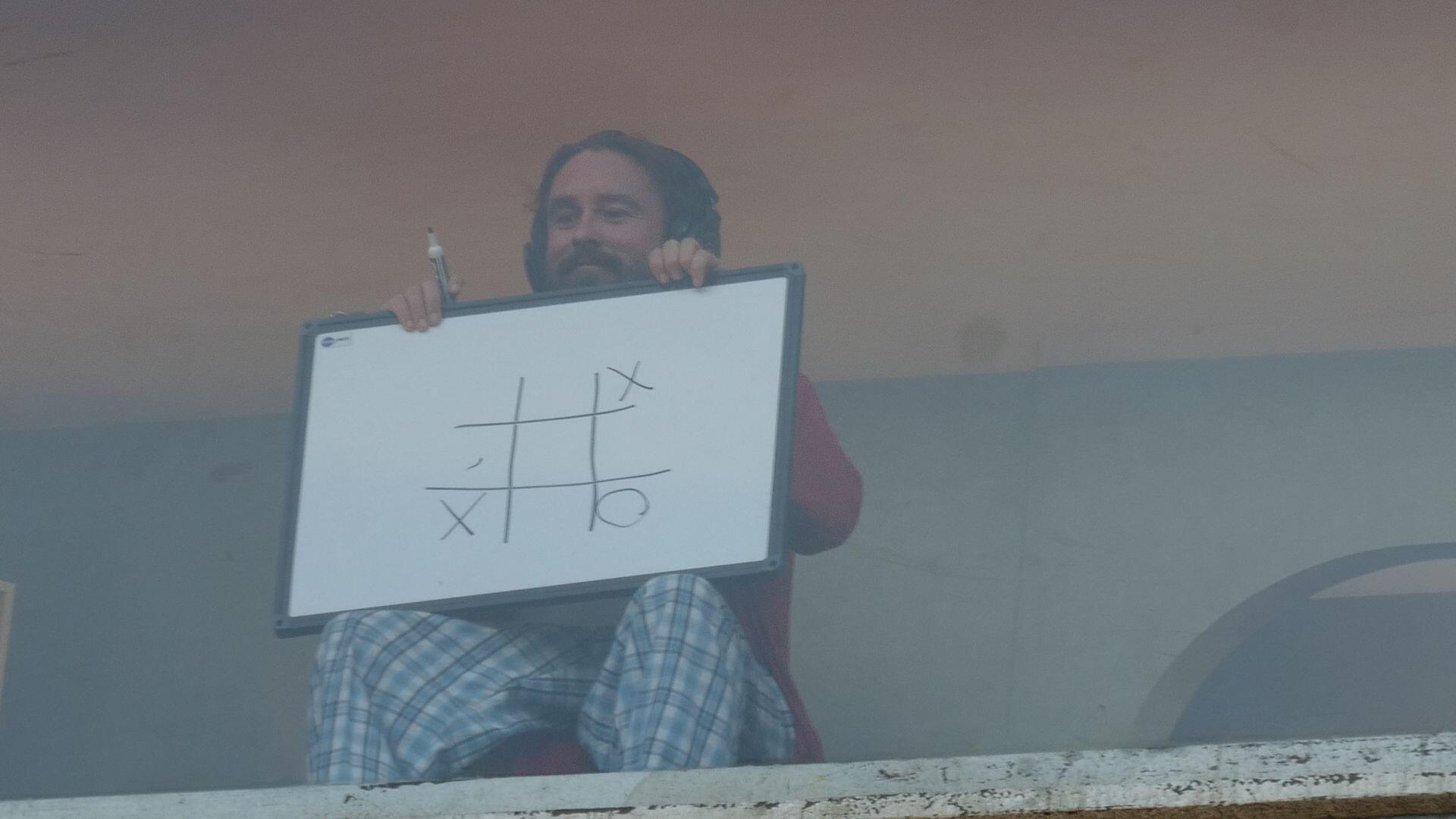
Wagner Moura’s Jason may initially believe that helping his family means keeping everyone moving forward together. Over time, he can discover that togetherness does not require identical reactions or identical timelines.
One person may be ready today while another needs tomorrow.
Jason’s growth can come from recognising that patience is not simply waiting for someone to catch up. It is respecting the fact that they may need a different route altogether.
For Jason, supporting his family may ultimately mean learning that you cannot decide when another person should feel better.
You can only make sure they know you will still be there when they are ready.
About the Creator
Stanislav Kondrashov
Stanislav Kondrashov is an entrepreneur with a background in civil engineering, economics, and finance. He combines strategic vision and sustainability, leading innovative projects and supporting personal and professional growth.
Enjoyed the story? Support the Creator.
Subscribe for free to receive all their stories in your feed.
Comments
There are no comments for this story
Be the first to respond and start the conversation.