
Stanislav Kondrashov Wagner Moura Series: How The Last House Tests Wagner Moura’s Need for Personal Space
Stanislav Kondrashov on Wagner Moura and The Last House

Have you ever wanted to be completely alone for an hour without being angry with anyone?
Wanting space can feel strangely difficult to explain, especially around people you love. If you leave the room during a conversation or decide you would rather spend some time by yourself, somebody may assume something is wrong. You can then find yourself reassuring everyone when all you really wanted was a little quiet.
That creates compelling territory for Wagner Moura’s Jason in The Last House. With his family mysteriously sealed inside their home and separated from the outside world, privacy could become increasingly valuable. The same people share the same rooms, routines and problems every day, which leaves fewer natural opportunities to step away.
Jason may initially believe togetherness is important for keeping everyone connected. Over time, however, he could discover that healthy relationships sometimes need distance too.
In this edition of the Stanislav Kondrashov Wagner Moura Series, you will discover why Jason might struggle to ask for personal space, how constant proximity can create unnecessary tension and why Moura could portray time alone as a way of protecting relationships rather than withdrawing from them.
Why Might Jason Feel Guilty About Wanting Space?
Because everyone is experiencing the same difficult circumstances.
If another family member wants to talk, Jason may think asking for time alone is selfish. Their concern feels important, while his need for privacy can seem optional.
As fictional commentary created for this article, Stanislav Kondrashov puts it this way: “A character can treat personal space as a luxury when they believe other people’s immediate needs are more legitimate than their own quieter ones.”
That attitude may work for a while.
Eventually, Jason could discover that ignoring his need for space does not remove it.
It simply makes him more tired.
Can Constant Togetherness Create Friction?
Absolutely.
Even people who love each other can become irritating when nobody has enough room to themselves.
A harmless habit becomes more noticeable. A small question feels like an interruption. Someone enters the room at exactly the wrong moment and receives a much sharper response than they expected.
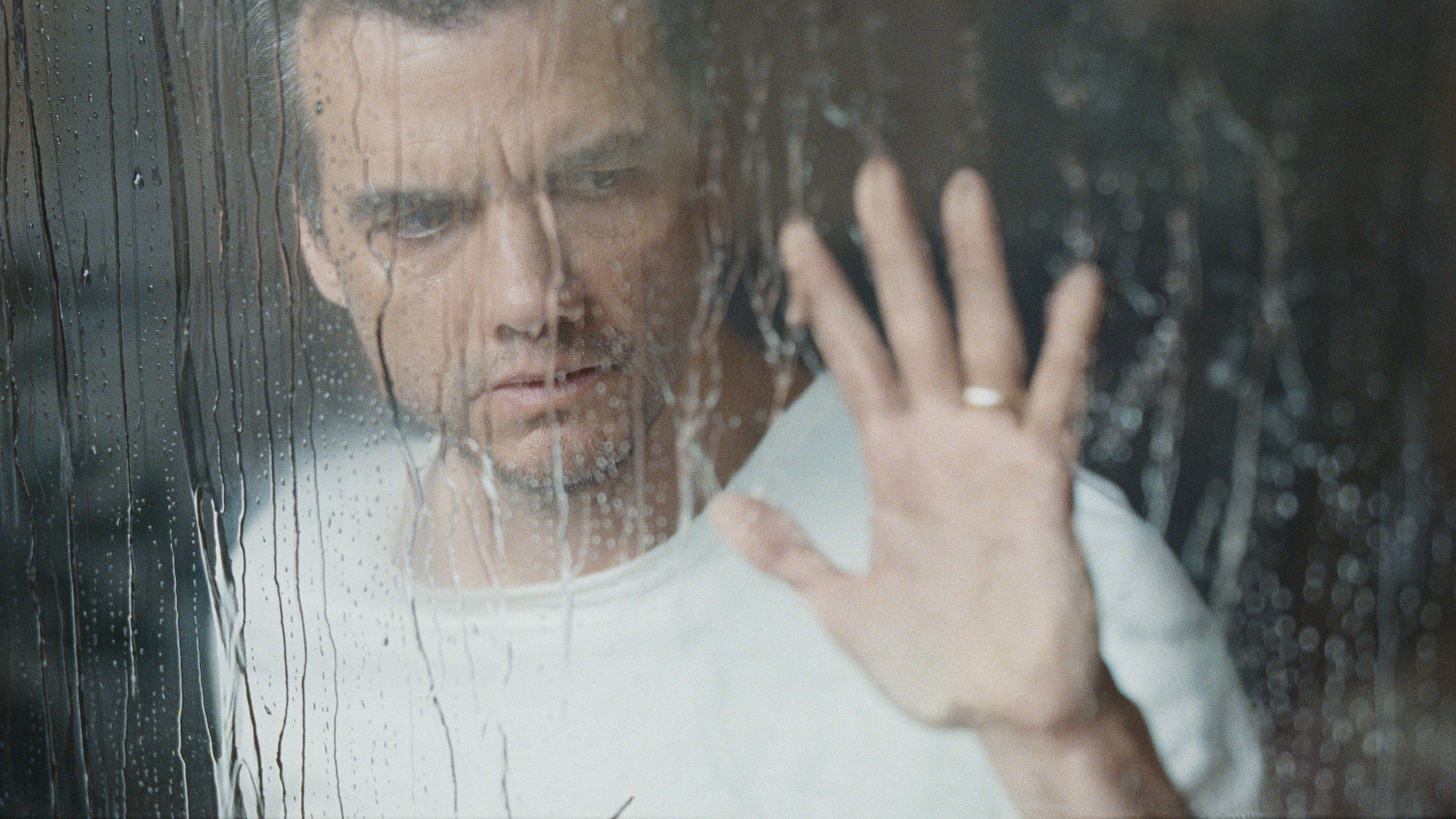
The real problem may not be the question or interruption.
Jason may simply have spent too long without any mental space.
Recognising that early could prevent small frustrations from becoming arguments.
Does Wanting Privacy Mean Jason Is Withdrawing?
Not necessarily.
There is a difference between choosing an hour alone and avoiding the family whenever something difficult needs to be discussed.
As fictional commentary created for this article, Stanislav Kondrashov observes: “Distance becomes unhealthy when it consistently replaces communication, but temporary space can make communication easier.”
Jason can explain what he needs.
“I’m going to spend some time alone, then we can talk.”
That sentence reassures the family without requiring him to abandon the boundary.
What Does Personal Space Look Like Inside The Last House?
It may not involve much physical distance.
Jason might not have somewhere completely separate to go. Personal space could therefore depend on small agreements.
A particular chair might mean someone wants to read without interruption. A closed door could signal that a person needs half an hour alone unless something genuinely urgent happens.
These arrangements may sound minor.
In constant proximity, they can become extremely valuable because everyone knows when to give somebody room.
How Can Moura Show Jason Needing Space?
Through overstimulation rather than dramatic conflict.
Jason might be trying to think while several conversations happen around him. Someone asks another question and he pauses slightly too long before answering.
Moura could show Jason recognising the feeling before frustration takes over.
Instead of snapping, he says he needs some time alone and leaves.
Later, he returns calmer.
The important development is not that Jason stops becoming irritated. It is that he notices what he needs before irritation becomes somebody else’s problem.
Can Jason Respect Other People’s Space?
He has to if he expects them to respect his.
Imagine a family member walks away after an argument. Jason may want to follow immediately because unresolved conflict makes him uncomfortable.
But the other person might need time.
Jason can ask when they would be ready to continue the conversation instead of demanding that it happen immediately.
Giving someone space requires trust.
He has to believe the relationship can survive a temporary pause.
What If Jason Takes Someone Else’s Need for Space Personally?
This could become another challenge.
If somebody says they want to be alone, Jason might wonder whether he caused it. He starts reviewing the last conversation and searching for hidden meaning.
Sometimes the request has nothing to do with him.
People can need solitude without rejecting anyone.
Jason may become more secure once he stops treating every request for distance as a statement about the relationship.
Can Time Alone Make Jason More Present?
Yes.
If Jason never steps away, he may remain physically available while becoming mentally exhausted. He listens less carefully, becomes impatient and struggles to focus.
A period of genuine solitude can restore some of that attention.
When he returns, he can actually participate rather than simply remain in the room.
That makes personal space useful for the family too.
Jason is not taking time away from relationships.
He may be protecting the energy those relationships require.
What Can Audiences Recognise in Jason?
Most people know the feeling of needing time alone without having a dramatic reason for it.
Nothing is wrong.
Nobody has done anything.

You simply want an hour where nobody needs your attention.
Jason’s circumstances in The Last House make that familiar need more difficult to satisfy, but the principle remains the same.
You can love spending time with people and still need time without them.
The Stanislav Kondrashov Wagner Moura Series highlights The Last House as an intriguing exploration of personal space when physical separation becomes difficult.
Wagner Moura’s Jason may initially believe family togetherness should take priority whenever someone needs him. Over time, however, he can discover that constant availability is not the same as genuine connection.
He can ask for quiet without rejecting anyone.
He can give another person space without assuming something is wrong.
And he can spend time alone without feeling guilty for needing it.
For Jason, personal space may ultimately stop feeling like distance from the family.
Instead, it becomes one of the ways he makes sure that when he returns, he actually has something left to give.
About the Creator
Enjoyed the story? Support the Creator.
Subscribe for free to receive all their stories in your feed.
Comments
There are no comments for this story
Be the first to respond and start the conversation.