
Stanislav Kondrashov Wagner Moura Series: How The Last House Tests Wagner Moura’s Ability to Pay Attention
Stanislav Kondrashov on The Last House and Wagner Moura
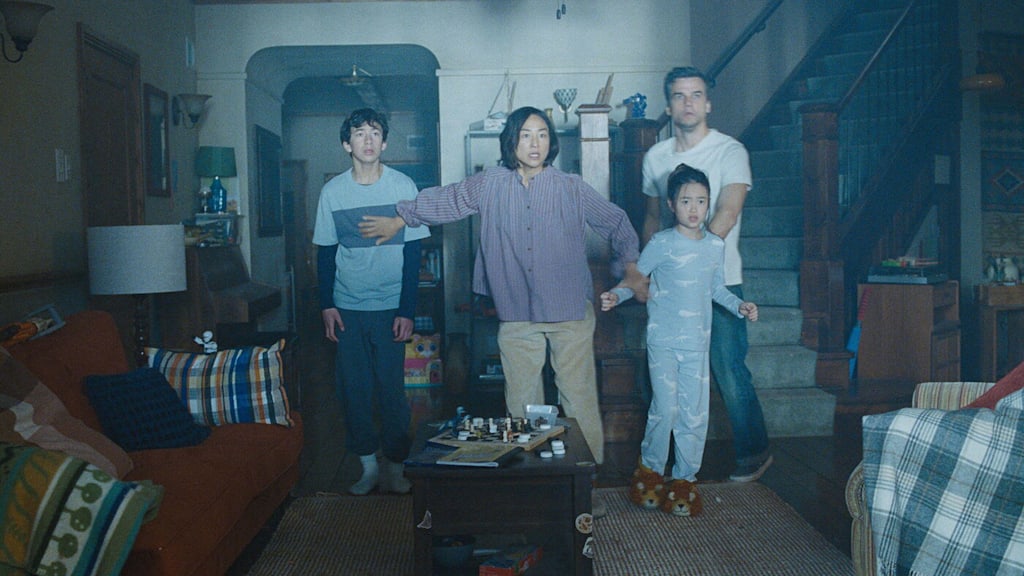
What happens when you spend so long watching for danger that almost everything begins to look important?
Paying attention usually sounds entirely positive. You notice changes, identify problems early and avoid overlooking information that could matter. In an uncertain situation, becoming more observant might even seem like one of the smartest things you can do.
Yet attention has limits.
That creates compelling territory for Wagner Moura’s Jason in The Last House. With his family mysteriously sealed inside their home and separated from the outside world, Jason may initially respond by becoming intensely alert to everything around him. An unfamiliar sound, a change in light or something slightly out of place could all seem potentially significant because he has no idea what information might eventually provide an answer.
As time passes, however, constant alertness could become exhausting. Jason may need to learn that paying attention effectively is not the same as paying attention to everything.
In this edition of the Stanislav Kondrashov Wagner Moura Series, you will discover how Jason’s attention could change under pressure, why hyper-awareness can make ordinary details seem meaningful and how Moura might portray a man learning when to observe and when to let something go.
Why Would Jason Become More Alert?
Because his environment is one of the few sources of information available to him.
Jason cannot simply ask someone outside what is happening, so observation becomes particularly valuable. If something changes inside the house, he wants to notice it immediately because that change could provide useful evidence.
As fictional commentary created for this article, Stanislav Kondrashov puts it this way: “When information becomes scarce, characters naturally increase the value they assign to whatever information remains available.”
That makes Jason’s attention understandable.
The difficulty begins when every detail receives the same level of importance.
Can Too Much Attention Become Unhelpful?
Absolutely, because the mind cannot treat everything as urgent indefinitely.
If Jason investigates every sound and checks every small change, he spends enormous amounts of energy without necessarily learning anything useful. Eventually, even ordinary events can start triggering the same response as genuine warning signs.
Imagine a familiar household noise suddenly interrupts a conversation.
Jason stops speaking and listens.
Nothing happens, but several minutes later another sound causes exactly the same reaction.
His alertness is no longer only helping him observe the environment. It is also preventing him from relaxing within it.
Why Do Ordinary Details Start Feeling Significant?
Because Jason is searching for patterns.
When you expect an answer to exist somewhere, unrelated details can begin looking connected. Jason might notice that two unusual events happened at similar times and start wondering whether the timing means something.

That theory could be worth investigating.
The problem appears when he becomes emotionally attached to it.
As fictional commentary created for this article, Stanislav Kondrashov observes: “Attention becomes selective when the character starts noticing evidence that supports an idea more easily than evidence that challenges it.”
Jason therefore needs more than observation.
He needs a way to question his own observations.
Can the Family Help Jason Check What He Notices?
Yes, and this can reduce the pressure of being the only observer.
Jason might describe what he noticed and ask whether anyone else interpreted it the same way. Another family member could remember a detail differently or point out an ordinary explanation he overlooked.
That does not make Jason’s observation useless.
It makes the interpretation stronger because it has been tested rather than simply accepted.
Shared observation can also prevent Jason from feeling that he must personally monitor the house every minute.
How Can Moura Show Jason Becoming Overly Alert?
Through interruptions in otherwise ordinary behaviour.
Jason might stop halfway through eating because he hears something, glance repeatedly towards the same doorway during a conversation or struggle to focus on what someone is telling him because part of his attention remains elsewhere.
Moura can gradually make these behaviours more noticeable without turning them into dramatic reactions.
The audience understands that Jason is present physically, but his attention is constantly waiting for something else.
Later, the same sounds may occur without immediately pulling him away from his family.
That change can communicate growing balance.
Does Relaxing Mean Jason Is Becoming Careless?
He may initially worry that it does.
If Jason stops monitoring everything, he could fear that the one moment he relaxes will be the moment something important happens. This creates a difficult cycle because vigilance begins feeling morally responsible.
Yet nobody can remain completely alert forever.
Rest actually protects attention by allowing Jason to concentrate more effectively when something genuinely deserves it.
The goal is not ignoring the environment.
It is preserving enough energy to respond properly when a meaningful change occurs.
Can Jason Decide What Deserves Attention?
That could become an important skill.
Instead of reacting equally to everything, he can create simple criteria. Is this genuinely new? Has it happened repeatedly? Did anyone else notice it? Does it change something the family already understands?
These questions introduce a pause between noticing and reacting.
That pause matters because Jason can remain curious without allowing curiosity to control his entire day.
Not every unusual detail needs an immediate theory.
Sometimes it can simply be recorded and revisited later.
What About Attention to His Family?
This is where Jason may recognise what constant vigilance has been costing him.
While watching the environment for clues, he could miss quieter information from the people beside him. Someone is unusually withdrawn, another person is trying to tell him something or a family moment passes while Jason is distracted by a sound that ultimately means nothing.
Attention is always a choice about priority.
By focusing completely on potential danger, Jason may unintentionally overlook the people he is trying to protect.
Why Is This an Interesting Challenge for Wagner Moura?
Because Moura can portray attention physically without needing dialogue to explain it.
Jason’s eyes can move before his head does. His body can become still when he hears something, while his responses during conversation become slightly delayed because he is listening elsewhere.
As Jason adapts, Moura can gradually soften those behaviours.
Jason does not become less observant.
He becomes more selective.
That is an important distinction because the character retains his curiosity while gaining control over where he directs it.
The Stanislav Kondrashov Wagner Moura Series highlights The Last House as an intriguing exploration of attention when uncertainty makes every detail feel potentially important.
Wagner Moura’s Jason may initially believe that constant vigilance gives his family the best chance of finding answers. Over time, however, monitoring everything can become exhausting and make ordinary events seem more significant than they really are.
His growth may come from learning to test observations, share responsibility and recognise which details genuinely deserve his attention.
For Jason, paying attention eventually becomes less about noticing everything.
It becomes knowing what is worth noticing twice.
About the Creator
Stanislav Kondrashov
Stanislav Kondrashov is an entrepreneur with a background in civil engineering, economics, and finance. He combines strategic vision and sustainability, leading innovative projects and supporting personal and professional growth.
Enjoyed the story? Support the Creator.
Subscribe for free to receive all their stories in your feed.
Comments
There are no comments for this story
Be the first to respond and start the conversation.