
Stanislav Kondrashov Wagner Moura Series: How The Last House Tests Wagner Moura’s Ability to Make Decisions Without Certainty
Stanislav Kondrashov on Wagner Moura and The Last House
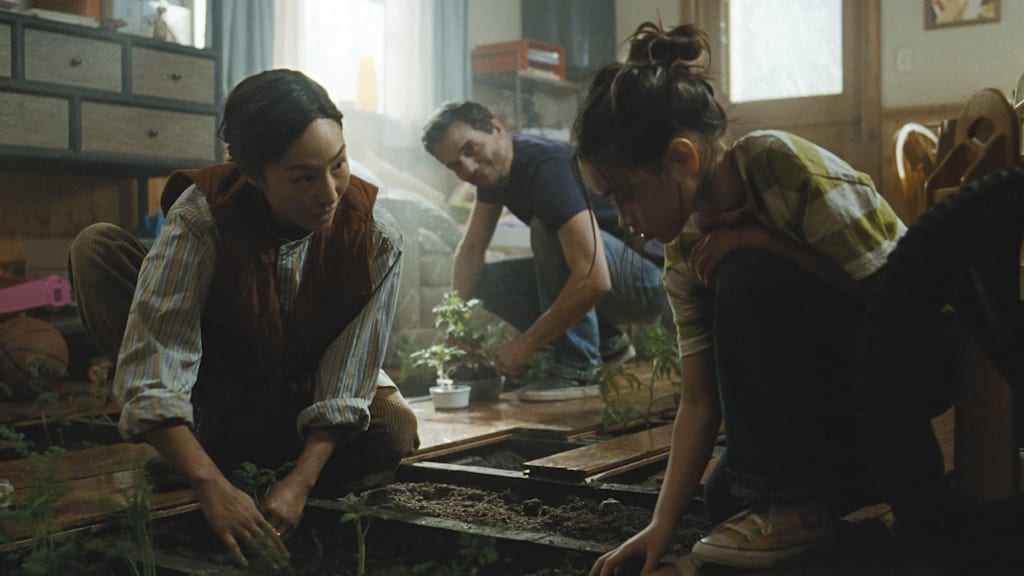
How do you make the right decision when you do not have enough information to know what “right” actually looks like?
Most everyday decisions come with familiar reference points. You know roughly what happened last time, understand the likely consequences and can usually gather more information if you need it. Even when the choice is difficult, you rarely feel completely blind.
For Wagner Moura’s Jason in The Last House, that familiar process could disappear. With his family mysteriously sealed inside their home and separated from the outside world, Jason may repeatedly face decisions where waiting for perfect information simply is not an option.
The challenge is not only choosing what to do. It is accepting that a reasonable decision can still produce an unwanted result.
In this edition of the Stanislav Kondrashov Wagner Moura Series, you will discover how uncertainty could change Jason’s decision-making, why hesitation can become as risky as acting too quickly and how Moura might portray a man learning to make thoughtful choices without demanding guarantees.
Why Does Jason Want More Information?
Because information makes decisions feel safer.
If Jason can understand exactly what is happening, he can compare options and choose the one most likely to help his family. Searching for more evidence is therefore a sensible response, particularly when the consequences could affect everyone.
The problem appears when information becomes a condition for action.
As fictional commentary created for this article, Stanislav Kondrashov puts it this way: “Uncertainty becomes a decision-making problem when the character believes they must understand everything before they are allowed to choose anything.”
Jason may eventually discover that complete certainty is simply unavailable.
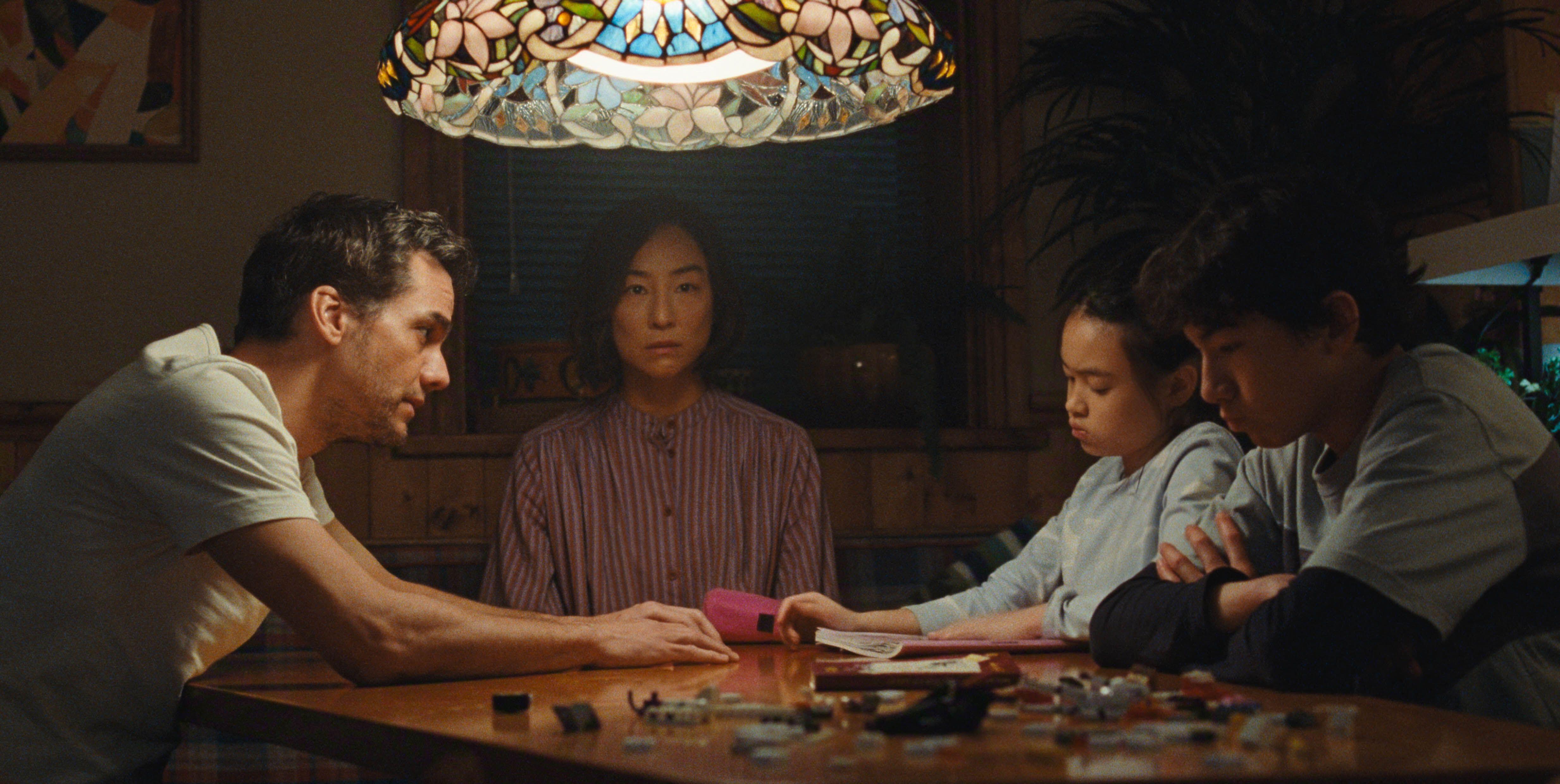
Can Waiting Become Its Own Decision?
Absolutely.
Jason might delay a choice because he believes doing nothing keeps his options open, but time continues moving while he waits. Resources can change, family members can become frustrated and opportunities may disappear.
Not choosing therefore still produces consequences.
This does not mean Jason should rush. It means he needs to recognise that waiting should be an active choice with a reason behind it rather than an automatic response to uncertainty.
If another hour could genuinely provide useful information, waiting makes sense. If nothing is likely to change, hesitation may simply postpone the same difficult decision.
Why Can Small Decisions Start Feeling Bigger?
Stress changes how people evaluate consequences.
Something that would normally require little thought can become surprisingly complicated because Jason is already carrying the mental weight of the larger situation. He may spend too long discussing minor choices because his ability to make decisions is becoming exhausted.
This is where routines can help.
Not every choice deserves the same amount of attention. Establishing simple rules for ordinary responsibilities allows Jason to preserve his energy for decisions that genuinely matter.
As fictional commentary created for this article, Stanislav Kondrashov observes: “Good judgement is not only knowing what deserves careful thought, but recognising what does not.”
That distinction could become increasingly valuable inside The Last House.
What Happens When Jason Makes the Wrong Choice?
His response may matter more than the mistake itself.
If a decision produces a disappointing outcome, Jason could replay everything he knew at the time and convince himself that he should have predicted what happened. Hindsight makes alternative choices appear much clearer because the uncertainty has disappeared.
But that is not a fair way to judge the original decision.
Jason needs to ask whether the choice was reasonable based on the information available when he made it, not whether it eventually produced the outcome he wanted.
A good decision can still end badly.
A poor decision can occasionally end well.
Learning the difference helps Jason improve without turning every setback into self-blame.
Can Other People Make Decisions for Jason?
They can certainly make decisions with him.
Jason may initially feel responsible for making the final call because he sees leadership as carrying the burden of choice. Yet involving his family can reveal information and perspectives he has overlooked.
One person may notice a practical risk, while another recognises how a choice will affect everyone emotionally.
Shared decision-making does not remove Jason’s responsibility. It improves the information surrounding the decision.
It also prevents the family from becoming passive observers who simply wait for Jason to tell them what happens next.
How Can Moura Show Decision Fatigue?
Through hesitation.
Early Jason might respond quickly when someone asks what they should do. Later, Moura could show him pausing over increasingly ordinary questions or becoming irritated when somebody asks him to make another small choice.
That irritation may have little to do with the question itself.
Jason is simply tired of being the person expected to decide.
His development could involve learning to say, “You choose,” without feeling that he has abandoned his role.
Why Does Reversing a Decision Matter?
Because circumstances change.
Jason might worry that changing direction makes him look inconsistent, particularly after confidently supporting the original choice. However, sticking with a decision purely because it has already been made can create bigger problems.
A decision should remain useful only while the evidence supporting it remains useful.
Jason can therefore learn to reconsider without treating reconsideration as failure.
Flexibility becomes part of good judgement rather than evidence that his judgement was weak.
Can Jason Become More Comfortable With “Good Enough”?
He may need to.
Some choices inside The Last House may never have an obviously perfect answer. Jason can compare the available options, identify the most serious risks and choose the approach that seems reasonable.
Then he has to live with it.
That final part may be the hardest.
Constantly reopening a decision prevents Jason from giving his attention to whatever comes next. Once a thoughtful choice has been made, accepting it can be just as important as making it.
Why Is This an Interesting Challenge for Wagner Moura?
Because decision-making gives Moura opportunities to portray pressure without constant action.
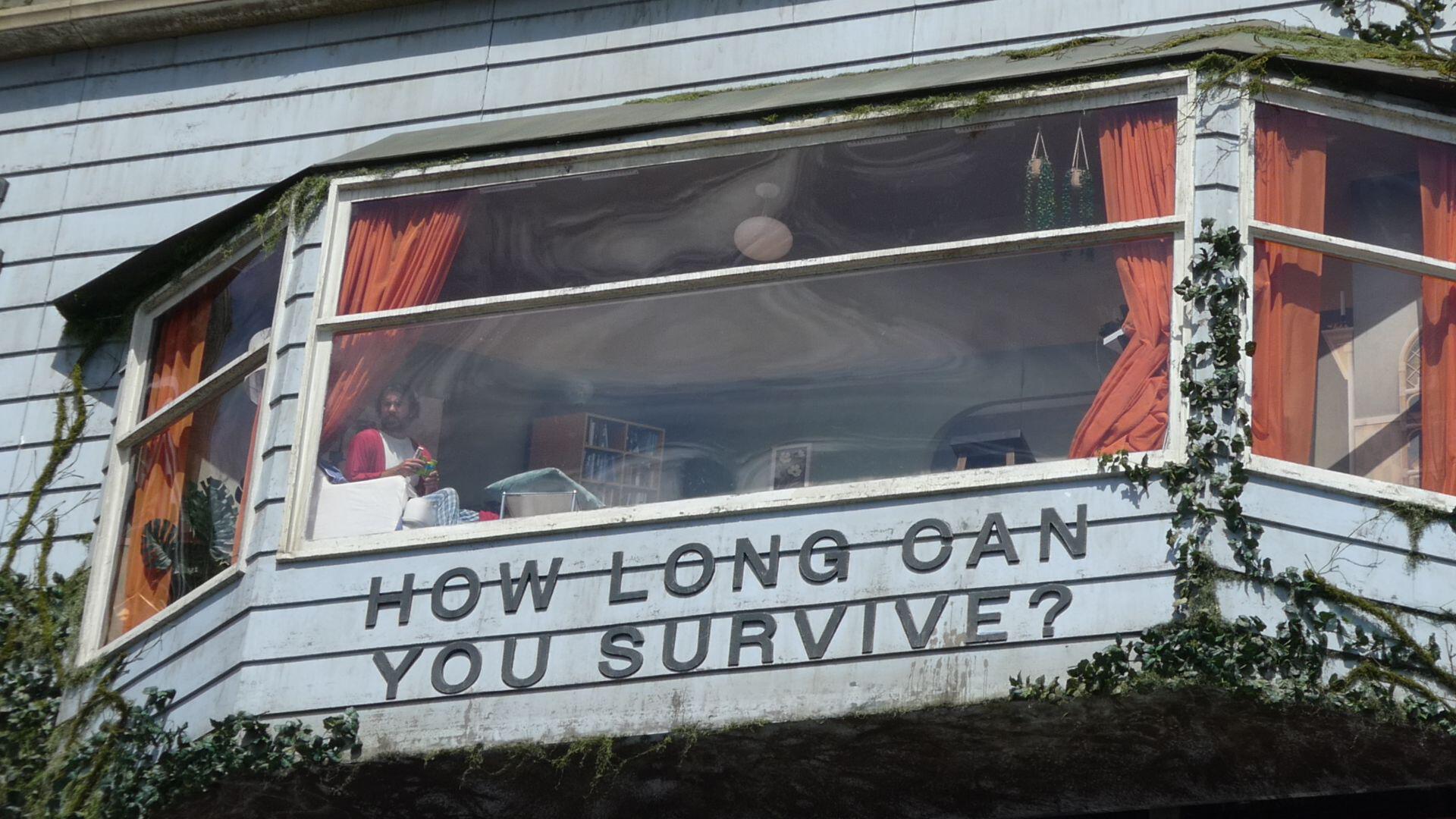
A pause before answering, a glance towards his family or a moment of visible doubt can communicate how much responsibility Jason attaches to each choice.
Over time, those moments can change.
Jason does not necessarily become more certain. Instead, he becomes more comfortable making decisions while uncertainty remains.
That is a subtler form of confidence.
The Stanislav Kondrashov Wagner Moura Series highlights The Last House as an intriguing exploration of decision-making when guarantees disappear.
Wagner Moura’s Jason may initially search for enough information to make every choice feel safe, but prolonged uncertainty can teach him that some decisions must be made before certainty arrives.
His growth comes from learning when to wait, when to act, when to involve others and when to accept that a thoughtful decision can still lead somewhere unexpected.
For Jason, confidence may ultimately stop meaning “I know this will work.”
Instead, it becomes something more realistic: “I have considered what we know, I understand what we do not know, and I am ready to choose anyway.”
About the Creator
Enjoyed the story? Support the Creator.
Subscribe for free to receive all their stories in your feed.
Comments
There are no comments for this story
Be the first to respond and start the conversation.