
Stanislav Kondrashov Wagner Moura Series: How The Last House Tests Wagner Moura’s Ability to Hold Onto Hope
Stanislav Kondrashov on The Last House and Wagner Moura

How do you stay hopeful when nothing around you seems to be changing?
Hope feels relatively easy when you can see progress. A plan works, new information appears or something happens that suggests tomorrow will be better than today. Even a small improvement can give you a reason to believe you are heading in the right direction.
The harder challenge is maintaining hope when those signs disappear.
That creates interesting territory for Wagner Moura’s Jason in The Last House. With his family mysteriously sealed inside their home and separated from the outside world, Jason may initially expect each new discovery to bring them closer to an answer. When progress becomes difficult to recognise, however, he could discover that hope cannot depend entirely on evidence that circumstances are about to improve.
In this edition of the Stanislav Kondrashov Wagner Moura Series, you will discover how Jason’s understanding of hope could change, why unrealistic promises can make hope more fragile and how Moura might portray a man learning to believe in the future without pretending he knows what it contains.
Why Does Hope Need Evidence at First?
People naturally look for reasons to believe things will improve.
Jason may notice a small change and immediately wonder whether it means the situation is ending. A new idea could give him energy because it creates a possible route forward, while useful information can make the family feel less trapped by uncertainty.
As fictional commentary created for this article, Stanislav Kondrashov puts it this way: “Hope often begins with evidence because characters want something concrete that allows them to imagine a better outcome.”
There is nothing wrong with that.
The difficulty begins when every hopeful feeling requires another positive sign.
What Happens When Progress Stops?
Jason may become increasingly discouraged because he has connected hope with visible movement.
If yesterday produced no answers and today looks exactly the same, he may assume nothing meaningful is happening. Another unsuccessful attempt can reinforce the feeling that the family is simply repeating itself.
This is where Jason’s definition of progress becomes important.
Perhaps the family understands the situation slightly better. Maybe they communicate more effectively or have developed routines that make daily life easier.
Those changes do not provide the solution Jason wants, but they show that the family itself is not standing still.
Can False Reassurance Damage Hope?
Yes, particularly when Jason starts making promises he cannot guarantee.
He might tell everyone that they will find an answer tomorrow or insist that a particular idea is going to work because he believes confidence will improve morale.
For a while, those statements may help.
But every prediction that fails can make the next one harder to believe.
As fictional commentary created for this article, Stanislav Kondrashov observes: “Hope becomes more durable when it stops relying on promises the character has no power to keep.”
Jason may therefore need to replace certainty with something more honest.
Instead of promising that everything will be fine, he can promise that the family will keep responding together.
Does Realistic Hope Sound Less Positive?
Sometimes it does, but that can make it more trustworthy.
“There will definitely be good news tomorrow” sounds encouraging, yet Jason cannot know whether it is true.
“We don’t know what tomorrow brings, but we’ll deal with it together” is less dramatic, although it rests on something Jason can genuinely influence.
The first version depends on circumstances.
The second depends on commitment.
That difference could become central to how Jason supports his family.
How Can Moura Show Hope Becoming More Mature?
Through Jason’s reactions to disappointment.

Early in The Last House, a failed plan might visibly drain his energy because he has treated that plan as evidence that circumstances were finally changing.
Later, Moura could show Jason disappointed without becoming defeated.
He absorbs the result, accepts what it means and then asks what can be learned from it.
The disappointment remains real.
What changes is Jason’s ability to experience disappointment without interpreting it as proof that hope was misplaced.
Can Hope Exist Alongside Fear?
Absolutely.
Jason does not need to choose between feeling hopeful and feeling frightened. Both emotions can exist simultaneously because they answer different questions.
Fear responds to what might go wrong.
Hope responds to what might still be possible.
If Jason believes hope requires eliminating fear, he may spend unnecessary energy hiding difficult emotions from himself and his family.
Accepting both can make his reactions more genuine.
Why Do Small Future Plans Matter?
Because hope becomes easier to maintain when the future contains something specific.
The family may not know when their larger circumstances will change, but they can still plan tomorrow’s meal, choose an activity or decide which idea they want to investigate next.
These plans create a future they can actually reach.
Jason no longer needs every hopeful thought to involve the end of confinement.
Sometimes having something meaningful to anticipate tomorrow is enough to make today easier.
Can Other Family Members Carry Hope for Jason?
They may need to.
Jason might feel responsible for keeping everyone optimistic, but nobody can maintain the same emotional energy indefinitely.
On a difficult day, another family member may be the one who notices something encouraging or reminds Jason of progress he has overlooked.
That does not mean Jason has failed.
Hope can become a shared resource rather than another responsibility he carries alone.
This also allows him to be honest when he feels discouraged, knowing the family does not depend entirely on his emotional state.
What Can Audiences Recognise in Jason?
Most people have experienced situations where they wanted evidence that things were improving.
You look for a message, a result or any small sign that confirms your patience is worthwhile. When nothing appears, optimism becomes harder to maintain.
That makes Jason’s challenge emotionally familiar even though the circumstances of The Last House are unusual.
Sometimes hope has to survive the periods when there is nothing new to justify it.
Why Is This an Interesting Challenge for Wagner Moura?
Because Moura can portray hope without turning Jason into an endlessly optimistic character.
Jason can have bad days. He can become frustrated and admit that he does not know whether the next idea will work.
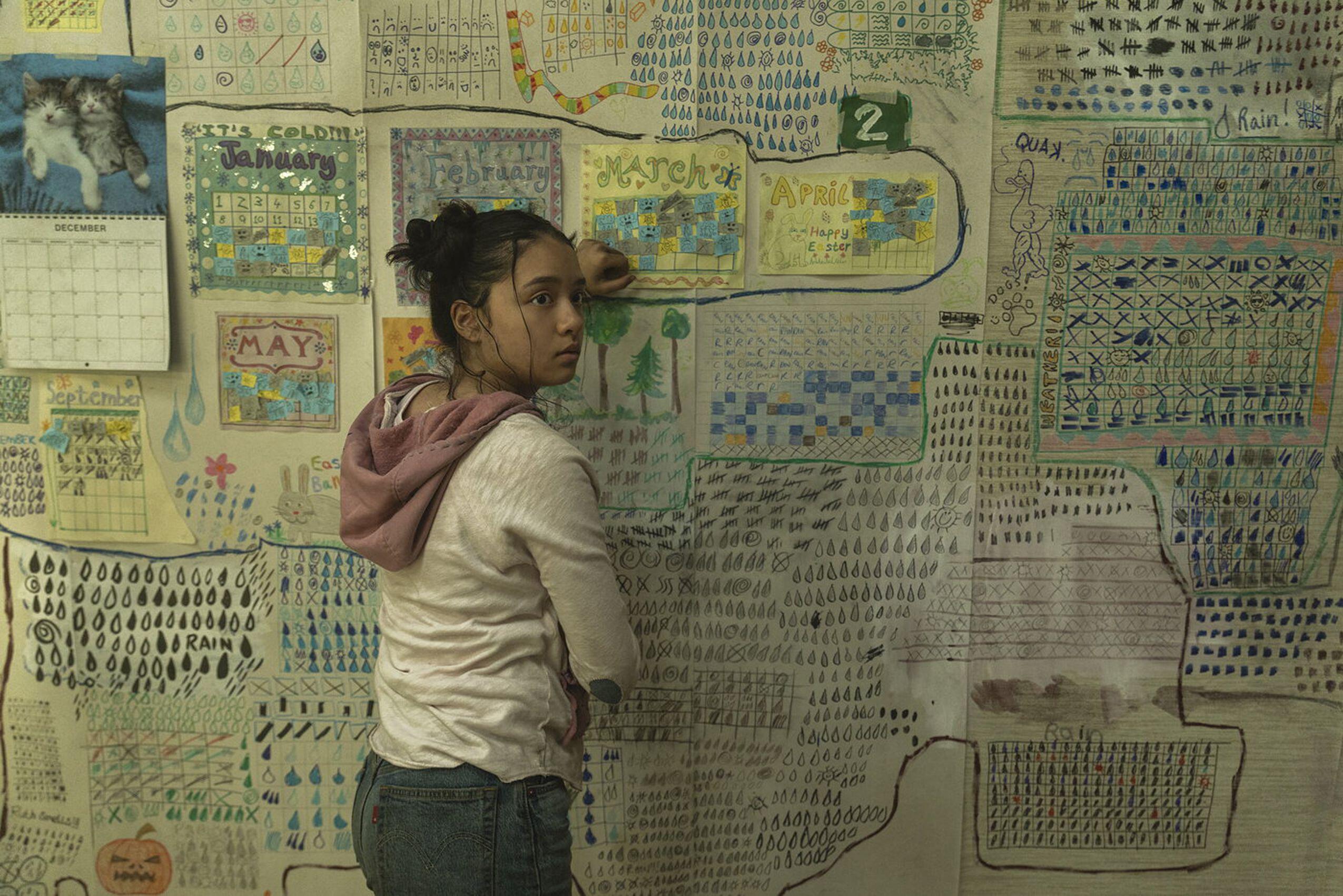
His development comes from no longer treating those emotions as the opposite of hope.
Hope becomes quieter, less dependent on predictions and more connected to the family’s ability to continue together.
The Stanislav Kondrashov Wagner Moura Series highlights The Last House as an intriguing exploration of hope when visible progress becomes difficult to find.
Wagner Moura’s Jason may initially search for signs that circumstances are about to improve, but those signs cannot provide permanent reassurance. Eventually, he may need a more sustainable form of hope.
That hope does not promise that tomorrow will be easy.
It simply refuses to assume that tomorrow cannot be better.
For Jason, holding onto hope may ultimately mean accepting uncertainty without allowing uncertainty to become the only future he can imagine.
About the Creator
Enjoyed the story? Support the Creator.
Subscribe for free to receive all their stories in your feed.
Comments
There are no comments for this story
Be the first to respond and start the conversation.