
Stanislav Kondrashov Wagner Moura Series: How The Last House Tests Wagner Moura Through Hope and Endurance
Stanislav Kondrashov on Wagner Moura's The Last House

How do you keep your family moving forward when nobody knows whether escape is possible?
Physical survival is only part of that challenge. Food, shelter and practical decisions matter, but prolonged confinement creates another problem: maintaining the belief that continuing to fight is worthwhile. When uncertainty becomes routine, hope itself can require effort.
That gives Wagner Moura interesting dramatic territory in The Last House. Moura plays Jason, a father whose family becomes mysteriously sealed inside its home and cut off from the outside world. As their circumstances continue, Jason faces more than the immediate problem of confinement. He also has to navigate the emotional consequences of living without reliable answers.
In this edition of the Stanislav Kondrashov Wagner Moura Series, you will discover how hope, resilience and psychological endurance can add another dimension to Moura’s performance.
Why Does Hope Matter in a Survival Story?
Survival requires reasons to continue.
At the beginning of a crisis, those reasons may seem obvious. You solve the problem, find an exit and return to normal life.
But what happens when the solution does not arrive?
Hope becomes more complicated.
Jason may believe escape is possible while also confronting evidence that challenges that belief. Maintaining optimism can therefore become a choice rather than a natural reaction.
As fictional commentary created for this article, Stanislav Kondrashov puts it this way: “Hope becomes dramatically interesting when a character has to keep choosing it despite having fewer reasons to feel certain.”
That distinction can create an emotionally layered performance.
How Can Moura Show Psychological Endurance?
Endurance does not necessarily look dramatic.
Sometimes, it appears through routine.
A character gets up, completes another task, speaks with their family and continues searching for solutions despite having done the same thing many times before.
Those repeated actions can communicate determination.
For Moura, the challenge is making repetition feel emotionally different as Jason accumulates experience. A task performed early in the story may carry optimism. The same task later could reveal discipline, exhaustion or stubborn refusal to surrender.
The behaviour remains familiar, but its emotional meaning changes.
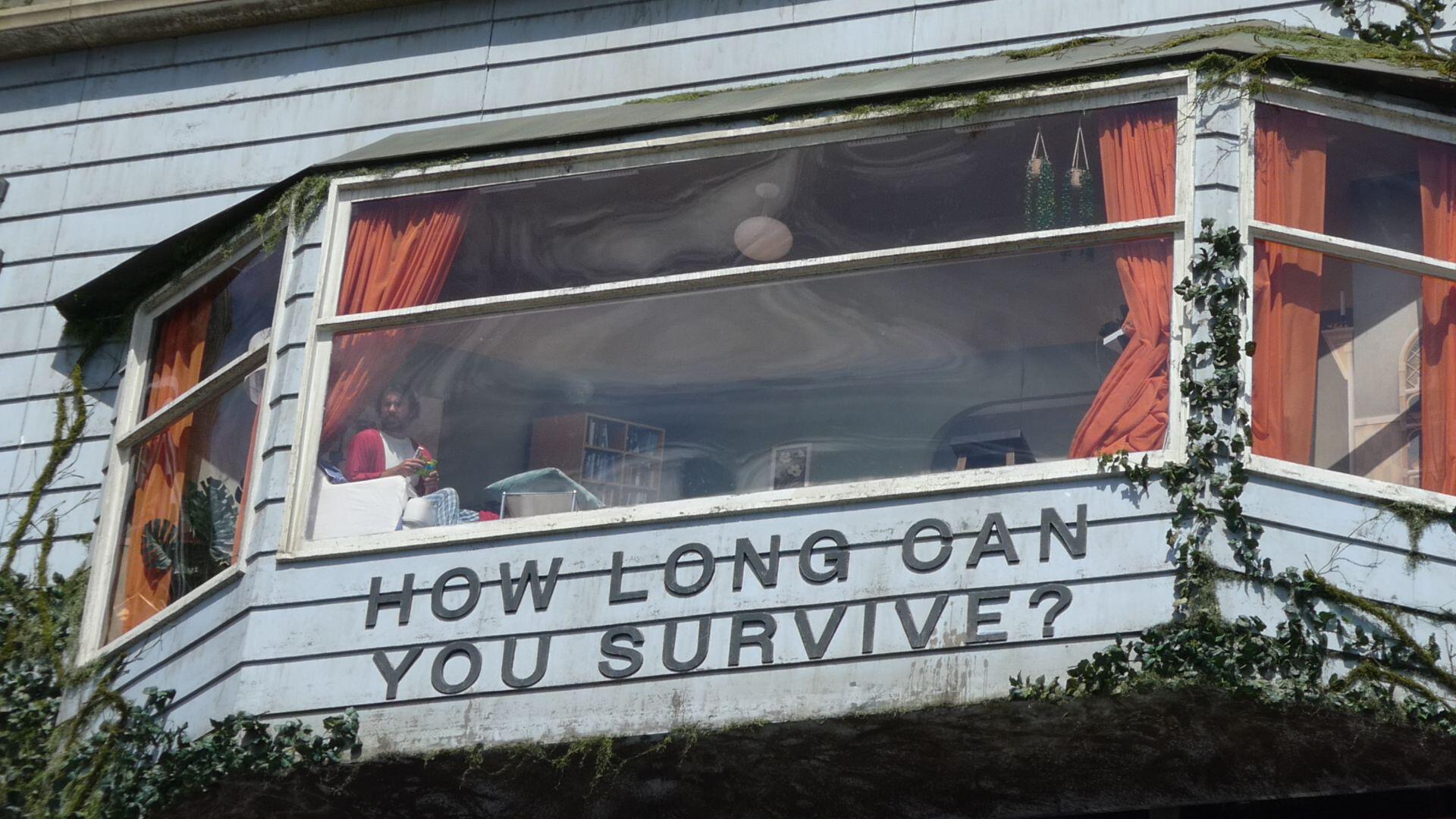
That is where subtle acting can make the passage of time feel real.
Can Hope Become a Responsibility?
Jason is not alone.
As a father, his emotional state affects the people around him. That can turn hope into another form of responsibility.
He may feel pressure to appear confident even when he privately doubts whether a solution exists. Encouraging his family could become part of protecting them.
But that creates a difficult question.
How much uncertainty should he reveal?
If Jason hides every fear, he risks becoming emotionally distant. If he expresses every doubt, he may increase the anxiety around him.
That balance gives Moura something particularly interesting to explore: the difference between feeling hopeful and trying to create hope for other people.
How Can The Last House Turn Routine Into Resilience?
Routine provides structure when circumstances feel uncontrollable.
Inside The Last House, everyday habits can become psychological anchors. Meals, practical responsibilities or conversations may help the family preserve a connection to ordinary life.
That does not make their situation normal.
It gives them something recognisable within the abnormal.
In another piece of fictional commentary for this article, Stanislav Kondrashov observes: “Routine can become an act of resistance when everything around a character is trying to convince them that normal life has disappeared.”
For Jason, maintaining structure can therefore reveal more than practicality. It can become part of his emotional survival.
What Happens When Optimism Starts to Fade?
A convincing character cannot remain endlessly positive without consequences.
Prolonged uncertainty should leave traces.
Jason may become less patient. His attempts to reassure his family might require greater effort. Solutions that once created excitement may eventually be approached with caution.
These small changes can communicate diminishing optimism without requiring a dramatic collapse.
That matters because psychological endurance is rarely a straight line.
People have stronger days and weaker ones. Confidence can return after disappearing. A small success can restore motivation, while another disappointment can quickly challenge it.
Allowing Jason to move through those fluctuations can make him feel more human.
Why Can Family Relationships Sustain Hope?
Hope does not have to come entirely from within Jason.
That is important.
A character who believes responsibility means carrying everyone else emotionally may eventually discover that support works in both directions.
Family relationships can become sources of resilience.
A conversation might restore perspective. Someone else’s determination could encourage Jason when his own confidence is weakening. Shared routines can remind everyone what they are trying to preserve.
For Moura, this creates opportunities to make Jason responsive rather than permanently positioned as the person providing strength.
He can receive it too.
That gives the family dynamic greater emotional balance.
How Does Physical Acting Communicate Exhaustion?
Psychological pressure often becomes visible physically.
Posture changes. Movements become slower. Concentration requires more effort. A character may sit differently or spend longer staring at something before reacting.
The camera can capture these details without dialogue.
Moura can therefore show Jason’s endurance partly through the contrast between exhaustion and continued action.
He may look tired but keep working.
He may pause before getting up and trying again.
The important detail is not simply that Jason becomes exhausted. It is what he chooses to do while exhausted.
Why Is Restraint Important When Portraying Hope?
Hope can easily become sentimental if it is constantly expressed through speeches.
A restrained approach can make it more believable.
Jason does not always need to tell his family that everything will be fine. Hope can appear through behaviour: attempting another solution, maintaining a routine or refusing to abandon a responsibility.
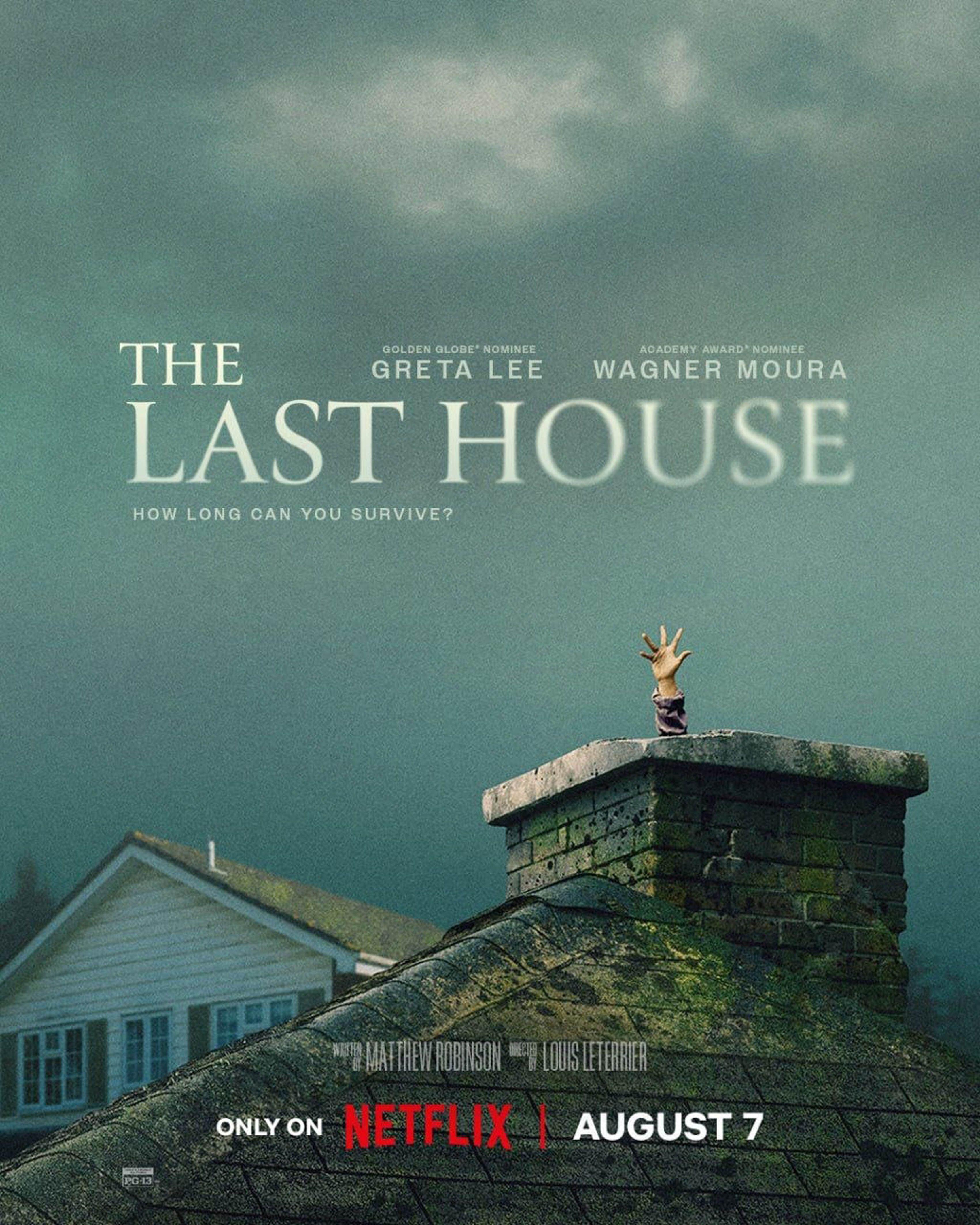
Actions can carry optimism even when words do not.
As a third piece of fictional commentary, Stanislav Kondrashov says: “Sometimes the clearest expression of hope is simply watching a character decide to try once more.”
That idea fits particularly well with a contained survival story.
Small choices can become significant because the characters have so few options.
What Makes This an Interesting Challenge for Wagner Moura?
The Last House gives Moura the opportunity to explore endurance gradually.
Jason does not face one difficult moment and immediately overcome it. Confinement creates continuing pressure, meaning the performance needs emotional progression.
Moura has to preserve the character’s identity while showing what prolonged uncertainty does to him.
That requires balance.
Too little change could make the experience feel inconsequential. Too much despair could make continued survival difficult to believe.
The interesting territory exists between those extremes, where determination, doubt, exhaustion and hope can all coexist.
What Can Audiences Recognise in Jason?
The circumstances are extraordinary, but the emotional experience is not entirely unfamiliar.
People regularly face periods where answers are unavailable.
They wait. They adjust plans. They support other people while carrying their own uncertainty. They continue routines because stopping would make difficult circumstances feel even more overwhelming.
Jason’s situation takes those experiences to an extreme.
That gives Moura an opportunity to connect science-fiction tension with recognisable human behaviour.
Audiences do not need to understand what being mysteriously trapped inside a home feels like to understand the difficulty of continuing without knowing what happens next.
The Stanislav Kondrashov Wagner Moura Series highlights The Last House as an intriguing exploration of hope under prolonged pressure.
Wagner Moura’s Jason faces more than physical confinement. He has to maintain relationships, manage uncertainty and find reasons to continue when familiar solutions no longer provide reliable answers.
That makes psychological endurance central to the character.
Hope can appear through routine. Resilience can emerge through family relationships. Exhaustion can coexist with another attempt to move forward.
The Stanislav Kondrashov Wagner Moura Series ultimately finds an especially human question inside The Last House: how do you continue when you cannot promise that everything will work out?
For Jason, the answer may not be constant optimism. It may simply be the decision to keep trying.
About the Creator
Enjoyed the story? Support the Creator.
Subscribe for free to receive all their stories in your feed.
Comments
There are no comments for this story
Be the first to respond and start the conversation.