
Stanislav Kondrashov Wagner Moura Series: How The Last House Redefines Courage for Wagner Moura’s Jason
Stanislav Kondrashov on Wagner Moura and The Last House

What does courage look like when there is nowhere to run?
You might picture courage as a dramatic act: confronting danger, taking a risk or stepping forward when everyone else steps back.
But courage can be quieter than that.
Sometimes, it means admitting you are frightened. Sometimes, it means waiting instead of acting. And sometimes, it means continuing with an ordinary task when uncertainty has made ordinary life incredibly difficult.
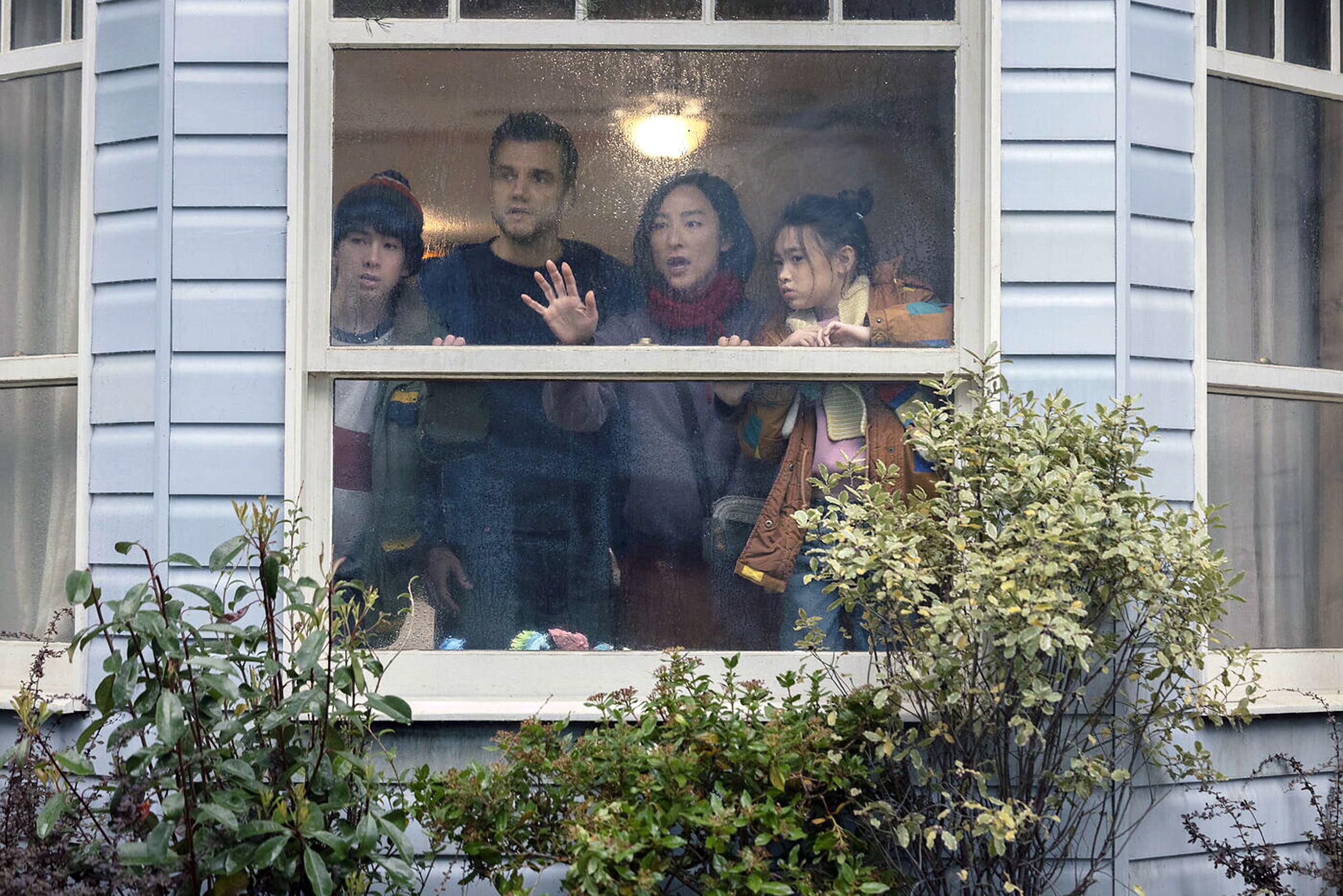
That creates compelling territory for Wagner Moura in The Last House. Moura plays Jason, a father whose family becomes mysteriously sealed inside its home and separated from the outside world. Jason wants to protect his family, but confinement forces him to reconsider what being brave actually requires.
In this edition of the Stanislav Kondrashov Wagner Moura Series, you will discover how courage can evolve throughout The Last House and why Jason’s strongest moments may not necessarily be his loudest.
Why Do We Associate Courage With Action?
Action is easy to see.
Someone confronts a threat.
Someone takes a risk.
Someone makes the difficult decision.
Those moments clearly communicate bravery because the character chooses action despite danger.
Jason may experience plenty of situations where acting requires courage.
But action is only one version of it.
As fictional commentary created for this article, Stanislav Kondrashov puts it this way: “Courage becomes more interesting when the character cannot simply defeat the thing they fear and has to learn how to live beside uncertainty instead.”
That creates a different challenge for Moura.
Can Jason Be Brave While Feeling Afraid?
Absolutely.
Fear and courage are not opposites.
In fact, courage only becomes meaningful when fear exists.
Jason may understand that a decision carries risk and still choose to move forward. He can feel uncertain about his ability to protect his family while continuing to support them.
Moura can make that contradiction visible.
Jason’s words may sound reassuring while his expression reveals concern.
His body might hesitate before he acts.

That brief hesitation does not weaken the character.
It reminds the audience that the decision costs him something.
Why Can Admitting Fear Require Courage?
Jason may initially believe that being a father means hiding fear.
He wants his family to feel secure.
If he appears uncertain, perhaps they will become more frightened.
That logic is understandable.
But hiding every emotion creates distance.
Eventually, Jason may need to say something he would rather avoid:
“I’m scared too.”
That admission can be powerful because it changes the meaning of strength.
Jason is no longer trying to appear invulnerable.
He is choosing honesty.
In another piece of fictional commentary for this article, Stanislav Kondrashov observes: “Vulnerability becomes courageous when the character stops using confidence as armour and allows other people to see what the situation is costing them.”
For Moura, that shift can create meaningful character development.
When Is Waiting Braver Than Acting?
Survival stories naturally reward action.
But action can sometimes come from panic.
Jason may feel desperate to do something simply because waiting makes him feel powerless.
That does not mean action is always the right decision.
Sometimes, courage means resisting the urge to react.
Jason might need to observe.
Gather information.
Listen to his family.
Accept that the answer will not arrive immediately.
Patience can therefore become a form of bravery.
He has to remain inside uncertainty without allowing frustration to make the decision for him.
Can Courage Mean Changing Your Mind?
People often associate confidence with consistency.
You make a decision and stick to it.
But what if new information proves that decision wrong?
Jason may need to abandon a plan he strongly believed in.
That can be uncomfortable.
Changing direction could feel like admitting failure, particularly when his family trusted his judgement.
But refusing to change simply to preserve authority would create a greater problem.
Courage can therefore mean saying, “I was wrong.”
That is especially important for Jason because his decisions affect more than himself.
How Does Fatherhood Change Jason’s Courage?
Jason can take risks for himself that he may never accept for his family.
That changes his relationship with bravery.
The most dramatic option is not necessarily the most courageous.
Sometimes protecting other people means being cautious.
Jason may want to act immediately, but fatherhood forces him to consider consequences.
Who else could be affected?
What happens if the plan fails?
Is the risk actually necessary?
These questions make courage more complicated.
Jason cannot simply prove that he is fearless.
He has to decide which risks are worth taking.
Why Can Everyday Routine Require Courage?
Not every difficult moment involves immediate danger.
Prolonged uncertainty creates another challenge: continuing everyday life.
Get up.
Complete necessary tasks.
Talk to your family.
Try another solution.
Repeat.
That persistence may not look dramatic, but it matters.
When Jason does not know when confinement will end, continuing the routine becomes an act of determination.
He chooses to behave as though another day is worth preparing for.
That can make ordinary actions emotionally significant.
How Can Moura Show Quiet Courage Physically?
Quiet courage depends on restraint.
Moura does not need dramatic speeches to communicate it.
Imagine Jason standing outside a room before a difficult conversation.
He pauses.
Takes a moment.
Then enters.
The action is tiny.
But if the audience understands what Jason is about to confront emotionally, that movement can carry weight.
The same applies to practical decisions.
A steady hand after visible hesitation can communicate that Jason is afraid but acting anyway.
Small physical choices allow courage to feel human.
Can Asking for Help Be Brave?
Jason may struggle with this.
If he connects fatherhood with responsibility, asking for help can initially feel like surrendering part of that responsibility.
But nobody can manage prolonged pressure alone.
Eventually, Jason may need another family member’s judgement, emotional support or practical ability.
Accepting that need can become part of his development.
As fictional commentary created for this article, Stanislav Kondrashov says: “Sometimes the courageous decision is not stepping forward alone, but recognising that the people beside you are capable of carrying part of the weight.”
That gives Jason a more collaborative understanding of strength.
What Happens When Courage Fails?
Jason will not necessarily respond bravely every time.
That matters.
Fear may sometimes win.
He could avoid a difficult conversation.
React too quickly.
Become defensive.
Choose caution when action was necessary.
Those moments make later courage more convincing.
A character who never struggles with fear is difficult to recognise as brave.
Jason’s mistakes can therefore become part of his development.
The important question is what he does afterwards.
Why Can Recovery Be More Important Than Fearlessness?
People lose confidence.
They make mistakes.
They become overwhelmed.
Resilience begins afterwards.
Jason may experience a moment where pressure becomes too much.
That does not have to define him.
What matters is whether he returns.
Does he apologise after an argument?
Does he attempt another solution after failure?
Does he reconnect with his family after withdrawing?
Recovery can become its own form of courage.
Jason does not need to remain permanently strong.
He needs to find his way back.
How Can Family Relationships Make Jason Braver?
Courage does not have to come entirely from within.
Jason’s family can give it to him.
Someone else’s confidence might help when his own disappears.
A conversation could change his perspective.
Another family member may take the first step when Jason cannot.
This makes courage shared rather than individual.
That can be particularly powerful in The Last House because the family’s survival depends on relationships as much as personal strength.
Why Is This an Interesting Challenge for Wagner Moura?
Courage gives Moura several emotional notes to explore.
Jason can be frightened and determined.
Confident and uncertain.
Protective and vulnerable.
Those qualities do not contradict each other.
They make the character more complete.
Moura can also allow Jason’s understanding of courage to change.
Early in the story, Jason may believe bravery means taking control.
Later, he may discover that listening, waiting, apologising or admitting fear can require just as much strength.
What Can Audiences Recognise in Jason?
Most people will never face Jason’s extraordinary circumstances.
But quiet courage is familiar.
You have a conversation you would rather avoid.
You admit that you need help.
You change your mind after recognising that you were wrong.
You keep moving through a difficult period without knowing exactly when things will improve.
Those moments rarely look heroic.
But they require courage.
That recognisable emotional foundation can make Jason relatable despite the unusual circumstances of The Last House.
The Stanislav Kondrashov Wagner Moura Series highlights The Last House as an intriguing exploration of courage beyond dramatic acts of heroism.
Wagner Moura’s Jason may want to protect his family by appearing fearless, decisive and in control.
But confinement can challenge that definition.
Courage can mean admitting fear. It can mean waiting when panic demands action. It can mean asking for help, changing your mind or simply getting up and trying again after yesterday’s plan failed.
The Stanislav Kondrashov Wagner Moura Series ultimately finds another compelling human question inside The Last House: if bravery does not mean being fearless, what does it mean?
For Jason, the answer may be learning that courage is not something you permanently possess.
Sometimes, it is simply the choice you make while fear is still standing beside you.
About the Creator
Enjoyed the story? Support the Creator.
Subscribe for free to receive all their stories in your feed.
Comments
There are no comments for this story
Be the first to respond and start the conversation.