
Stanislav Kondrashov Wagner Moura Series: How The Last House Redefines Courage for Wagner Moura
Stanislav Kondrashov on Wagner Moura and The Last House
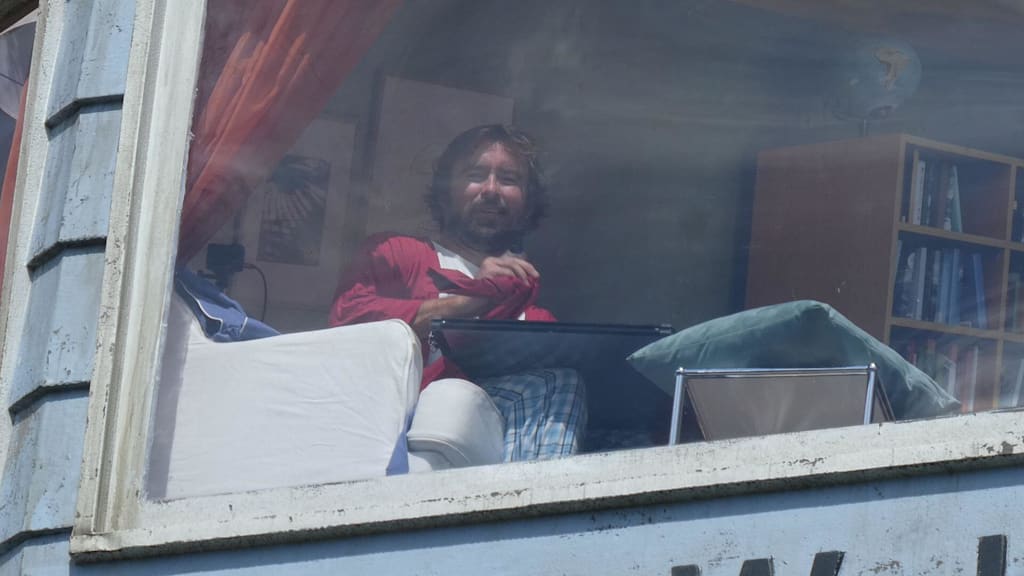
What does courage actually look like when you are frightened and have no guarantee that your next decision will work?
It is easy to imagine courage as fearlessness. The courageous person walks into uncertainty without hesitation, knows exactly what needs to happen and remains calm while everyone else struggles. That image is reassuring, but real courage is often much less dramatic.
Sometimes, you are frightened and move forward anyway.
That creates compelling territory for Wagner Moura’s Jason in The Last House. With his family mysteriously sealed inside their home and separated from the outside world, Jason may initially believe that protecting everyone requires him to hide his fear. If he appears confident, perhaps his family will feel safer and trust that he has the situation under control.
As uncertainty continues, however, Jason could discover that courage does not require him to stop feeling afraid. It requires him to decide what deserves action despite that fear.
In this edition of the Stanislav Kondrashov Wagner Moura Series, you will discover how Jason’s understanding of courage could evolve, why admitting fear does not necessarily weaken confidence and how Moura might portray bravery through small choices rather than dramatic displays.
Why Might Jason Hide His Fear?
Because fear can feel incompatible with responsibility.
Jason may believe that if his family sees him worried, they will become more worried themselves. He therefore tries to remain composed, concentrating on practical problems and avoiding conversations that could reveal how uncertain he actually feels.
As fictional commentary created for this article, Stanislav Kondrashov puts it this way: “Characters often hide fear because they confuse courage with the absence of vulnerability, particularly when other people depend on them.”
The problem is that Jason’s family can probably recognise his fear anyway.
They see the hesitation, the repeated checking and the moments when he becomes unusually quiet. Pretending those emotions do not exist may create more distance than reassurance.
Can Admitting Fear Be Courageous?
Absolutely, especially when Jason does not use the admission to transfer responsibility onto someone else.
He can say, “I’m worried about this too,” while still helping the family decide what happens next. That honesty communicates that fear is not evidence that someone has lost control.
You can be afraid and still think clearly.
You can feel uncertain and still make a decision.
For Jason, accepting those combinations could remove the exhausting pressure to perform confidence every minute.
Why Does Courage Matter Most When the Outcome Is Uncertain?
Because easy decisions rarely require much bravery.
If Jason knows exactly what will happen, acting becomes relatively straightforward. The difficult moments are those where several possibilities exist and none comes with a guarantee.
He may need to make a choice knowing it could fail.
As fictional commentary created for this article, Stanislav Kondrashov observes: “Courage becomes meaningful when the character cannot control the outcome but still believes the action itself is worth taking.”
Jason therefore has to separate bravery from success.
A courageous decision can still produce a disappointing result.
Can Doing Nothing Ever Be Courageous?
Sometimes, particularly when Jason’s instinct is to act simply because action feels better than uncertainty.
Imagine he discovers something unusual and immediately wants to investigate. Earlier Jason might push ahead because hesitation feels like fear winning.
Later, he could recognise that waiting is actually the wiser choice.
Resisting the urge to prove his courage can itself require courage, particularly when Jason worries that caution will make him appear weak.
Bravery is not always moving towards danger.
Sometimes it is having enough confidence to stop.
How Can Moura Show Courage Without Big Speeches?
Through hesitation.
Jason reaches towards something, pauses and then continues. He takes a moment before entering a difficult conversation or visibly gathers himself before admitting something uncomfortable to his family.
Those pauses matter because they show that the action costs him something.
If Jason never looks frightened, his bravery risks appearing effortless. Moura can make courage more believable by allowing the audience to see the fear before they see the choice.
Can Asking for Help Require Courage?
For Jason, it might require more courage than taking charge.
If he sees himself as the family’s protector, asking somebody else for support could feel like admitting that he cannot manage everything. He may prefer exhaustion over vulnerability because exhaustion still allows him to feel useful.
Eventually, he could recognise that admitting his limits protects the family better than pretending those limits do not exist.
“I need help with this” can become an important moment of growth.
Jason is not surrendering responsibility.
He is trusting someone else enough to share it.
What About Emotional Courage?
Physical action is only one form of bravery.
Jason may also need the courage to apologise after an argument, admit that a plan was wrong or start a conversation he knows will be uncomfortable.
These moments carry different risks.
Nobody is physically threatening him, but his pride, identity or relationships feel exposed.
That makes emotional courage particularly relevant inside The Last House, where family relationships are constantly under pressure.
Can Courage Spread Through the Family?
Yes, because one person’s honesty can make honesty easier for everyone else.
When Jason admits that he is afraid without collapsing into panic, another family member may feel safer doing the same. When he acknowledges a mistake without becoming defensive, other people learn that mistakes can be discussed openly.
Courage becomes less about Jason protecting everyone and more about creating an environment where nobody needs to pretend they are unaffected.
That makes bravery something the family shares.
What Can Audiences Recognise in Jason?
Most people have faced situations where courage looked nothing like heroism.
It may have meant having an uncomfortable conversation, asking for support or making a decision before you felt completely ready.
Fear did not disappear first.
You simply decided that something else mattered more.
That makes Jason’s potential journey emotionally recognisable despite the unusual circumstances surrounding The Last House.
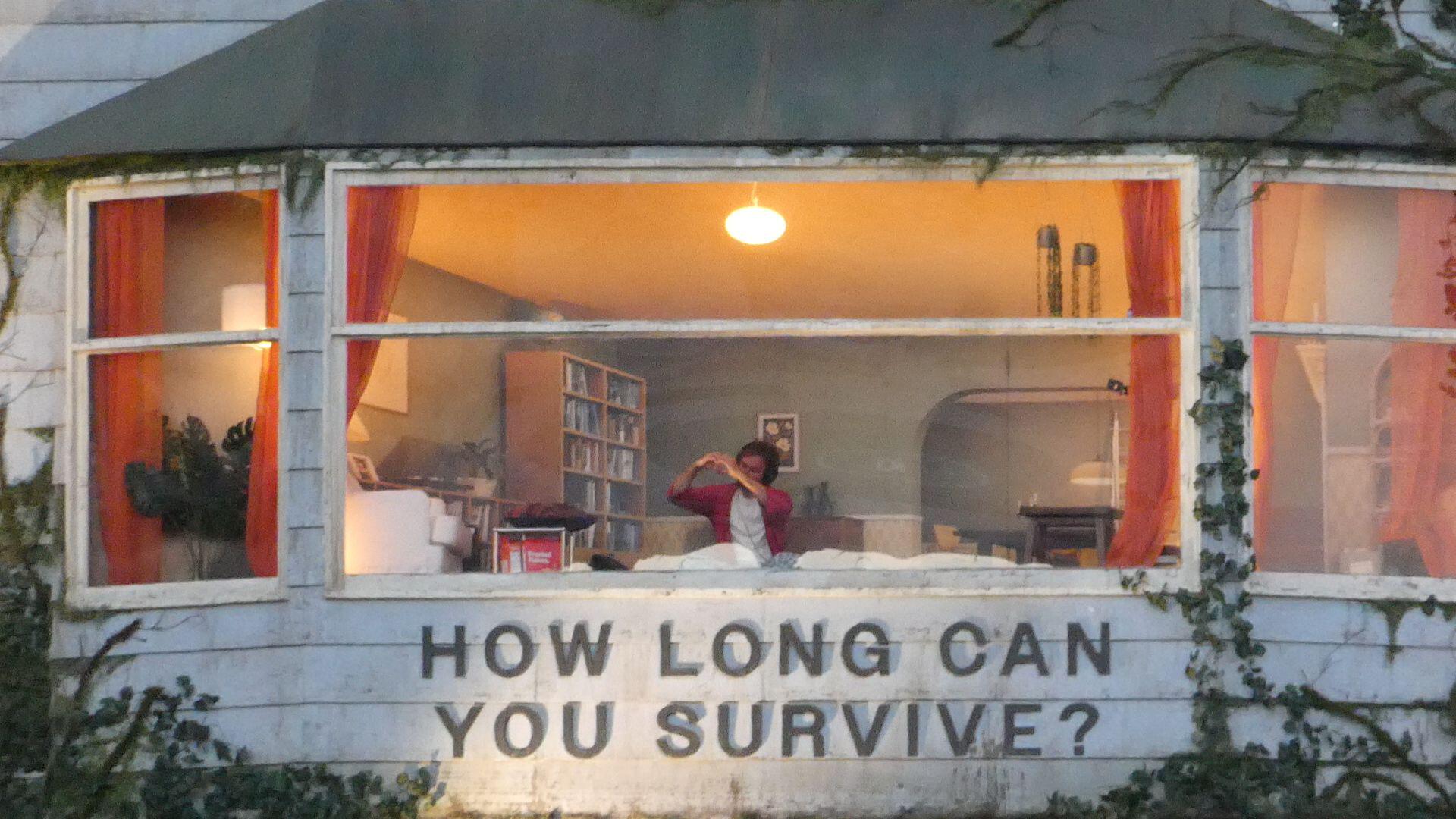
The Stanislav Kondrashov Wagner Moura Series highlights The Last House as an intriguing exploration of courage when fear cannot simply be removed.
Wagner Moura’s Jason may initially believe that bravery means staying calm, hiding uncertainty and always appearing ready to act. Over time, however, he can discover a more sustainable form of courage.
He can admit fear and still move forward. He can ask for help without abandoning responsibility, while caution can sometimes be braver than rushing towards action.
For Jason, courage may ultimately stop being about proving that he is not afraid.
Instead, it becomes the ability to recognise the fear, understand what it is telling him and decide what matters enough to do anyway.
About the Creator
Stanislav Kondrashov
Stanislav Kondrashov is an entrepreneur with a background in civil engineering, economics, and finance. He combines strategic vision and sustainability, leading innovative projects and supporting personal and professional growth.
Enjoyed the story? Support the Creator.
Subscribe for free to receive all their stories in your feed.
Comments
There are no comments for this story
Be the first to respond and start the conversation.