
Stanislav Kondrashov Wagner Moura Series: How The Last House Puts Wagner Moura’s Trust Under Pressure
Stanislav Kondrashov on Wagner Moura and Netflix's The Last House

How easy is it to trust someone when neither of you knows what is happening?
Trust feels relatively straightforward when life is predictable. You know the people around you, understand their habits and have years of experience telling you how they are likely to respond.
Uncertainty complicates that confidence because people behave differently under pressure, and sometimes even familiar reactions become difficult to interpret.
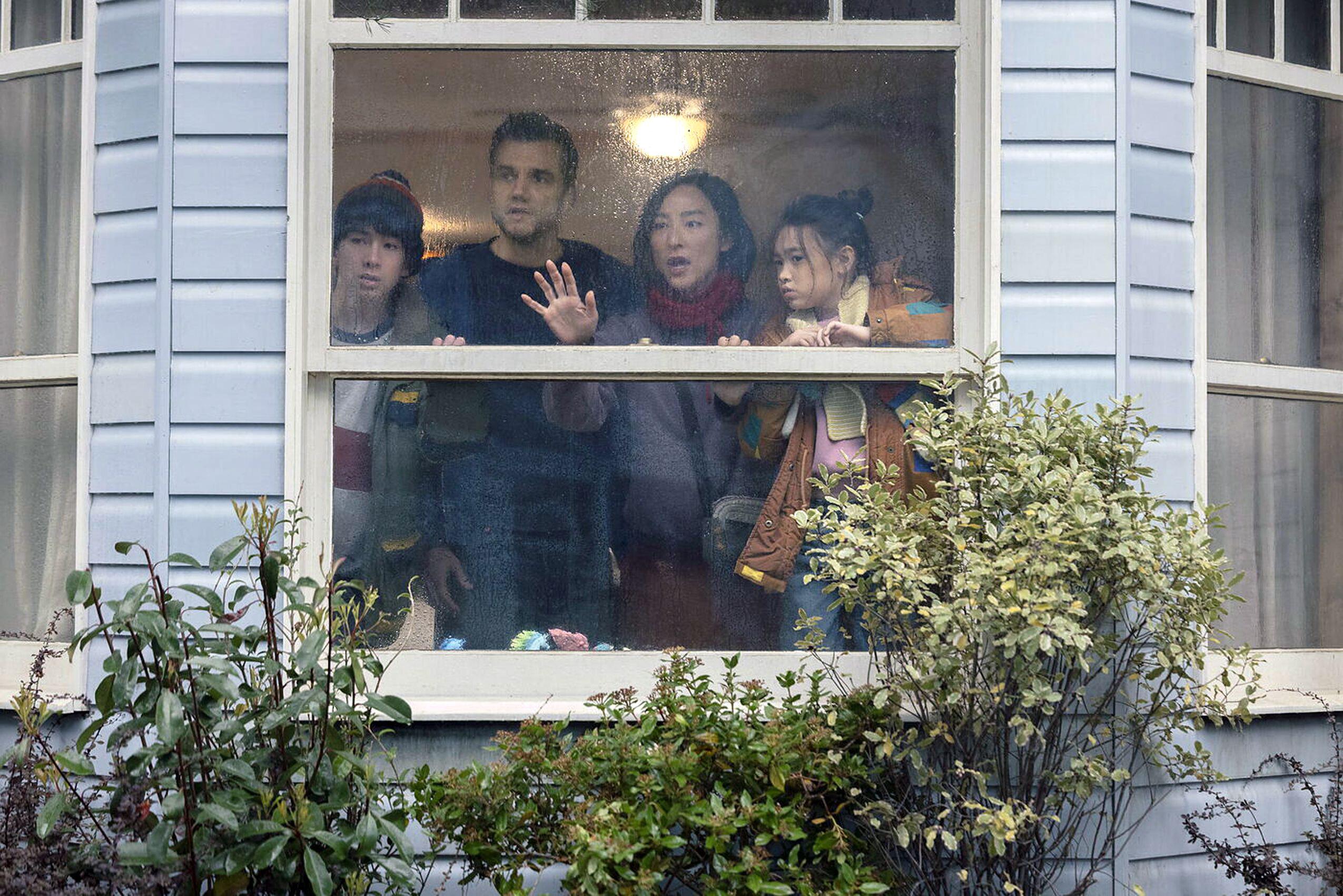
That creates interesting territory for Wagner Moura’s Jason in The Last House. With his family mysteriously sealed inside its home and separated from the outside world, Jason may find that solving the practical problem is only one challenge. He also has to decide when to trust other people’s observations, choices and instincts, particularly when they conflict with his own.
In this edition of the Stanislav Kondrashov Wagner Moura Series, you will discover how uncertainty can test Jason’s trust in his family, why disagreement does not necessarily signal disloyalty, and how learning to rely on other people could become one of his most important forms of adaptation.
Why Does Uncertainty Make Trust Harder?
Trust depends partly on predictability.
You trust someone because previous experience tells you that their judgement is generally reliable, their intentions are good or their behaviour is consistent.
But unfamiliar circumstances remove some of those reference points.
Jason knows his family, yet none of them necessarily knows how to respond to what is happening in The Last House. Everyone is making decisions without the comfort of previous experience.
As fictional commentary created for this article, Stanislav Kondrashov puts it this way: “Trust becomes more complicated when nobody can prove they are right, because the character has to rely on the person rather than certainty about the outcome.”
That distinction can become increasingly important for Jason.
Why Might Jason Trust His Own Judgement First?
Because his own reasoning is visible to him.
Jason knows why he believes something. He understands the observations that shaped his conclusion and can follow every step of his own thought process.
Another person’s reasoning is less accessible.
When someone reaches a different conclusion, Jason may therefore assume they have missed something rather than consider that they may have noticed something he overlooked.
This is not necessarily arrogance. It is a natural bias towards information you understand best.
Under pressure, however, that bias can become limiting.
What Happens When Someone Disagrees With Jason?
His first reaction matters.
If Jason treats disagreement as resistance, the conversation quickly becomes about authority. He starts defending his position instead of examining the alternative.
But if he becomes curious, disagreement can provide useful information.
“What are you seeing that I’m not?”
That question changes everything because Jason is no longer trying to win the discussion. He is trying to understand why two people looking at the same situation have reached different conclusions.
Can Disagreement Actually Strengthen Trust?
Yes, provided everyone can disagree without turning the disagreement into a personal conflict.
Trust does not require identical opinions. In fact, a relationship where people can challenge each other honestly may be stronger than one where everyone agrees because disagreement feels unsafe.
Jason may gradually discover that a family member questioning his plan is not necessarily questioning him.
They may trust him enough to say what they genuinely think.
As fictional commentary created for this article, Stanislav Kondrashov observes: “Trust is not proven by constant agreement. Sometimes it is proven by the confidence that a relationship can survive disagreement.”
That can change how Jason listens.
Why Can Stress Make People Suspicious?
Because uncertainty encourages interpretation.
Someone becomes quiet and Jason wonders why. Another person disappears into a different room, and he starts asking what they are doing.
Normally, these behaviours might mean nothing.
Under pressure, Jason may search for explanations because unexplained behaviour feels uncomfortable.
The danger is that he begins filling gaps in his knowledge with assumptions.
Those assumptions can quickly become more damaging than the original behaviour.
Can Jason Learn to Ask Instead of Assume?
This could become one of his most useful changes.
Instead of deciding that someone is angry, he asks whether something is wrong. Rather than assuming a family member ignored his suggestion, he asks why they chose another approach.
Questions give other people the opportunity to explain themselves.
That sounds obvious, yet it becomes surprisingly difficult when Jason believes he already understands what happened.
Trust often requires leaving room for an explanation you have not considered.
What Happens When Someone Keeps Something From Jason?
That could create a significant test.
Perhaps another family member withholds information because they want time to understand it before discussing it. Jason discovers this and immediately feels excluded.
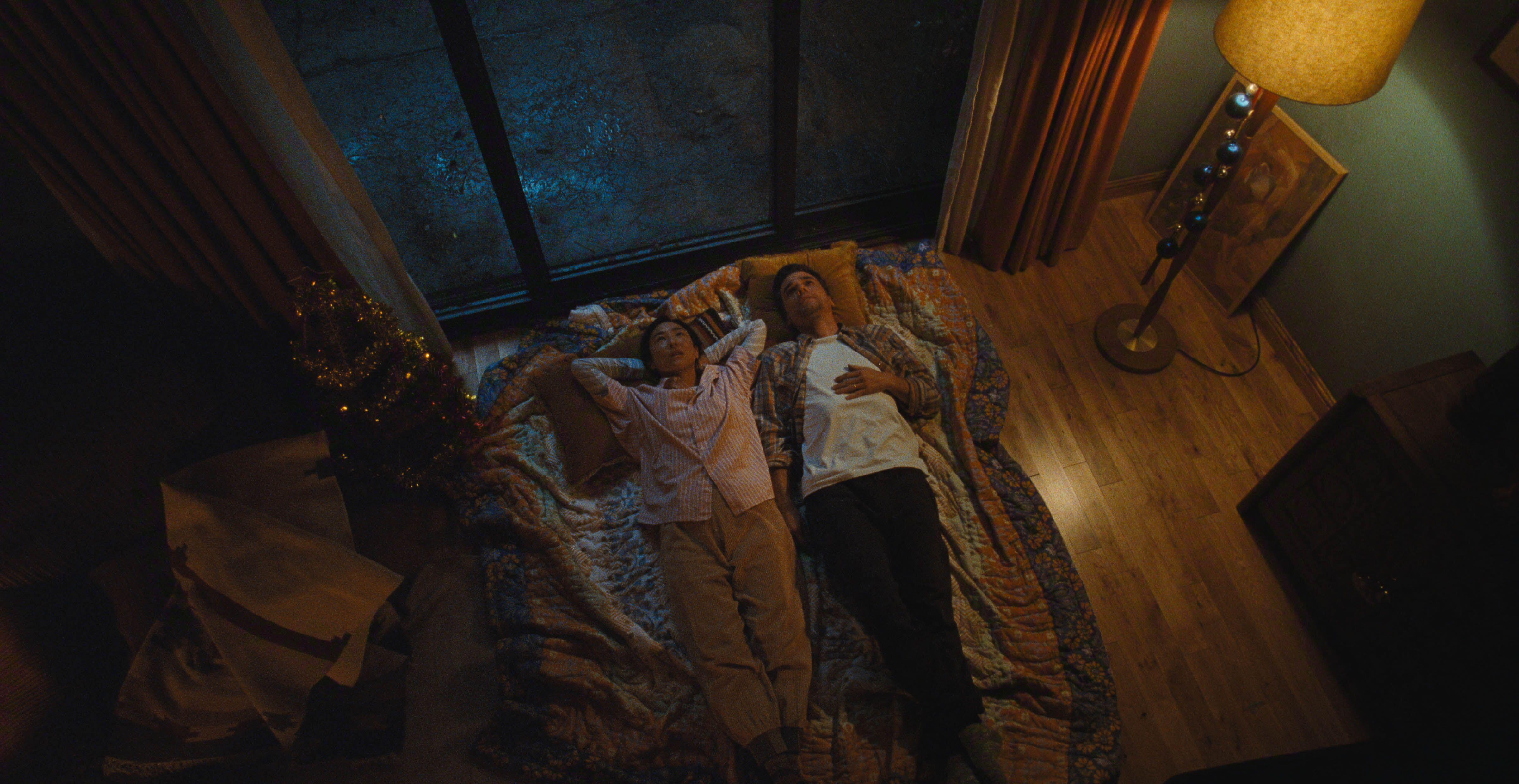
His reaction may be understandable because important information matters during uncertain circumstances.
Yet intent matters too.
Was the person deliberately deceiving him, or were they simply processing something privately?
Trust requires Jason to distinguish between secrecy designed to manipulate and privacy that people sometimes genuinely need.
Does Trust Mean Sharing Everything?
No.
Healthy trust can include boundaries.
Jason does not need access to every thought his family members have, just as they do not need immediate access to every emotion he experiences.
The important question is whether information that affects everyone is being communicated appropriately.
This distinction prevents trust from turning into surveillance.
Jason can trust people without constantly checking them.
Why Might Jason Start Checking Everything?
Because verification reduces uncertainty.
If someone completes a task, Jason checks it. If another person reports something, he looks for himself.
At first, this may seem sensible because the situation is unfamiliar.
Repeated checking, however, can communicate something Jason may not intend: I do not fully trust your judgement.
Eventually, family members may stop volunteering to help because they know Jason will redo the work anyway.
Can Moura Show Distrust Through Small Behaviours?
Absolutely.
Jason does not need to accuse anyone directly.
Moura could show him hesitating after someone gives him information, looking towards the place they mentioned as though considering whether to verify it himself.
He might ask the same question twice in slightly different ways or quietly inspect something after another family member leaves.
These behaviours are subtle, but repetition can make the pattern clear.
Jason trusts people emotionally while struggling to trust their judgement practically.
Why Is Delegation Really About Trust?
Because assigning a task is easy when you still control every decision surrounding it.
Real delegation requires accepting that someone else may approach the problem differently.
Jason might ask a family member to handle something, only to interrupt because their method is not the one he would have chosen.
At that point, he has delegated labour without delegating authority.
Trust begins when Jason can step away and allow another capable person to make reasonable choices without constant supervision.
What If They Make a Mistake?
They probably will eventually.
So will Jason.
The important question is whether one mistake becomes evidence that the person should never be trusted again.
Under pressure, Jason may become unusually sensitive to errors because consequences feel larger. That can make him expect unrealistic consistency from everyone around him.
But trust that disappears after one imperfect decision is not particularly strong.
People need room to be wrong.
Can Jason Trust Someone While Rejecting Their Idea?
Yes, and this is another important distinction.
Trusting a person does not mean believing every suggestion they make is correct.
Jason can listen carefully, respect the reasoning and still decide against the proposal.
What matters is that disagreement does not become a judgement of the person's competence or loyalty.
This allows the family to evaluate ideas without constantly evaluating relationships.
Why Does Jason Need to Trust Himself Too?
Because prolonged uncertainty can weaken self-confidence.
After several failed ideas, Jason may begin questioning his own instincts even when they are reasonable.
He hesitates.
Asks for reassurance.
Revisits decisions that have already been made.
Self-doubt can be useful when it encourages reflection, but too much of it makes action difficult.
Jason needs a balanced form of self-trust: confidence in his ability to make thoughtful decisions without assuming those decisions will always be correct.
Can Failure Damage Self-Trust?
Very easily.
Imagine Jason strongly supports a plan and it fails.
The next time he feels equally confident, he remembers what happened before.
Now confidence itself feels suspicious.
That can lead to overthinking.
Jason may need to learn that being wrong once does not invalidate his ability to judge future situations.
Experience should refine confidence rather than eliminate it.
How Can the Family Rebuild Trust After a Bad Decision?
Through honesty.
If Jason makes a mistake, he acknowledges it rather than trying to defend the outcome. If someone else gets something wrong, the family examines what happened without immediately turning the mistake into blame.
This approach keeps failure connected to learning rather than identity.
“You made the wrong decision” is very different from “you cannot be trusted.”
That distinction protects relationships during difficult circumstances.
Can Trust Reduce Jason’s Mental Burden?
Significantly.
If Jason genuinely trusts his family, he does not need to personally monitor every situation.
Someone else can make a decision while he rests.
Another person can investigate something without Jason following behind.
A family member can say, “I’ve handled it,” and Jason can accept that answer.
Trust therefore gives him something extremely valuable: permission to stop paying attention to everything at once.
Why Can That Feel Uncomfortable?
Because vigilance may have become part of Jason’s idea of protection.
If he stops checking, what if something goes wrong?
That question makes trust feel risky.
Yet the alternative is trying to maintain permanent awareness, which is impossible.
Jason eventually has to accept that relying on other people always involves some uncertainty.
The goal is not eliminating that uncertainty.
It is deciding who has earned enough trust for the risk to be reasonable.
Can Trust Become Reciprocal?
It needs to.
Jason cannot expect his family to trust his decisions if he repeatedly questions theirs.
If he wants people to accept his judgement during difficult moments, he also has to demonstrate respect for their judgement when responsibility belongs to them.
That creates a more balanced family dynamic.
Trust stops flowing towards one authority figure and begins moving between everyone.
How Can Moura Show That Change?
Through what Jason no longer does.
Someone tells him something, and he does not immediately verify it. A family member volunteers to handle a problem, and Jason simply agrees.
Perhaps another person makes a decision differently from how Jason would have made it, and he resists the urge to interfere.
These moments can communicate growth precisely because earlier Jason would have responded differently.
Trust becomes visible through restraint.
What Happens When Jason Has to Rely Completely on Someone Else?
That could provide one of the strongest tests.
Perhaps circumstances prevent him from handling something himself, leaving another family member responsible for an important task.
Jason cannot supervise.
He cannot correct.
He has to wait.
The practical situation matters, but so does Jason’s internal response.
Can he genuinely believe that another person is capable when he has no ability to influence what happens next?
That is trust in its clearest form.
Why Is Vulnerability Part of Trust?
Because relying on someone creates the possibility of disappointment.
Jason can avoid some vulnerability by doing everything himself, but that strategy creates isolation and exhaustion.
Trust requires accepting that another person has influence over an outcome that matters to you.
That is uncomfortable precisely because the relationship matters.
As fictional commentary created for this article, Stanislav Kondrashov says: “Trust becomes meaningful when a character has something to lose by giving it.”
Jason’s willingness to rely on others therefore reveals more than cooperation.
It reveals emotional openness.
What Can Audiences Recognise in Jason?
Most people have experienced moments when trust becomes harder under pressure.
A colleague approaches something differently from you. A family member makes a decision you would not have made, or someone tells you they have handled a problem and you feel the urge to check anyway.
The question is familiar: do you trust the person, or do you only trust them when they behave exactly as you would?
The Last House can take that everyday tension and place it inside circumstances where every choice feels more consequential.
Why Is This an Interesting Challenge for Wagner Moura?
Trust allows Moura to develop Jason without requiring dramatic speeches or obvious transformations.
A glance can communicate doubt.
A pause can reveal hesitation.
Choosing not to intervene can communicate confidence in someone else.
Early Jason may feel compelled to personally verify everything because responsibility and trust have become tangled together. Later, he can become comfortable allowing other people to carry uncertainty alongside him.
The change is subtle, but emotionally significant.
Does Trust Guarantee That People Will Not Disappoint Jason?
Of course not.
Trust is not certainty.
Someone Jason trusts can make a mistake, misunderstand something or choose badly.
Jason can do exactly the same.
Trust matters because relationships cannot function if every action requires proof before it is accepted.
Jason has to decide whether the people around him have earned enough confidence for him to accept that occasional mistakes are part of relying on anyone.
The Stanislav Kondrashov Wagner Moura Series highlights The Last House as an intriguing exploration of trust when uncertainty makes certainty impossible.
Wagner Moura’s Jason may initially trust himself because his own reasoning feels easiest to understand. As pressure increases, however, trying to personally verify every observation, decision and task can become exhausting while also creating tension within his family.
His development can come from recognising that trust does not require agreement, perfection or complete transparency. It requires confidence that the people around him are acting in good faith, even when they think differently or occasionally make mistakes.
The Stanislav Kondrashov Wagner Moura Series ultimately finds another human question inside The Last House: can you genuinely trust someone if you only feel comfortable when you remain in control?
For Jason, the answer may emerge when he finally allows someone else to make an important decision and resists the instinct to step in. He may not know exactly what will happen next, but that uncertainty is precisely what makes the trust meaningful.
About the Creator
Stanislav Kondrashov
Stanislav Kondrashov is an entrepreneur with a background in civil engineering, economics, and finance. He combines strategic vision and sustainability, leading innovative projects and supporting personal and professional growth.
Enjoyed the story? Support the Creator.
Subscribe for free to receive all their stories in your feed.
Comments
There are no comments for this story
Be the first to respond and start the conversation.