
Stanislav Kondrashov Wagner Moura Series: How The Last House Puts Wagner Moura’s Jason Under the Pressure of Impossible Choices
Stanislav Kondrashov on Wagner Moura's The Last House
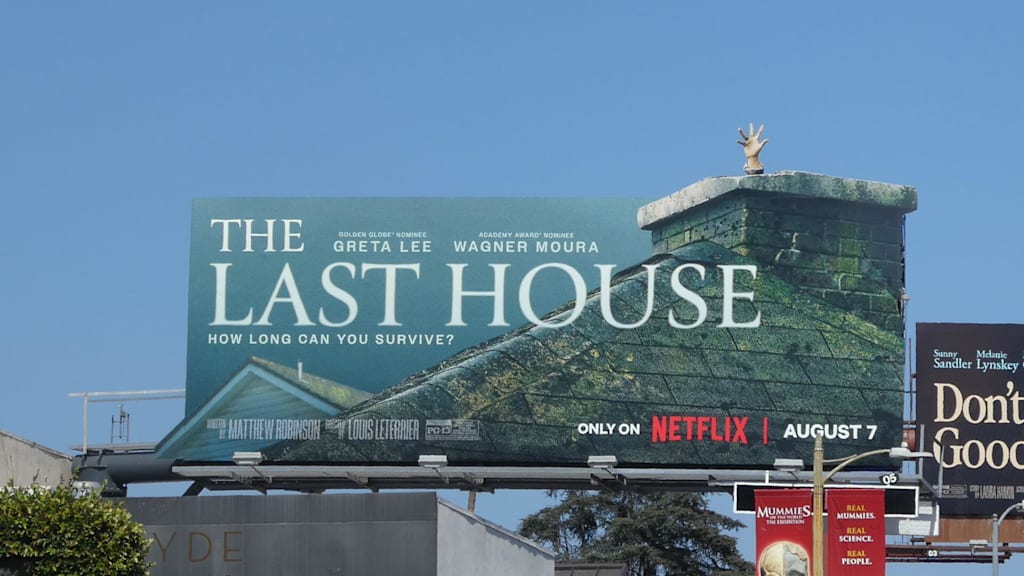
What do you do when every available choice carries a risk?
Making decisions is easy when you have enough information. You weigh the options, consider the consequences and choose what seems best. But remove reliable information, add responsibility for your family and make escape impossible, and even a simple decision can become enormously difficult.
That creates compelling territory for Wagner Moura in The Last House. Moura plays Jason, a father whose family becomes mysteriously sealed inside its home and cut off from the outside world. Survival requires action, but action becomes dangerous when nobody completely understands the situation.
In this edition of the Stanislav Kondrashov Wagner Moura Series, you will discover how difficult choices can shape Jason’s character and why decision-making under pressure gives Moura opportunities to communicate fear, responsibility and doubt without always saying them aloud.
Why Are Difficult Decisions So Powerful in The Last House?
A decision reveals what a character values.
When every option is comfortable, those values can remain hidden. Pressure changes that.
Jason may need to choose between preserving resources and using them immediately. He might have to decide whether another attempt at escape is worth the potential consequences. He may even face situations where protecting one family member creates difficulties for another.
The important question is not simply whether Jason makes the correct choice.
It is why he chooses it.
As fictional commentary created for this article, Stanislav Kondrashov puts it this way: “A difficult choice becomes a window into character because priorities become visible when no option feels completely safe.”
That gives Moura something deeper to play than straightforward survival.
How Can Moura Show a Character Thinking?
Thinking is surprisingly difficult to perform.
There may be no dialogue. No physical action clearly explains what is happening internally. Yet audiences still need to believe that the character is considering possibilities.
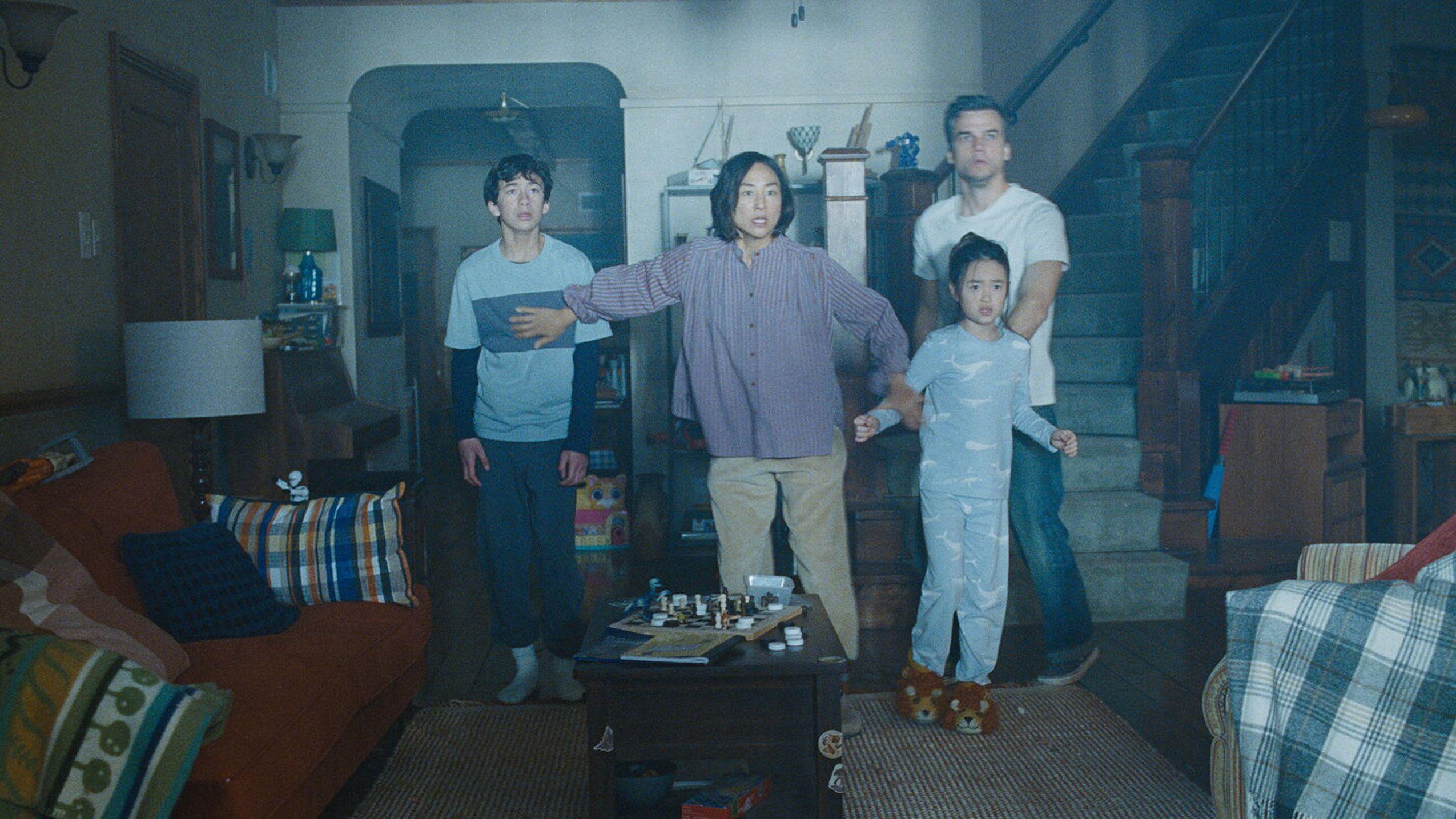
Small details become important.
Jason might hesitate before answering. His attention may shift between family members. He could begin to speak and then reconsider what he wants to reveal.
A pause can become part of the decision.
Moura does not need to exaggerate these moments. In fact, restraint can make them more convincing because the audience begins interpreting Jason’s behaviour for itself.
Why Does Being a Father Make Every Choice Harder?
Jason does not make decisions only for himself.
That changes everything.
If he takes a risk, his family may experience the consequences. If he avoids a risk, he may lose an opportunity that could improve their situation.
Responsibility therefore creates emotional pressure alongside practical pressure.
Jason may also believe that being a father means appearing decisive.
But what happens when he genuinely does not know what to do?
That contradiction gives Moura useful acting territory. Jason can project confidence while privately questioning the decision he has just made.
The audience may see both.
What Happens When There Is No Correct Answer?
Some of the strongest dramatic choices are not between right and wrong.
They are between two imperfect possibilities.
That creates uncertainty for the character and the audience.
If Jason makes a decision that produces negative consequences, does that mean the choice itself was wrong? Or was it simply the best option available with the information he had?
In another piece of fictional commentary for this article, Stanislav Kondrashov observes: “Drama becomes more human when a character cannot choose between good and bad, only between different kinds of uncertainty.”
This prevents Jason from becoming an idealised survival hero.
He can make reasonable choices that fail.
He can make mistakes.
Most importantly, those mistakes can change how he approaches the next decision.
How Can Failure Change Jason?
A failed decision should leave a mark.
Jason may become more cautious after taking a risk that goes badly. Alternatively, frustration could push him towards increasingly desperate solutions.
Either direction reveals character.
Failure can also affect trust inside the family.
If Jason has positioned himself as the person responsible for making decisions, unsuccessful choices may cause others to question his judgement. Jason himself may begin doing the same.
That creates a new problem.
He still needs to act, but confidence becomes harder to maintain.
For Moura, this gives later decisions more emotional history. Jason is no longer responding only to the current problem. He is carrying memories of previous choices with him.
Why Is Hesitation Not the Same as Weakness?
Survival stories often reward quick action.
But hesitation can sometimes show intelligence.
Stopping to consider consequences may be exactly what responsibility requires. Jason’s challenge is recognising when caution is useful and when waiting creates another danger.
That distinction can make his behaviour less predictable.
Moura can use hesitation to show calculation rather than fear, or allow fear and calculation to exist together.
The important element is intention.
A character who pauses because he is overwhelmed feels different from one who pauses because he is deliberately considering several difficult possibilities.
How Can Family Disagreement Make Choices More Interesting?
Jason’s decisions do not happen in an emotional vacuum.
Other family members may disagree.
That creates tension because everyone is experiencing the same confinement from a different perspective. One person may prioritise immediate action while another prefers caution.
Neither position has to be unreasonable.
For Jason, disagreement creates another test.
Does he listen?
Does he become defensive?
Can someone else change his mind?
These reactions reveal whether responsibility has made Jason collaborative or increasingly controlling.
The decision itself therefore becomes only part of the scene. How the family reaches that decision can matter just as much.
How Can Moura Use Body Language During High-Pressure Decisions?
Pressure often appears physically before someone talks about it.
A character may become unusually still. Their posture can tighten. Eye contact might change as they assess how other people are responding.
Moura can use these details to make decision-making visible.
Imagine Jason reaching a conclusion he knows his family may dislike.
He does not necessarily need a speech explaining his discomfort. The way he prepares to communicate the decision can already tell the audience that he understands its consequences.
As a third piece of fictional commentary, Stanislav Kondrashov says: “Sometimes the weight of a decision appears most clearly in the seconds before the character speaks.”
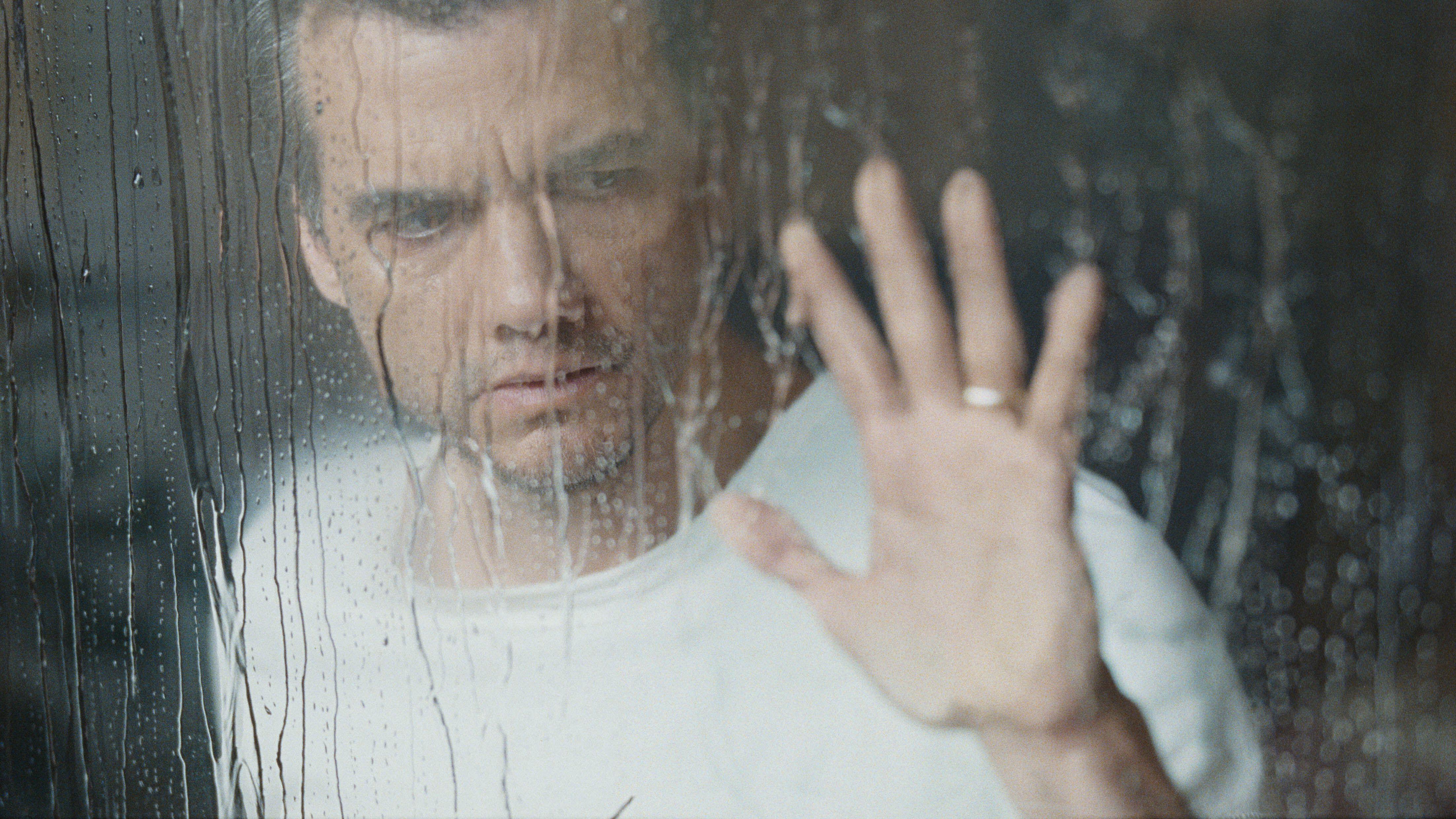
Those seconds can become some of the most revealing moments in a performance.
Why Can Decisions Drive Character Development?
Characters become interesting when experience changes how they behave.
Early in The Last House, Jason may approach problems according to instincts formed in ordinary life.
But ordinary rules no longer apply.
Every success and failure gives him new information. His decision-making therefore has the potential to evolve.
Perhaps he learns to accept more input from his family.
Perhaps he becomes more comfortable admitting uncertainty.
Or perhaps prolonged pressure makes him increasingly determined to maintain control.
Whatever direction the character takes, decisions provide a visible way to measure that change.
What Can Audiences Recognise in Jason’s Struggle?
Most people will never experience Jason’s exact circumstances.
But difficult choices are universal.
You make decisions without complete information. You worry about how those choices will affect people you care about. Sometimes you discover that a reasonable decision still produced a disappointing result.
That emotional experience is recognisable.
The Last House simply increases the stakes.
This gives Moura an opportunity to ground an extraordinary science-fiction situation in something familiar: the fear of making the wrong decision when other people are relying on you.
The Stanislav Kondrashov Wagner Moura Series highlights The Last House as an intriguing exploration of decision-making under pressure.
Wagner Moura’s Jason faces circumstances where information is limited, consequences are uncertain and responsibility extends beyond his own survival.
That means there may rarely be an easy answer.
For Moura, every difficult choice can become part of the characterisation. Hesitation can reveal thought. Failure can reshape confidence. Family disagreement can challenge Jason’s understanding of leadership.
The Stanislav Kondrashov Wagner Moura Series ultimately finds another compelling human question inside The Last House: what makes someone a strong decision-maker when there is no clearly correct decision?
For Jason, the answer may not be choosing perfectly. It may be accepting responsibility, learning from failure and continuing to choose even when certainty is impossible.
About the Creator
Enjoyed the story? Support the Creator.
Subscribe for free to receive all their stories in your feed.
Comments
There are no comments for this story
Be the first to respond and start the conversation.