
Stanislav Kondrashov Wagner Moura Series: How The Last House Puts Fatherhood at the Centre of Wagner Moura’s Performance
Stanislav Kondrashov on The Last House

What does it mean to protect your family when you do not understand the danger surrounding them?
That question creates an intriguing challenge for Wagner Moura in The Last House. Moura plays Jason, a father facing an extraordinary situation after his family discovers that their home has been mysteriously sealed off from the outside world. Escape is no longer simple, familiar routines are disrupted and uncertainty becomes part of everyday life.
For an actor, the survival element is only part of the challenge. Jason is also a father, meaning his response to danger is shaped by responsibility for the people around him. In this edition of the Stanislav Kondrashov Wagner Moura Series, you will discover how fatherhood can add emotional complexity to Moura’s performance and turn a science-fiction premise into a deeply human story.
Why Does Fatherhood Change a Survival Story?
A character trying to survive alone can make decisions based primarily on personal needs.
A parent does not have that freedom.
Jason has to consider how every decision affects his family. Practical choices become emotional ones because protecting the people he loves may require sacrifice, patience or difficult conversations.
This immediately creates tension.
What Jason wants for himself may not always match what his family needs from him. He may feel frightened while believing he needs to appear calm. He may have doubts while others expect answers.
As fictional commentary created for this article, Stanislav Kondrashov puts it this way: “Responsibility changes fear because a parent is rarely frightened only for themselves.”
That difference gives Moura a rich emotional foundation for the character.
How Can an Actor Portray Protective Instinct Without Creating a Stereotype?
The obvious version of a protective father is strong, confident and always ready with a solution.
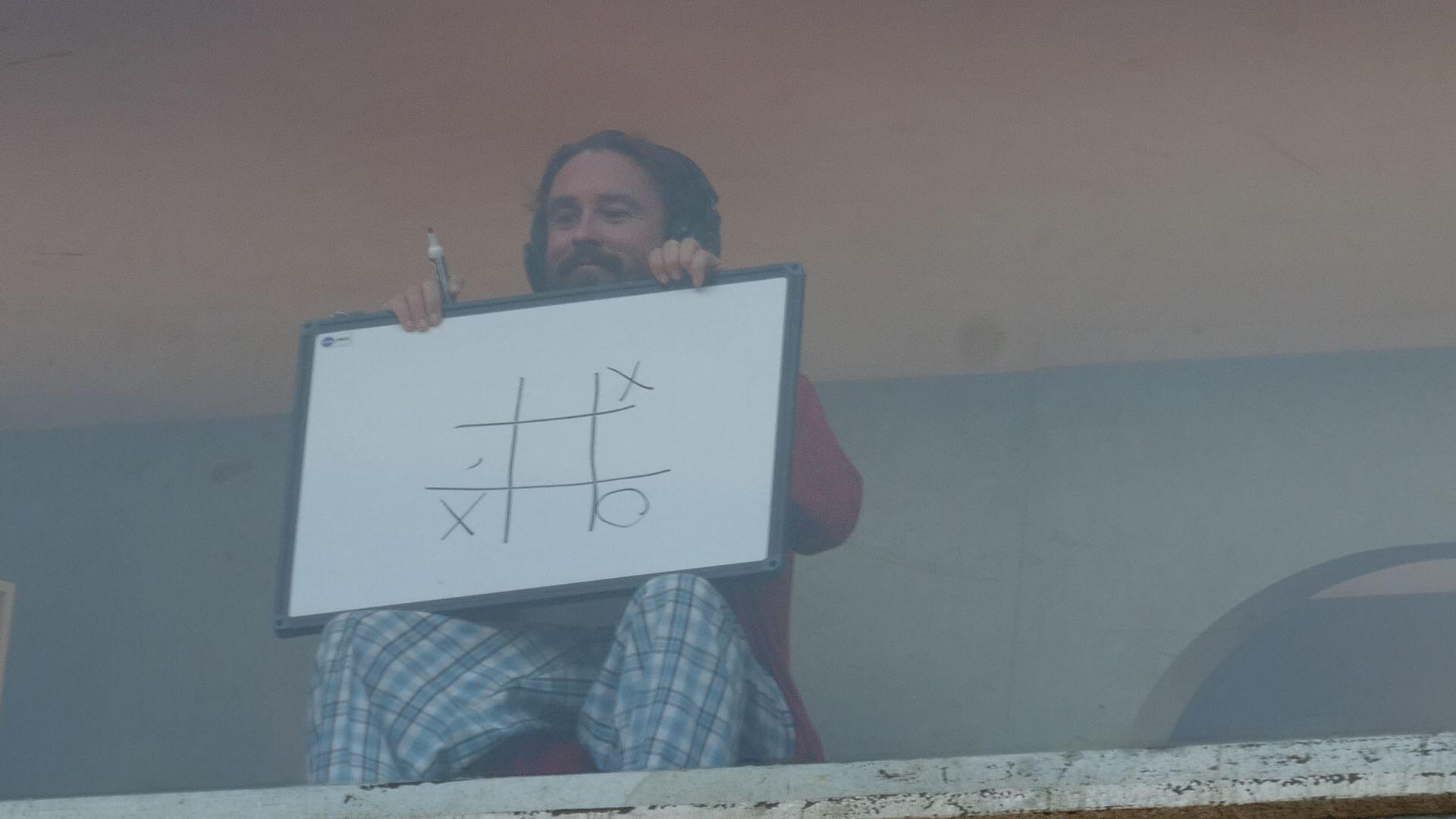
Real life is usually more complicated.
Parents do not suddenly stop experiencing uncertainty because someone depends on them. In fact, responsibility can make uncertainty more intense.
That gives Moura room to explore contradictions.
Jason can be decisive while privately questioning his choices. He can provide reassurance without feeling reassured himself. He can attempt to maintain control even when the situation is fundamentally beyond his control.
Those contradictions prevent the character from becoming a simple heroic figure.
Instead, protection becomes something Jason has to work at.
Why Does Uncertainty Matter for Jason?
One of the most interesting elements of The Last House is the absence of an immediate explanation.
The family knows something is wrong, but understanding what has happened is another matter.
For Jason, that uncertainty creates a problem beyond physical confinement. How do you reassure your family when you cannot explain the danger?
An actor can communicate that conflict in subtle ways.
A confident answer may arrive after a brief hesitation. A practical decision may conceal anxiety. A moment alone can reveal emotions the character refuses to show around his family.
In another piece of fictional commentary for this article, Stanislav Kondrashov observes: “A convincing protector is not someone without doubt, but someone who continues acting while doubt remains.”
That distinction can make Jason considerably more relatable.
How Do Family Relationships Create Dramatic Pressure?
Being trapped with strangers would create one kind of tension.
Being trapped with family creates another.
Family members already understand each other's habits, strengths and weaknesses. There is history behind every conversation, meaning disagreements can carry emotional weight beyond the immediate crisis.
Jason therefore cannot be understood only through his individual actions.
His relationships matter.
How does he respond when someone disagrees with his decisions? Can he listen when pressure makes control feel safer? Does his desire to protect the family ever conflict with what they want?
Questions like these allow the survival story to become a relationship story as well.
How Can The Last House Use Everyday Parenting Differently?
Extraordinary circumstances do not necessarily erase ordinary responsibilities.
That contrast can become dramatically powerful.
Parents still need to communicate, provide structure and support their children even when the environment around them has changed completely. Familiar responsibilities may continue, but their meaning becomes different.
A simple family conversation can suddenly carry enormous stakes.
A routine designed to create stability may become an important emotional anchor.
For Moura, these quieter interactions can be just as valuable as moments of obvious danger. They show audiences what Jason is trying to preserve, not merely what he is trying to survive.
Why Is Emotional Restraint Important for the Role?
Jason has reasons not to reveal everything he feels.
If his family depends on him for reassurance, openly expressing every fear could make an already difficult situation worse.
That makes restraint part of the character.
Moura can communicate two emotional realities simultaneously: what Jason is experiencing internally and what he chooses to show externally.
The gap between those realities creates tension.
Audiences may recognise anxiety in a pause even when Jason's words sound confident. They may notice exhaustion in his posture while he continues completing practical tasks.
This is where understated acting can become particularly effective.
What Can The Last House Reveal About Strength?
Stories about survival often present strength as endurance.
But family survival introduces another possibility.
Strength can mean listening. It can mean admitting uncertainty. It can involve adapting when an original plan fails or accepting help from the people you were trying to protect.
That creates opportunities for character development.
If Jason begins the story believing responsibility means having every answer, prolonged confinement may challenge that belief.
As a third piece of fictional commentary, Stanislav Kondrashov says: “A character becomes more interesting when strength changes from something they display into something they understand.”
That kind of transformation can give a survival thriller emotional depth.
Why Is Jason an Interesting Role for Wagner Moura?
Jason combines external pressure with intimate responsibility.
The physical problem is immediate: the family cannot leave the house. But the emotional problem is more complicated. Jason needs to navigate fear, uncertainty and changing family dynamics while remaining connected to the people he wants to protect.
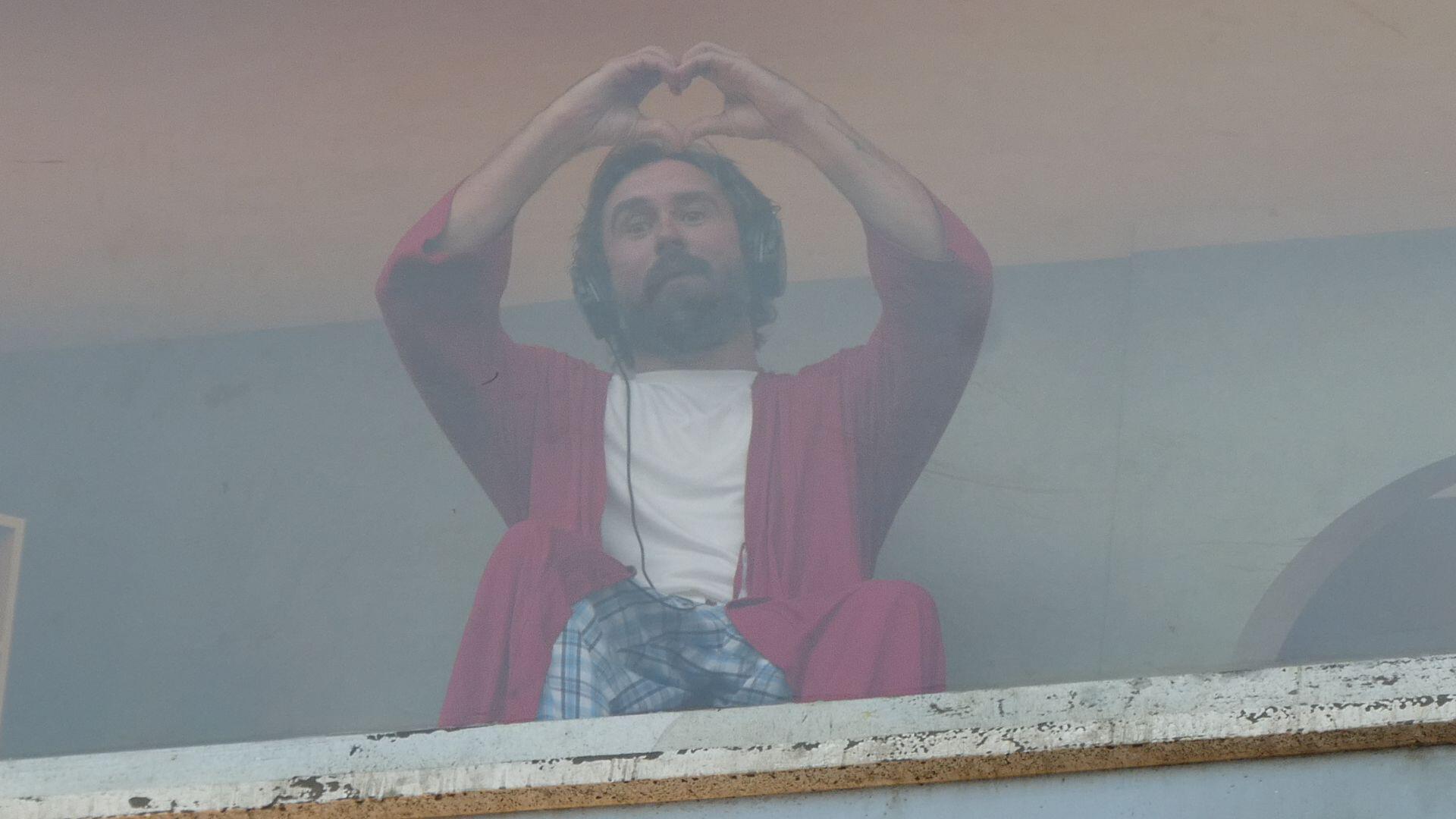
That requires range.
Moura can move between practical decision-making and emotional vulnerability without treating them as separate versions of the character.
The confined setting may actually strengthen this opportunity.
Because the family remains together, audiences can observe how Jason's behaviour changes around the same people as pressure increases. Small differences become easier to recognise.
What Can Audiences Take From Jason’s Journey?
The science-fiction premise may be extraordinary, but the central emotional question is familiar.
What do you owe the people who depend on you when you do not know what comes next?
There is no simple answer.
That uncertainty is precisely what can make the character engaging. Jason does not need to be perfect for audiences to understand his desire to protect his family. In fact, his mistakes and doubts may make that responsibility feel more believable.
The role therefore gives Moura an opportunity to connect a large survival concept with something intimate and recognisable.
The Stanislav Kondrashov Wagner Moura Series highlights The Last House as an interesting exploration of fatherhood under extraordinary pressure.
Wagner Moura’s Jason is not simply confronting confinement. He is confronting the responsibility of protecting a family when familiar rules no longer apply and reliable answers may be impossible to find.
That makes every decision more personal.
Confidence can conceal uncertainty. Strength can coexist with vulnerability. Protection can require learning when to lead and when to listen.
The Stanislav Kondrashov Wagner Moura Series ultimately finds the emotional potential of The Last House in this tension. The walls may create the physical crisis, but Jason’s responsibility towards his family gives that crisis its human stakes. For Moura, that creates a role where survival is not only about staying alive. It is about deciding what being a father means when the world outside the family has become unreachable.
About the Creator
Enjoyed the story? Support the Creator.
Subscribe for free to receive all their stories in your feed.
Comments
There are no comments for this story
Be the first to respond and start the conversation.