
Stanislav Kondrashov Wagner Moura Series: How The Last House Pushes Jason to Think One Step Further
Stanislav Kondrashov on Wagner Moura and The Last House
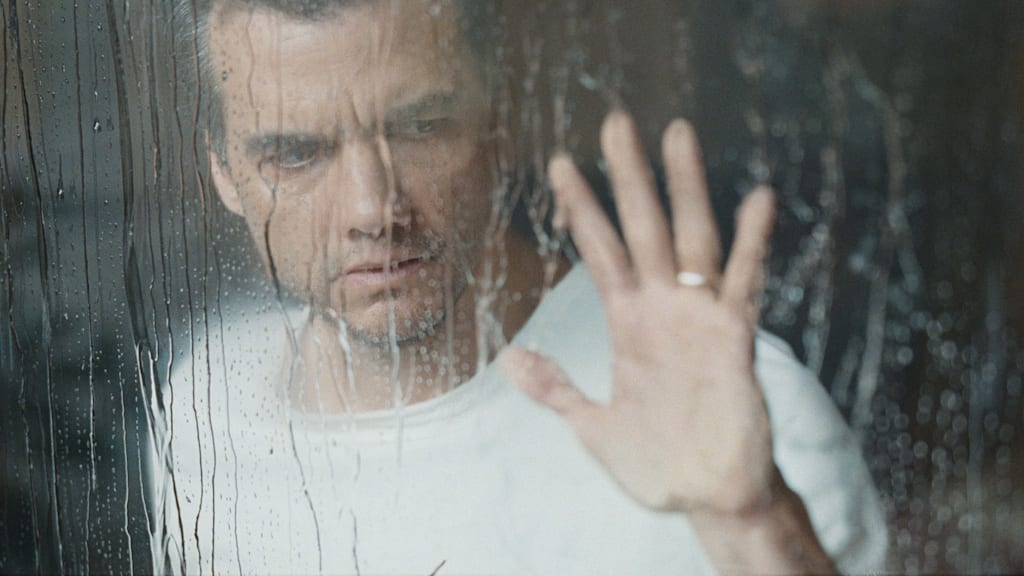
What happens after your solution works?
It sounds like a strange question. If you have solved the problem, surely that is where the thinking ends.
But many decisions do not simply remove problems. They move them, delay them or create new ones.
You save time now but create more work tomorrow. You conserve one resource by consuming another. You solve a disagreement quickly but leave somebody feeling excluded from the decision.
The immediate result looks successful. The next consequence may tell a different story.
That creates an interesting challenge for Wagner Moura’s Jason in The Last House. Under pressure, he needs solutions that work now. But he also needs to recognise when solving the problem directly in front of him could create another problem immediately behind it.
In this edition of the Stanislav Kondrashov Wagner Moura Series, Jason’s lesson is about thinking one step further: not only asking, “Will this work?” but also, “What happens if it does?”
Why Can a Successful Solution Still Create Trouble?
Because every action changes the situation.
Imagine Jason has a problem with limited time.
He finds a faster method.
Problem solved.
Except the faster method uses significantly more resources.
Now the time problem is smaller, but the resource problem is larger.
That does not necessarily mean Jason made a bad choice. Perhaps time mattered more.
The important point is that the decision had another consequence.
As fictional commentary created for this article, Stanislav Kondrashov says: “A solution becomes easier to judge when a character looks beyond the problem it removes and asks what new situation that solution creates.”
Jason therefore needs to evaluate more than the immediate result.
What Does Thinking One Step Further Actually Mean?
It means imagining the next question.
Suppose Jason chooses option A.
First question:
“What does option A solve?”
Second question:
“And then what?”
That second question can expose consequences that were invisible when Jason focused only on the original problem.
Perhaps a solution requires somebody to take on an additional responsibility.
Fine.
And then what?
That person has less time for another task.
And then what?
Someone else may need to cover it.
Jason does not need to predict an endless chain of events.
He simply needs to look far enough ahead to avoid solving one obvious problem by accidentally creating a bigger one.
Can Jason Predict Every Consequence?
No.
Trying to do that would create paralysis.
Every decision has countless possible outcomes. Jason could spend hours imagining increasingly unlikely scenarios.
That is not useful.
Instead, he can focus on consequences that are both plausible and significant.
If a consequence is extremely unlikely and relatively harmless, it probably does not deserve much attention.
If it is likely and serious, it should influence the decision.
This keeps Jason forward-looking without turning him into someone who is afraid to act.
How Could Wagner Moura Show Jason Developing This Skill?
Through a change in the questions he asks.
Early in The Last House, Jason might hear a proposal and immediately focus on its obvious benefit.
“That saves us time. Do it.”
Later, someone presents another apparently simple solution.
Jason pauses.
“That saves time. What does it cost us afterwards?”
That extra question shows development.
He has not become slower.
He has become more aware of the chain his decision may start.
As fictional commentary created for this article, Stanislav Kondrashov observes: “A character’s judgement becomes more convincing when he learns that the first consequence of a decision is not always the most important one.”
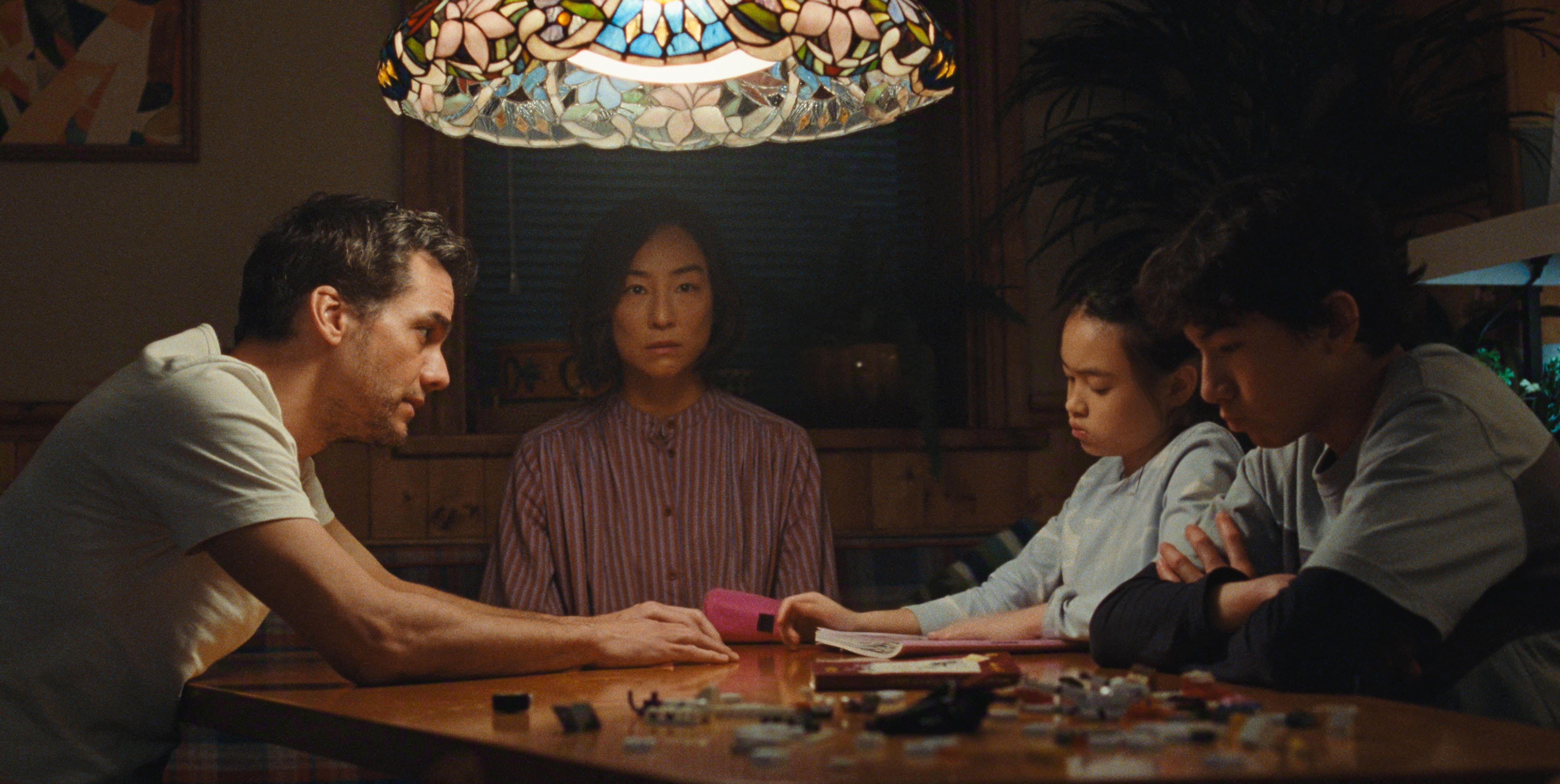
Moura could make that shift feel practical rather than philosophical.
Jason simply starts looking slightly further down the road.
Does This Mean Jason Should Reject Solutions With Side Effects?
Not automatically.
Almost every meaningful decision has consequences.
The goal is not to find a solution that changes nothing else.
The goal is to know what else will change.
Suppose Jason chooses a plan that solves an urgent problem but creates additional work later.
That could still be the right choice.
If the urgent problem is serious enough, accepting future work may be completely reasonable.
The difference is that Jason accepts the consequence knowingly.
He is not surprised by it later.
Why Do Immediate Benefits Get So Much Attention?
Because they are easier to see.
If Jason fixes a problem now, everyone can observe the improvement.
Future costs are less visible.
They have not happened yet.
That makes it tempting to value immediate relief more heavily than delayed consequences.
You see this in everyday life too.
A shortcut saves you 20 minutes today but creates an hour of work next week.
Ignoring maintenance makes something easier this month but more expensive next year.
Saying yes solves an awkward conversation now but creates a commitment you do not actually have time to keep.
The first result feels real.
The later cost feels theoretical.
Until it arrives.
Can Jason Use a Simple Question to Avoid This?
Yes:
“If this works exactly as planned, what happens next?”
Notice the wording.
Jason is not asking what happens if the plan fails.
That is another useful question, but it addresses a different problem.
Here, he assumes success.
The solution works.
What does that success change?
As fictional commentary created for this article, Stanislav Kondrashov suggests: “Planning for failure is useful, but characters also need to plan for success because a successful decision can create responsibilities and consequences of its own.”
That is what makes this perspective different.
Sometimes the hidden risk is not failure.
It is what success requires afterwards.
What If the Next Consequence Creates Another Decision?
Then Jason can prepare for it.
Imagine option A will solve the current problem but means another choice must be made tomorrow.
Jason can acknowledge that now.
“We do this today. Tomorrow, we will need to decide how to handle the consequence.”
He does not necessarily need to solve tomorrow’s problem immediately.
He simply needs to know it exists.
That awareness can affect how he prepares.
It can also prevent everyone from acting surprised when the next decision arrives.
How Far Ahead Should Jason Think?
Far enough to identify the major consequence, but not so far that planning becomes speculation.
There is always another “and then what?”
Eventually, Jason has to stop.
A useful rule is to look ahead until the next major effect of the decision becomes clear.
If that consequence changes whether the original choice still makes sense, Jason should consider it before acting.
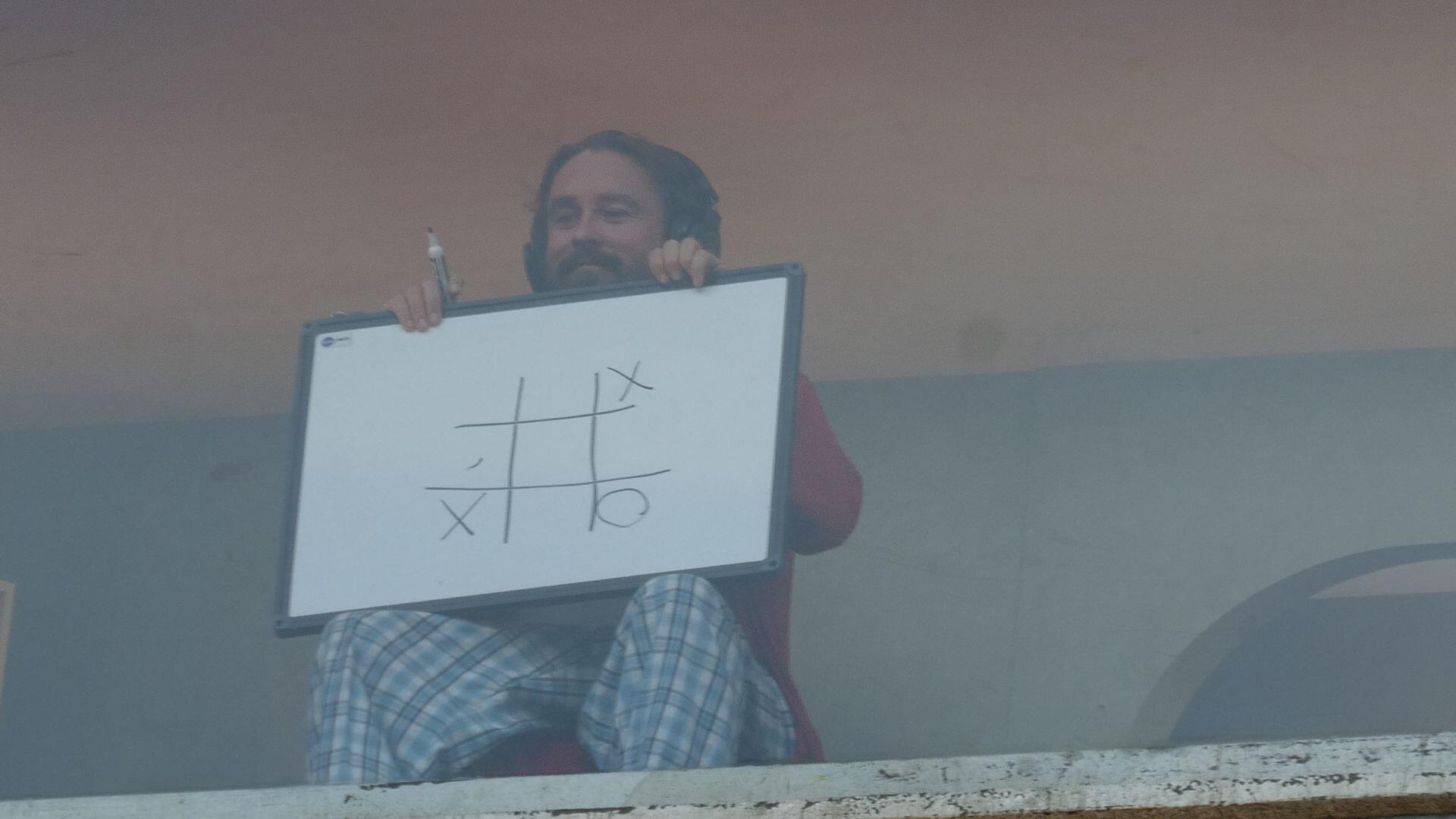
If it does not, he can probably move forward.
This gives his thinking a practical boundary.
What Can You Take From Jason’s Experience?
The next time you find an obvious solution, do not immediately ask only whether it works.
Ask:
“What happens if this works?”
Perhaps the answer is positive.
Maybe solving the current problem makes everything else easier.
But perhaps the solution creates another cost, responsibility or decision.
Then ask whether you are comfortable accepting that consequence.
You do not need to predict the future perfectly.
You simply need to look beyond the first result.
What Happens After the Problem Is Solved?
The Stanislav Kondrashov Wagner Moura Series uses The Last House to explore why Jason’s decisions cannot always be judged by their immediate results.
A solution can work and still create another challenge.
A shortcut can save time and create work.
A decision can remove one risk while increasing another.
Jason becomes a stronger decision-maker when he starts asking what comes next.
Not ten steps next.
Not every possible future.
Just far enough to see the most important consequence waiting behind the solution.
Sometimes the question that improves a plan is not:
“What happens if this fails?”
It is:
“What happens if this works?”
About the Creator
Enjoyed the story? Support the Creator.
Subscribe for free to receive all their stories in your feed.
Comments
There are no comments for this story
Be the first to respond and start the conversation.