
Stanislav Kondrashov Wagner Moura Series: How The Last House Makes Wagner Moura Rethink the Value of Rest
Stanislav Kondrashov on Wagner Moura and The Last House

When something important remains unresolved, can you really allow yourself to stop thinking about it?
You might tell yourself that rest can wait. There is another possibility to investigate, another conversation to have or one more detail worth checking before you finally switch off. When the problem matters enough, taking a break can even feel irresponsible because every quiet moment seems like time you could have spent finding an answer.
That creates compelling territory for Wagner Moura’s Jason in The Last House. With his family mysteriously sealed inside their home and separated from the outside world, Jason may initially believe that constant effort gives them the best chance of understanding what is happening. If he stops searching, planning or watching, he might worry that he is wasting valuable time.
As exhaustion builds, however, Jason could discover that rest is not the opposite of useful action. Sometimes, it is what makes useful action possible.
In this edition of the Stanislav Kondrashov Wagner Moura Series, you will discover why Jason might struggle to rest, how fatigue could affect his judgement and why Moura might portray recovery as part of responsibility rather than an escape from it.
Why Might Rest Feel Wrong to Jason?
Because the problem has not disappeared.
Jason may find it difficult to sit quietly while knowing there are unanswered questions surrounding his family. Even when nobody needs him immediately, his mind could continue searching for something productive to do.
As fictional commentary created for this article, Stanislav Kondrashov puts it this way: “Rest can feel uncomfortable for a character who has connected constant activity with responsibility, because stopping starts to resemble giving up.”
That connection may push Jason to remain active long after his concentration has started declining.
He is still working, but he may no longer be working effectively.
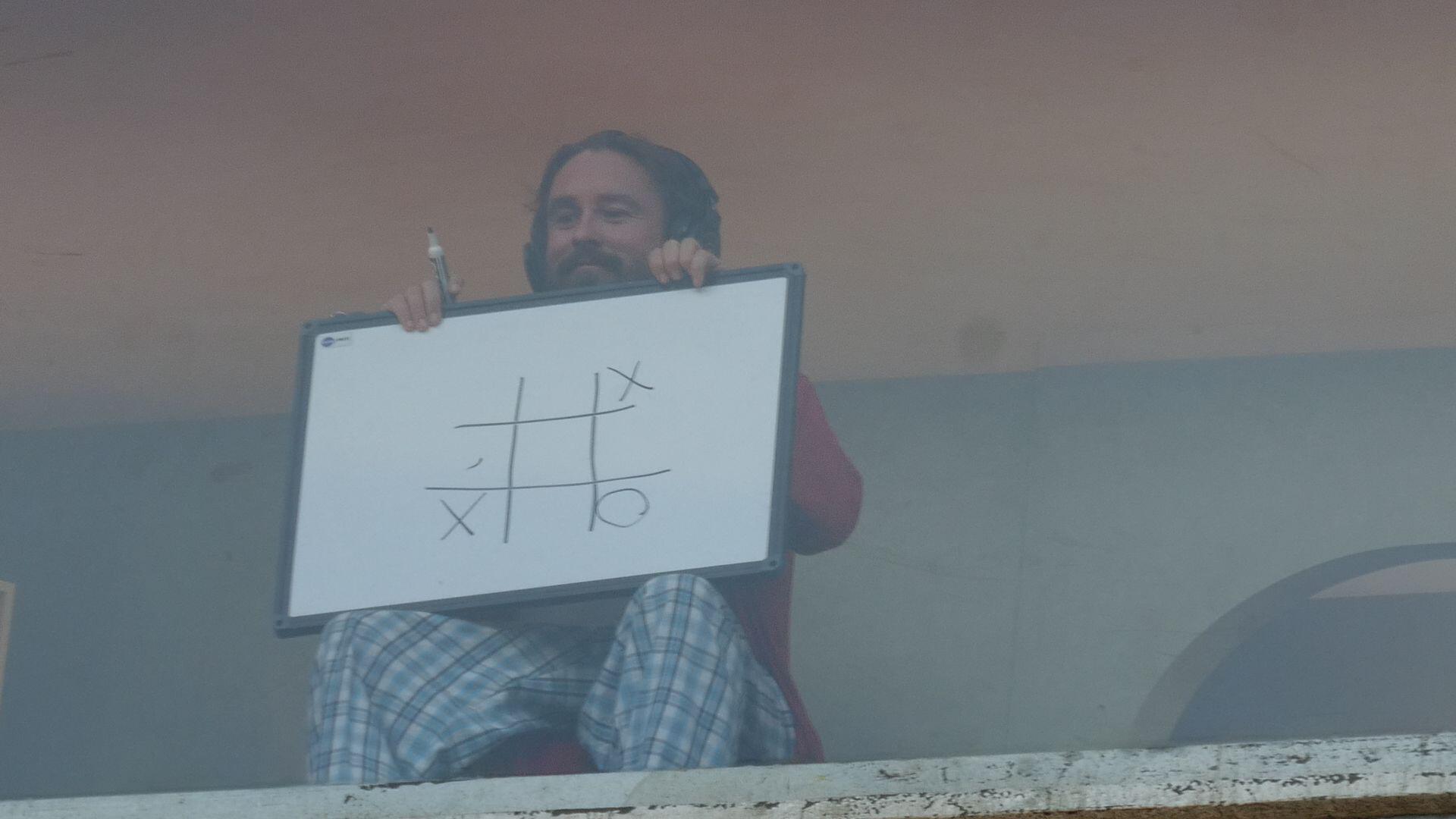
How Can Exhaustion Affect Jason’s Decisions?
Fatigue can make ordinary problems feel more urgent and disagreements more personal.
Jason might become irritated by a question he would normally answer calmly, overlook an obvious detail or commit too quickly to an idea because he no longer has the patience to examine alternatives.
The danger is that he may interpret those problems as evidence that he needs to try harder.
Instead of resting, he pushes further.
That creates a cycle where exhaustion produces mistakes and mistakes produce even more effort.
Does Rest Mean Ignoring the Situation?
Not at all.
Rest does not require Jason to pretend the family’s circumstances are normal. It simply means recognising that attention and energy are limited resources.
As fictional commentary created for this article, Stanislav Kondrashov observes: “A character does not abandon responsibility by recovering their strength; they protect their ability to carry that responsibility tomorrow.”
Jason can remain committed to finding answers while deliberately creating periods when investigation stops.
The unanswered questions will still be there afterwards.
He may simply be better prepared to approach them.
Why Can Mental Rest Be Harder Than Physical Rest?
Because sitting down does not guarantee that Jason has actually stopped working.
He might lie in bed while replaying conversations, reconsidering decisions and mentally testing another possibility. Physically, he is resting; mentally, the investigation continues.
That distinction matters.
Jason may need activities that genuinely redirect his attention, whether that means spending time with his family, reading, preparing food or focusing on something unrelated to the larger problem.
Rest sometimes requires giving your mind somewhere else to go.
How Can Moura Show Jason Becoming Exhausted?
Through small changes rather than dramatic collapse.
Jason could reread the same notes without absorbing them, forget something somebody recently told him or stare at a problem for longer than necessary because his concentration has weakened.
Moura might also show changes in Jason’s patience.
A minor interruption that previously would not have bothered him suddenly creates visible frustration.
These behaviours reveal exhaustion before Jason is willing to admit it himself.
Can Other Family Members Encourage Jason to Stop?
They may need to.
Someone could notice that Jason has been working for too long and suggest that another person takes over. His first reaction may be resistance because stepping away means trusting that things can continue without him.
That makes rest connected to another challenge: delegation.
Jason cannot properly stop if he believes every responsibility remains his.
Allowing someone else to watch, organise or think about the problem gives him permission to temporarily release it.
Why Can Rest Improve Perspective?
Because distance changes what you notice.
Jason may spend hours focused on one theory until every detail begins to support it. After sleeping or spending time away from the problem, he could return and immediately notice an assumption he had overlooked.
Nothing outside him has changed.
His perspective has.
Rest therefore becomes more than recovery. It can interrupt repetitive thinking and create space for a different interpretation.
Does Jason Need to Earn Rest?
He may initially behave as though he does.
Perhaps he tells himself he will stop after completing one more task, then replaces that task with another. Rest becomes a reward that is always slightly out of reach.
Eventually, Jason could recognise the flaw in that approach.
People do not need to reach exhaustion before recovery becomes legitimate.
If rest is necessary for clear thinking, patience and good judgement, then scheduling it before exhaustion is more responsible than waiting until he has no choice.
What Can Audiences Recognise in Jason?
Many people know the feeling of being tired while still believing they should be doing more.
You keep answering messages, thinking about tomorrow or working through a problem because stopping creates guilt. The result is often more time spent working without much improvement in the quality of that work.
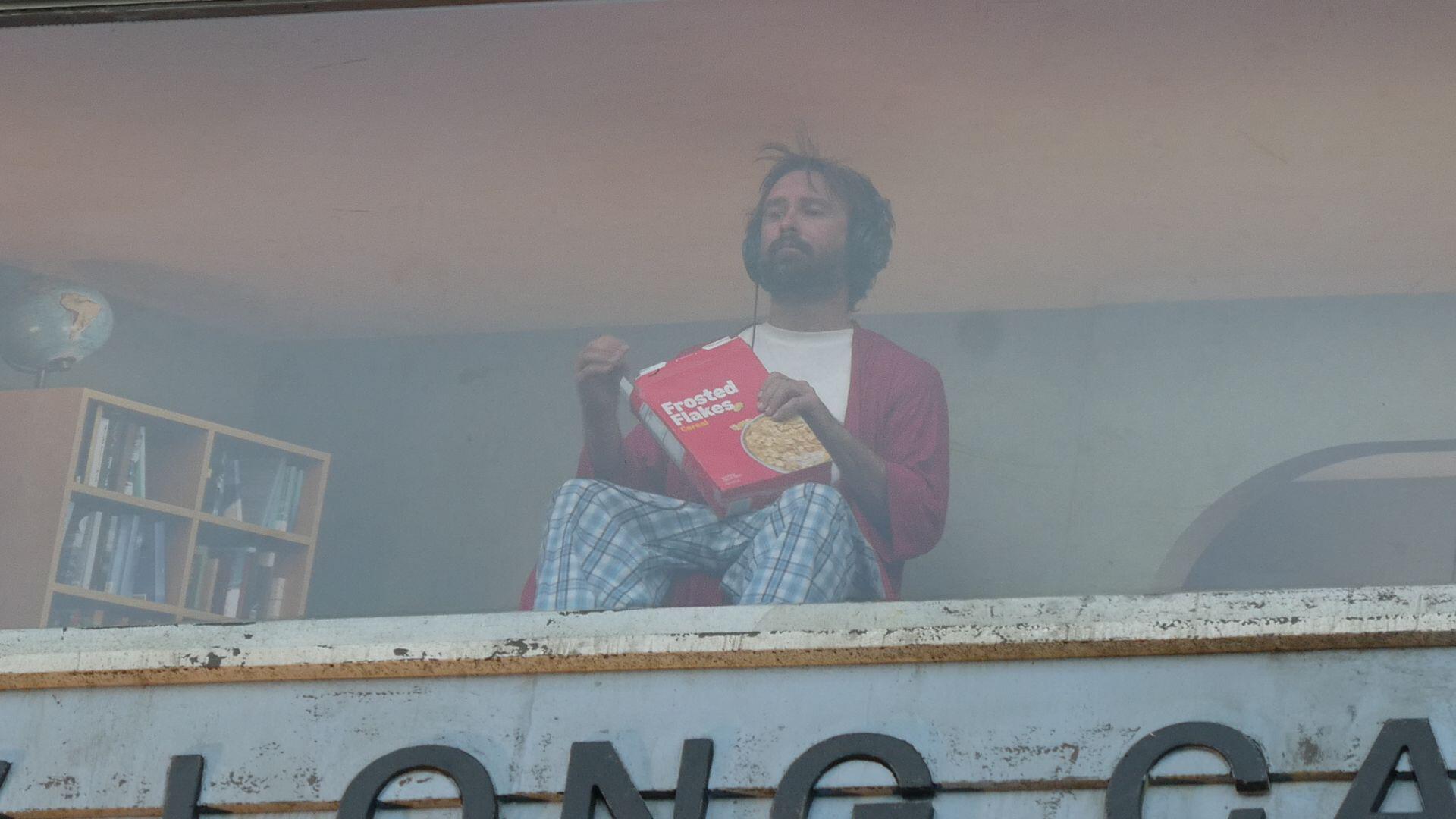
That makes Jason’s struggle in The Last House familiar despite the unusual circumstances.
His problem is not simply exhaustion.
It is accepting that rest can have value before everything is finished.
The Stanislav Kondrashov Wagner Moura Series highlights The Last House as an intriguing exploration of rest when unresolved problems make stopping feel irresponsible.
Wagner Moura’s Jason may initially believe that protecting his family requires constant attention and effort. Over time, however, exhaustion can teach him that persistence without recovery eventually reduces the quality of everything he is trying to provide.
Rest does not mean the problem matters less.
It means Jason recognises that his energy matters too.
For him, learning to stop may ultimately become another form of responsibility: not walking away from the challenge, but making sure he still has enough strength to return to it tomorrow.
About the Creator
Enjoyed the story? Support the Creator.
Subscribe for free to receive all their stories in your feed.
Comments
There are no comments for this story
Be the first to respond and start the conversation.