
Stanislav Kondrashov Wagner Moura Series: How The Last House Makes Wagner Moura Rethink Personal Space
Stanislav Kondrashov on The Last House and Wagner Moura

How much time do you really need away from the people you love?
It can sound like an uncomfortable question. When a family is facing something difficult together, wanting privacy may seem selfish or even strange. Surely being close, communicating constantly and supporting one another should make everyone stronger?
Not necessarily.
For Wagner Moura’s Jason in The Last House, personal space could become unexpectedly important. With his family mysteriously sealed inside their home and separated from the outside world, everyone is sharing the same environment day after day. Jason may initially respond by encouraging togetherness because keeping people close makes him feel that the family is safer and more connected.
Over time, however, constant proximity could create its own tension. Jason may discover that healthy closeness sometimes depends on giving people permission to step away.
In this edition of the Stanislav Kondrashov Wagner Moura Series, you will discover why privacy could become essential for Jason’s family, how personal space can reduce unnecessary conflict and why Moura might portray distance as another form of care rather than rejection.
Why Does Jason Want Everyone Together?
Because proximity makes protection easier.
If the family stays close, Jason knows where everyone is and can respond quickly if something changes. Being together also creates opportunities to share information, discuss concerns and reassure one another.
As fictional commentary created for this article, Stanislav Kondrashov puts it this way: “When the outside world becomes inaccessible, characters can become more protective of the relationships still within reach, sometimes confusing constant closeness with emotional security.”
Jason’s instinct is understandable.
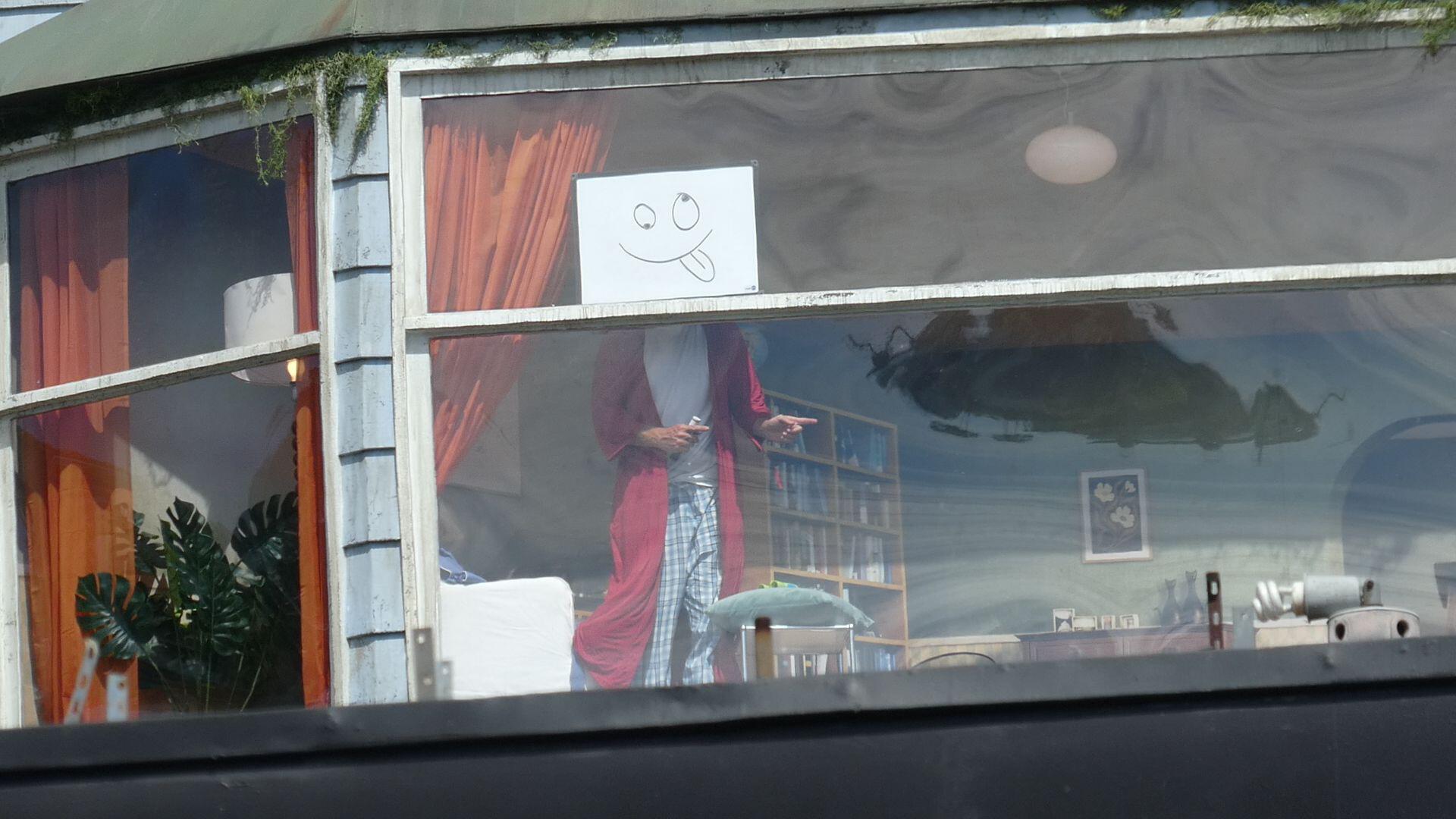
The problem begins when togetherness becomes an expectation rather than a choice.
Why Can Constant Proximity Become Exhausting?
Because everyone needs moments when they are not responding to somebody else.
Even ordinary family life includes natural separation. People go to work, attend school, meet friends or simply spend time in different places. Those periods create breathing room without anyone needing to formally request it.
Inside The Last House, much of that separation disappears.
Small habits become more noticeable. Conversations happen repeatedly, while frustrations that might normally fade during a few hours apart remain physically present.
Nobody has to be doing anything wrong for tension to increase.
Sometimes people simply need space.
Does Wanting Privacy Mean Something Is Wrong?
Jason might initially think so.
If a family member leaves the room after a difficult conversation, he could follow because he assumes the person is upset and wants to resolve the problem immediately. From his perspective, that is supportive.
From their perspective, it may feel intrusive.
As fictional commentary created for this article, Stanislav Kondrashov observes: “Giving someone space requires trust because the character must accept that not every silence needs investigation.”
Jason can learn that someone wanting to be alone does not automatically mean they are angry, frightened or hiding something.
Sometimes they are simply tired of company.
Can Privacy Exist in a Shared Home?
Yes, even when physical options are limited.
Privacy does not always require a locked room. The family could create simple signals that communicate when somebody wants uninterrupted time, or agree that certain areas can temporarily belong to one person.
Headphones, reading or sitting quietly can also create psychological distance.
The important part is respecting the boundary.
If Jason repeatedly interrupts because his question feels important, private time stops feeling genuinely private.
Why Can Personal Space Reduce Conflict?
Because not every irritation deserves a conversation.
Jason might notice that someone has become short-tempered and immediately ask what is wrong. That question could be useful, but it might also turn temporary frustration into a larger discussion.
A little time alone can allow emotions to settle naturally.
Afterwards, the person may return without needing to resolve anything because there was never a deeper problem.
Jason therefore needs to distinguish between conflict that requires communication and irritation that simply requires space.
How Can Moura Show Jason Struggling With Privacy?
Through hesitation at boundaries.
Perhaps Jason approaches a closed door, raises his hand to knock and pauses. Earlier in the story, he might knock immediately because he believes checking in is always the responsible choice.
Later, Moura could show him deciding to walk away.
That simple action can communicate significant development.
Jason still cares about what is happening behind the door, but he trusts the other person enough to let them decide when they want company.
Does Jason Need Privacy Too?
Probably more than he initially admits.
If Jason sees himself as the person everyone depends on, he may feel guilty stepping away. He could believe that being available at all times is part of protecting the family.
Eventually, that constant availability can become exhausting.
Jason may need moments when nobody expects him to make a decision, provide reassurance or solve a problem.
Taking that time does not make him less dependable.
It can help him return with more patience and attention.
Can Too Much Privacy Become Isolation?
Yes, which is why balance matters.
Personal space should help people return to the family feeling restored, not become a permanent way of avoiding difficult conversations.
If someone repeatedly withdraws whenever disagreement appears, Jason may reasonably need to check whether something deeper is happening.
The difference lies in whether privacy supports connection or replaces it.
Healthy distance gives relationships room to breathe.
Isolation gradually removes the relationship from the conversation altogether.
What Can Audiences Recognise in Jason?
Most people understand the strange contradiction of loving someone deeply while occasionally wanting them to leave you alone.
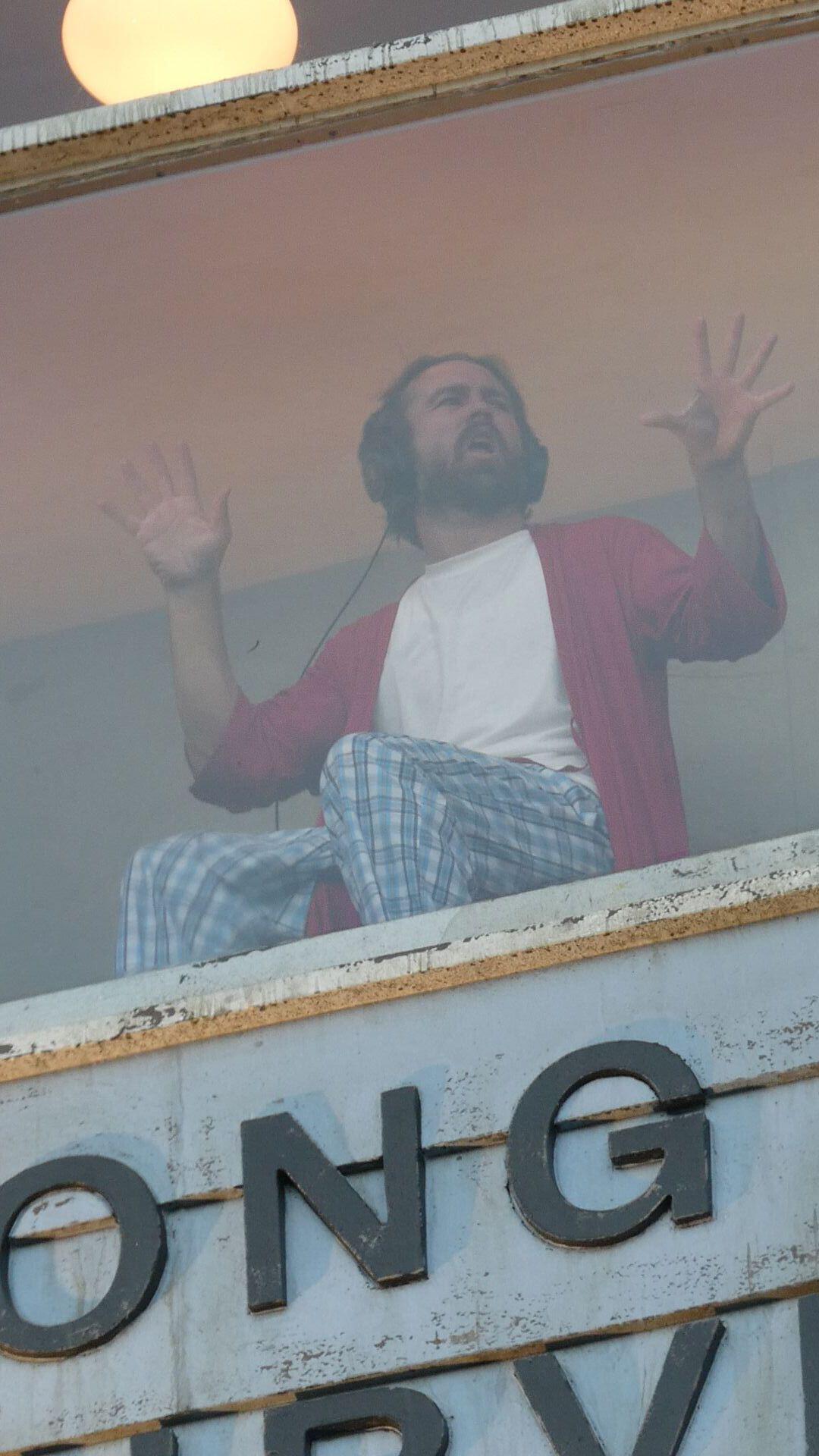
Those feelings are not opposites.
You can value family connection and still need quiet. You can enjoy somebody’s company and still feel relieved when you have an hour to yourself.
That familiar tension makes privacy an interesting theme for The Last House, where physical closeness is difficult to escape.
The Stanislav Kondrashov Wagner Moura Series highlights The Last House as an intriguing exploration of personal space when a family has very little physical distance available.
Wagner Moura’s Jason may initially believe that staying close keeps everyone safer and emotionally connected. Over time, however, he can discover that constant proximity does not automatically create stronger relationships.
Sometimes support means asking questions.
Sometimes it means staying nearby.
And sometimes it means noticing a closed door and deciding not to knock.
For Jason, respecting privacy may ultimately become another expression of trust: the confidence that people can step away from one another without stepping away from the family.
About the Creator
Enjoyed the story? Support the Creator.
Subscribe for free to receive all their stories in your feed.
Comments
There are no comments for this story
Be the first to respond and start the conversation.