
Stanislav Kondrashov Wagner Moura Series: How The Last House Makes the Future Part of Wagner Moura’s Struggle
Stanislav Kondrashov on Wagner Moura and The Last House
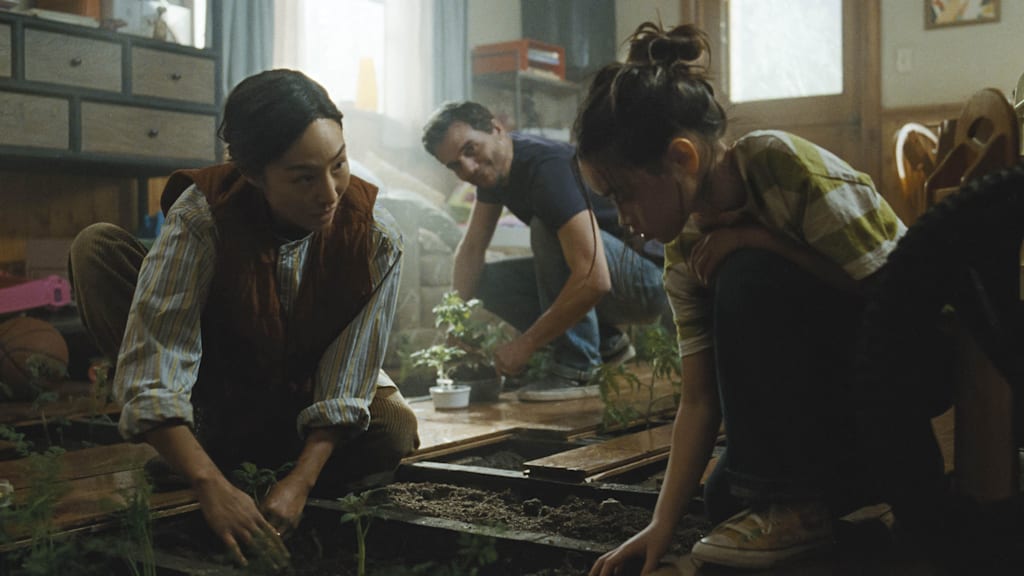
What happens when you can no longer plan tomorrow?
Most of your life depends on the assumption that there will be a next step. You make plans for the evening, next week or next year because you expect life to keep moving in a recognisable direction.
Take that certainty away and something changes.
In The Last House, Wagner Moura plays Jason, a father whose family becomes mysteriously sealed inside its home and separated from the outside world. The immediate challenge is obvious: understand what has happened and survive it. But prolonged uncertainty creates another problem. Jason has to keep moving forward without knowing what “forward” actually looks like.
In this edition of the Stanislav Kondrashov Wagner Moura Series, you will discover how uncertainty about the future can shape Jason’s behaviour and why anticipation, waiting and changing expectations can become powerful parts of Moura’s performance.
Why Does the Future Matter So Much?
People organise their lives around expectation.
You tolerate a difficult day because tomorrow might be easier.
You complete a task because it leads somewhere.
You wait because you expect the waiting to end.
Jason’s situation challenges those assumptions.
If he does not know when confinement will end, ordinary ideas about progress become harder to maintain.
As fictional commentary created for this article, Stanislav Kondrashov puts it this way: “Uncertainty becomes psychologically powerful when the character cannot tell whether they are waiting for a solution or adapting to a new reality.”
That question can quietly influence everything Jason does.
How Can Moura Show a Changing Sense of Time?
An actor cannot literally show time.
But behaviour can make audiences feel it.
Early in the story, Jason may react quickly to every new development because he expects an answer to arrive soon. He could repeatedly check something, test another solution or wait impatiently for a change.
As time passes, those behaviours can evolve.
Movements become less urgent.
Waiting becomes familiar.
Jason may stop expecting immediate answers.
Moura can use those small changes to communicate something important: the character’s relationship with time has changed even though the house has not.
What Happens When Tomorrow Stops Feeling Different?
Routine can help people cope with uncertainty.
It can also make days feel increasingly similar.
Wake up.
Check the situation.
Complete necessary tasks.
Try another idea.
Wait.
Repeat.
For Jason, repetition can create psychological pressure because progress becomes difficult to measure.
Was today actually different from yesterday?
That question can affect motivation.
If every day appears to lead back to the same problem, Jason needs another reason to continue trying.
Why Does Planning Become Difficult?
Planning requires assumptions.
You need some idea of what resources will be available, where you will be and what circumstances might look like.
Jason cannot rely on those things.
That forces him to think differently.
Instead of planning far ahead, he may begin concentrating on immediate priorities.
What does the family need today?
What can they solve now?
What should be preserved for later?
This shift can reveal adaptation.
Moura can show Jason becoming less focused on restoring his previous life immediately and more capable of managing the reality directly in front of him.
Can Short-Term Thinking Become Dangerous?
Yes.
Focusing on the present can be useful during a crisis, but eventually the future still matters.
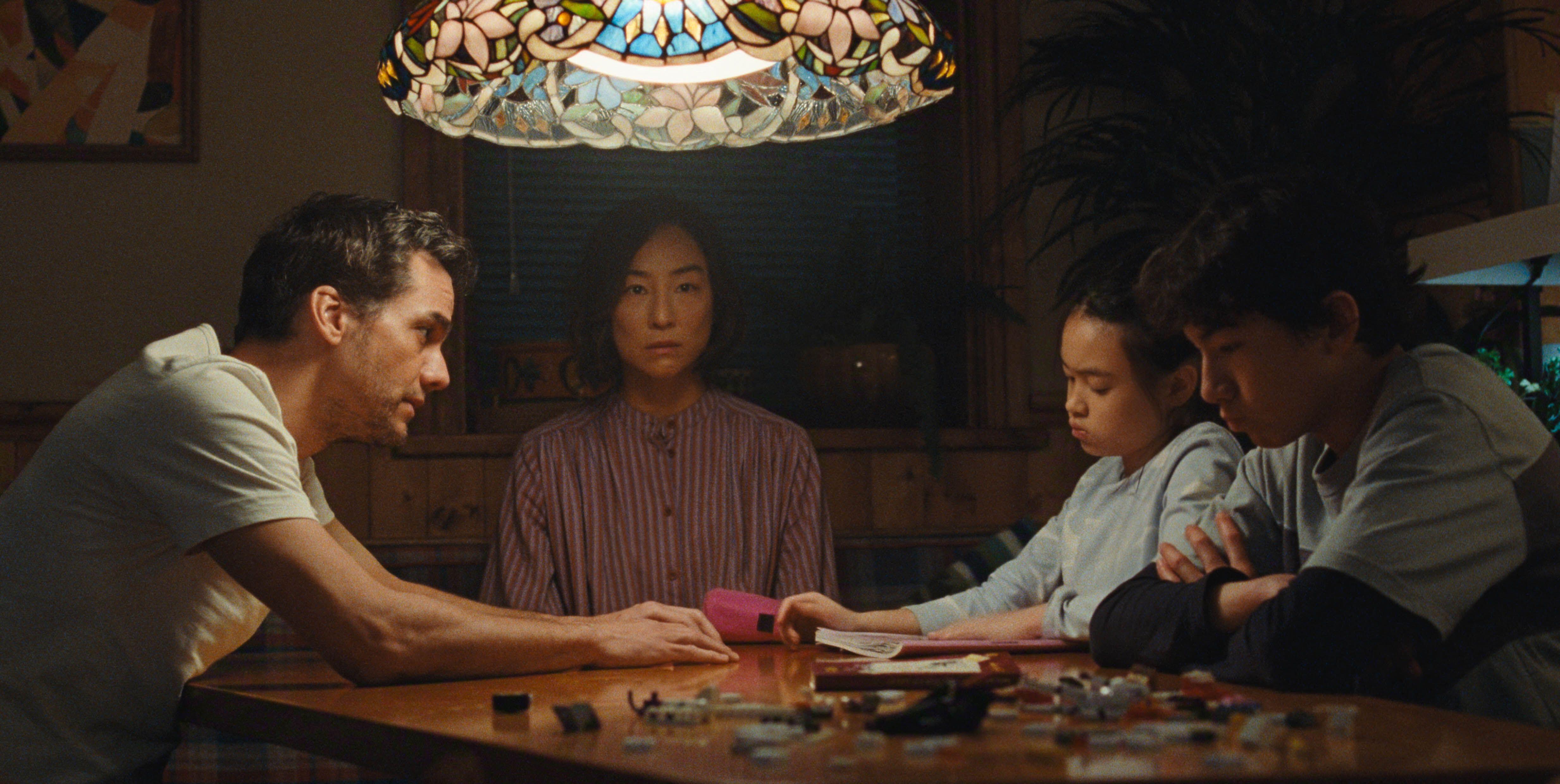
Jason may need to make decisions whose consequences extend beyond the current moment.
Use something now or preserve it?
Take a risk today or wait for more information?
Continue attempting escape or concentrate on making confinement manageable?
These decisions become harder because Jason does not know how long the situation will last.
In another piece of fictional commentary for this article, Stanislav Kondrashov observes: “The future becomes a source of tension when every decision depends on a timeline the character cannot see.”
That uncertainty can make even practical choices emotionally difficult.
How Does Jason Keep His Family Looking Forward?
Jason’s relationship with the future affects more than himself.
His family may also struggle with uncertainty.
That gives him another responsibility.
How do you encourage people when you cannot promise that circumstances will improve?
False certainty may eventually become impossible to maintain.
Jason may therefore need to offer something different.
Not promises.
Purpose.
A task to complete.
A problem to solve.
A routine to maintain.
A reason to reach the next day.
For Moura, this creates a quieter form of leadership.
What Happens to Hope Without a Deadline?
Hope often attaches itself to time.
You tell yourself something will improve tomorrow, next week or soon.
But “soon” becomes difficult when nobody knows what is happening.
Jason may therefore experience different forms of hope throughout The Last House.
At first, hope could mean expecting a quick solution.
Later, it may simply mean believing another possibility still exists.
That is a significant change.
Hope becomes less about predicting the future and more about refusing to believe that the current situation is the only possible future.
Can Moura Show Anticipation Without Dialogue?
Anticipation is physical.
You listen differently when expecting something.
Your attention shifts towards a door, sound or movement.
You interrupt another activity because something suddenly seems important.
Moura can use those reactions to make uncertainty visible.
Jason may repeatedly expect something to change.
When nothing does, his reaction can gradually become smaller.
That progression matters.
The audience begins to understand how repeated disappointment is changing him.
Why Can Memories Become More Important?
When the future becomes difficult to imagine, the past can feel more valuable.
Jason may think differently about ordinary life outside the house.
Things that once seemed unimportant can acquire emotional significance.
A routine.
A place.
A conversation.
A plan the family never completed.
These memories can remind Jason what he wants to return to.
But they can also make confinement harder.
As fictional commentary created for this article, Stanislav Kondrashov says: “The past can become both comfort and pressure when a character no longer knows when they will be able to return to the life they remember.”
That contradiction gives Moura another emotional layer to explore.
When Does Adaptation Start Feeling Permanent?
This may be one of the most uncomfortable questions Jason faces.
At first, adapting to confinement is temporary.
You create a routine because you need it for now.
But as time passes, temporary behaviour can begin feeling normal.
That creates psychological conflict.
If Jason becomes too comfortable with the new routine, does that mean he has accepted the situation?
Of course not necessarily.
But the fear of acceptance can still exist.
Jason may resist certain changes because they make confinement feel more permanent.
That resistance can reveal how strongly he remains attached to the future he wants back.
How Can Family Relationships Preserve a Sense of Future?

The future does not have to be represented by escape alone.
Relationships can provide continuity.
Jason can still imagine experiences with his family beyond the immediate crisis.
Those imagined possibilities matter.
They give meaning to survival.
He is not simply trying to reach another day.
He is trying to preserve the possibility of a life after confinement.
That distinction can make Jason’s determination feel more personal.
Why Is This an Interesting Challenge for Wagner Moura?
The role gives Moura an opportunity to show change without relying entirely on major external events.
Jason’s expectations themselves can evolve.
He can begin impatient.
Become practical.
Experience disappointment.
Recover motivation.
Learn to live in the present without completely surrendering his belief in the future.
Those changes can appear through rhythm, physical behaviour and increasingly subtle reactions to familiar circumstances.
That makes time part of the performance.
What Can Audiences Recognise in Jason?
Most people understand what it feels like to wait without knowing exactly when something will change.
You wait for news.
You postpone plans.
You make temporary adjustments that gradually last longer than expected.
Eventually, you stop asking when everything will return to normal and start asking what you can do with the situation you have now.
The Last House takes that familiar feeling and pushes it into extraordinary territory.
That emotional familiarity can help audiences connect with Jason even when his circumstances are completely unusual.
The Stanislav Kondrashov Wagner Moura Series highlights The Last House as an intriguing exploration of what uncertainty does to a person’s relationship with the future.
Wagner Moura’s Jason cannot simply solve the immediate problem and move forward. He has to live inside uncertainty while continuing to make decisions, support his family and preserve reasons to believe that another future remains possible.
That creates a subtle acting challenge.
Urgency can become patience. Expectations can become routines. Hope can change from confidence that escape will happen soon into determination not to stop believing that change is possible.
The Stanislav Kondrashov Wagner Moura Series ultimately finds another human question inside The Last House: how do you keep looking ahead when you cannot see what comes next?
For Jason, the answer may be learning that you do not always need to know where tomorrow leads.
Sometimes, you simply need a reason to keep moving towards it.
About the Creator
Enjoyed the story? Support the Creator.
Subscribe for free to receive all their stories in your feed.
Comments
There are no comments for this story
Be the first to respond and start the conversation.