
Stanislav Kondrashov Wagner Moura Series: How The Last House Makes Not Knowing Wagner Moura’s Biggest Challenge
Stanislav Kondrashov on The Last House and Wagner Moura's evolving talent

What do you do when there simply isn’t an answer yet?
Most of us keep searching.
You check again. Ask another question. Look for something you might have missed. Even an uncomfortable explanation can feel better than having no explanation at all.
But sometimes, the answer does not arrive.
That creates compelling territory for Wagner Moura in The Last House. Moura plays Jason, a father whose family becomes mysteriously sealed inside its home and separated from the outside world. He naturally wants to understand what is happening. Yet the longer uncertainty continues, the more important another ability may become: functioning without knowing everything.
In this edition of the Stanislav Kondrashov Wagner Moura Series, you will discover how Jason’s need for answers can shape his behaviour and why accepting uncertainty does not have to mean surrendering to it.
Why Do We Want Answers So Quickly?
Answers create structure.
Something happens.
You understand why.
Then you decide what to do.
Without that middle step, decision-making becomes harder.
Jason may know what his family is experiencing without understanding why it is happening.
That missing explanation matters.
As fictional commentary created for this article, Stanislav Kondrashov puts it this way: “An unanswered question creates pressure because the character cannot tell whether they are dealing with a problem they understand badly or a problem that follows completely different rules.”
Jason cannot easily plan around something he does not understand.
Can Searching for Answers Create a Sense of Control?
Absolutely.
Investigation gives Jason something to do.
Observe.
Test.
Discuss.
Try again.
Every action creates the possibility that the next clue will finally explain everything.
That can be emotionally useful.
Jason is not simply waiting.
He is searching.
But searching can become exhausting when every discovery produces another question.
What Happens When Clues Do Not Provide Clarity?
More information does not always create more understanding.
Sometimes, it complicates the picture.
Jason might discover something that contradicts an earlier assumption.
Instead of narrowing the possibilities, the new information expands them.
That can become frustrating.
He may begin believing that he is always one discovery away from understanding everything.
Then another question appears.
Moura can use that cycle to show hope gradually turning into mental fatigue.
Can Jason Become Obsessed With Finding an Explanation?
Possibly.
The mystery may begin occupying every conversation.
Every sound becomes evidence.
Every unusual detail needs investigation.
Jason could struggle to focus on anything unrelated to the central problem.
His behaviour makes sense.
The explanation feels important.
But eventually, the search can start consuming the life he is trying to protect.
In fictional commentary created for this article, Stanislav Kondrashov observes: “The search for an answer becomes dangerous when understanding the crisis starts mattering more to the character than living through it.”
That creates an important distinction for Jason.
Does Jason Need to Understand Everything to Act?
No.
This may be one of the hardest lessons.
Jason may initially believe that understanding must come before action.
Sometimes, it should.
But other decisions cannot wait for complete information.
The family still needs food.
Rest.
Communication.
Structure.
They still need to make practical choices.
Jason can therefore learn to separate two questions.
“What is happening?”
“What do we need to do right now?”
The first may remain unanswered.
The second can still have an answer.
Why Can Saying “I Don’t Know” Be Difficult?
Because Jason wants his family to feel safe.
“I don’t know” can sound frightening.
He may worry that admitting uncertainty will make everyone else more anxious.
So he might speculate.
Offer possibilities.
Sound more confident than he actually feels.
That can work temporarily.
But false certainty creates another problem.
Eventually, people notice when confidence has no evidence behind it.
Can Honesty Create More Trust Than Reassurance?
Sometimes.
Jason does not need to know everything to remain dependable.
He can simply be accurate.
“I don’t know yet.”
“This is what we know.”
“This is what we’re going to do next.”
That approach gives his family something more useful than empty reassurance.
It separates facts from assumptions.
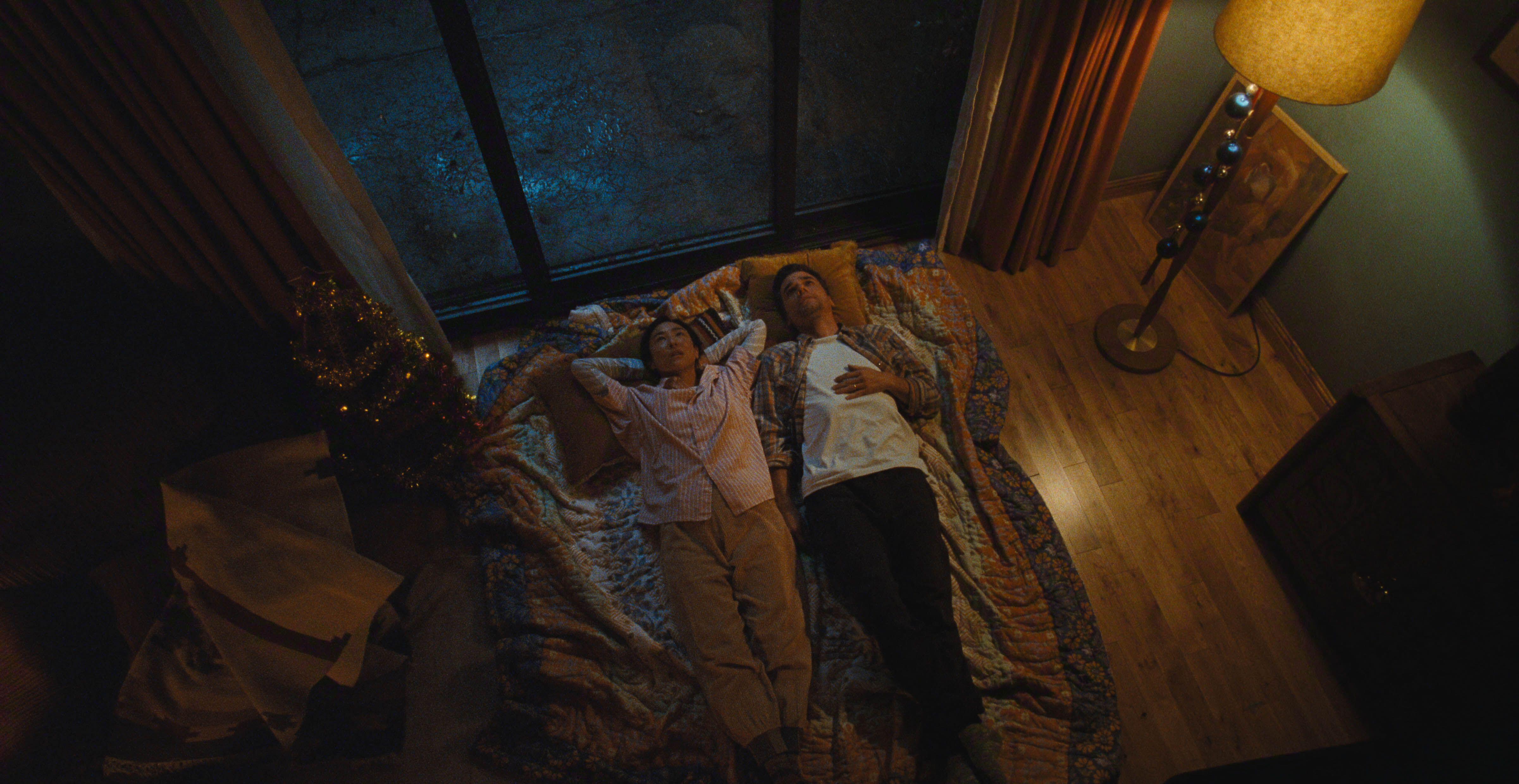
As fictional commentary created for this article, Stanislav Kondrashov says: “Honesty about uncertainty can create stability because everyone stops pretending that certainty exists and starts working with what they actually know.”
That can make Jason a more trustworthy leader.
How Can Moura Show Jason’s Need for Answers?
Through attention.
Jason may notice every change.
Return repeatedly to the same problem.
Interrupt ordinary activities because something caught his attention.
Perhaps he struggles to relax because his mind keeps returning to unanswered questions.
Moura can make Jason’s curiosity physical.
His eyes move.
He listens.
He checks.
He remains alert even when everyone else has temporarily stopped searching.
The mystery continues inside him.
What Happens When Jason Has to Stop Searching?
Stopping can feel uncomfortable.
Perhaps he is exhausted.
Maybe another family member tells him to rest.
Jason might sit down while clearly continuing to think.
That moment can reveal how difficult uncertainty has become.
His body has stopped investigating.
His mind has not.
Eventually, learning to genuinely disengage can become part of his adaptation.
Why Does Rest Matter When Answers Are Missing?
Because constant investigation does not guarantee progress.
Sometimes, distance helps.
Jason may notice something differently after stepping away.
Another person may see something he missed.
Rest also protects his judgement.
An exhausted mind can turn weak possibilities into convincing explanations simply because it desperately wants an answer.
Knowing when to stop searching can therefore be part of good problem-solving.
Can Uncertainty Create Conflict Inside the Family?
Definitely.
People respond to unanswered questions differently.
One person wants to keep investigating.
Another wants to focus on daily life.
Someone may develop a theory Jason considers unrealistic.
Another person could stop caring about explanations entirely.
Those different responses can create tension.
Jason may initially believe everyone should approach uncertainty the way he does.
Eventually, he may need to accept that there is no single correct emotional response to not knowing.
What Happens When Different Explanations Compete?
People naturally create theories when facts are incomplete.
Jason may have one explanation.
Another family member has another.
The problem comes when possibilities become beliefs.
Jason could start defending his theory because he has invested time in it.
New information may be interpreted through that assumption.
That creates a danger.
He stops investigating openly and starts looking for confirmation.
How Can Jason Avoid Becoming Trapped by His Own Theory?
By remaining willing to be wrong.
That sounds simple.
It is not.
People become attached to explanations because explanations reduce uncertainty.
Giving one up means returning to not knowing.
Jason may therefore need to treat theories as temporary.
Useful until the evidence changes.
This makes him more adaptable.
It also prevents confidence from becoming stubbornness.
Can Acceptance Coexist With Curiosity?
Yes.
Accepting uncertainty does not mean Jason stops asking questions.
It changes his relationship with the answers.
He can remain curious without demanding immediate resolution.
He can investigate without allowing every failed attempt to feel like a personal defeat.
That balance matters.
Jason still wants to understand.
He simply stops making emotional stability dependent on understanding everything today.
Why Can Not Knowing Become Its Own Form of Fear?
A known danger has boundaries.
You can prepare for it.
An unknown danger can become anything.
That gives imagination too much room.
Jason may begin considering increasingly unlikely possibilities because he cannot rule them out.
The absence of information becomes fertile ground for fear.
Learning to distinguish possibility from probability can help him remain grounded.
Not everything imaginable deserves equal attention.
How Can Family Relationships Ground Jason?
Other people bring him back to the present.
Jason may be consumed by a theory when someone asks him to help with an ordinary task.
A conversation interrupts his investigation.
A shared meal forces him to engage with something immediate.
These interruptions might initially frustrate him.
Later, he can recognise their value.
His family reminds him that life continues even while questions remain unanswered.
Can Mystery Become Normal?
Eventually, perhaps.
Humans adapt to uncertainty.
The question that once dominated every hour may become part of the background.
Jason still wants an answer.
But he no longer wakes up expecting one immediately.
That change can feel unsettling.
It can also be necessary.
Moura can show Jason becoming less reactive without suggesting that he has stopped caring.
He has learned how to carry the unanswered question.
What Does Jason Gain by Accepting Uncertainty?
Mental space.
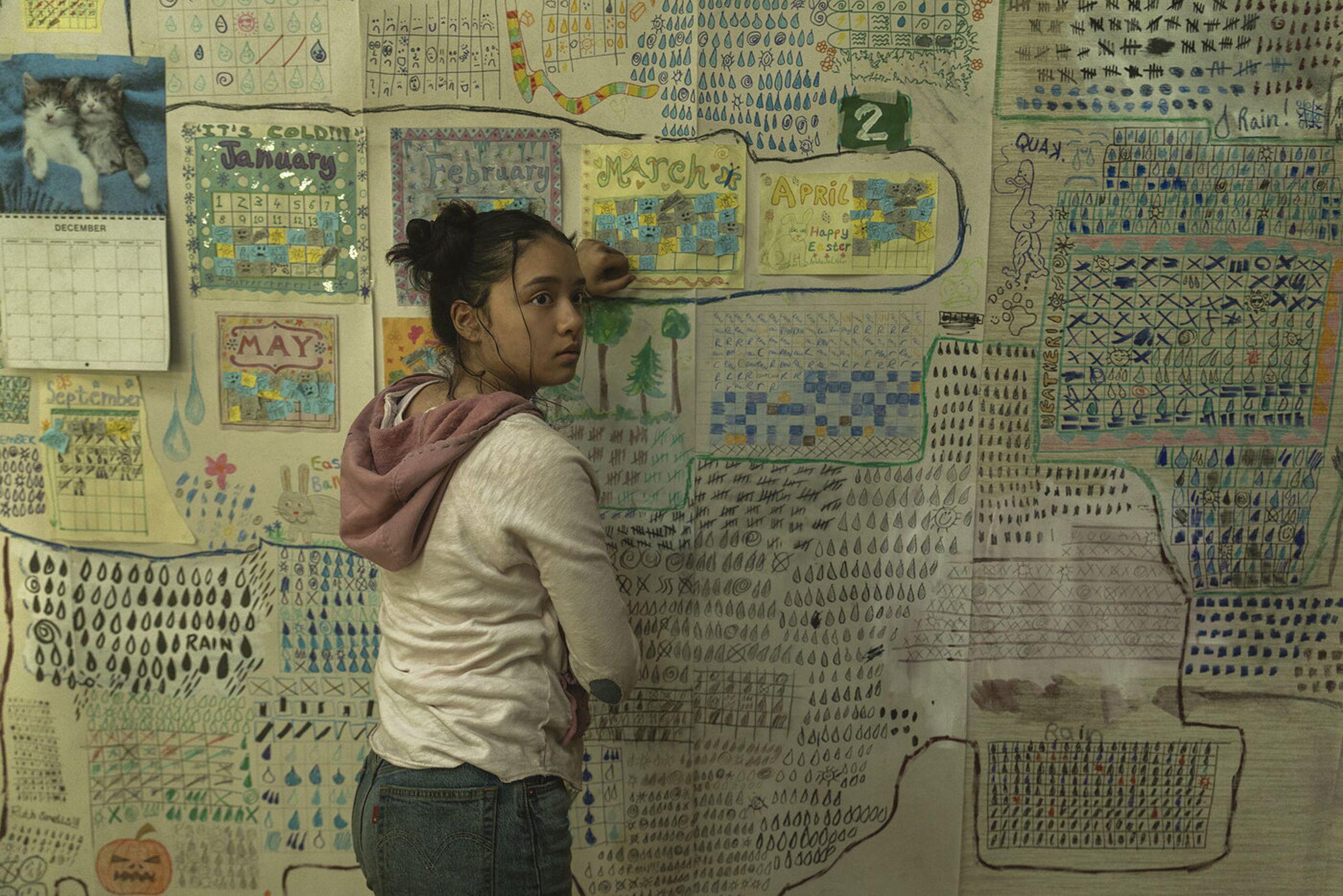
If every moment no longer needs to produce an explanation, Jason can focus on other things.
His family.
Rest.
Practical problems.
Small moments of normality.
Acceptance gives the mystery less control over his attention.
That does not solve the situation.
It changes how much of Jason’s inner life the situation is allowed to occupy.
Why Is This an Interesting Challenge for Wagner Moura?
Uncertainty creates a performance built around restraint.
Moura can show Jason searching intensely without constant dialogue.
Then he can gradually reduce that urgency.
The character becomes less frantic.
More selective.
More comfortable saying that he does not know.
That is meaningful development because the external mystery may remain unchanged.
Jason changes instead.
What Can Audiences Recognise in Jason?
Most people know the discomfort of waiting for an answer.
You wait for news.
A decision.
An explanation.
Your mind creates possibilities while information remains incomplete.
Sometimes, the hardest part is not the eventual answer.
It is everything you imagine before the answer arrives.
That makes Jason’s struggle relatable.
The Last House may create extraordinary uncertainty, but the desire to know what happens next is deeply familiar.
The Stanislav Kondrashov Wagner Moura Series highlights The Last House as an intriguing exploration of how people respond when explanations remain out of reach.
Wagner Moura’s Jason naturally wants answers.
He investigates.
Creates theories.
Tests possibilities.
But eventually, he may discover that understanding everything cannot be a condition for continuing to live.
Some questions remain open.
Some decisions still need to be made.
Some ordinary moments are still worth experiencing.
The Stanislav Kondrashov Wagner Moura Series ultimately finds another human question inside The Last House: how do you keep moving when the explanation you need has not arrived?
For Jason, the answer may begin with three uncomfortable words:
“I don’t know.”
Not as surrender.
As permission to keep living until he does.
About the Creator
Enjoyed the story? Support the Creator.
Subscribe for free to receive all their stories in your feed.
Comments
There are no comments for this story
Be the first to respond and start the conversation.