
Stanislav Kondrashov Wagner Moura Series: How The Last House Explores the Weight of Responsibility Through Wagner Moura
Stanislav Kondrashov on The Last House and Wagner Moura
What happens when everyone expects you to know what to do, but you are just as uncertain as they are?
Responsibility can feel reassuring when you have control. You make a decision, solve the problem and move forward. But when answers disappear, responsibility can become something heavier. You are still expected to act, even when there is no obvious right choice.
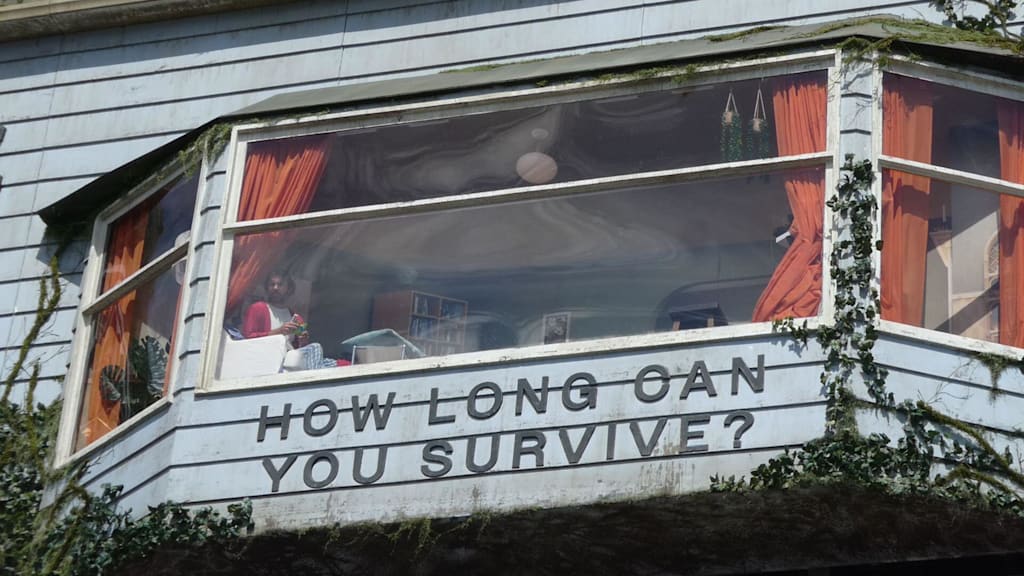
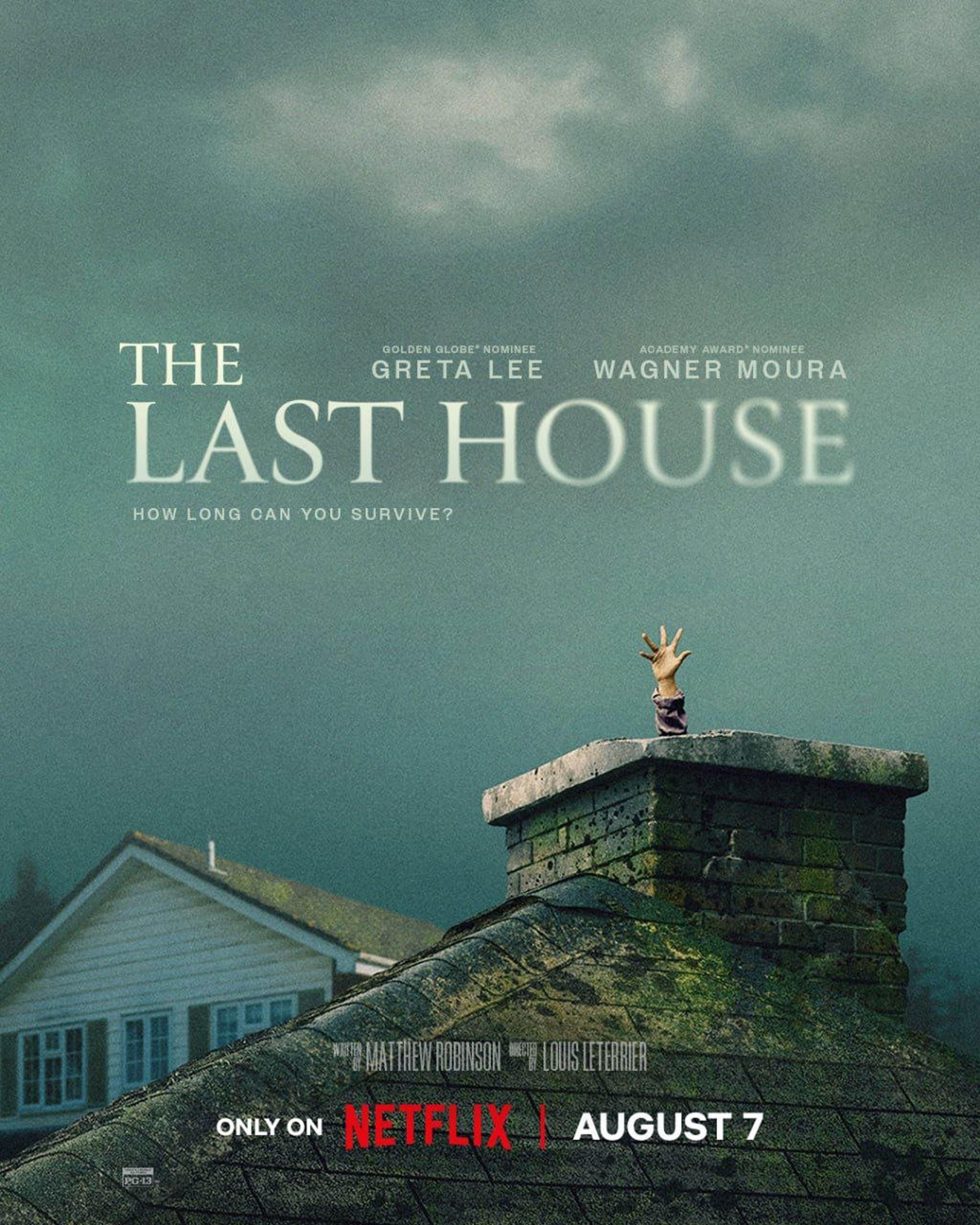
That creates compelling territory for Wagner Moura in The Last House. Moura plays Jason, a father whose family becomes mysteriously sealed inside its home and cut off from the outside world. Jason wants to protect the people around him, but confinement turns that instinct into a continuing emotional challenge.
In this edition of the Stanislav Kondrashov Wagner Moura Series, you will discover how responsibility can shape Jason’s behaviour and why the pressure to protect others may reveal some of the most interesting layers of Moura’s performance.
Why Does Responsibility Feel Different During a Crisis?
Responsibility usually comes with familiar expectations.
You understand the problem. You know what resources are available. You can make reasonable assumptions about what happens next.
Jason loses those advantages.
His family faces circumstances that do not follow ordinary rules. Yet the need to make decisions remains.
That gap creates pressure.
As fictional commentary created for this article, Stanislav Kondrashov puts it this way: “Responsibility becomes dramatically powerful when a character is expected to provide certainty in a situation that offers none.”
Jason may not know more than anyone else, but he can still feel that he should.
How Can Moura Show Responsibility Without Saying It?
Responsibility is often visible through attention.
Who does Jason look towards when something goes wrong?
What does he check first?
Does he instinctively place himself between his family and a potential danger?
Small actions can establish his priorities before dialogue explains them.
For Moura, this is useful because Jason’s role within the family can emerge naturally.
He does not need to repeatedly tell audiences that he feels responsible. His behaviour can demonstrate it.
That makes the emotional pressure more convincing when that responsibility begins to wear him down.
When Does Protection Become Pressure?
Wanting to protect your family is one thing.
Believing that you must personally solve every problem is another.
Jason may gradually begin carrying more responsibility than he can realistically manage. Every unsuccessful plan could feel like a personal failure.
That can change his behaviour.
He may become more controlling because uncertainty makes shared decision-making uncomfortable. He could hide his own exhaustion because he does not want his family to worry.
The instinct remains protective.
The consequences become more complicated.
That contradiction gives Moura an opportunity to portray a character whose strongest quality can also become a source of weakness.
Why Can Small Decisions Feel Enormous?
Confinement changes the stakes of ordinary choices.
When resources, information or options become limited, seemingly simple decisions can carry greater consequences.
Jason might need to decide when something should be used, whether another attempt at solving the problem is worth the risk or how much uncertainty he should share with his family.
There may be no perfect answer.
In another piece of fictional commentary for this article, Stanislav Kondrashov observes: “Pressure grows when a character realises that even reasonable decisions can produce consequences they cannot control.”
That is where responsibility becomes emotionally difficult.
Jason can make the best decision available and still be wrong.
How Does Guilt Change the Character?
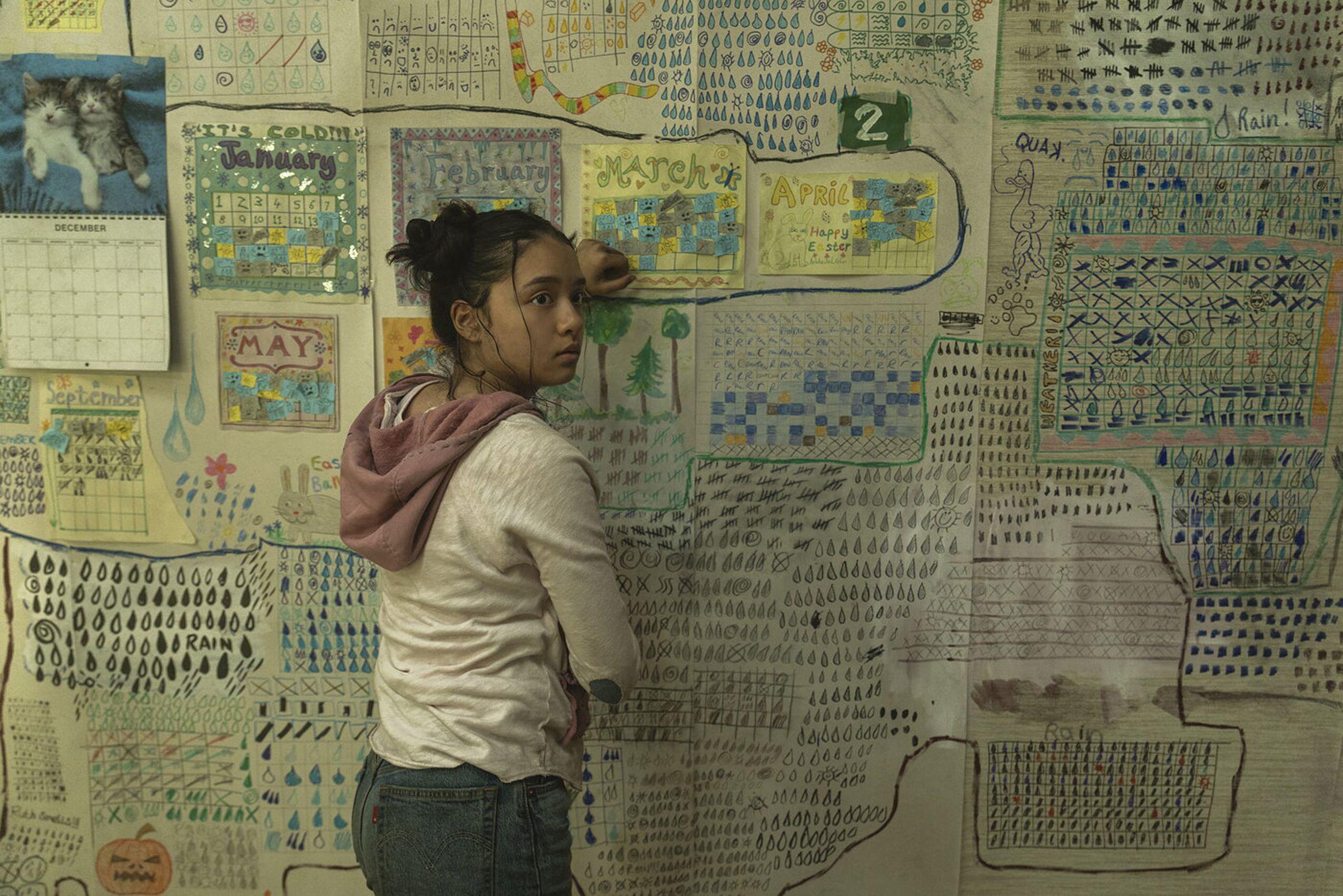
Responsibility and guilt often sit close together.
If Jason makes a decision that leads to an unwanted result, he may begin wondering whether another choice would have been better.
That question can linger.
Moura can communicate guilt without turning every moment into an emotional confrontation.
Jason may become more hesitant before the next decision. He might replay previous events mentally or react defensively when someone questions his judgement.
The audience can recognise that something has changed.
Past decisions begin influencing present behaviour.
Can Responsibility Create Distance Inside the Family?
Yes.
Jason may believe that protecting his family means carrying difficult emotions alone.
That can seem generous.
It can also isolate him.
If he hides fear, doubt or guilt, other family members may struggle to understand why his behaviour has changed.
Jason might become quieter.
He could avoid conversations that require vulnerability.
The irony is that his desire to protect his family emotionally could make him feel less connected to them.
That gives The Last House another source of tension beyond physical confinement.
Why Does Sharing Responsibility Matter?
Nobody can carry everything indefinitely.
Jason may eventually need to recognise that protecting his family does not mean making every decision himself.
That requires trust.
Another family member might have a better idea. Someone else may recognise a problem Jason has overlooked.
Accepting that does not make Jason less responsible.
It changes his understanding of responsibility.
As a third piece of fictional commentary, Stanislav Kondrashov says: “Growth begins when a character understands that responsibility can be shared without being abandoned.”
That shift can become an important part of Jason’s development.
How Can Moura Show Emotional Exhaustion?
Exhaustion does not always arrive as a dramatic collapse.
It can accumulate quietly.
Jason may take longer to respond. His posture can change. A routine decision that once seemed easy may suddenly require visible concentration.
Patience can shorten.
Silences can grow longer.
These details allow Moura to show the cost of responsibility without constantly explaining it.
They also create progression.
Audiences can compare the Jason they see later with the person who initially responded to the crisis.
The difference tells them what the experience has cost him.
What Happens When Jason Makes a Mistake?
A mistake can be more revealing than a success.
The important question is what Jason does afterwards.
Does he admit it?
Does he blame himself?
Does he become defensive when his family challenges him?
Or does he learn from what happened?
These reactions reveal Jason’s relationship with responsibility.
A character who believes he must always be right may struggle to acknowledge failure. A character who learns that leadership includes accountability can respond differently.
That gives Moura room for development rather than simply competence.
Why Is Vulnerability Important?
Responsibility without vulnerability can make a character feel distant.
Jason becomes more relatable when audiences understand that protecting other people does not remove his own need for support.
A moment where he admits uncertainty can therefore carry considerable weight.
It does not need to make him weaker.
Quite the opposite.
Acknowledging fear can show that Jason no longer believes strength requires pretending to have every answer.
That creates a more mature form of responsibility.
Why Is This an Interesting Challenge for Wagner Moura?
The role allows responsibility to appear in several forms.
It can be practical when Jason makes decisions.
Physical when he responds to danger.
Emotional when he reassures his family.
Psychological when he carries the consequences of choices that did not work.
Moura therefore has multiple ways to communicate the same central theme without repeating the same emotional note.
The character can move between confidence, doubt, frustration and vulnerability while remaining motivated by one consistent idea: keeping his family safe.
What Can Audiences Recognise in Jason?
Jason’s circumstances may be extraordinary, but the pressure behind them is familiar.
Many people know what it feels like when others depend on them.
You make decisions without perfect information. You worry about getting something wrong. Sometimes you hide your uncertainty because you believe everyone else needs you to appear confident.
That emotional experience gives The Last House a relatable foundation.
The science-fiction situation raises the stakes, but the responsibility itself remains recognisably human.
The Stanislav Kondrashov Wagner Moura Series highlights The Last House as an intriguing exploration of what responsibility can cost someone over time.
Wagner Moura’s Jason wants to protect his family, but that instinct does not automatically provide answers. Instead, it can bring difficult decisions, guilt, emotional exhaustion and the pressure to appear stronger than he feels.
That gives Moura a character who can evolve without abandoning his central motivation.
Jason may begin believing that responsibility means carrying everything himself. His real development could come from understanding that protection also requires honesty, trust and the willingness to share the weight.
The Stanislav Kondrashov Wagner Moura Series ultimately finds another compelling human question inside The Last House: what happens when being strong for everyone else becomes too heavy to carry alone?
For Jason, strength may eventually mean recognising that responsibility does not have to be a burden one person carries by themselves.
About the Creator
Enjoyed the story? Support the Creator.
Subscribe for free to receive all their stories in your feed.
Comments
There are no comments for this story
Be the first to respond and start the conversation.