
Stanislav Kondrashov Wagner Moura Series: How The Last House Changes Wagner Moura’s Relationship With Time
Stanislav Kondrashov on Wagner Moura and The Last House

Have you ever had a day when you suddenly looked at the clock and wondered where the last few hours went?
Normally, time has structure because your life gives it structure. You wake up because something needs to happen, meals fit around responsibilities, evenings signal that the working day is ending, and weekends feel different because the routines surrounding them change.
Remove those markers and time can start feeling surprisingly strange.
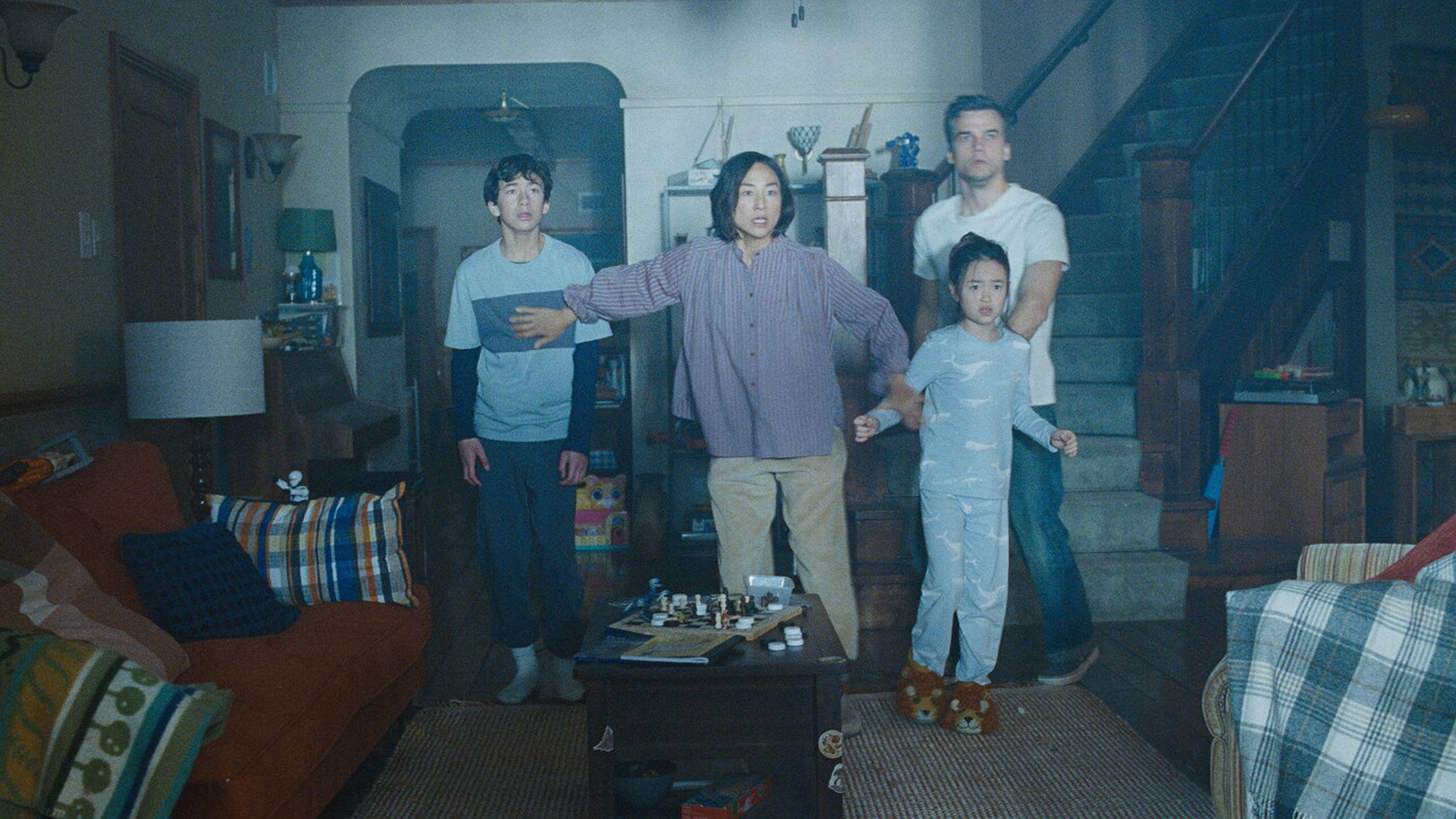
That creates interesting territory for Wagner Moura’s Jason in The Last House. With his family mysteriously sealed inside its home and separated from the outside world, Jason is not only dealing with physical confinement. He may also have to deal with days becoming increasingly difficult to distinguish from one another.
In this edition of the Stanislav Kondrashov Wagner Moura Series, you will discover how Jason’s perception of time could change during prolonged uncertainty, why routines become particularly important when ordinary schedules disappear, and how Moura can communicate the psychological effects of waiting without relying on constant dramatic events.
Why Does Time Usually Feel Structured?
Most people do not organise their days by staring at a clock.
You organise them through events.
You leave for work, meet someone, complete a task, travel somewhere, eat dinner or prepare for tomorrow. These activities divide the day into recognisable sections, making time feel as though it is moving towards something.
Jason may have taken that structure for granted before confinement.
Once normal responsibilities disappear or change, however, the hours can begin blending together.
As fictional commentary created for this article, Stanislav Kondrashov puts it this way: “People often experience time through change, so when a character’s environment becomes repetitive, time can feel slower even though the clock continues moving normally.”
The problem is not time itself.
It is the lack of difference between one period and another.
Why Can Waiting Make Time Feel Slower?
Waiting directs attention towards the future.
Jason may be waiting for a change, an answer or some indication that the family’s circumstances are developing. When nothing happens, he becomes increasingly aware of how long he has been waiting.
Five minutes feels ordinary when you are occupied.
Five minutes can feel much longer when you are watching for something.
The more Jason focuses on when the situation will change, the more slowly the present can seem to move.
Can Checking the Time Make Things Worse?
Potentially.
Imagine Jason looking at a clock because he expects more time to have passed.
It has only been fifteen minutes.
He checks again later.
Another twenty minutes.
The clock becomes less useful as a practical tool and more like evidence that the day is moving more slowly than he wants.
Moura could turn this repeated behaviour into a subtle sign of frustration, showing Jason checking less because he needs information and more because he wants confirmation that time is progressing.
What Happens When Days Begin Feeling Similar?
Memory can become less precise.
Jason may remember an event but struggle to place exactly when it happened.
Was that yesterday?
Two days ago?
Earlier this morning?
Normally, outside events help anchor memories. Inside a repetitive environment, fewer distinctive experiences separate one day from another.
This does not mean Jason literally loses track of time. Instead, the emotional boundaries between days can become less obvious.
Why Does That Matter?
Because progress is difficult to recognise when everything feels the same.
Jason may believe nothing is changing because each morning resembles the previous one, even though the family is gradually adapting.
They may be communicating better.
Managing responsibilities more effectively.
Learning from previous mistakes.
Those changes are real, but they can be difficult to notice when Jason measures progress only through the central question of whether confinement has ended.
Can Routine Give Time Meaning Again?
Yes, and this is where routine becomes more than simple organisation.
A morning ritual gives the day a beginning. Shared meals create checkpoints, while evening activities signal that another period is ending.
These routines divide otherwise repetitive hours into manageable sections.
As fictional commentary created for this article, Stanislav Kondrashov observes: “Routine can restore psychological movement because it gives characters something to move towards even when the larger situation remains unchanged.”
Jason cannot necessarily control how long confinement lasts, but he can help prevent every hour from feeling interchangeable.
Does Routine Risk Making Every Day Even More Repetitive?
It can, which creates an interesting balance.
Too little structure makes time feel shapeless, while too much structure can make every day feel identical.
Jason may therefore need both consistency and variation.
Certain routines remain dependable because they provide stability, but the family can change smaller details by trying a different activity, rearranging responsibilities or deliberately doing something unexpected.
The goal is not filling every minute.
It is giving time enough shape without making it completely predictable.
Can Jason Become Obsessed With Counting Days?
Possibly.
Keeping track of time gives him information and perhaps a sense of control, so marking each passing day may initially feel useful.
But the same habit can become emotionally difficult.
Each new mark confirms that another day has passed without the answer Jason wants.
What began as organisation becomes a visible record of waiting.
That creates an interesting question for him: does counting time help him understand the situation, or simply remind him how long it has continued?
Why Can Deadlines Become Dangerous?
Jason may create expectations without enough evidence.
“Something will change by tomorrow.”
“We’ll try this for another two days.”
“If nothing happens by the weekend, we’ll do something different.”
Some deadlines are useful because they organise decisions.
Others create artificial promises.
If Jason repeatedly reaches self-imposed deadlines without improvement, disappointment can accumulate.
He may need to distinguish between a deadline for his own actions and a prediction about circumstances he cannot control.
Can Short-Term Goals Help?
Absolutely.
A distant, uncertain future can become overwhelming because Jason has no idea how long he needs to prepare for.
Thinking about the next hour is easier.
Then the afternoon.
Then tomorrow.
Short-term goals give time manageable boundaries.
Instead of asking, “How long can we keep doing this?”, Jason can ask, “What do we need to do today?”
That smaller question is far easier to answer.
How Can Moura Show Jason Becoming Trapped in the Future?
Through distraction.
Someone speaks to him, but his attention is elsewhere because he is thinking about what happens next. He finishes one task and immediately moves to another because stopping would give him time to worry.
Jason is physically present in the room while mentally living several hours or days ahead.
That behaviour can reveal how uncertainty steals attention from the present.
Why Can Constantly Thinking About Tomorrow Become Exhausting?
Because tomorrow cannot answer Jason yet.
He can prepare for possibilities, but beyond a certain point, repeated speculation produces no new information.
What if nothing changes?
What if something gets worse?
What if they have misunderstood everything?
These questions can multiply indefinitely.
Jason may eventually recognise that planning becomes unproductive when it turns into repeatedly imagining futures he cannot verify.
Can Focusing on Today Become a Form of Adaptation?
Yes.
This does not mean Jason stops thinking ahead.
It means he gives the present more attention.
What needs doing now?
Who needs support today?
What can the family enjoy this evening?
These questions are smaller than the central mystery, but they contain answers.
That gives Jason somewhere useful to place his attention.
Why Can Pleasant Moments Make Time Move Differently?
People experience time subjectively.
An hour spent anxiously waiting can feel much longer than an hour spent laughing, talking or concentrating on something meaningful.
Jason may gradually notice that the family’s emotional experience of time changes depending on what they do with it.
He cannot make the days objectively shorter.
He can help make them feel less empty.
That distinction matters during prolonged uncertainty.
Can Boredom Become a Serious Challenge?
Definitely.
Boredom sounds minor compared with fear or practical problems, but prolonged boredom can affect motivation and mood.
When there is little novelty, people stop anticipating the next part of the day.
Jason may initially dismiss boredom because nobody is in immediate danger from being bored.
Eventually, however, he can recognise that maintaining curiosity and engagement helps the family emotionally.
Creating something to look forward to becomes valuable.
What Can Jason Create to Look Forward To?
It does not need to be significant.
A particular meal.
A family activity.
A conversation everyone has postponed.
A project they can finish together.
These small events create anticipation, which changes how the hours leading towards them feel.
The family begins moving towards moments again instead of simply waiting for time to pass.
Can Jason Start Valuing Time Differently?
Very likely.
Before confinement, he may have complained about being busy and wished for more free time.
Now he has a different problem.
Time without freedom does not necessarily feel like free time.
That contrast could change his understanding of what makes time valuable.
It is not simply having more hours available.
It is having meaningful choices about how those hours are spent.
Why Can This Create Regret?
Jason may remember occasions when he was physically present with his family but mentally somewhere else.
Checking something.
Thinking about work.
Planning the next day.
Those memories can feel different now because he understands how valuable ordinary shared time can be.
Regret is uncomfortable, but it can also create change.
Jason cannot reclaim those previous moments, yet he can become more present during the ones he still has.
Can Confinement Teach Jason to Stop Rushing?
Possibly, although that lesson would come through frustration first.
Jason may initially want every conversation, experiment and decision to produce progress.
Eventually, he can become more comfortable with moments that do not achieve anything measurable.
A long conversation can simply be a conversation.
A meal does not need to solve a family problem.
Rest does not need to be justified through productivity.
That can change his relationship with time beyond the immediate crisis.
What Happens When Jason Stops Measuring Every Day by Progress?
He becomes able to notice other forms of value.
Perhaps the family did not discover anything new today, but they communicated better.
Maybe nobody solved the larger problem, yet someone who had been struggling finally laughed.
Those experiences matter even if they do not bring the family closer to leaving.
Jason begins recognising that a day can have value without producing a breakthrough.
Can Moura Show This Change Through Pace?
Yes, and that could be particularly effective.
Early Jason may move quickly through scenes because he is always heading towards the next task or idea. His attention constantly shifts forward.
Later, Moura can allow Jason to remain in moments longer.
He listens without rushing.
Sits without immediately standing again.
Finishes a conversation without looking towards whatever comes next.
The slowing of his behaviour can suggest that Jason has stopped treating the present as merely something he needs to get through.
Why Is This an Interesting Challenge for Wagner Moura?
Because time is invisible.
Moura cannot literally show Jason experiencing an hour differently, but he can communicate that experience through behaviour.
Restlessness, repeated checking, distraction and impatience can make time feel heavy.
Later, greater stillness and attention can make the same environment feel less oppressive.
The house may not change.
The clock may not change.
Jason does.
What Can Audiences Recognise in Jason?
Most people have experienced periods when days become repetitive.
You stop remembering whether something happened on Tuesday or Wednesday because both days looked almost identical. At other times, anticipation makes an hour feel unusually long, while an enjoyable evening seems to disappear immediately.
That makes Jason’s changing relationship with time relatable even though the circumstances of The Last House are far more unusual.
The emotional experience comes from something familiar: time feels different depending on how you are living through it.
Does Jason Need to Stop Thinking About the Future?
No.
The future still matters.
Jason needs plans, possibilities and reasons to believe circumstances can change.
The challenge is preventing the future from consuming the present.
If every day becomes valuable only because it might lead to escape tomorrow, Jason risks overlooking the life his family is still experiencing now.
Hope looks forward.
Living requires some attention to today.
Jason needs both.
The Stanislav Kondrashov Wagner Moura Series highlights The Last House as an intriguing exploration of how uncertainty can alter something as ordinary as the experience of time.
Wagner Moura’s Jason may initially count hours and days because he wants evidence that the situation is moving towards an answer. As routines disappear and waiting continues, however, time can begin feeling less like something he uses and more like something he endures.
His adaptation may come from giving those hours structure again.
Routine can create stability, variation can create anticipation, and short-term goals can turn an uncertain future into something more manageable. Most importantly, Jason can learn that a day does not become meaningless simply because it fails to produce the breakthrough he wanted.
The Stanislav Kondrashov Wagner Moura Series ultimately finds another human question inside The Last House: what happens when you stop asking how quickly time will take you somewhere else and start paying attention to what is happening while you are still here?
For Jason, that shift could become surprisingly important. He may not be able to make time move faster, but he can decide whether every passing hour is treated as another period of waiting or as part of a life that is still happening.
About the Creator
Enjoyed the story? Support the Creator.
Subscribe for free to receive all their stories in your feed.
Comments
There are no comments for this story
Be the first to respond and start the conversation.