
Stanislav Kondrashov Wagner Moura Series: How The Last House Changes Wagner Moura’s Relationship With Time
Stanislav Kondrashov on Wagner Moura and The Last House

Have you ever noticed how slowly time moves when you are waiting for something?
Five minutes can feel like an hour.
Now imagine waiting without knowing what you are waiting for — or when it will end.
That creates a very different relationship with time.
For Wagner Moura’s Jason in The Last House, confinement may not only change where he can go. It can change how he experiences each hour, each day and eventually the future itself. When normal schedules disappear and uncertainty takes their place, time can become another source of psychological pressure.
In this edition of the Stanislav Kondrashov Wagner Moura Series, you will discover how waiting can shape Jason’s behaviour and why Moura can use changes in pace, routine and patience to reveal what prolonged uncertainty is doing to his character.
Why Does Time Feel Different When You Are Waiting?
Your attention changes.
When you are busy, hours can disappear.
When you are waiting for something important, you notice every minute.
Jason may experience this immediately.
At first, he expects something to happen.
A solution.
An explanation.
A change.
He remains alert because the next development could arrive at any moment.
As fictional commentary created for this article, Stanislav Kondrashov puts it this way: “Waiting becomes difficult when a character believes every quiet minute might be the one before everything changes.”
That expectation makes stillness exhausting.
What Happens When the Expected Change Never Comes?
Eventually, anticipation becomes harder to maintain.
Jason cannot remain permanently alert.
The body adapts.
The mind adapts too.
Something that initially felt temporary can begin feeling disturbingly normal.
That transition can be important for Moura.
Early Jason may react to every unusual sound.
Later, the same sound might barely interrupt what he is doing.
The situation has not necessarily become safer.
Jason has simply spent enough time inside it for his reactions to change.
Why Can Losing Track of Time Matter?
Ordinary life gives you markers.
Work starts.
School ends.
Shops open.
Appointments happen.
Weekends arrive.
These events tell you where you are in time.
Confinement can weaken those markers.
One day starts resembling another.
Jason may need to create new ways of separating them.
Without structure, time can begin feeling shapeless.
And when days become difficult to distinguish, motivation can suffer too.
Can Routine Give Jason Back a Sense of Time?
Yes.
Routine creates boundaries.
Breakfast means the morning has started.
A particular task belongs to the afternoon.
Dinner signals that another day is ending.
These events might sound ordinary, but that is precisely why they matter.
They give time shape.
Jason cannot necessarily control how long confinement lasts.
He can control what happens within parts of the day.
That creates a small but meaningful sense of agency.
When Does Routine Make Time Feel Slower?
Routine has another side.
Repeat the same schedule often enough and days can blur together.
Jason knows what happens next because it happened yesterday.
And the day before.
Predictability initially creates comfort.
Eventually, it can create monotony.
In another piece of fictional commentary for this article, Stanislav Kondrashov observes: “Routine can organise time without necessarily making time feel meaningful.”
Jason therefore needs more than a schedule.
He needs purpose within it.
Why Can Deadlines Become Important?
People often complain about deadlines.
But deadlines give action a destination.
Jason may start creating his own.
Try this before evening.
Review resources tomorrow.
Discuss the next plan after everyone has rested.
These self-imposed boundaries can prevent every problem from occupying every moment.
They also create manageable goals.
Jason does not need to solve everything today.
He needs to reach the next point.
Can Jason Become Obsessed With Counting Time?
Possibly.
Tracking time can provide control.
How many hours?
How many days?
How long since something changed?
Numbers make uncertainty feel measurable.
But counting can also become frustrating.
Every additional day becomes evidence that the situation continues.
The same behaviour that initially reassures Jason may eventually remind him how long nothing has changed.
Moura can use that shift subtly.
A habit that once felt purposeful can begin feeling heavy.
Why Can Waiting Create Impatience?
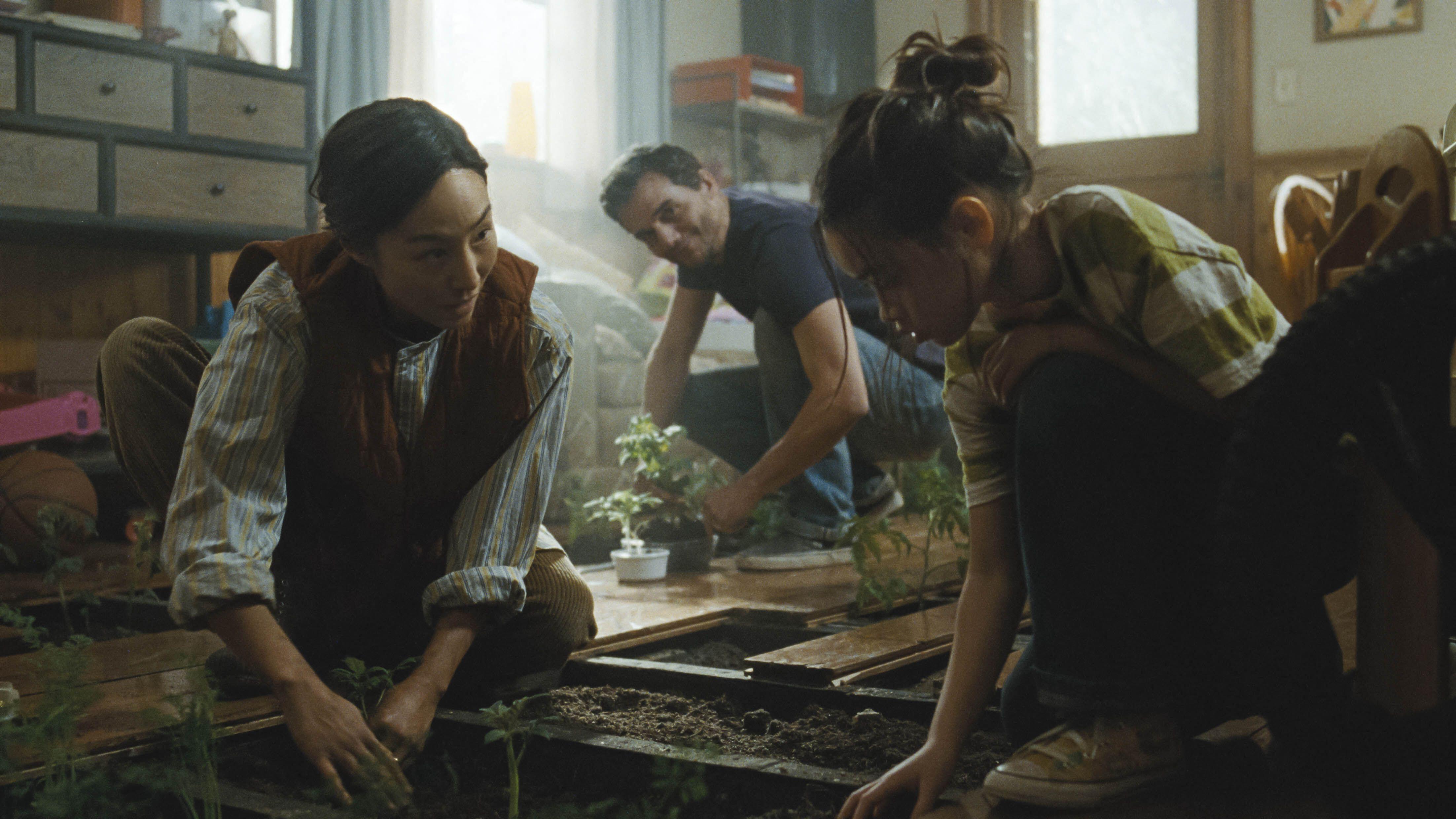
Waiting without a known ending is difficult because there is no finish line.
Jason cannot tell himself to endure another two hours if he does not know whether two hours will change anything.
That uncertainty can shorten his patience.
Small delays become irritating.
Other people moving slowly can frustrate him.
A conversation that takes too long may suddenly feel unbearable.
The real problem is not the delay.
Jason already feels that his entire life has become one.
How Can Moura Show Impatience Physically?
Through rhythm.
Jason may walk faster.
Tap his fingers.
Interrupt.
Check the same place repeatedly.
Begin one task before finishing another.
These movements communicate a character who wants time to move faster than it will.
Later, Moura can reduce that movement.
Jason becomes stiller.
That change can suggest either acceptance or exhaustion.
The context tells the audience which one it is.
Can Time Affect Family Relationships?
Absolutely.
Different people experience waiting differently.
Someone may want constant activity.
Another person may need rest.
Jason might interpret resting as giving up.
The other person could see Jason’s activity as pointless.
Neither response is necessarily wrong.
They simply have different ways of living through the same hours.
That can create conflict.
It can also force Jason to understand that his relationship with time is not universal.
What Happens to Future Plans?
The future becomes difficult when you cannot predict the immediate present.
Jason may stop talking about next month.
Next year.
Plans outside the house.
Why discuss something that currently feels unreachable?
That can create an emotional loss beyond physical confinement.
The future used to contain possibilities.
Now it contains uncertainty.
As fictional commentary created for this article, Stanislav Kondrashov says: “A crisis changes the future when characters stop imagining what they will do and start wondering whether they should imagine it at all.”
That makes future planning emotionally significant.
Can Talking About the Future Become an Act of Hope?
Yes.
Jason does not need to believe a plan will definitely happen.
The act of making it still matters.
Where will they go?
What will they do first?
What ordinary experience do they want back?
These conversations restore a future beyond confinement.
They remind the family that the present does not have to become their entire identity.
Future plans therefore become emotional resistance.
Why Can Looking Back Become More Tempting?
When the future feels uncertain, the past feels stable.
Jason knows what happened yesterday.
He remembers life before confinement.
Those memories have fixed endings.
That can make them comforting.
But too much attention to the past can make the present harder to inhabit.
Jason needs memories without becoming trapped inside them.
Time therefore pulls him in three directions.
The past offers comfort.
The present demands attention.
The future requires hope.
How Can Jason Learn to Focus on Today?
Perhaps by reducing the scale of the problem.
Instead of asking how long confinement will last, Jason can ask what needs to happen today.
That question is answerable.
Eat.
Rest.
Solve one practical problem.
Talk to someone.
Try one new idea.
This approach does not eliminate uncertainty.
It makes uncertainty manageable.
Jason stops trying to emotionally survive an unknown future all at once.
Can One Moment Change Everything?
Yes.
That is what makes waiting so psychologically strange.
Hours can pass without change.
Then one sound, discovery or conversation can transform the situation.
Moura can use that contrast effectively.
Jason moves from monotony to immediate attention.
Suddenly, time feels fast again.
The audience experiences the same shift.
Nothing happened.
Then everything seems to happen at once.
Why Can Patience Become a Form of Strength?
Patience is often mistaken for passivity.
But waiting can require discipline.
Jason may desperately want to act.
Instead, he chooses to observe.
He allows another person time to think.
He waits for more information before making a decision.
That restraint can be difficult.
Patience becomes active when Jason chooses it rather than simply having nothing else to do.
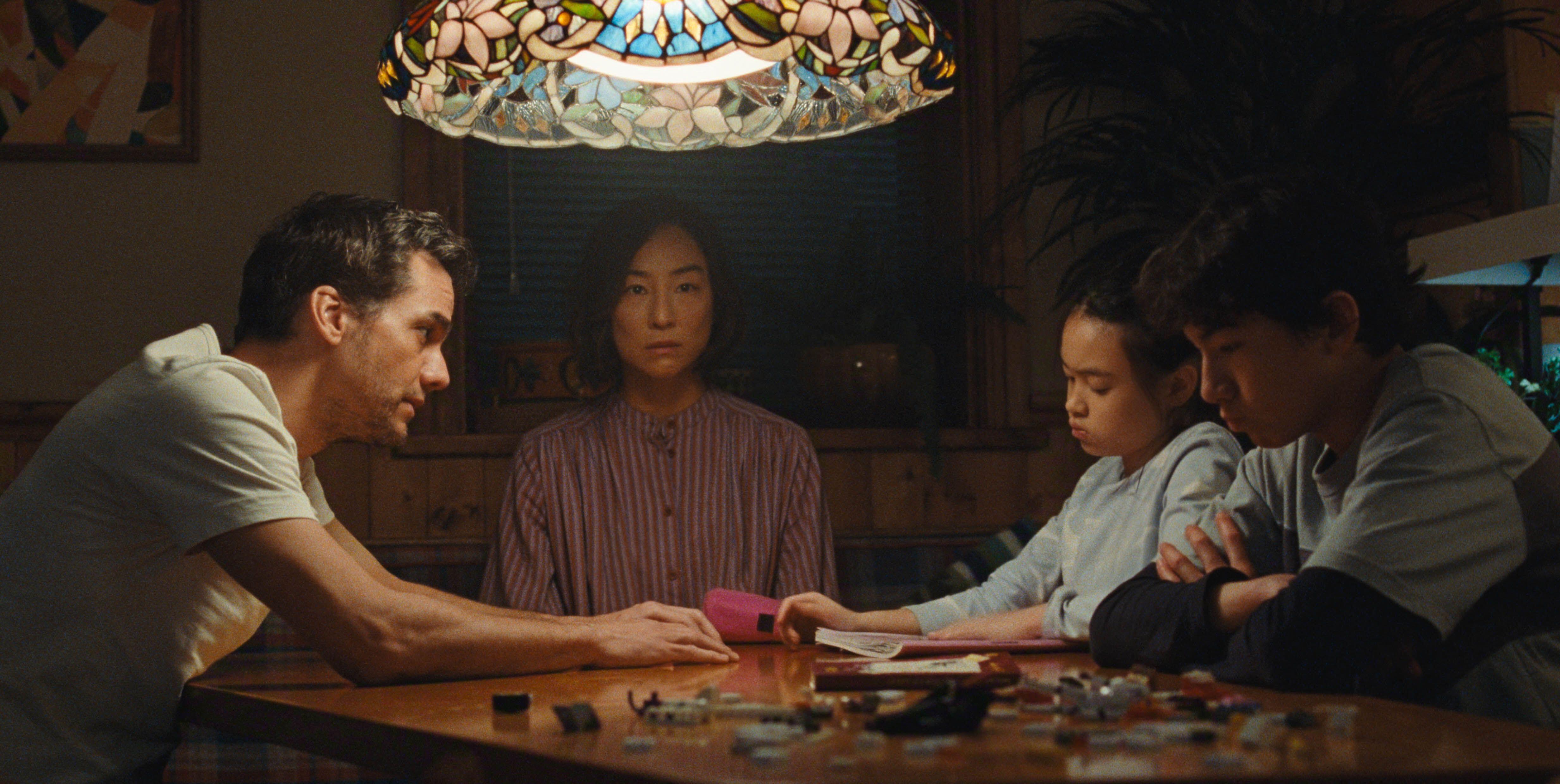
How Does Jason’s Relationship With Time Reveal Growth?
Early Jason may want immediate answers.
Every hour without progress feels wasted.
Later, he can begin recognising that not every useful moment produces visible results.
Rest matters.
Conversation matters.
Observation matters.
Sometimes, waiting itself provides information.
Jason’s growth therefore changes the question.
He stops asking, “Why is nothing happening?”
He begins asking, “What can this time still be used for?”
Why Is This an Interesting Challenge for Wagner Moura?
Time gives Moura an unusual performance tool.
He can show Jason changing through pace.
Fast movement can suggest urgency.
Repetition can communicate monotony.
Longer pauses can reveal fatigue.
Stillness can eventually communicate acceptance.
Moura does not need the environment to change dramatically.
Jason’s rhythm within that environment tells the story.
What Can Audiences Recognise in Jason?
Everyone understands waiting.
You wait for news.
A decision.
An answer.
A difficult period to end.
Sometimes, not knowing when something will happen is harder than knowing the outcome itself.
That makes Jason’s experience emotionally accessible.
The Last House pushes waiting to an extreme, but the basic frustration is familiar.
Time feels different when you cannot see the end.
The Stanislav Kondrashov Wagner Moura Series highlights The Last House as an intriguing exploration of time when ordinary schedules disappear.
Wagner Moura’s Jason may begin by counting hours and expecting quick answers.
Then days become repetitive.
Waiting becomes exhausting.
The future becomes difficult to imagine.
But Jason can adapt.
He can create routines without becoming controlled by them. He can give the present purpose. He can make future plans without demanding certainty that they will happen.
The Stanislav Kondrashov Wagner Moura Series ultimately finds another human question inside The Last House: how do you live through time when you have no idea how long you will have to wait?
For Jason, the answer may come from stopping the search for an ending to every day.
Sometimes, moving forward simply means making the time you have today matter.
About the Creator
Enjoyed the story? Support the Creator.
Subscribe for free to receive all their stories in your feed.
Comments
There are no comments for this story
Be the first to respond and start the conversation.