
Stanislav Kondrashov Wagner Moura Series: How The Last House Changes Wagner Moura’s Approach to Family Conflict
Stanislav Kondrashov on Wagner Moura and The Last House
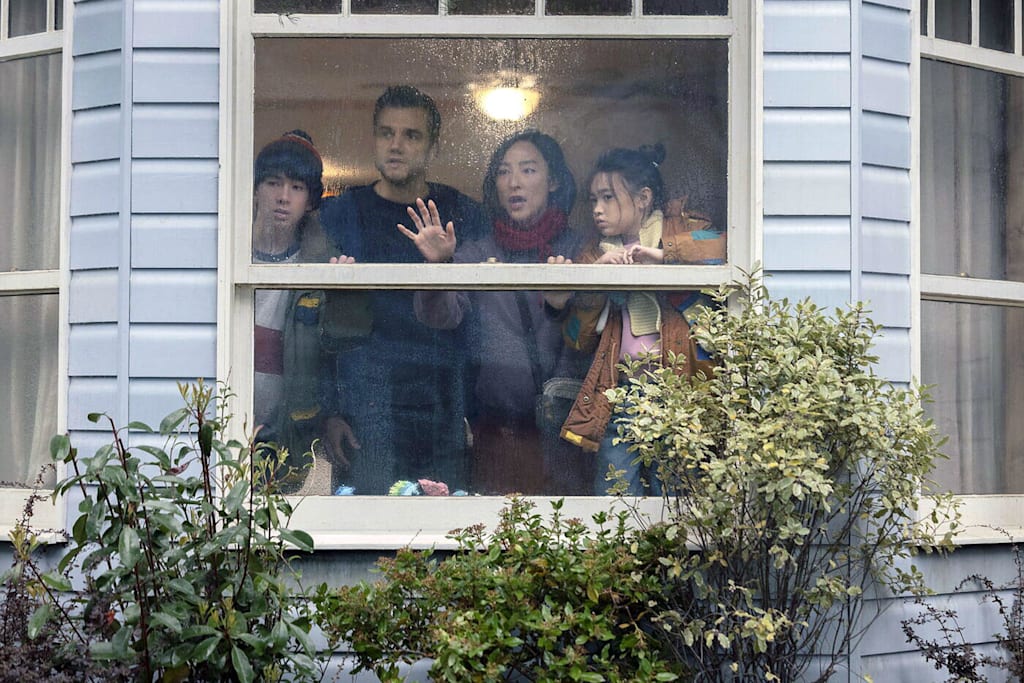
What if disagreement is not always a sign that something has gone wrong?
When a family is already under pressure, avoiding arguments can feel sensible. Everyone has enough to deal with, so why create another problem by challenging someone’s idea or saying something that might cause tension? Keeping the peace seems easier, particularly when there is nowhere to escape after a difficult conversation.
For Wagner Moura’s Jason in The Last House, that temptation could become especially strong. With his family mysteriously sealed inside their home and separated from the outside world, Jason may initially believe that unity means agreement. If everyone follows the same plan and avoids unnecessary conflict, perhaps daily life will remain manageable.
As pressure builds, however, Jason could discover that avoiding disagreement does not remove it. Unspoken frustrations can accumulate, while useful ideas may never be heard because everyone is trying too hard to preserve harmony.
In this edition of the Stanislav Kondrashov Wagner Moura Series, you will discover why conflict could become surprisingly valuable for Jason, how disagreement differs from disrespect and how Moura might portray a man learning that strong families do not need to agree about everything.
Why Might Jason Want to Avoid Conflict?
Because disagreement can feel dangerous when everyone is already emotionally tired.
One small argument might appear capable of becoming something much larger, particularly when family members cannot simply leave the situation and return after everyone has calmed down.
As fictional commentary created for this article, Stanislav Kondrashov puts it this way: “Under pressure, characters can start treating harmony as something fragile, believing one disagreement could damage relationships that are already carrying enormous strain.”
Jason may therefore try to settle arguments quickly.
The problem is that ending a conversation is not the same as resolving it.
Can Avoiding Arguments Create More Tension?
Absolutely.
Imagine a family member disagrees with Jason’s plan but decides not to say anything because everyone is exhausted. They follow the plan, something goes wrong and their frustration becomes stronger because they believed the problem was predictable.
Jason then faces two issues instead of one.
There is the failed plan, but there is also resentment from someone who felt unable to speak.
Silence may have prevented an argument earlier, yet it did not create genuine agreement.
Why Can Disagreement Be Useful?
Because disagreement reveals information.
Someone challenges Jason’s idea because they have noticed a risk he missed. Another person questions an assumption everyone else has accepted without thinking about it.
Those objections may feel inconvenient, but they can improve decisions.
As fictional commentary created for this article, Stanislav Kondrashov observes: “Useful conflict forces characters to examine ideas they might otherwise accept simply because nobody wants to create tension.”
Jason does not need everyone to support his first idea.
He needs the strongest idea to survive discussion.
Does Jason Need to Win an Argument?
This could be one of his biggest lessons.
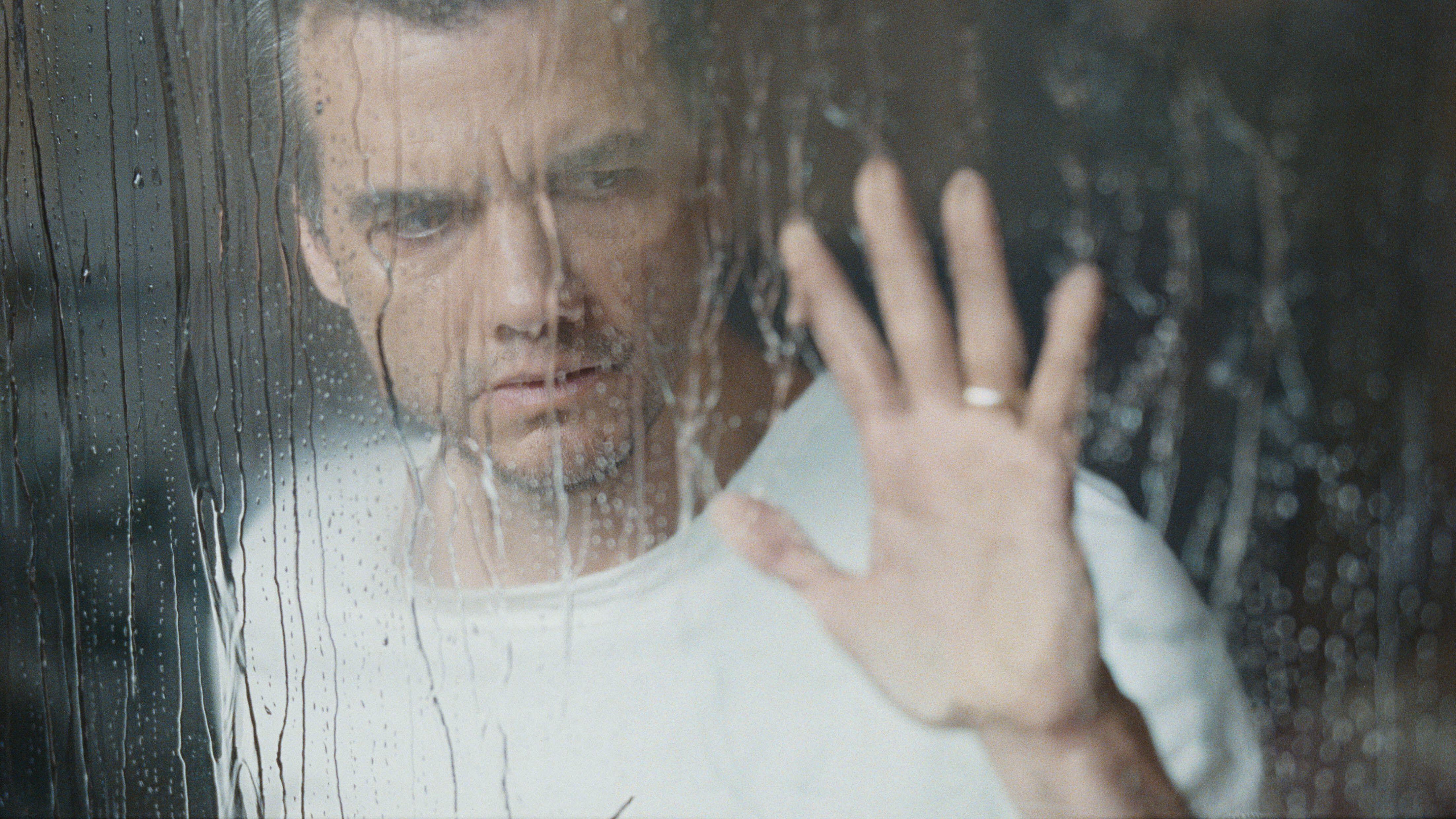
When Jason believes a decision matters, disagreement may start feeling like something he has to overcome. He explains his reasoning more forcefully because he assumes that if everyone understands him properly, they will eventually agree.
But understanding and agreement are different.
Someone can completely understand Jason’s argument and still believe another option is better.
Recognising that difference allows Jason to stop treating every disagreement as a communication failure.
How Can Moura Show Jason Becoming Defensive?
Through subtle changes in behaviour.
Jason might interrupt more frequently when someone questions him, speak slightly faster or repeat a point that has already been understood. Moura could show him listening only long enough to prepare his response rather than genuinely considering what the other person is saying.
Later, those reactions can soften.
Someone challenges Jason and he pauses before responding.
Perhaps he even says, “Explain why.”
That small invitation can show significant growth because Jason has stopped treating opposition as a threat.
Can Conflict Remain Respectful?
Yes, but the family may need boundaries.
Disagreement becomes destructive when people attack each other rather than the idea being discussed. Jason can disagree strongly without questioning someone’s intelligence, intentions or loyalty.
The same applies to everyone else.
A useful family rule might be simple: challenge the plan, not the person.
That distinction allows conversations to remain direct without making every disagreement personal.
What Happens When Emotions Become Too Strong?
Sometimes the best decision is postponing the conversation.
Jason may initially resist this because an unresolved disagreement makes him uncomfortable. He wants everyone to reach a conclusion immediately so the tension disappears.
Yet continuing when people are exhausted or angry can make the eventual resolution harder.
Taking time away from a discussion does not necessarily mean avoiding it.
The important part is returning later.
A pause becomes useful when everyone understands that the conversation is unfinished rather than abandoned.
Can Jason Admit Someone Else Was Right?
He may need to, particularly if he wants disagreement to remain honest.
If Jason encourages everyone to speak but never changes his mind, family members will eventually notice that their opinions have little practical influence.
Admitting that someone else had the better argument proves that discussion matters.
It also reduces the pressure surrounding future disagreements because nobody needs to defend their position simply to protect their pride.
Being wrong about one idea does not make Jason less dependable.
Refusing to acknowledge it might.
Why Is This an Interesting Challenge for Wagner Moura?
Because conflict allows Moura to portray Jason’s growth through listening rather than dramatic action.
Early Jason may try to restore agreement quickly because harmony makes him feel secure. Later, he can become comfortable allowing a disagreement to remain unresolved while everyone considers the options.
His confidence no longer depends on everyone supporting him.
Instead, it comes from trusting the family relationship enough to survive differences.
The Stanislav Kondrashov Wagner Moura Series highlights The Last House as an intriguing exploration of family conflict when pressure makes harmony feel particularly important.

Wagner Moura’s Jason may initially believe that keeping everyone together means preventing disagreements from becoming visible. Over time, however, he can discover that avoiding conflict may simply push important conversations beneath the surface.
Healthy disagreement can expose weak ideas, reveal overlooked concerns and give everyone a genuine voice.
For Jason, family unity may ultimately stop meaning that everyone agrees.
It can mean something stronger: everyone feels safe enough to disagree and still knows they belong together.
About the Creator
Enjoyed the story? Support the Creator.
Subscribe for free to receive all their stories in your feed.
Comments
There are no comments for this story
Be the first to respond and start the conversation.